Use our Calorie Calculator to estimate daily calorie requirements based on activity, weight, and goals. Plan meals, manage weight, and stay healthy effectively.
Knowing how many calories your body needs is a fundamental step in achieving your health and fitness goals. Whether you’re looking to lose weight, gain muscle, or simply maintain your current physique, a calorie calculator provides personalized insights based on your unique characteristics. This comprehensive guide will walk you through everything you need to know about calorie calculators – from how they work to how to apply their results effectively in your daily life.

What Is a Calorie Calculator?
A calorie calculator is a tool that estimates how many calories your body needs daily based on factors like your age, gender, height, weight, and activity level. These calculators use scientifically validated formulas to determine your energy requirements, helping you make informed decisions about your diet and exercise routine.
At its core, a calorie calculator helps answer the fundamental question: “How many calories do I need each day?” This number varies significantly from person to person, which is why personalized calculations are so valuable for effective health management.
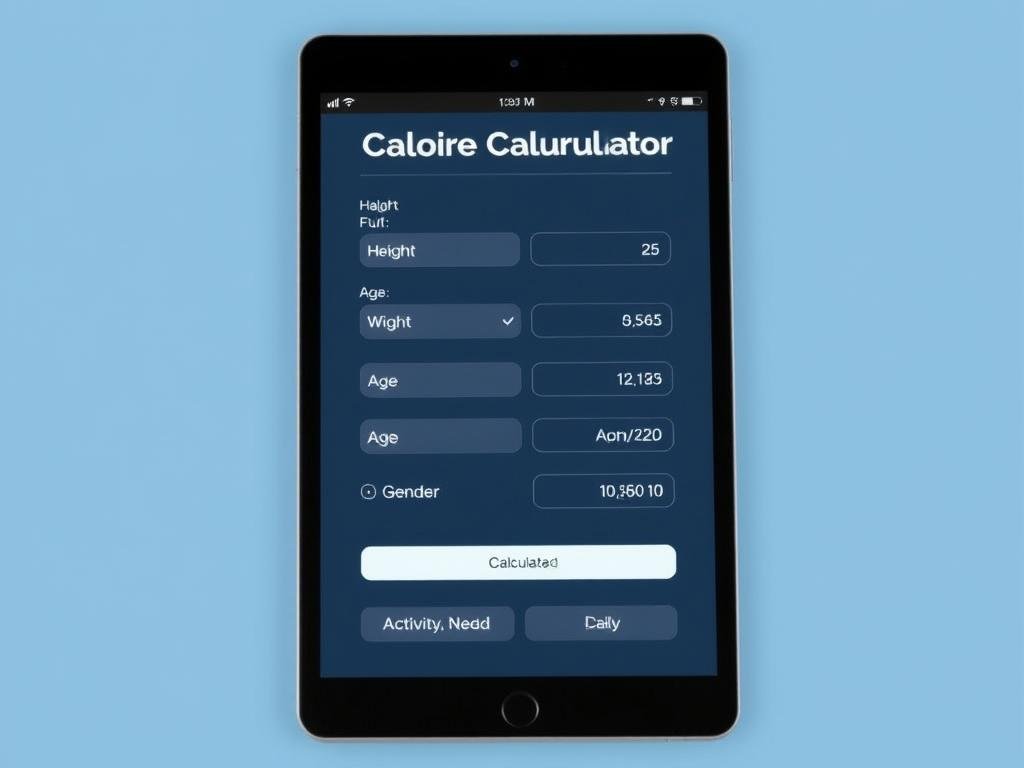
Find Your Personalized Calorie Needs
Ready to discover exactly how many calories your body needs? Use our science-backed calculator to get your personalized results in seconds.
Different Types of Calorie Calculators
Not all calorie calculators are created equal. Different types serve various purposes, and understanding these differences can help you choose the right one for your specific goals.
BMR Calculators
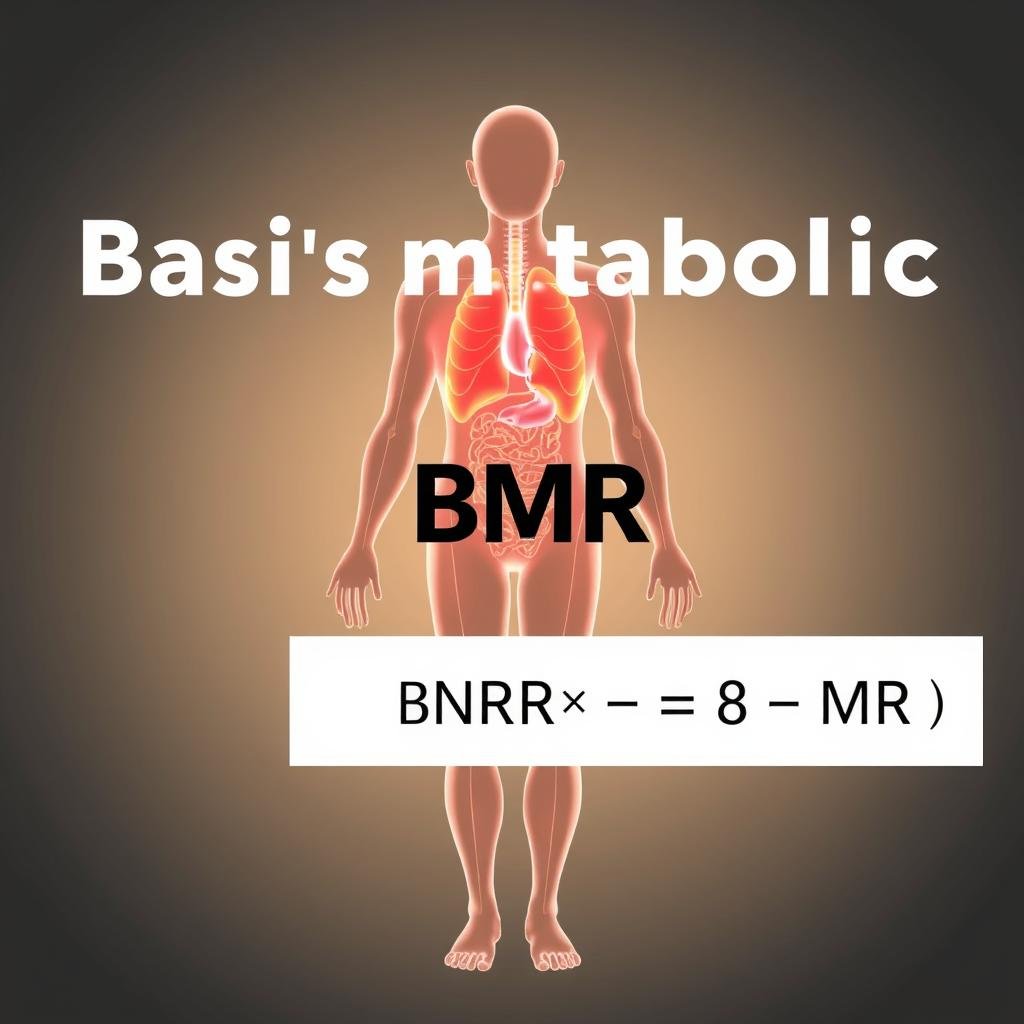
Basal Metabolic Rate (BMR) calculators estimate the number of calories your body needs at complete rest just to maintain basic functions like breathing and circulation. This is your baseline calorie requirement without any physical activity.
TDEE Calculators
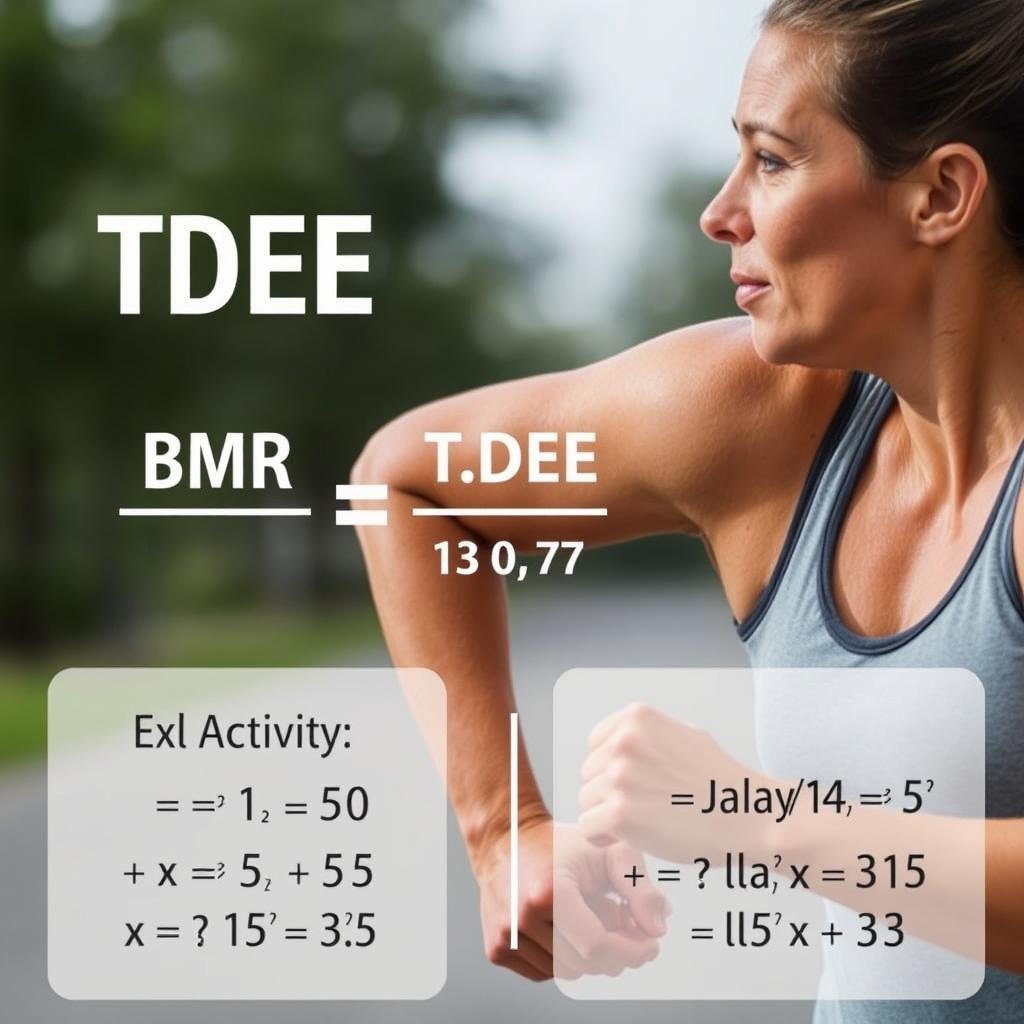
Total Daily Energy Expenditure (TDEE) calculators take your BMR and factor in your activity level to estimate how many calories you burn throughout an average day. This provides a more complete picture of your energy needs.
Weight Management Calculators
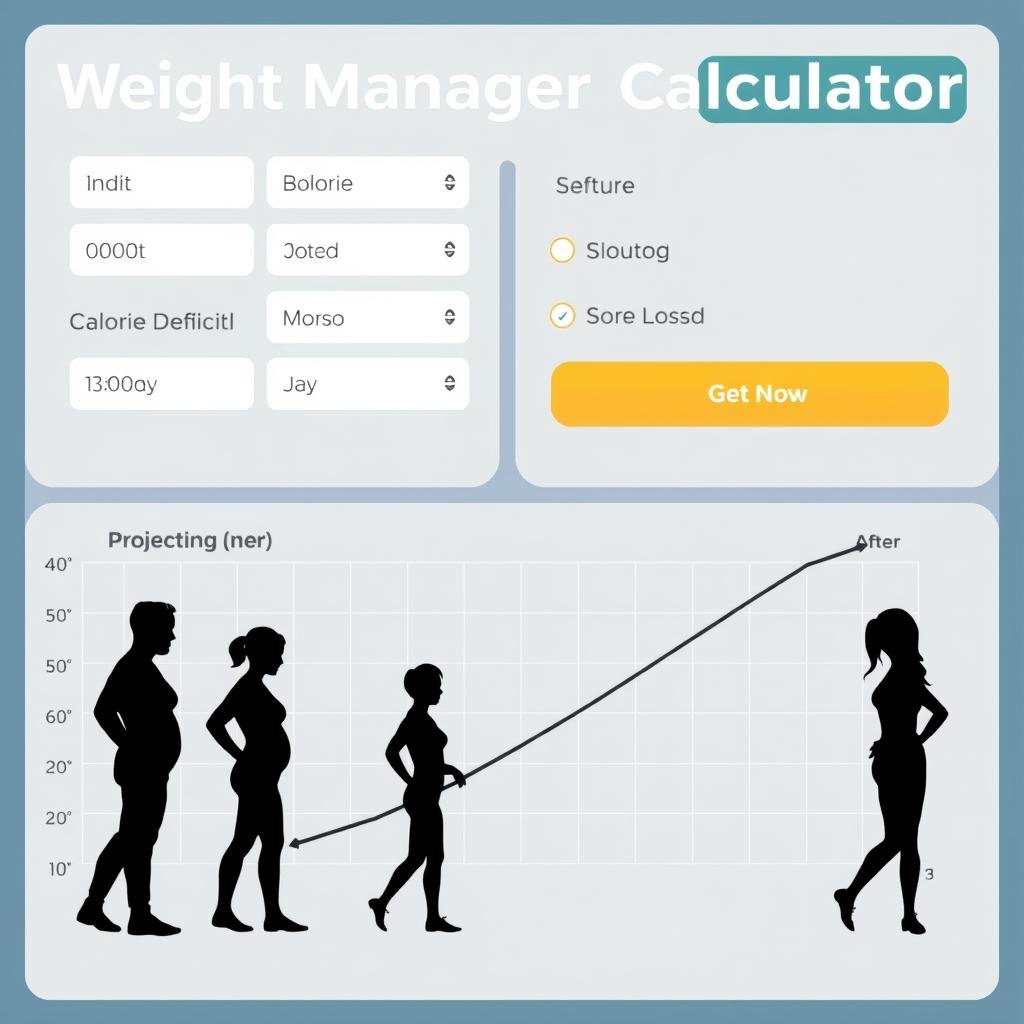
These specialized calculators help you determine calorie targets for weight loss or gain. They typically adjust your TDEE to create either a calorie deficit (for weight loss) or surplus (for weight gain) based on your goals.
How Calorie Calculators Work: The Science Behind the Numbers
Calorie calculators rely on mathematical formulas developed through scientific research. These equations estimate energy expenditure based on key physiological factors and have been validated through extensive studies.
Common Calculation Formulas
Harris-Benedict Equation
One of the earliest and still widely used formulas, developed in the early 20th century:
For men: BMR = 66.5 + (13.75 × weight in kg) + (5.003 × height in cm) – (6.75 × age)
For women: BMR = 655.1 + (9.563 × weight in kg) + (1.850 × height in cm) – (4.676 × age)
Mifflin-St Jeor Equation
Considered more accurate for most people in the modern population:
For men: BMR = (10 × weight in kg) + (6.25 × height in cm) – (5 × age) + 5
For women: BMR = (10 × weight in kg) + (6.25 × height in cm) – (5 × age) – 161
Activity Multipliers
After calculating your BMR, calorie calculators apply an activity multiplier to account for your daily physical activity:
| Activity Level | Description | Multiplier |
| Sedentary | Little to no exercise, desk job | 1.2 |
| Lightly Active | Light exercise 1-3 days per week | 1.375 |
| Moderately Active | Moderate exercise 3-5 days per week | 1.55 |
| Very Active | Hard exercise 6-7 days per week | 1.725 |
| Extremely Active | Very hard exercise, physical job or training twice daily | 1.9 |
Step-by-Step Guide to Using a Calorie Calculator Effectively
Getting the most accurate results from a calorie calculator requires careful input and interpretation. Follow these steps to ensure you’re using these tools effectively:

Track Your Calories With Ease
Ready to put your calorie knowledge into action? Download our free calorie tracking guide with printable worksheets and meal planning templates.
Factors That Affect Calorie Calculations
While calorie calculators provide useful estimates, several factors can influence your actual calorie needs that may not be fully captured by standard formulas:
Physiological Factors
Lifestyle Factors

Benefits of Using Calorie Calculators for Weight Management
Calorie calculators offer numerous advantages for those looking to manage their weight effectively and develop healthier eating habits:
Benefits of Calorie Calculators
- Personalized Guidance: Get tailored calorie recommendations based on your unique characteristics.
- Objective Framework: Establish clear numerical targets for your daily food intake.
- Increased Awareness: Develop better understanding of energy content in different foods.
- Goal Setting: Create realistic weight management goals based on scientific principles.
- Progress Tracking: Monitor changes in your calorie needs as your weight and activity levels change.
- Educational Value: Learn about nutrition, metabolism, and energy balance.
Limitations to Consider
- Estimation Only: Results are approximations, not exact measurements.
- Individual Variations: Doesn’t account for all metabolic differences between individuals.
- Nutritional Quality: Focuses on quantity rather than quality of calories.
- Potential Obsession: May lead to unhealthy fixation on numbers for some people.
- Accuracy Challenges: Requires honest assessment of activity levels and accurate measurements.

How to Interpret and Apply Calorie Calculator Results
Getting your calorie estimate is just the beginning. Here’s how to effectively use this information to achieve your health and fitness goals:
Understanding Your Results
When you receive your calorie estimate, remember that it represents an approximation of your maintenance calories – the amount needed to maintain your current weight. This number serves as your baseline for making adjustments based on your goals.
For Weight Loss
Create a moderate calorie deficit by consuming 500-1000 fewer calories than your maintenance level. This approach typically results in 1-2 pounds of weight loss per week, which is considered safe and sustainable.
Example: If your maintenance calories are 2,500 per day, aim for 1,500-2,000 daily calories for weight loss.
For Weight Gain
Create a calorie surplus by consuming 300-500 more calories than your maintenance level. This moderate approach helps minimize fat gain while supporting muscle growth, especially when combined with strength training.
Example: If your maintenance calories are 2,500 per day, aim for 2,800-3,000 daily calories for weight gain.
Practical Application Tips

Practical Examples: Calorie Calculations in Action
To better understand how calorie calculators work in real-life scenarios, let’s examine some practical examples for different individuals with varying goals:
| Profile | Calculation | Result | Goal Adjustment |
| Sarah: 35-year-old woman, 5’5″, 150 lbs, moderately active | BMR: 1,441 calories Activity factor: × 1.55 |
2,234 maintenance calories | Weight loss: 1,734 calories (500 calorie deficit) |
| Michael: 28-year-old man, 6’0″, 180 lbs, very active | BMR: 1,860 calories Activity factor: × 1.725 |
3,209 maintenance calories | Muscle gain: 3,509 calories (300 calorie surplus) |
| Elena: 45-year-old woman, 5’7″, 165 lbs, lightly active | BMR: 1,489 calories Activity factor: × 1.375 |
2,047 maintenance calories | Weight maintenance: 2,047 calories |
Sample Meal Plans Based on Calorie Targets
Here’s how these calorie targets might translate into actual meal plans:
1,700 Calorie Plan
Breakfast (400 cal): Greek yogurt with berries and granola
Lunch (500 cal): Grilled chicken salad with olive oil dressing
Snack (200 cal): Apple with 1 tbsp almond butter
Dinner (600 cal): Baked salmon with quinoa and roasted vegetables
2,200 Calorie Plan
Breakfast (500 cal): Oatmeal with banana, walnuts, and honey
Lunch (600 cal): Turkey sandwich with avocado and side salad
Snack (300 cal): Protein smoothie with fruit and nut butter
Dinner (800 cal): Lean beef stir-fry with brown rice and vegetables
3,500 Calorie Plan
Breakfast (800 cal): Eggs, whole grain toast, avocado, and fruit
Lunch (900 cal): Chicken burrito bowl with rice, beans, and guacamole
Snack (500 cal): Protein shake and trail mix
Dinner (1000 cal): Pasta with meat sauce, garlic bread, and salad
Evening Snack (300 cal): Cottage cheese with pineapple

Recommended Calorie Calculator Tools and Apps
With countless calorie calculators available online and as mobile apps, it can be challenging to determine which ones are most reliable. Here are some trusted options that combine accuracy with user-friendly features:
Online Calculators
Mobile Apps
Advanced Features to Look For

Start Tracking Your Calories Today
Ready to take control of your nutrition? Try one of our recommended calorie tracking apps and get started on your health journey.
Tips for Tracking Calories Alongside Using a Calculator
Knowing your calorie target is just the first step. Effectively tracking your actual intake requires strategy and consistency. Here are practical tips to make calorie tracking more accurate and sustainable:
Accuracy Tips
Sustainability Tips

Pro Tip: Consider tracking in weekly rather than daily totals. This approach allows more flexibility while maintaining your overall calorie goals. For example, if your daily target is 2,000 calories, aim for 14,000 per week, allowing some days to be higher and others lower based on your schedule and hunger levels.
Conclusion: Making Calorie Calculators Work for You
Calorie calculators are powerful tools that provide valuable insights into your body’s energy needs. When used effectively, they can help you make informed decisions about your nutrition and exercise habits to achieve your health and fitness goals.
Remember that while these calculators offer useful estimates, they’re just one component of a comprehensive approach to health. The quality of your food choices, consistency in your habits, and attention to how your body responds are equally important factors in your success.
Start by using a reliable calculator to establish your baseline needs, then track your intake and adjust as necessary based on your results. Be patient with the process and focus on sustainable changes rather than quick fixes. With time and consistency, you’ll develop a better understanding of your body’s unique energy requirements and how to meet them in a way that supports your overall wellbeing.

Take the Next Step in Your Health Journey
Ready to put your calorie knowledge into practice? Download our comprehensive guide to calorie tracking and meal planning to start seeing results.