Use our Pregnancy Weight Gain Calculator to monitor healthy weight changes during pregnancy. Plan nutrition and support your baby’s growth safely and effectively.
Gaining the right amount of weight during pregnancy is crucial for both your health and your baby’s development. A pregnancy weight gain calculator helps you track and understand these changes, providing guidance based on medical recommendations. This article explains how these calculators work, why they’re important, and how to use them effectively throughout your pregnancy journey.
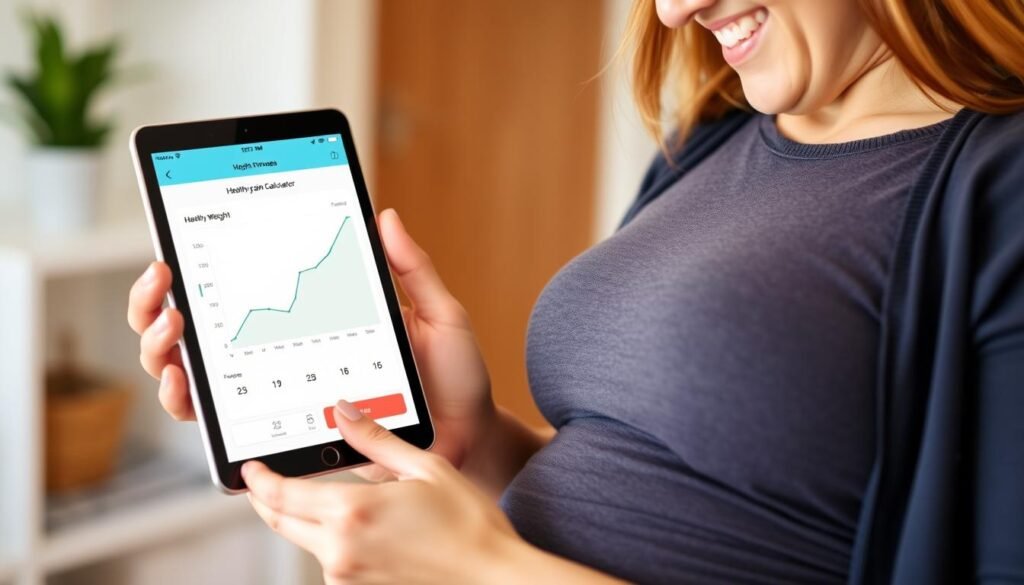
What Is a Pregnancy Weight Gain Calculator?
A pregnancy weight gain calculator is a tool that helps expectant mothers track and monitor their weight changes throughout pregnancy. These calculators use your pre-pregnancy weight, height, and current stage of pregnancy to determine if your weight gain falls within recommended ranges based on medical guidelines.
Most calculators provide personalized recommendations based on your Body Mass Index (BMI) before pregnancy, which categorizes you as underweight, normal weight, overweight, or obese. They may also factor in whether you’re carrying multiples, as twin or triplet pregnancies require different weight gain patterns.
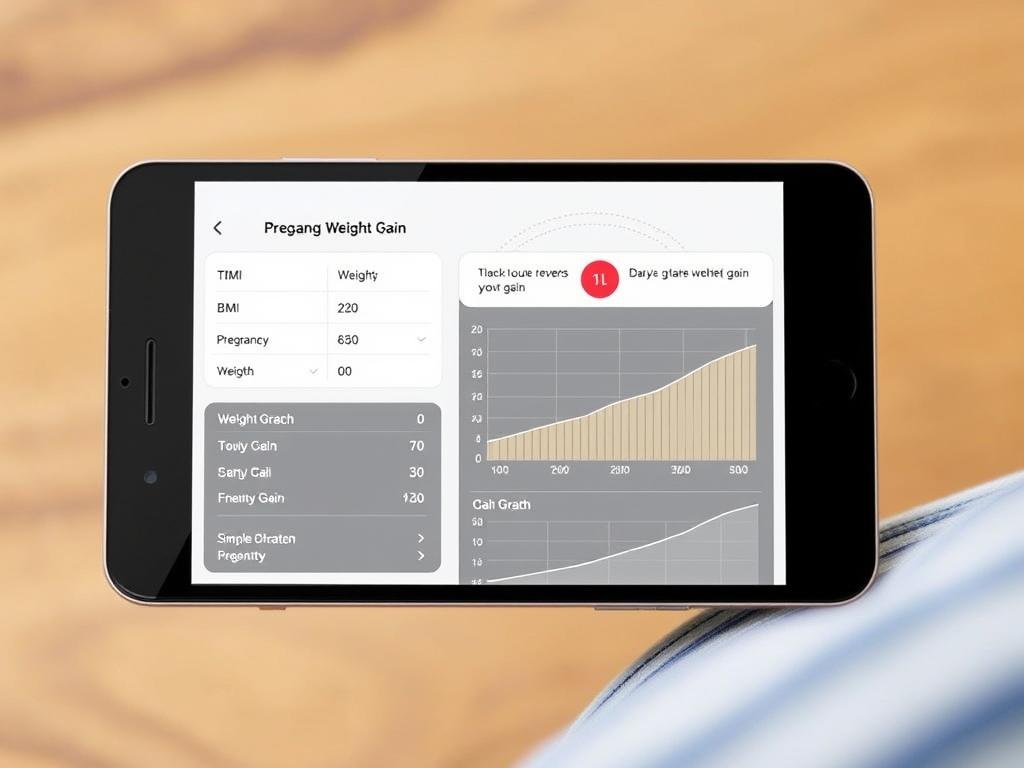
Modern pregnancy weight gain calculators provide personalized recommendations based on your unique health profile
These tools typically show you a recommended weight gain range for your entire pregnancy and may break down expected weight gain by trimester or even by week, helping you stay on track throughout your pregnancy journey.
Why Tracking Pregnancy Weight Gain Matters
Monitoring your weight gain during pregnancy isn’t about aesthetics—it’s about ensuring optimal health for both you and your baby. Gaining too little or too much weight can lead to various complications:
Risks of Insufficient Weight Gain
- Increased risk of delivering a low birth weight baby
- Higher chance of premature birth
- Potential developmental issues for your baby
- Reduced nutrient supply to the placenta
- Possible breastfeeding difficulties after birth
Risks of Excessive Weight Gain
- Increased risk of gestational diabetes
- Higher chance of developing preeclampsia
- Greater likelihood of delivery complications
- Potential for having a larger-than-average baby
- More difficult postpartum weight loss
Using a pregnancy weight gain calculator helps you maintain a healthy balance, ensuring your baby receives adequate nutrition while minimizing health risks for both of you.
Ready to Start Tracking Your Pregnancy Weight?
Use a reliable pregnancy weight gain calculator to monitor your progress and ensure you’re staying within healthy ranges for your body type.
Recommended Pregnancy Weight Gain Ranges
The Institute of Medicine (IOM) provides guidelines for healthy weight gain during pregnancy based on your pre-pregnancy BMI. These recommendations help ensure optimal outcomes for both mother and baby.
| Pre-pregnancy BMI | Category | Recommended Total Weight Gain | Recommended Weight Gain for Twins |
| Below 18.5 | Underweight | 28-40 pounds (12.7-18.1 kg) | Not specified |
| 18.5-24.9 | Normal Weight | 25-35 pounds (11.3-15.9 kg) | 37-54 pounds (16.8-24.5 kg) |
| 25.0-29.9 | Overweight | 15-25 pounds (6.8-11.3 kg) | 31-50 pounds (14.1-22.7 kg) |
| 30.0 or higher | Obese | 11-20 pounds (5.0-9.1 kg) | 25-42 pounds (11.3-19.1 kg) |
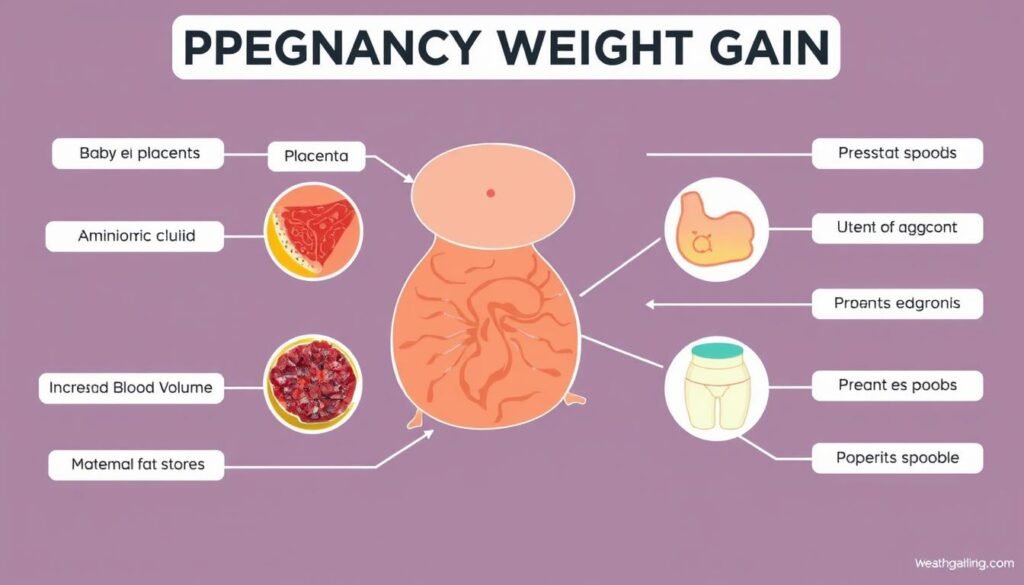
Distribution of weight gain during pregnancy
Remember that these are general guidelines. Your healthcare provider may recommend different targets based on your specific health situation and pregnancy needs.
Important: Weight gain during pregnancy isn’t just about your baby’s weight. The additional pounds support various pregnancy-related changes, including increased blood volume, amniotic fluid, placenta, breast tissue, and essential fat stores for breastfeeding.
Pregnancy Weight Gain Pattern by Trimester
Weight gain during pregnancy isn’t uniform throughout all nine months. Understanding the typical pattern can help you better track your progress and know what to expect.
First Trimester (Weeks 1-12)
Typical gain: 1-4.5 pounds (0.5-2 kg)
Many women experience little weight gain during this period, and some may even lose weight due to morning sickness. Don’t worry if your weight remains stable or fluctuates slightly during these early weeks.
Second Trimester (Weeks 13-26)

Typical gain: 12-14 pounds (5.4-6.4 kg)
Weight gain typically accelerates during this period as morning sickness subsides and your baby begins growing more rapidly. Expect to gain approximately 1-2 pounds (0.5-1 kg) per week during this trimester.
Third Trimester (Weeks 27-40)
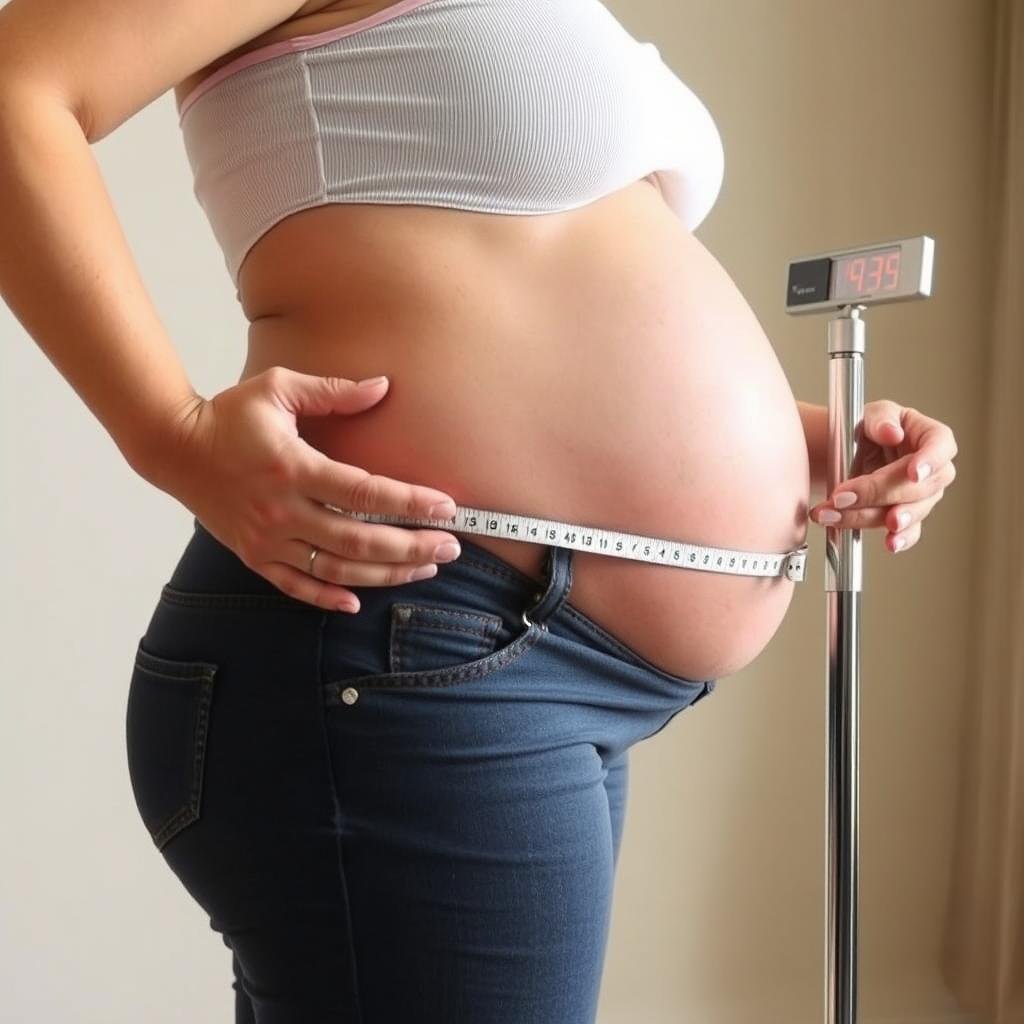
Typical gain: 8-10 pounds (3.6-4.5 kg)
Weight gain often continues at about 1 pound (0.5 kg) per week, though it may slow slightly near the end of pregnancy. Your baby gains most of their birth weight during this final trimester.
Keep in mind that these are averages, and your individual pattern may vary. Some women experience weight gain spurts followed by plateaus rather than steady increases.
Did you know? In the final weeks of pregnancy, some women experience a slight weight loss of 1-3 pounds. This is often normal and may indicate that labor is approaching as the body prepares for delivery.
How to Use a Pregnancy Weight Gain Calculator Effectively
Making the most of a pregnancy weight gain calculator requires accurate information and consistent tracking. Follow these steps to get reliable results:
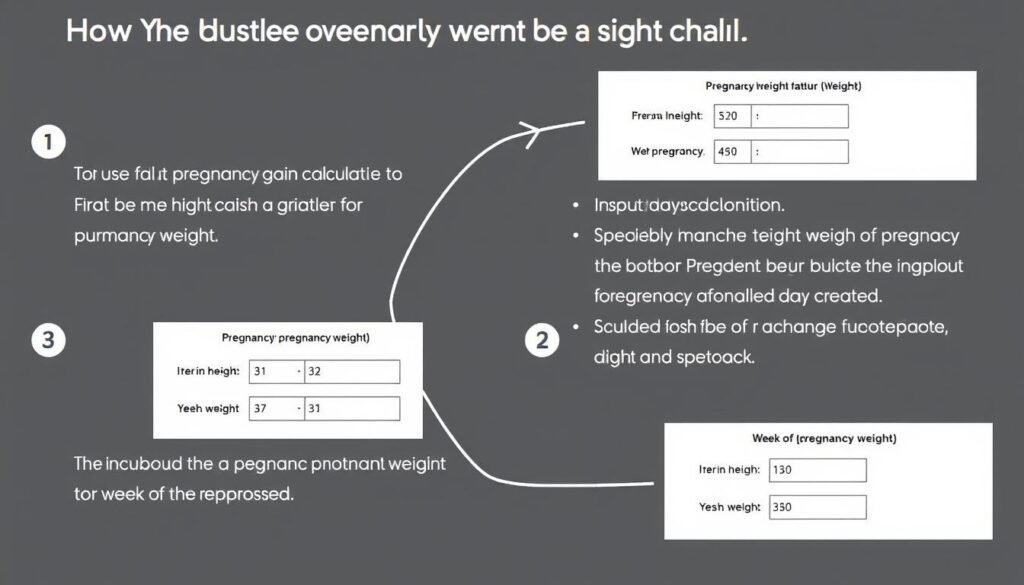
- Start with accurate measurements – Use your pre-pregnancy weight or your weight from your first prenatal appointment if you don’t know your pre-pregnancy weight. Measure your height without shoes.
- Calculate your pre-pregnancy BMI – Most calculators will do this automatically, but knowing your BMI category helps you understand your recommended weight gain range.
- Update your current weight regularly – Weigh yourself at the same time of day (preferably morning) wearing similar clothing for consistency.
- Enter your current week of pregnancy – Most calculators need to know how far along you are to provide accurate recommendations.
- Indicate if you’re carrying multiples – Twin or triplet pregnancies have different weight gain recommendations.
- Review your results – Look at both your total recommended weight gain and the suggested range for your current stage of pregnancy.
- Track changes over time – Many calculators allow you to save your progress or generate charts showing your weight gain trajectory.
For the most accurate guidance, share your calculator results with your healthcare provider, who can help interpret the information based on your specific health needs.
Need Personalized Guidance?
While calculators provide helpful guidelines, your healthcare provider can offer advice tailored to your unique pregnancy journey.
Factors Influencing Pregnancy Weight Gain
Multiple factors can affect how much weight you gain during pregnancy and at what rate. Understanding these influences can help you contextualize your personal experience.
Biological Factors
- Metabolism – Your natural metabolic rate affects how quickly you gain weight
- Genetics – Family patterns of weight gain during pregnancy may influence your experience
- Age – Younger women sometimes gain weight differently than older women
- Pre-pregnancy weight – Your starting point influences recommended gain
- Number of babies – Multiple pregnancies require more weight gain
- Morning sickness severity – Can impact early pregnancy weight gain
Lifestyle Factors
- Diet quality – Nutritional content of foods consumed
- Physical activity – Regular, appropriate exercise affects weight gain
- Stress levels – Can impact eating patterns and metabolism
- Sleep quality – Poor sleep may affect weight regulation
- Work environment – Sedentary vs. active jobs influence daily calorie burn
- Cultural food practices – May influence dietary choices

Balanced nutrition and appropriate physical activity help maintain healthy pregnancy weight gain
Remember that some factors are within your control, while others aren’t. Focus on the elements you can influence, like maintaining a nutritious diet and staying appropriately active, rather than comparing your weight gain to others.
Tips for Maintaining Healthy Pregnancy Weight Gain
Achieving healthy weight gain during pregnancy involves more than just monitoring numbers on a scale. These practical strategies can help you stay on track:

Nutrition Strategies
First Trimester
- Focus on nutrient-dense foods even if appetite is reduced
- Combat morning sickness with small, frequent meals
- Stay hydrated with water, herbal teas, and clear broths
- Choose foods rich in folate like leafy greens and fortified grains
Second Trimester
- Increase calories by approximately 300-350 per day
- Emphasize iron-rich foods like lean meats and beans
- Include calcium sources for developing baby’s bones
- Choose healthy fats from avocados, nuts, and olive oil
Third Trimester
- Add another 50-100 calories (450 total above pre-pregnancy)
- Eat smaller, more frequent meals if heartburn occurs
- Focus on fiber-rich foods to combat constipation
- Continue prioritizing protein for baby’s rapid growth
Physical Activity Guidelines
Regular, moderate exercise during pregnancy helps manage weight gain while providing numerous health benefits. Always consult your healthcare provider before starting or continuing any exercise program during pregnancy.
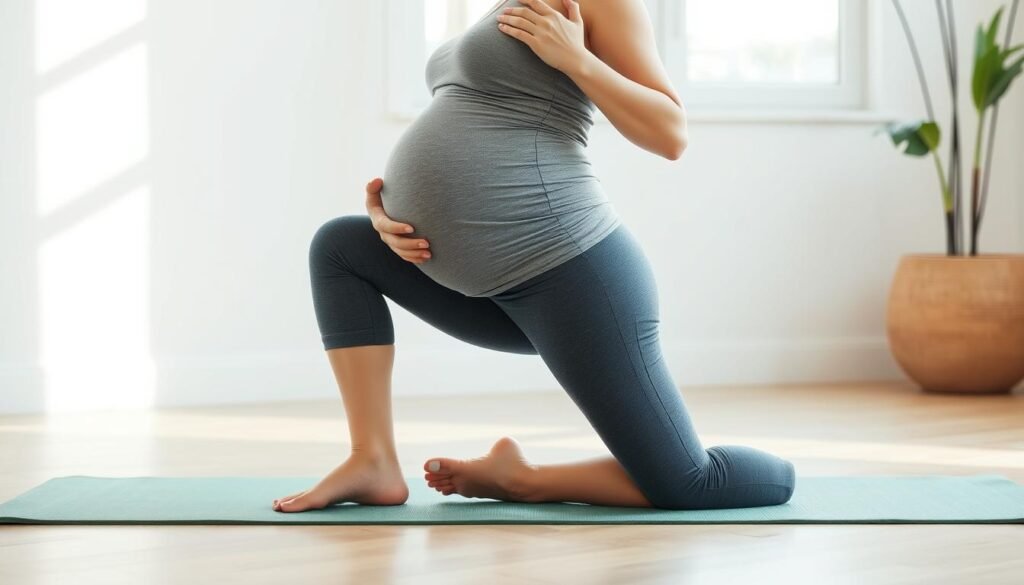
Prenatal yoga and other gentle exercises can help manage weight gain while improving strength and flexibility
- Aim for 150 minutes of moderate activity per week (about 30 minutes, 5 days a week)
- Choose low-impact activities like walking, swimming, or prenatal yoga
- Listen to your body and avoid exercising to the point of exhaustion
- Stay well-hydrated before, during, and after exercise
- Modify activities as your pregnancy progresses and your center of gravity shifts
“Pregnancy isn’t about eating for two in terms of quantity—it’s about eating for two in terms of quality. Focus on nutrient-dense foods that nourish both you and your growing baby.”
Common Questions About Pregnancy Weight Gain
Is it normal to lose weight during the first trimester?
Yes, it’s quite common to lose some weight during the first trimester due to morning sickness, food aversions, and decreased appetite. As long as the weight loss isn’t severe (more than 5-10% of your pre-pregnancy weight), most healthcare providers aren’t concerned. Weight gain typically picks up during the second trimester as nausea subsides.
What if I’m gaining weight too quickly?
If you notice you’re gaining weight more rapidly than recommended (more than 2 pounds per week in the second trimester or more than 1 pound per week in the third trimester), speak with your healthcare provider. They may suggest reviewing your diet, increasing gentle physical activity, or checking for conditions like gestational diabetes or preeclampsia that can cause rapid weight gain.
What if I’m not gaining enough weight?
Insufficient weight gain may indicate that your baby isn’t getting adequate nutrients for optimal growth. If you’re struggling to gain weight, your healthcare provider might recommend increasing your caloric intake with nutrient-dense foods, eating smaller meals more frequently, or addressing any underlying issues like hyperemesis gravidarum (severe morning sickness).
Should I diet during pregnancy if I was overweight before?
No, pregnancy is not the time to diet or try to lose weight, even if you were overweight before becoming pregnant. Instead, focus on eating nutritious foods and gaining weight within the recommended range for your pre-pregnancy BMI. Your healthcare provider can help you develop a healthy eating plan that supports your baby’s growth while minimizing excessive weight gain.
How quickly should I lose weight after delivery?
Postpartum weight loss varies widely among women. You’ll likely lose about 10-13 pounds immediately after delivery (baby, placenta, amniotic fluid). The remaining weight may take several months to lose. Gradual weight loss of about 1-2 pounds per week is considered healthy. Breastfeeding can help with weight loss, but be patient with your body as it recovers from pregnancy and birth.

Regular discussions with your healthcare provider can help address concerns about pregnancy weight gain
Monitoring Your Pregnancy Weight Journey
Tracking your pregnancy weight gain is an important aspect of prenatal care that helps ensure the best outcomes for both you and your baby. A pregnancy weight gain calculator provides valuable guidance, but remember that these tools offer general recommendations. Your individual journey may vary based on your unique health profile and pregnancy circumstances.
The most important thing is to maintain open communication with your healthcare provider, who can offer personalized advice based on your specific situation. Focus on nourishing your body with healthy foods, staying appropriately active, and enjoying this special time in your life.
Start Tracking Your Pregnancy Weight Today
Use a reliable pregnancy weight tracker to monitor your progress throughout your pregnancy journey.
Remember: The information in this article is for educational purposes only and should not replace professional medical advice. Always consult with your healthcare provider about your specific pregnancy needs and concerns.