Use our Pregnancy Conception Calculator to estimate your most fertile days and conception date. Plan pregnancy and track ovulation for better family planning.
Wondering exactly when you conceived your baby? A pregnancy conception calculator can help you pinpoint this special moment and understand your pregnancy timeline better. Whether you’re trying to conceive or already pregnant, knowing your conception date provides valuable insights into your fertility patterns and helps you track important pregnancy milestones.

What Is a Pregnancy Conception Calculator?
A pregnancy conception calculator is a tool that helps determine when conception likely occurred based on various inputs such as your last menstrual period (LMP), cycle length, or due date. Unlike a due date calculator that focuses on when your baby will arrive, a conception calculator works backward to estimate when fertilization happened.
These calculators use scientific understanding of the menstrual cycle and fertility windows to provide an estimated conception date. While not 100% precise, they offer a reasonable approximation that can help you understand your pregnancy timeline better.
Most conception calculators work by calculating the most likely ovulation date (typically 14 days before your next expected period in a 28-day cycle) and then identifying the fertile window around that time when conception was most likely to occur.
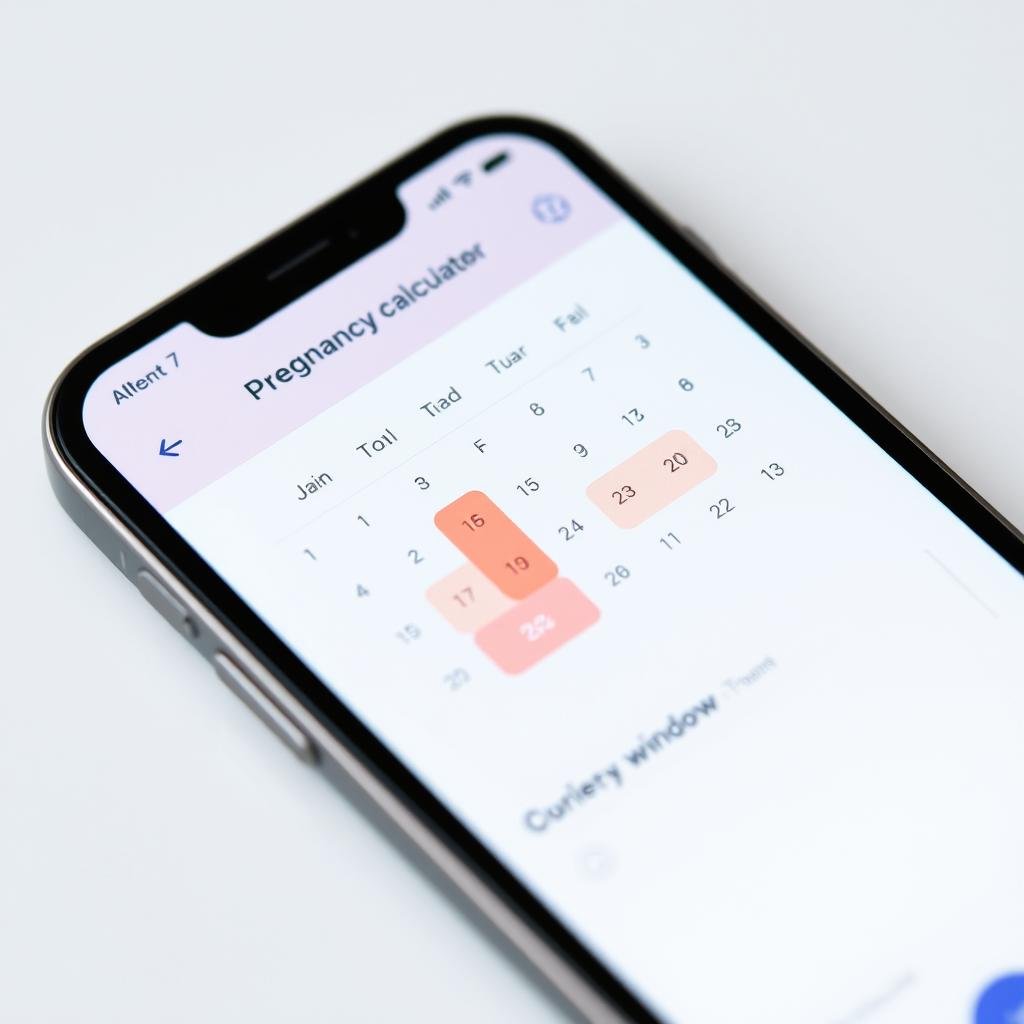
Ready to Find Your Conception Date?
Try our easy-to-use conception calculator to discover when your baby’s journey began.
Conception Date vs. Due Date: Understanding the Difference

Many people confuse conception calculators with due date calculators, but they serve different purposes:
| Feature | Conception Calculator | Due Date Calculator |
| Primary Purpose | Estimates when fertilization occurred | Predicts baby’s arrival date |
| Calculation Direction | Works backward from due date or LMP | Works forward from LMP or conception |
| Typical Formula | Due Date – 266 days | LMP + 280 days |
| Common Use | Understanding fertility patterns | Planning for baby’s arrival |
Understanding this difference is important when using these tools. Your conception date is typically about 2 weeks after your LMP, while your due date is approximately 40 weeks after your LMP (or 38 weeks after conception).
How to Use a Pregnancy Conception Calculator: Step-by-Step Guide
Using a conception calculator is straightforward once you understand the information needed. Here’s a simple guide to help you get accurate results:
- Gather your information: Know the first day of your last menstrual period (LMP) and your average cycle length.
- Enter your LMP date: Input the first day of your last period into the calculator.
- Specify your cycle length: The default is usually 28 days, but adjust if yours differs.
- Add any additional data: Some calculators allow you to input known ovulation dates or ultrasound information for greater accuracy.
- Review the results: The calculator will show your estimated conception date, typically 14 days after LMP in a 28-day cycle.
Sample Calculation Example
Let’s walk through a practical example:
- Last menstrual period (LMP): June 1, 2023
- Cycle length: 28 days
- Estimated ovulation: June 15, 2023 (LMP + 14 days)
- Fertile window: June 10-16, 2023
- Most likely conception date: June 15, 2023
- Estimated due date: February 26, 2024 (LMP + 280 days)
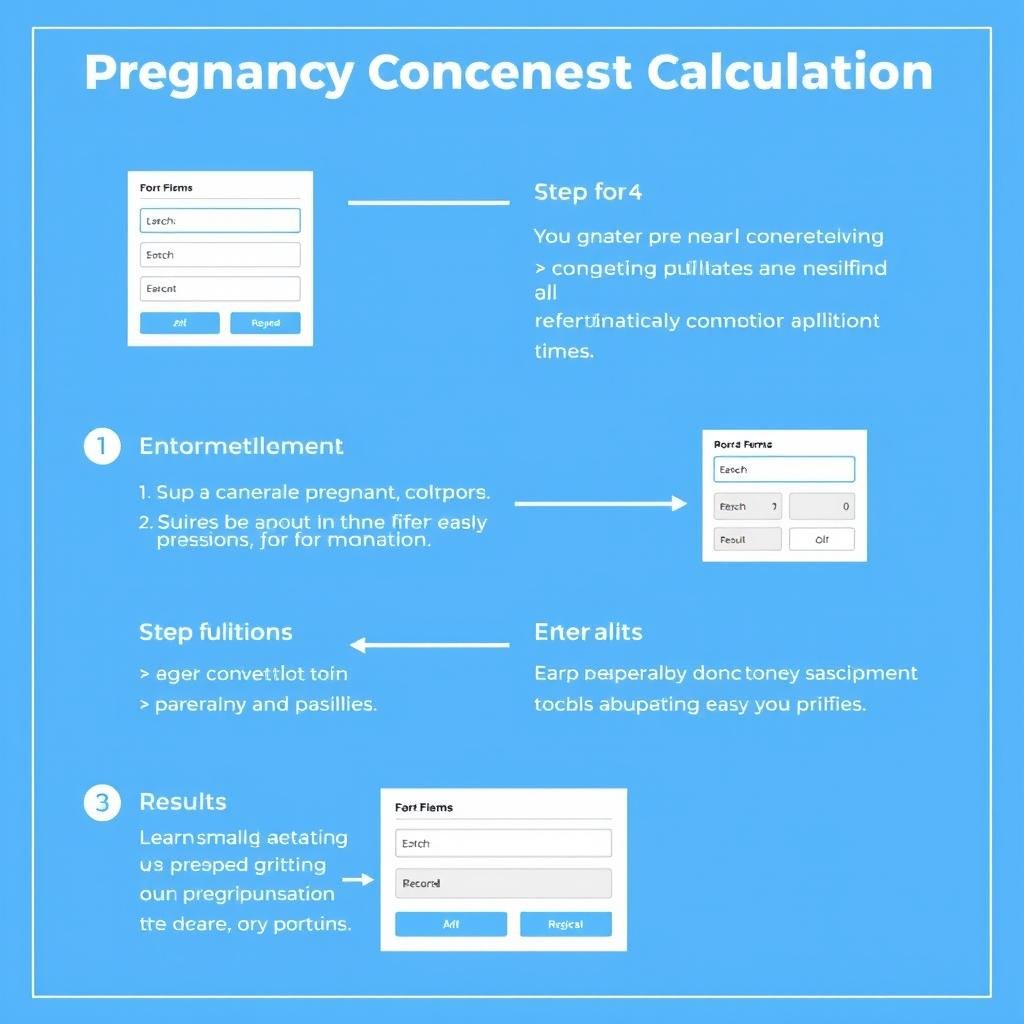
Calculate Your Dates Now
Use our accurate calculator to find your conception date and due date in seconds.
Factors Affecting Conception Date Accuracy
While conception calculators provide helpful estimates, several factors can affect their accuracy. Understanding these variables helps you interpret results more effectively:

Irregular Cycles
If your menstrual cycles vary significantly from the standard 28 days, calculations based on LMP may be less accurate. Cycles ranging from 21-35 days can shift ovulation timing considerably.
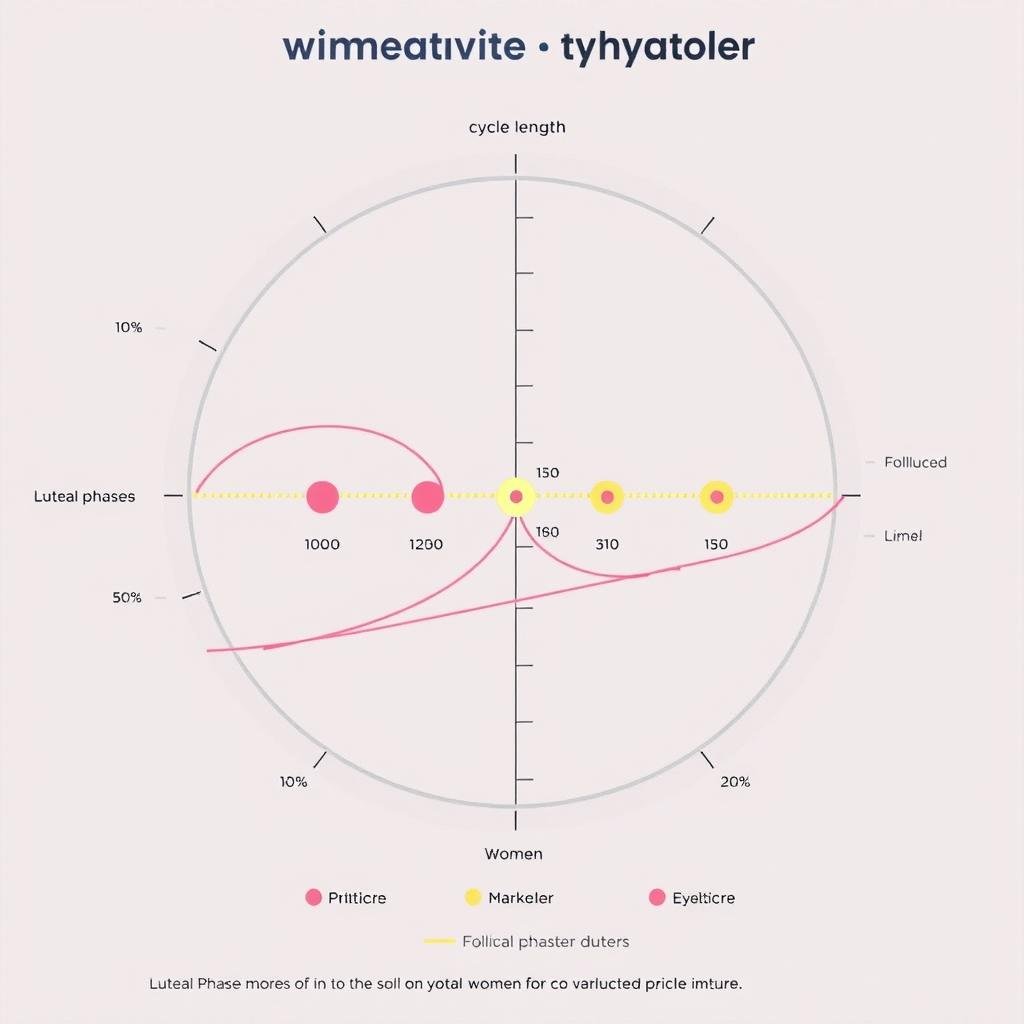
Ovulation Variations
Not everyone ovulates on day 14. Stress, illness, travel, or hormonal fluctuations can delay or advance ovulation, affecting when conception could occur.
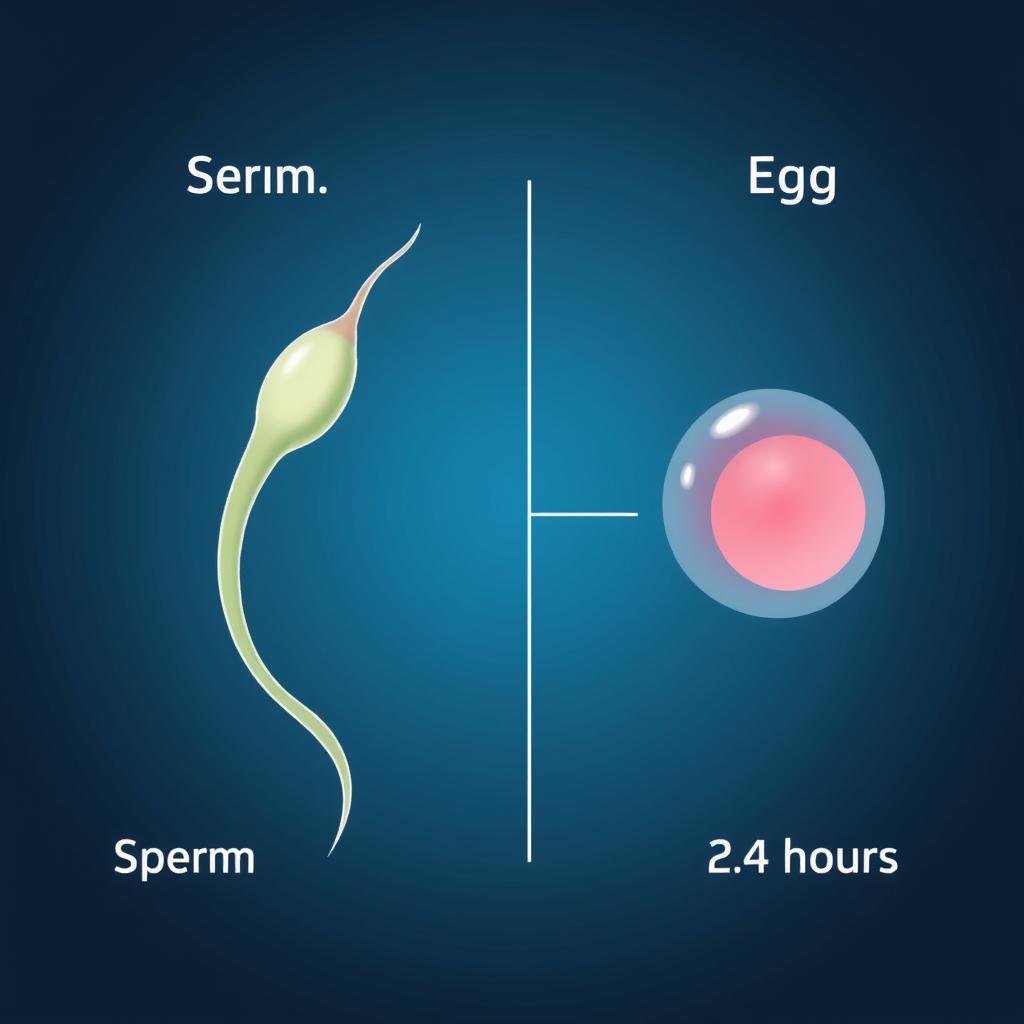
Sperm Viability
Sperm can survive in the female reproductive tract for up to 5 days, meaning conception might occur several days after intercourse, making exact dating challenging.
Important Note: Conception calculators provide estimates based on averages. For the most accurate dating, consult with your healthcare provider, especially if you have irregular cycles or other factors that might affect conception timing.
The Science Behind Conception Dating
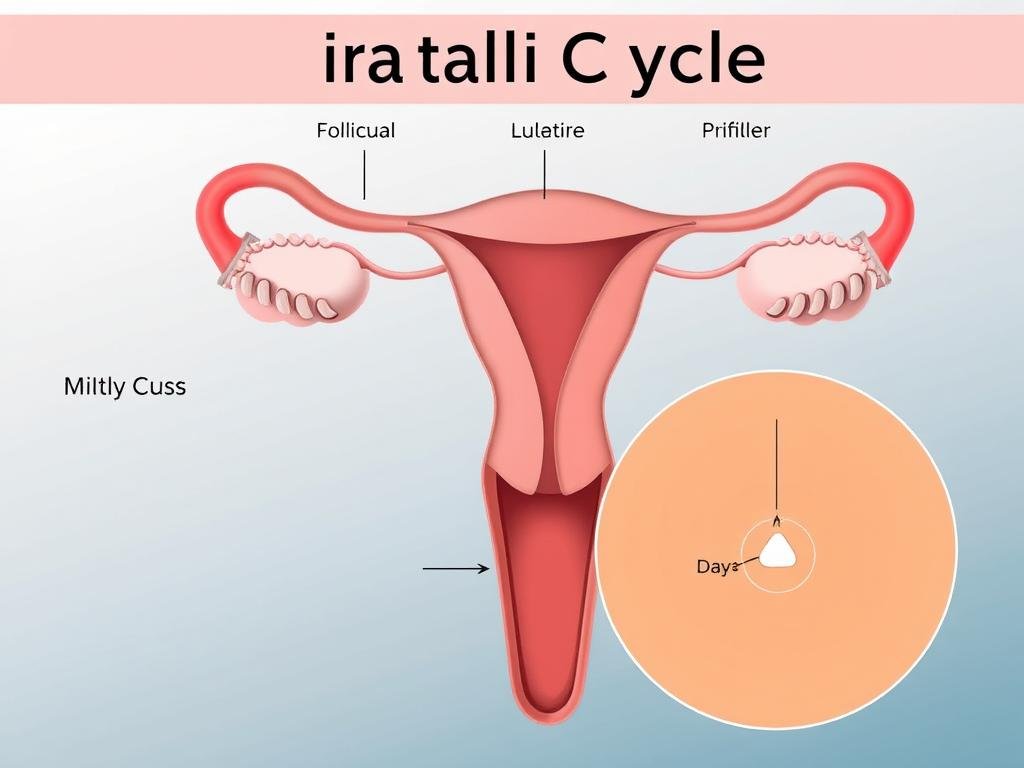
Understanding the biological processes behind conception helps explain how these calculators work. The typical menstrual cycle consists of several phases that influence when conception is possible:
The Fertile Window
The “fertile window” typically spans about 6 days—the 5 days before ovulation plus the day of ovulation itself. This is when pregnancy is possible if intercourse occurs. Conception calculators identify this window based on your cycle information.
Ovulation Timing
In a 28-day cycle, ovulation typically occurs around day 14. However, this can vary widely among women and even between cycles for the same woman. Calculators use this average as a starting point but may adjust based on your specific cycle length.
Fertilization Process
Once ovulation occurs, the egg remains viable for about 24 hours. If sperm is present during this time, fertilization may occur. Since sperm can survive for up to 5 days in the female reproductive tract, conception could happen several days after intercourse.
Did You Know?
The exact moment of conception cannot be determined with absolute precision. Even with perfect tracking, conception calculators can only provide an estimated date within a window of several days.
Benefits of Using a Pregnancy Conception Calculator
Pregnancy conception calculators offer several advantages for family planning and pregnancy tracking:
Benefits
- Helps with understanding your fertility patterns
- Provides context for pregnancy symptoms and development
- Assists in planning for prenatal appointments and tests
- Offers emotional connection by identifying when conception occurred
- Helps with future family planning by tracking successful conception timing
- Can provide insights for those trying to conceive
- Complements information from healthcare providers
Limitations
- Cannot provide 100% accurate conception dates
- Less reliable for women with irregular cycles
- Doesn’t account for all biological variations
- Should not replace medical advice
- May create unnecessary stress if results seem unexpected
- Doesn’t consider health factors that may affect conception

Track Your Pregnancy Journey
Use our conception calculator alongside our pregnancy timeline tools for complete pregnancy tracking.
Common Misconceptions About Conception Dating
There are several myths and misunderstandings about conception dating that can lead to confusion:
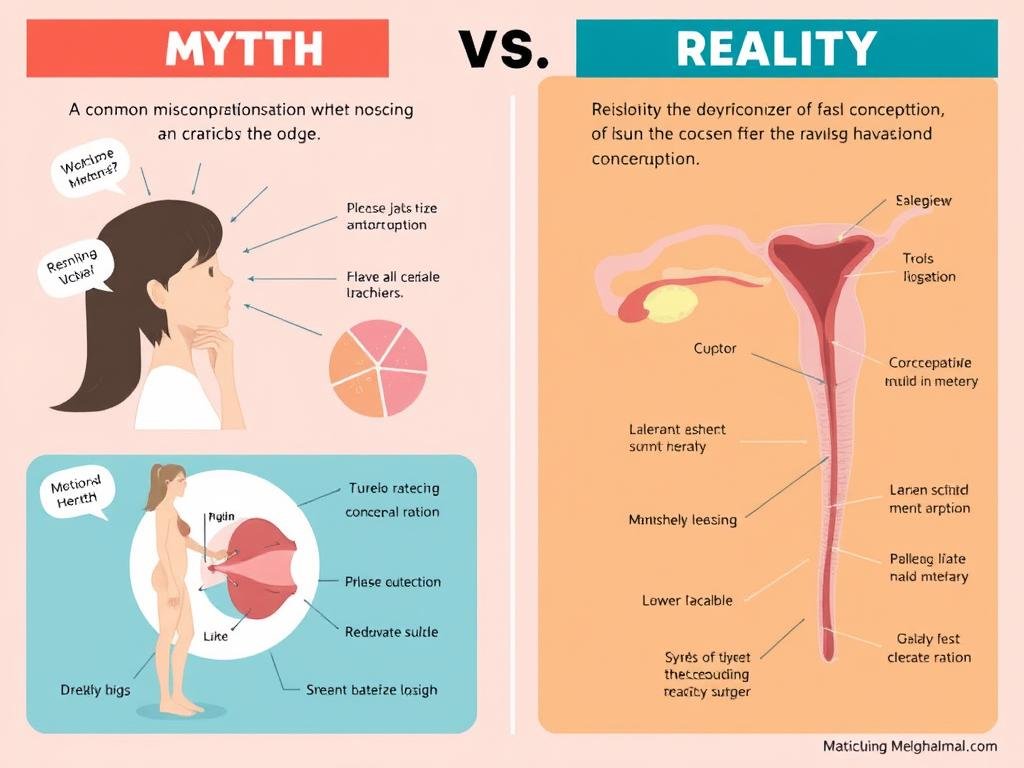
Myth: Conception occurs on the day of intercourse
Reality: Conception typically occurs during ovulation, which may be days after intercourse. Sperm can survive up to 5 days in the female reproductive tract, waiting for an egg to be released.
Myth: Pregnancy weeks are counted from conception
Reality: Pregnancy is typically dated from the first day of your last menstrual period (LMP), not from conception. This means you’re considered “pregnant” for about two weeks before conception actually occurs.
Myth: Online calculators are as accurate as ultrasounds
Reality: While online calculators provide helpful estimates, early ultrasounds (especially between 8-12 weeks) provide more accurate dating of pregnancy.
Important: Conception calculators provide estimates based on averages and assumptions. Individual variations in cycle length, ovulation timing, and other factors can affect actual conception dates.
When to Consult Healthcare Professionals
While conception calculators are helpful tools, there are times when professional medical advice is necessary for accurate pregnancy dating:
Seek Medical Dating When:
- You have very irregular menstrual cycles
- You’re unsure of your last menstrual period date
- You’ve recently stopped hormonal birth control
- You’re experiencing unusual pregnancy symptoms
- You have a history of pregnancy complications
- You’re planning important events around your due date
- You need precise dating for medical decisions

Healthcare providers use several methods to date pregnancies more accurately than online calculators:
- Early ultrasound (most accurate between 8-12 weeks)
- Physical examination to measure uterine size
- hCG blood levels for very early pregnancy
- Fundal height measurements later in pregnancy
“While conception calculators provide helpful estimates, they should complement, not replace, medical advice. Your healthcare provider can offer the most accurate dating based on your specific situation.”
Tips for Tracking Ovulation and Conception Naturally
If you’re trying to conceive or want to better understand your fertility patterns, these natural tracking methods can complement conception calculators:

Basal Body Temperature (BBT)
Track your temperature each morning before getting out of bed. A slight rise (0.4-1.0°F) indicates ovulation has occurred. Record daily readings on a chart to identify patterns over time.
Cervical Mucus Monitoring
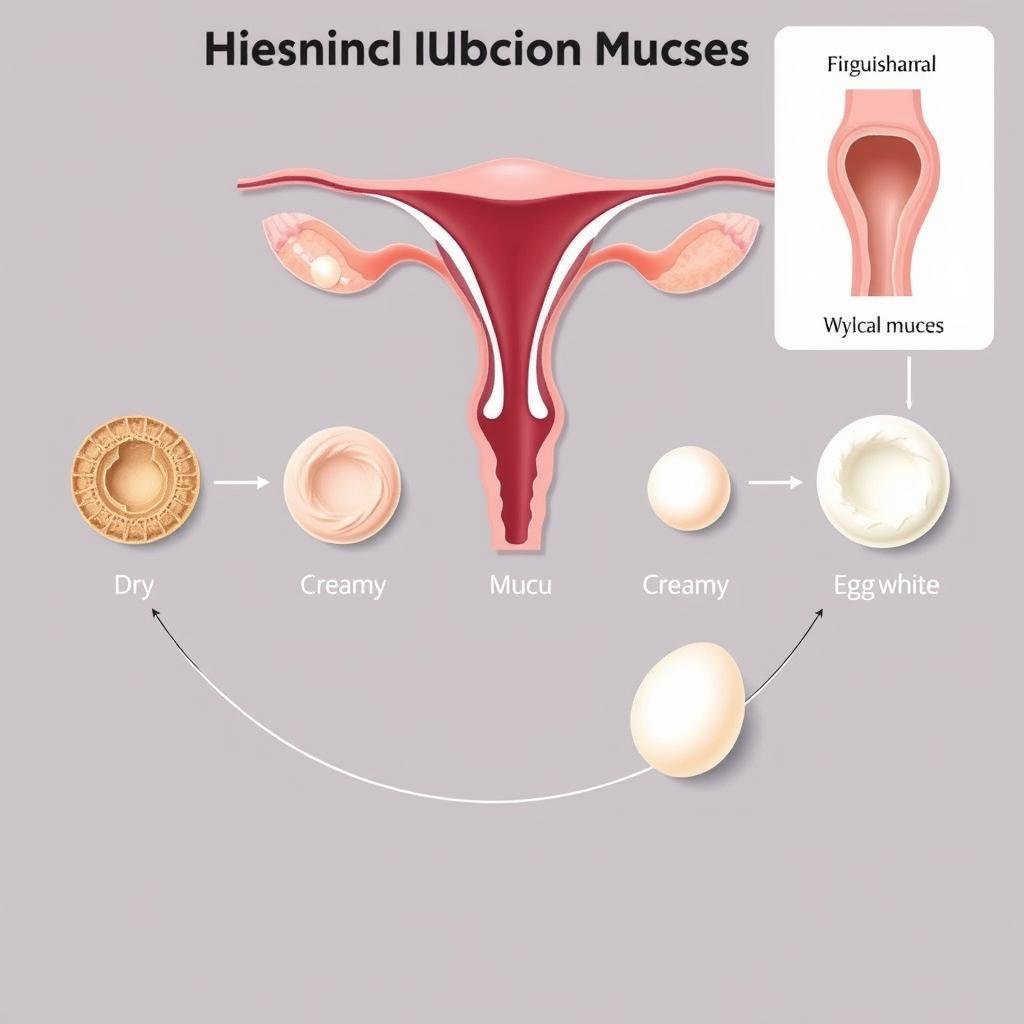
Observe changes in vaginal discharge throughout your cycle. Fertile mucus resembles egg whites—clear, slippery, and stretchy—indicating your fertile window is open.

Ovulation Prediction Kits
These home tests detect luteinizing hormone (LH) surges that occur 24-36 hours before ovulation. Use them according to package instructions during your expected fertile window.
Fertility Awareness Method (FAM)
Combine multiple tracking methods (BBT, cervical mucus, calendar) for a more comprehensive understanding of your fertility patterns. This approach, known as the Fertility Awareness Method, can help identify your most fertile days with greater accuracy.
Sample Tracking Chart
| Cycle Day | BBT | Cervical Mucus | Other Signs | Fertility Status |
| 8 | 97.3°F | Creamy | None | Low |
| 12 | 97.4°F | Egg white | Mild cramping | High |
| 14 | 97.3°F | Egg white | Positive OPK | Peak |
| 15 | 97.8°F | Sticky | None | Possible ovulation |
| 16 | 98.0°F | Dry | None | Low |
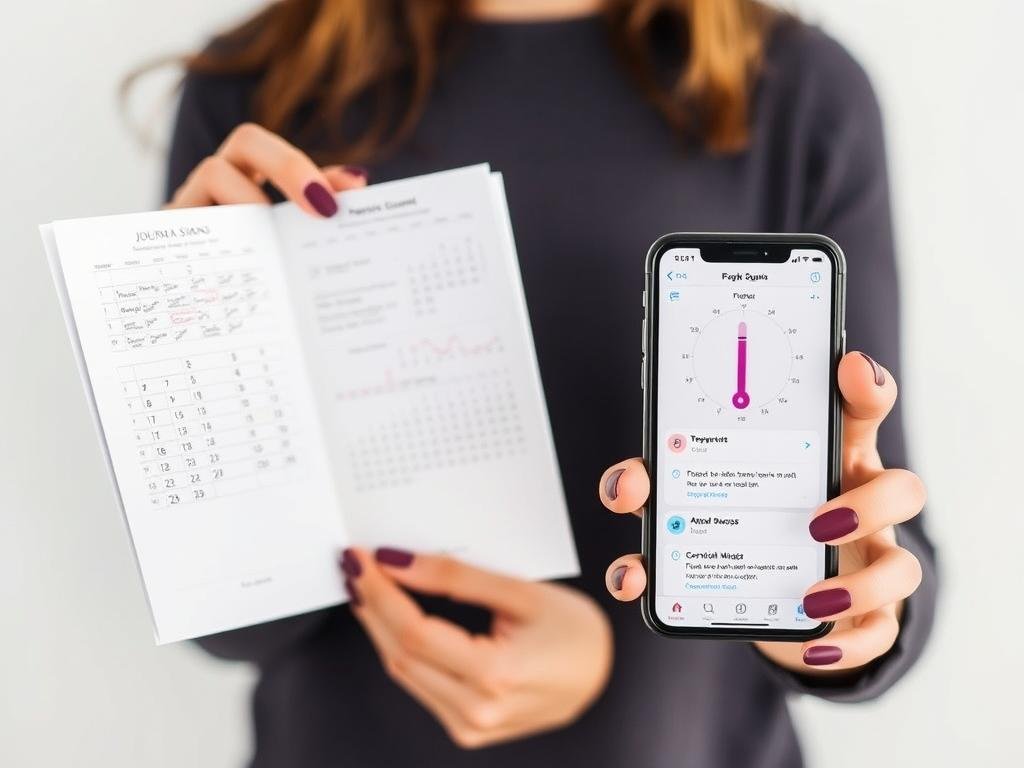
Tracking Apps
Many smartphone apps can help you track fertility signs and predict your fertile window. Look for apps that allow tracking of multiple fertility indicators for the most accurate predictions.
Start Tracking Your Fertility
Use our comprehensive ovulation tracker alongside our conception calculator for complete fertility awareness.
Understanding Your Conception Journey
Pregnancy conception calculators provide valuable insights into your fertility and pregnancy timeline. While they can’t offer 100% accuracy, they serve as helpful tools for understanding when conception likely occurred and planning your pregnancy journey.
Remember that every woman’s body is unique, and variations in cycle length, ovulation timing, and other factors can affect conception dates. For the most accurate pregnancy dating, combine calculator estimates with natural tracking methods and professional medical guidance.
Whether you’re trying to conceive, already pregnant, or simply curious about fertility patterns, conception calculators can help you connect with your body’s natural rhythms and better understand the miraculous process of creating new life.
Begin Your Pregnancy Journey
Use our suite of pregnancy tools to track conception, due dates, and important milestones.