Use our Ovulation Calculator to predict your fertile window and ovulation dates. Plan pregnancy or track cycles for better reproductive health management.
Understanding your ovulation cycle is key to planning for pregnancy. Our ovulation calculator helps you identify your most fertile window, increasing your chances of conception. By tracking when you ovulate, you can time intercourse more effectively and take control of your fertility journey.
Ovulation Calculator Tool
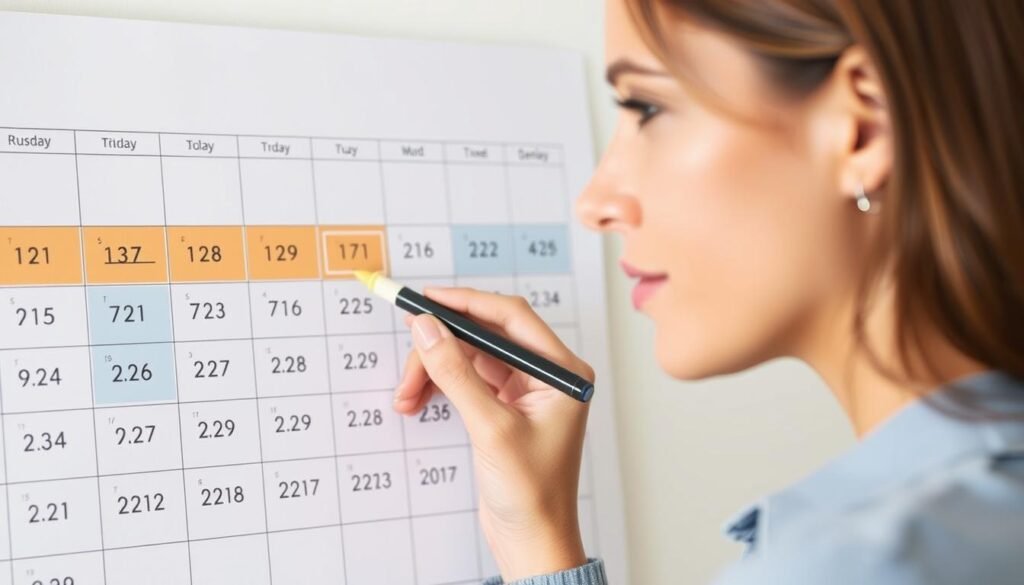
Use our ovulation calculator to predict your most fertile days. Simply enter the first day of your last period and your average cycle length to identify when you’re likely to ovulate and when your fertile window occurs.
Calculate Your Fertile Window
Find out when you’re most likely to conceive by entering your menstrual cycle information below.
Key Takeaways About Fertility
- Your fertile window includes the day you ovulate and the five days before it
- The three days leading up to and including ovulation day are your most fertile
- Sperm can survive up to 5 days in a woman’s reproductive tract
- An egg lives for only about 24 hours after ovulation
- Having sex during your fertile window significantly increases your chances of conception
What Is an Ovulation Calculator?
An ovulation calculator is a tool that helps predict when you’re most likely to ovulate based on the length of your menstrual cycle. It works by counting backward from the expected start date of your next period to estimate your ovulation date, which typically occurs about 14 days before your next period begins.
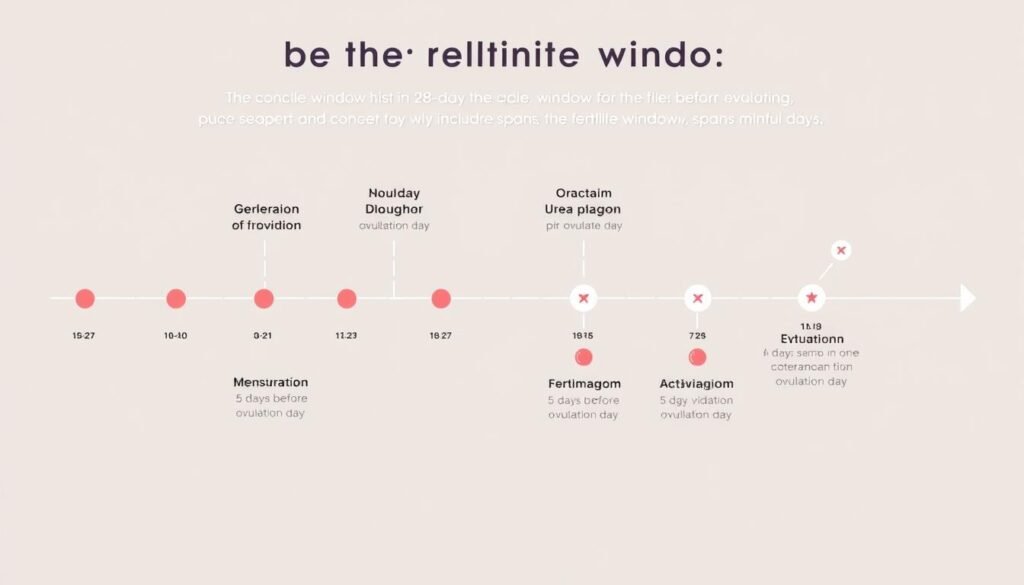
Understanding this timing is crucial because your fertile window—the days when pregnancy is possible—includes the day of ovulation and the five days leading up to it. However, the three days right before ovulation offer the highest chances of conception.
How Ovulation Calculators Work
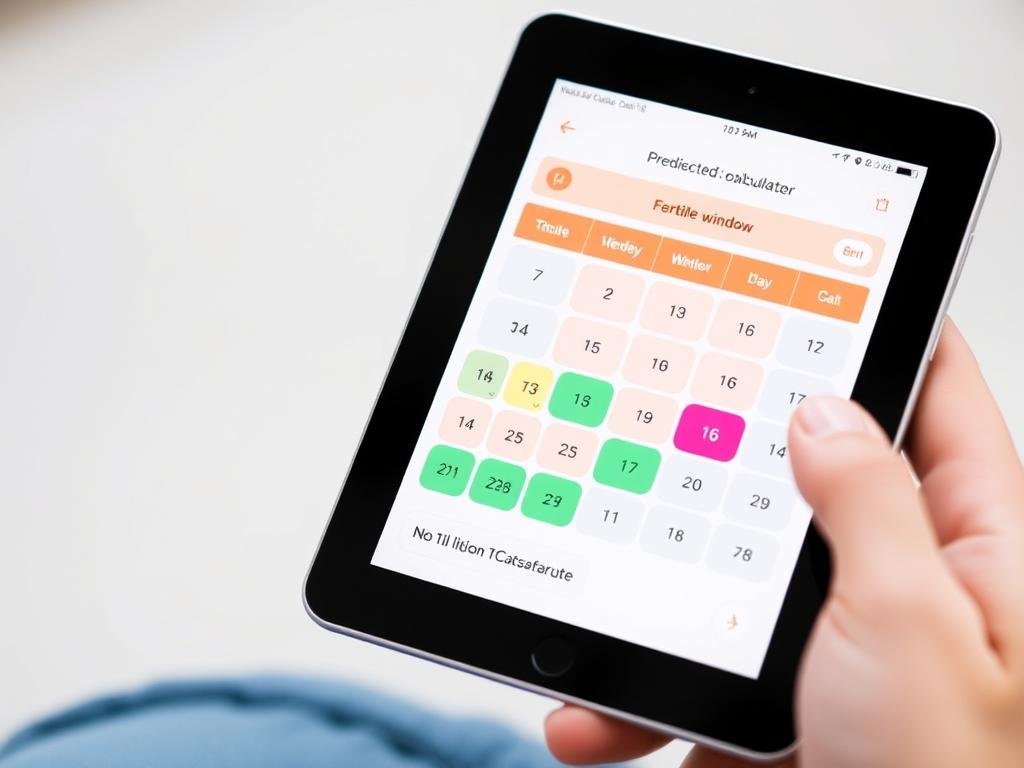
Ovulation calculators use a simple formula based on your menstrual cycle data:
- They start with the first day of your last period
- Add your average cycle length to determine when your next period should start
- Count back 14 days from your expected next period to estimate ovulation
- Identify your fertile window (ovulation day plus the five preceding days)
While this method provides a good estimate, it’s most accurate for women with regular cycles. If your cycles vary significantly in length, you may want to combine the calculator with other ovulation tracking methods for better precision.
Why Tracking Ovulation Is Important

For Conception
Knowing your fertile window dramatically increases your chances of getting pregnant. Studies show that conception is most likely to occur during the three days leading up to and including ovulation day.
For Family Planning
Understanding your cycle helps with both achieving and avoiding pregnancy naturally. This knowledge gives you more control over your reproductive health decisions.
For Health Monitoring
Regular tracking helps you notice cycle irregularities that might indicate hormonal imbalances or other health conditions that should be discussed with your doctor.
“Timing intercourse around ovulation can increase your chances of conception from about 10% when having sex five days before ovulation to around 30% when having sex on the day of ovulation or the two days prior.”
Different Methods of Tracking Ovulation
While the calendar method used by our calculator provides a good starting point, combining multiple tracking methods can significantly improve accuracy. Here are the most effective ways to track your ovulation:

Calendar Method
The calendar method involves tracking your menstrual cycles over several months to identify patterns. By recording the first day of each period, you can calculate your average cycle length and estimate when ovulation occurs (typically 14 days before your next period starts).
For example, if your cycle is 28 days long, you’ll likely ovulate around day 14. If your cycle is 32 days, ovulation probably happens around day 18.
How to calculate: If your last period started on May 1st and your cycle is 28 days, your next period would start around May 29th. Counting back 14 days gives May 15th as your estimated ovulation date. Your fertile window would be May 10th-15th.
Basal Body Temperature (BBT) Method
Your basal body temperature is your body’s temperature at complete rest. After ovulation, progesterone causes a slight increase in BBT (typically 0.2°F to 0.5°F). By taking your temperature every morning before getting out of bed and recording it, you can identify this pattern.
- Use a special basal thermometer that measures tiny temperature changes
- Take your temperature at the same time each morning before any activity
- Record temperatures on a chart or app to identify patterns
- Look for a sustained temperature rise that indicates ovulation has occurred
While BBT confirms that ovulation has happened (rather than predicting it), tracking over several months helps you identify patterns for future cycle predictions.

Cervical Mucus Monitoring
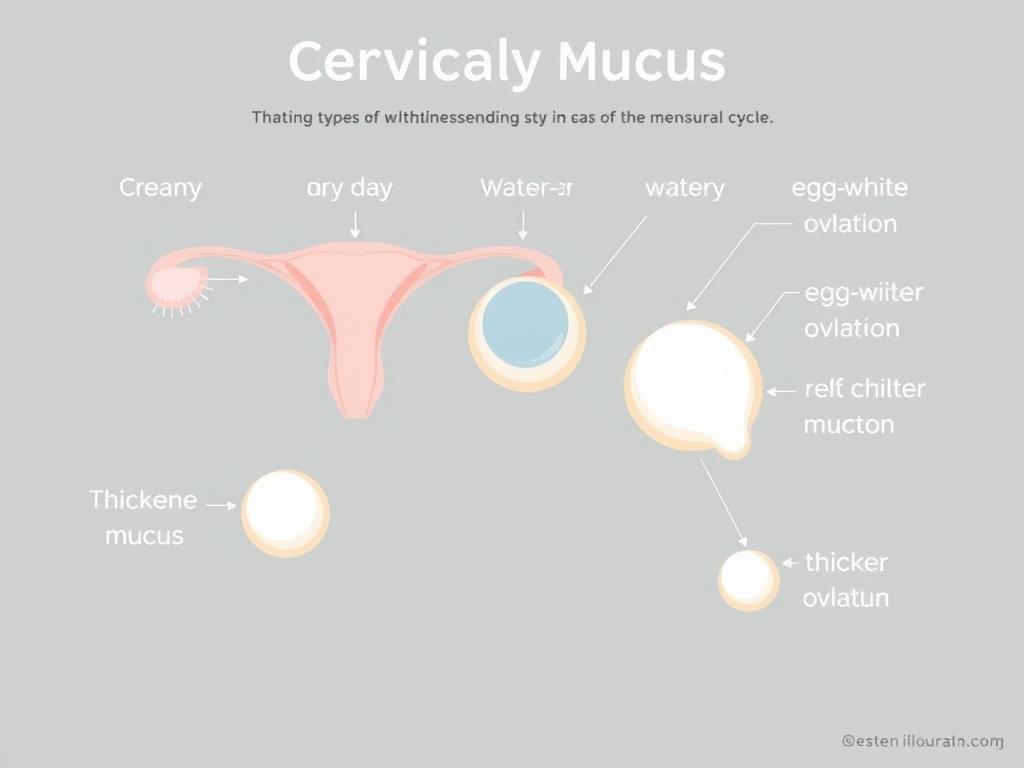
Cervical mucus changes throughout your cycle due to hormonal fluctuations. Around ovulation, mucus becomes clear, slippery, and stretchy (similar to egg whites), which helps sperm travel to the egg.
To track cervical mucus:
- Check your mucus daily, ideally in the afternoon
- Note its color, consistency, and amount
- Look for the egg white consistency that indicates high fertility
- Record changes alongside other tracking methods
When you notice this egg-white cervical mucus, you’re likely in your most fertile days and ovulation is approaching.
Ovulation Predictor Kits (OPKs)
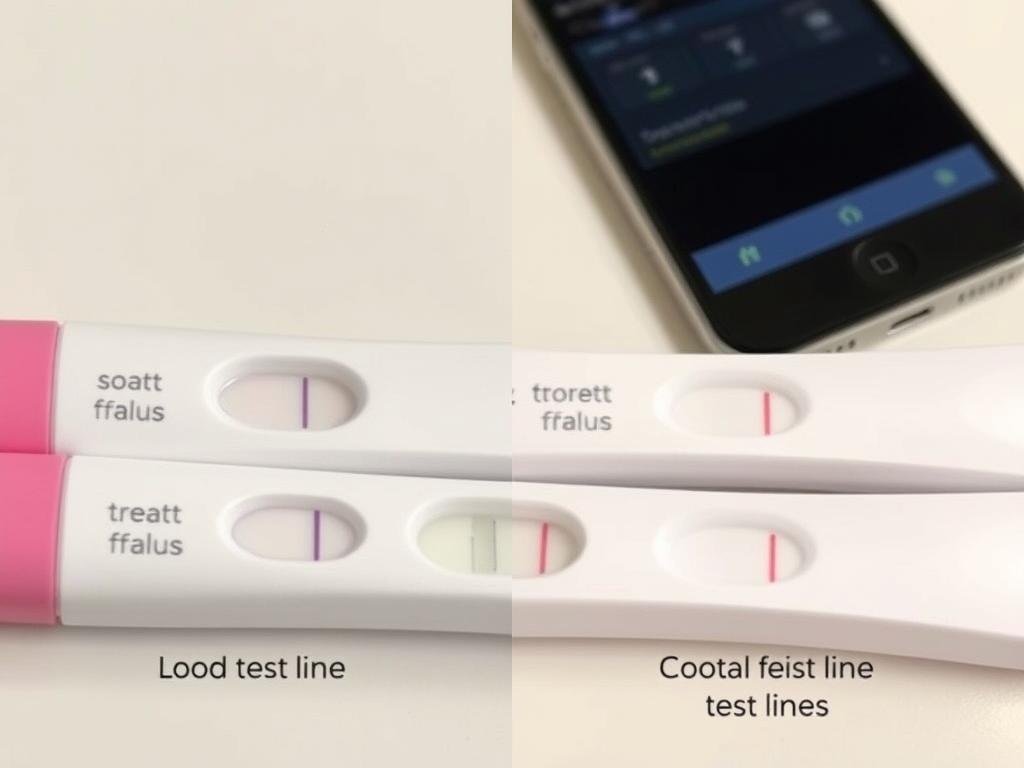
Ovulation predictor kits detect the surge in luteinizing hormone (LH) that occurs 24-36 hours before ovulation. These urine-based tests are similar to pregnancy tests but measure different hormones.
To use OPKs effectively:
- Begin testing a few days before your expected ovulation
- Test at the same time each day (afternoon is often recommended)
- A positive result indicates ovulation will likely occur within 24-36 hours
- Continue testing until you get a positive result
OPKs are among the most accurate at-home methods for predicting ovulation, with accuracy rates of 80-90% when used correctly.
How to Use Online Ovulation Calculators Effectively

Track Multiple Cycles
For greater accuracy, input data from at least three menstrual cycles. This helps the calculator identify patterns and account for natural variations in your cycle length.
Combine Methods
Use the calculator alongside other tracking methods like basal body temperature, cervical mucus monitoring, or ovulation predictor kits for more precise results.
Update Regularly
Continue updating your cycle information each month, as cycle lengths can change due to stress, illness, travel, or other factors.
Sample Calculation Examples
| Cycle Length | First Day of Last Period | Estimated Ovulation Date | Fertile Window |
| 28 days (average) | June 1 | June 14 | June 9-14 |
| 24 days (shorter) | June 1 | June 10 | June 5-10 |
| 32 days (longer) | June 1 | June 18 | June 13-18 |
| 35 days (longest normal) | June 1 | June 21 | June 16-21 |
Important: If your cycles are irregular (varying by more than 7-9 days), an ovulation calculator may be less accurate for you. Consider using multiple tracking methods and consulting with a healthcare provider for personalized guidance.
Factors That Can Affect Ovulation Timing
Various factors can influence when you ovulate, making it important to understand what might affect your cycle’s regularity:

Lifestyle Factors
- Stress: High stress levels can delay ovulation or cause anovulation (cycles without ovulation)
- Exercise: Excessive exercise may disrupt hormone production and affect ovulation
- Weight changes: Significant weight loss or gain can impact hormonal balance
- Sleep patterns: Poor sleep or shift work can disrupt hormonal rhythms
- Travel: Crossing time zones may temporarily affect your cycle
Health Conditions
- Polycystic Ovary Syndrome (PCOS): Can cause irregular ovulation or anovulation
- Thyroid disorders: Both hypothyroidism and hyperthyroidism can affect cycle regularity
- Endometriosis: May impact fertility despite regular ovulation
- Pelvic Inflammatory Disease: Can affect reproductive organs and ovulation
- Premature Ovarian Insufficiency: Causes decreased ovarian function before age 40

Medications and Substances
Hormonal Contraceptives
After stopping hormonal birth control, it may take several months for your natural cycle to regulate. Some women ovulate immediately, while others experience a delay.
Medications
Certain medications, including some antidepressants, anti-inflammatories, and blood pressure medications, may affect ovulation timing.
Substances
Smoking, alcohol, and caffeine consumption can all potentially impact hormonal balance and affect cycle regularity.

Common Misconceptions About Ovulation
Facts
- Ovulation typically occurs once per menstrual cycle
- The fertile window spans 6 days (5 days before ovulation plus ovulation day)
- Cycle length varies among women and can change throughout life
- Some women can feel ovulation (called “mittelschmerz”)
- Stress and lifestyle factors can affect ovulation timing
Myths
- All women ovulate on day 14 of their cycle
- Women can only get pregnant on the day they ovulate
- Ovulation always causes noticeable symptoms
- Regular periods guarantee ovulation is occurring
- You can’t get pregnant during your period
Addressing Common Ovulation Myths
Myth: All women ovulate on day 14 of their cycle
While day 14 is often cited as the typical ovulation day, this only applies to women with exactly 28-day cycles. In reality, ovulation occurs approximately 14 days before the start of your next period, regardless of cycle length. For a woman with a 32-day cycle, ovulation likely happens around day 18, while someone with a 24-day cycle might ovulate around day 10.
Myth: Women can only get pregnant on the day they ovulate
While the egg only lives for about 24 hours after ovulation, sperm can survive in the female reproductive tract for up to 5 days. This creates a 6-day fertile window when pregnancy is possible. Having sex any time during this window can result in pregnancy, with the highest chances on the day of ovulation and the two days before.
Myth: Regular periods guarantee ovulation is occurring
It’s possible to have regular periods without ovulating (called anovulatory cycles). Some women, particularly those with conditions like PCOS, may experience regular bleeding that appears to be a normal period but isn’t preceded by ovulation. If you’re trying to conceive and not succeeding despite regular periods, it’s worth discussing with your healthcare provider.
Tips for Maximizing Ovulation Calculator Accuracy

Track Multiple Cycles
Record data from at least 3-6 menstrual cycles to establish your personal pattern. The more cycles you track, the more accurate your predictions will become.
Use Multiple Methods
Combine the calendar method with BBT tracking, cervical mucus monitoring, and/or ovulation predictor kits for the most comprehensive picture of your fertility.
Be Consistent
Take measurements at the same time each day (especially for BBT) and record your observations immediately to avoid forgetting details.
Creating Your Personal Fertility Chart
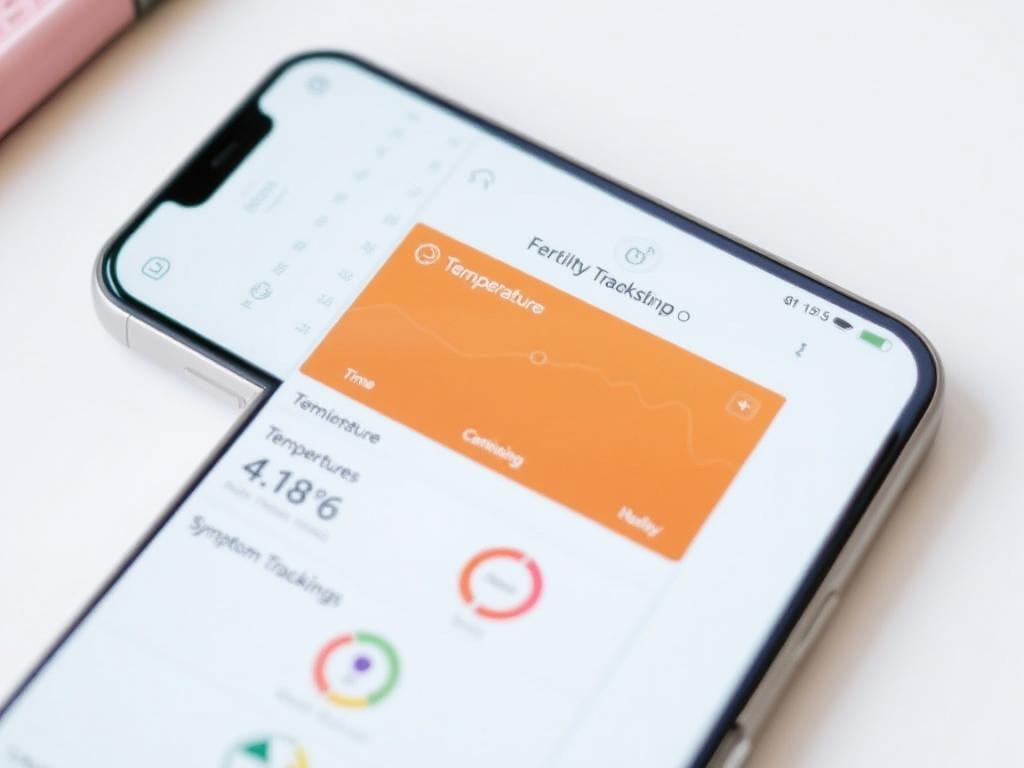
A comprehensive fertility chart should track multiple indicators throughout your cycle:
- Record the first day of your period as Day 1
- Track your basal body temperature each morning before getting out of bed
- Note cervical mucus changes throughout the day
- Record ovulation test results when used
- Document any symptoms you experience (cramps, breast tenderness, etc.)
- Track days when you have intercourse
- Note any factors that might affect your cycle (stress, illness, travel)
Pro Tip: Many fertility tracking apps allow you to record all these indicators in one place and will analyze your data to provide increasingly accurate predictions over time.
When to Consult a Healthcare Provider
While tracking ovulation at home is valuable, certain situations warrant professional guidance:
- You’ve been trying to conceive for 12 months or more without success (6 months if you’re over 35)
- Your cycles are consistently shorter than 21 days or longer than 35 days
- Your cycle length varies significantly from month to month (by more than 7-9 days)
- You experience very heavy, painful, or irregular periods
- You have a known condition that might affect fertility (PCOS, endometriosis, etc.)
- You’ve had multiple miscarriages
- You’ve stopped hormonal birth control and your periods haven’t returned after 3 months

Get Personalized Fertility Guidance
While ovulation calculators are helpful tools, every woman’s body is unique. A reproductive health specialist can provide personalized guidance based on your specific situation and help address any fertility concerns.
Taking Control of Your Fertility Journey
Understanding your ovulation cycle is a powerful step toward taking control of your fertility journey. Whether you’re trying to conceive or simply want to better understand your body, tracking ovulation provides valuable insights into your reproductive health.
Remember that while ovulation calculators offer helpful estimates, combining multiple tracking methods provides the most accurate picture of your fertile window. Be patient with the process—it may take several cycles to identify your personal patterns.
Most importantly, don’t hesitate to seek professional guidance if you have concerns about your fertility or struggle to identify clear ovulation patterns. Your healthcare provider can offer personalized advice and, if needed, additional testing to support your reproductive health goals.

Start Tracking Your Fertility Today
Use our ovulation calculator regularly to identify your most fertile days and increase your chances of conception. Combine it with other tracking methods for the most accurate results.