Use our Carbohydrate Calculator to estimate daily carb needs based on weight, activity, and goals. Plan meals, manage diet, and maintain energy levels effectively.
Carbohydrates are your body’s primary energy source, fueling everything from intense workouts to basic brain function. But figuring out exactly how many carbs you need can be confusing. That’s where a carbohydrate calculator comes in – it helps determine your ideal carb intake based on your unique body, lifestyle, and goals. Whether you’re looking to lose weight, build muscle, or manage a health condition like diabetes, understanding your carbohydrate needs is essential for success.
This comprehensive guide will walk you through everything you need to know about carbohydrate calculators – what they are, how they work, and how to use them effectively to optimize your nutrition plan.

Carbohydrate calculators help determine your ideal carb intake based on your personal factors
What Is a Carbohydrate Calculator?
A carbohydrate calculator is a tool that estimates how many grams of carbohydrates you should consume daily based on several factors, including your age, sex, height, weight, activity level, and specific goals. Unlike generic dietary recommendations, a good carb calculator provides personalized guidance tailored to your individual needs.
These calculators work by first determining your basal metabolic rate (BMR) – the number of calories your body needs at rest – and then factoring in your activity level to find your total daily energy expenditure. From there, they allocate a percentage of your total calories to carbohydrates based on your specific goals.
Ready to Calculate Your Carb Needs?
Use our free online calculator to determine your ideal carbohydrate intake in just seconds.
Different Types of Carbohydrate Calculators
Not all carbohydrate calculators are created equal. Different calculators serve different purposes, and choosing the right one depends on your specific health and fitness goals.

Weight Loss Calculators
These calculators typically recommend lower carbohydrate levels, often between 20-40% of your total daily calories. They focus on creating a caloric deficit while ensuring you have enough energy for basic functions and exercise.
Weight loss calculators may also factor in the timing of carb intake, suggesting fewer carbs in the evening or around periods of lower activity.
Diabetes Management Calculators
These specialized calculators help people with diabetes track and manage their carbohydrate intake to maintain stable blood sugar levels. They often include features for insulin-to-carb ratios and may provide meal-specific recommendations.
Diabetes carb calculators focus on consistency throughout the day and may include glycemic index considerations.
Athletic Performance Calculators
Designed for athletes and active individuals, these calculators typically recommend higher carbohydrate intakes to fuel workouts and support recovery. They may adjust recommendations based on training intensity, duration, and specific sports requirements.
Athletic calculators often include carb-timing strategies for pre, during, and post-workout nutrition.
Choosing the right calculator depends on your primary goal. If you have multiple objectives, consider using a more comprehensive calculator that allows you to adjust parameters based on your specific needs.
How Carbohydrate Calculators Work
Understanding the formulas and science behind carbohydrate calculators can help you better interpret and apply their recommendations.
The Basic Formula
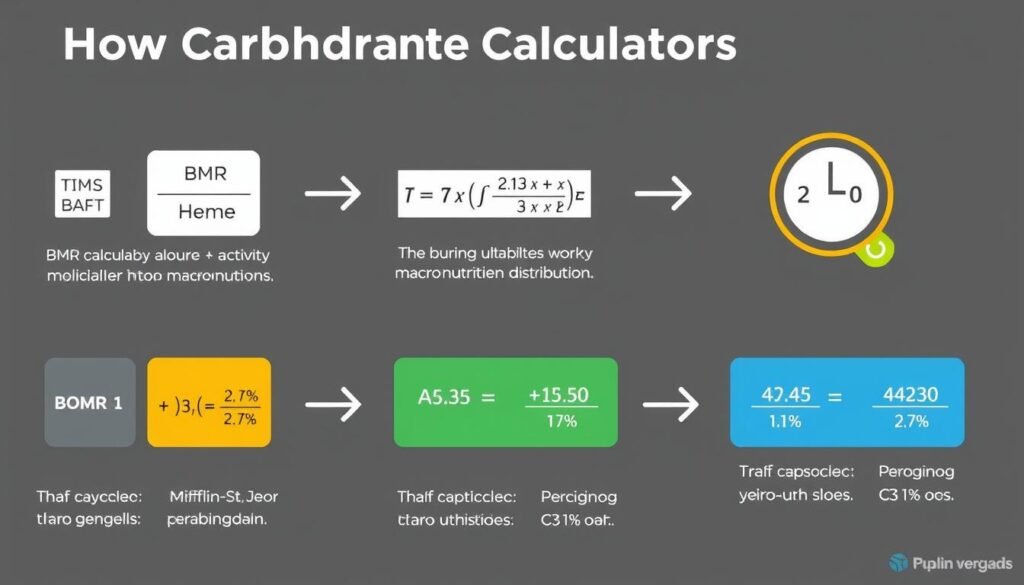
Most carbohydrate calculators use the Mifflin-St Jeor equation as their starting point to calculate your Basal Metabolic Rate (BMR):
For men: BMR = (10 × weight in kg) + (6.25 × height in cm) – (5 × age in years) + 5
For women: BMR = (10 × weight in kg) + (6.25 × height in cm) – (5 × age in years) – 161
Activity Level Multipliers
Your BMR is then multiplied by an activity factor to determine your total daily energy expenditure:
- Sedentary (little or no exercise): BMR × 1.2
- Lightly active (light exercise 1-3 days/week): BMR × 1.375
- Moderately active (moderate exercise 3-5 days/week): BMR × 1.55
- Very active (hard exercise 6-7 days/week): BMR × 1.725
- Extra active (very hard exercise & physical job): BMR × 1.9
Carbohydrate Allocation
Finally, the calculator assigns a percentage of your total calories to carbohydrates based on your goals:
| Goal | Carb Percentage | Protein Percentage | Fat Percentage |
| Weight Loss | 20-40% | 30-40% | 20-40% |
| Maintenance | 40-50% | 25-35% | 25-35% |
| Muscle Gain | 40-60% | 25-35% | 15-25% |
Since carbohydrates contain 4 calories per gram, your daily carb intake in grams is calculated by multiplying your carb calorie allocation by 0.25.
Example: If your calculator determines you need 2,000 calories per day and recommends 40% from carbs, you would need 800 calories from carbohydrates (2,000 × 0.4), which equals 200 grams of carbs daily (800 ÷ 4).
How to Use a Carbohydrate Calculator Effectively

Follow these steps to get the most accurate and useful results from a carbohydrate calculator:
- Gather accurate measurements – Before using any calculator, measure your current weight and height accurately. Estimations can lead to significant errors in your results.
- Honestly assess your activity level – Many people overestimate their activity level. Be realistic about how much you move throughout the day and how intense your workouts truly are.
- Define your primary goal – Decide whether you’re primarily focused on weight loss, muscle gain, athletic performance, or health management. This will determine which calculator type is most appropriate.
- Input your information – Enter all required data into your chosen calculator, including age, sex, height, weight, activity level, and goals.
- Review and adjust recommendations – Use the calculator’s output as a starting point, but be prepared to adjust based on your body’s response and specific needs.
Track Your Carbs with Ease
Download our free carbohydrate tracking spreadsheet to monitor your daily intake and stay on target.
Tracking Your Carbohydrate Intake
Once you have your target carbohydrate intake, you’ll need to track the carbs in your food. Here are some effective methods:
Food Labels
Check the “Total Carbohydrates” line on nutrition facts labels. Remember that fiber is included in this number but doesn’t impact blood sugar the same way as other carbs. Some people track “net carbs” by subtracting fiber from total carbs.
Food Scales
Weighing your food provides the most accurate measurements. Digital food scales are relatively inexpensive and can significantly improve your tracking accuracy.
Mobile Apps
Nutrition tracking apps like MyFitnessPal, Cronometer, or Carb Manager have extensive food databases that make tracking carbohydrates much easier.
Carb Counting Guides
Reference guides listing the carb content of common foods can be helpful when eating foods without labels or when you don’t have access to a scale or app.

Benefits of Using Carbohydrate Calculators

Benefits of Carbohydrate Calculators
- Personalized recommendations based on your unique body and goals
- Improved energy levels throughout the day
- Better workout performance with properly fueled muscles
- More effective weight management through optimized nutrition
- Reduced hunger and cravings with balanced macronutrient intake
- Better blood sugar control for those with diabetes or insulin sensitivity
- Greater dietary flexibility compared to restrictive diet plans
- Improved body composition when combined with proper training
Using a carbohydrate calculator takes the guesswork out of nutrition planning and provides a structured approach to meeting your health and fitness goals. Rather than following generic recommendations, you can tailor your carbohydrate intake to your specific needs and adjust as those needs change over time.
The right amount of carbohydrates can make the difference between feeling energized and focused versus sluggish and foggy. Finding your personal carb sweet spot is key to optimizing both performance and body composition.
Recommended Carbohydrate Calculator Tools
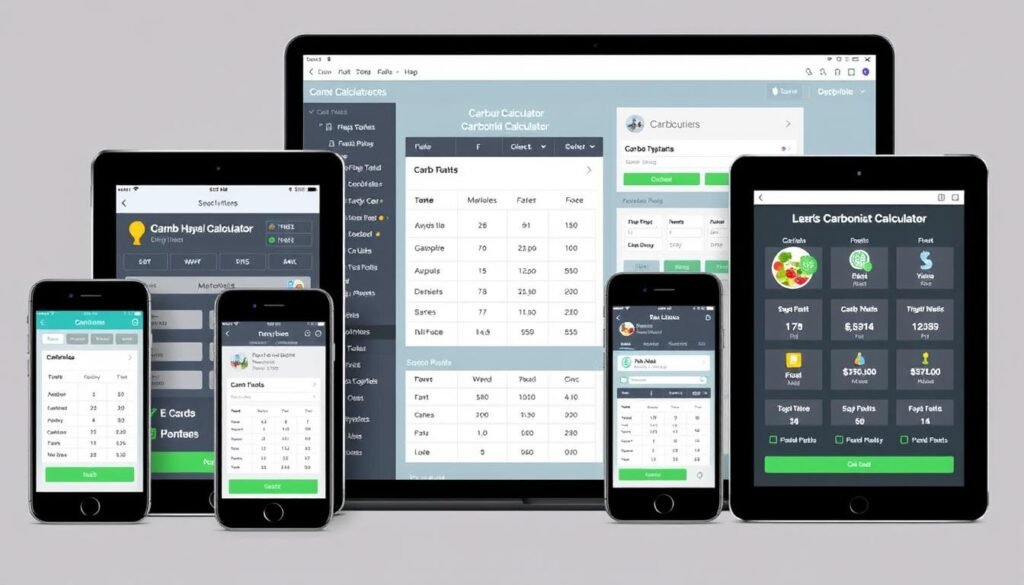
There are numerous carbohydrate calculators available online and as mobile apps. Here are some of the most reliable and user-friendly options:
Online Calculators
- MyFitnessPal – Comprehensive nutrition tracking with an extensive food database
- Bodybuilding.com Calculator – Excellent for fitness-focused carb calculations
- Diabetes.org Calculator – Specialized for diabetes management
Mobile Apps
- Cronometer – Highly accurate nutrition tracking with detailed micronutrient data
- Carb Manager – Excellent for low-carb and ketogenic diets
- MyPlate – User-friendly interface with meal planning features
Premium Options
- RP Diet App – Advanced algorithms for athletes and bodybuilders
- Noom – Includes behavioral coaching alongside nutrition tracking
- Macrostax – Personalized macro plans with adjustments based on progress
Find the Perfect Carb Calculator for Your Needs
Compare features and read reviews of the top carbohydrate calculators to find your ideal match.
Common Mistakes to Avoid When Calculating Carbohydrates
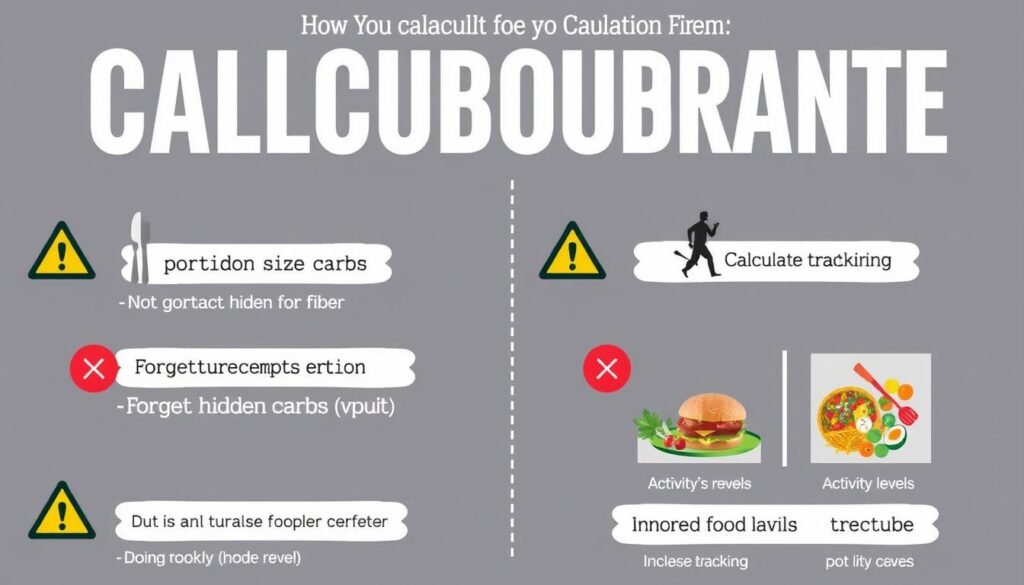
Even with the best calculators, people often make these common mistakes that can derail their nutrition plans:
Inaccurate Measurements
Eyeballing portions instead of measuring can lead to significant errors. Studies show most people underestimate portion sizes by 20-40%. Always use measuring cups, spoons, or ideally, a digital food scale.
Forgetting Hidden Carbs
Carbohydrates lurk in many unexpected places, including sauces, condiments, and beverages. Even “zero-carb” foods can contain up to 0.5g per serving due to labeling regulations.
Not Accounting for Fiber
Dietary fiber is technically a carbohydrate but doesn’t impact blood sugar the same way. Some people track “net carbs” (total carbs minus fiber) for more accurate results, especially on low-carb diets.
Ignoring Activity Levels
Your carbohydrate needs change based on your activity level. Many people fail to adjust their intake on more active days or rest days, leading to energy issues or hindered progress.
All-or-Nothing Approach
Missing your carb target by a small amount isn’t failure. Consistency over time matters more than perfection on any single day. Avoid the trap of giving up after minor deviations.
Not Adjusting Over Time
As your body composition, activity levels, and goals change, so should your carbohydrate intake. Regularly recalculate your needs rather than sticking to outdated numbers.
Important: Carbohydrate calculators provide estimates, not absolute rules. Pay attention to how your body responds and adjust accordingly. Signs you may need to adjust include unusual fatigue, poor workout recovery, persistent hunger, or lack of progress toward your goals.
How to Interpret Calculator Results and Adjust Your Diet

Getting results from a carbohydrate calculator is just the beginning. Here’s how to interpret those numbers and make practical adjustments:
Start with the Recommendation as a Baseline
View your initial carb target as a starting point, not an absolute rule. Follow this recommendation for 2-3 weeks while tracking your results and how you feel.
Track Key Indicators
Pay attention to these important signals that can help you fine-tune your carb intake:
- Energy levels throughout the day
- Workout performance and recovery
- Hunger and satiety between meals
- Sleep quality and mental clarity
- Progress toward your goals (weight, measurements, strength, etc.)
- Blood sugar levels (especially important for those with diabetes)
Make Strategic Adjustments
Based on your observations, make small, incremental changes:
| If You Experience | Possible Adjustment |
| Low energy, poor workouts | Increase carbs by 25-50g, especially around workouts |
| Excessive hunger | Increase fiber-rich carbs or distribute carbs more evenly |
| Weight loss plateau | Reduce carbs by 20-30g or adjust timing (fewer carbs at night) |
| Poor recovery | Increase post-workout carbs by 15-30g |
| Blood sugar spikes | Choose lower glycemic carbs or pair with protein and fat |
Remember that nutrition is highly individual. What works perfectly for someone else might not work for you, even with similar stats. Be patient with the process of finding your optimal carbohydrate intake.
Special Considerations for Different Dietary Needs

Different dietary approaches require special considerations when calculating carbohydrate needs:
Ketogenic & Low-Carb Diets
Standard carb calculators may provide targets too high for ketogenic diets, which typically limit carbs to 20-50g daily. For these approaches:
- Focus on net carbs (total carbs minus fiber)
- Increase fat intake to compensate for lower carbs
- Monitor ketone levels if pursuing ketosis
- Be especially mindful of electrolyte intake
Diabetes Management
People with diabetes need to balance carb intake with medication and insulin. Consider these factors:
- Consistency in carb intake timing is often more important than total amount
- Work with healthcare providers to establish insulin-to-carb ratios
- Monitor blood glucose response to different carb sources
- Consider glycemic index and glycemic load of carbohydrate foods
Athletic Performance
Athletes have unique carbohydrate needs based on training volume and intensity:
- Endurance athletes may need up to 5-10g of carbs per kg of body weight
- Carb timing becomes crucial (before, during, after training)
- Carb cycling may benefit some training protocols
- Recovery needs may require temporary increases in carb intake
Get a Personalized Nutrition Plan
Work with a registered dietitian to create a customized carbohydrate plan for your specific dietary needs and goals.
Frequently Asked Questions About Carbohydrate Calculation
Are all carbohydrates created equal?
No, carbohydrates vary significantly in their effects on the body. Complex carbs from whole foods like vegetables, fruits, and whole grains contain fiber and nutrients that slow digestion and provide health benefits. Simple carbs from processed foods and added sugars tend to spike blood sugar more quickly and provide fewer nutrients. For optimal health, focus on quality carbohydrate sources while staying within your calculated quantity.
Should I adjust my carb intake on workout days?
Yes, many people benefit from adjusting carbohydrate intake based on activity levels. On days with intense or prolonged exercise, increasing carbs can provide needed energy and support recovery. On rest days or days with minimal activity, slightly reducing carbs may be beneficial, especially if weight loss is a goal. This approach, sometimes called carb cycling, can help optimize both performance and body composition.
How often should I recalculate my carbohydrate needs?
It’s wise to recalculate your carbohydrate needs whenever significant changes occur in your body weight, activity level, or goals. As a general guideline, reassess every 8-12 weeks during active weight loss or muscle gain phases, and every 3-6 months during maintenance phases. Also recalculate if you experience persistent energy issues or plateaus in your progress.
What’s the difference between total carbs and net carbs?
Total carbs include all carbohydrates in a food, including fiber and sugar alcohols. Net carbs subtract fiber and some sugar alcohols from the total, based on the premise that these components have minimal impact on blood sugar. Net carbs are particularly relevant for low-carb and ketogenic diets. For general health and weight management, either approach can work, but be consistent with whichever method you choose.
Can I eat all my daily carbs in one meal?
While technically possible, consuming all your daily carbohydrates in a single meal isn’t optimal for most people. This approach may cause energy fluctuations, excessive hunger, and potential blood sugar management issues. Distributing carbs throughout the day typically provides more stable energy and better appetite control. However, some intermittent fasting protocols do concentrate carbs in a limited eating window with success for certain individuals.
Conclusion: Finding Your Carbohydrate Sweet Spot

Carbohydrate calculators provide valuable guidance for optimizing your nutrition, but remember that they offer estimates, not absolute rules. The most effective approach combines calculator recommendations with mindful attention to your body’s signals and responses.
Start with your calculated target, track your results consistently, and make small adjustments based on your energy, performance, and progress toward your goals. With patience and persistence, you’ll discover your personal carbohydrate sweet spot—the amount that helps you feel your best and achieve optimal results.
Whether you’re managing diabetes, pursuing athletic performance, or working toward weight loss goals, understanding and properly calculating your carbohydrate needs is a powerful tool for taking control of your health and nutrition.
Start Optimizing Your Carbohydrate Intake Today
Use our comprehensive calculator to find your ideal carb intake and take the first step toward better energy, performance, and results.