Use our Protein Calculator to estimate your daily protein needs based on weight, activity, and goals. Plan meals, support fitness, and maintain a healthy diet.
Determining the right amount of protein for your body is crucial for achieving your fitness goals, whether you’re building muscle, losing weight, or maintaining overall health. Our protein calculator provides personalized recommendations based on your unique characteristics and goals, helping you optimize your nutrition plan for better results.
Protein Calculator
Enter your details below to calculate your recommended daily protein intake. This calculator uses scientifically-backed formulas to provide personalized recommendations based on your body weight, activity level, and fitness goals.
Your Protein Requirements
Minimum Protein: 0 g/day
Optimal Protein: 0 g/day
Maximum Protein: 0 g/day
Daily Calories: 0 kcal
Carbohydrates: 0 g/day
Fats: 0 g/day
How the Protein Calculator Works
Our protein calculator uses scientifically validated formulas to determine your optimal daily protein intake. The calculation is based on several key factors:
Body Weight
Your body weight is the primary factor in determining protein needs. The calculator uses either kilograms or pounds to establish a baseline requirement.
Activity Level
More active individuals require more protein to support muscle recovery and growth. The calculator adjusts recommendations based on your exercise frequency and intensity.
Fitness Goals
Whether you’re building muscle, losing weight, or maintaining your current physique, your goals significantly impact your protein requirements.
Calculation Methods
The calculator uses different methods depending on your specific situation:
Body Weight Method
This is the most common approach, calculating protein needs as a percentage of your body weight:
- Sedentary adults: 0.8g per kg of body weight (0.36g per pound)
- Recreational exercisers: 1.1-1.4g per kg (0.5-0.64g per pound)
- Competitive athletes: 1.2-2.0g per kg (0.55-0.91g per pound)
- Building muscle: 1.6-2.2g per kg (0.73-1.0g per pound)
Goal-Based Method
This approach adjusts protein intake based on your primary fitness goal:
- Weight maintenance: Moderate protein intake
- Fat loss: Higher protein intake to preserve muscle mass
- Muscle gain: Higher protein intake to support muscle synthesis
- Athletic performance: Varied based on training type and intensity
The Science Behind Protein Requirements
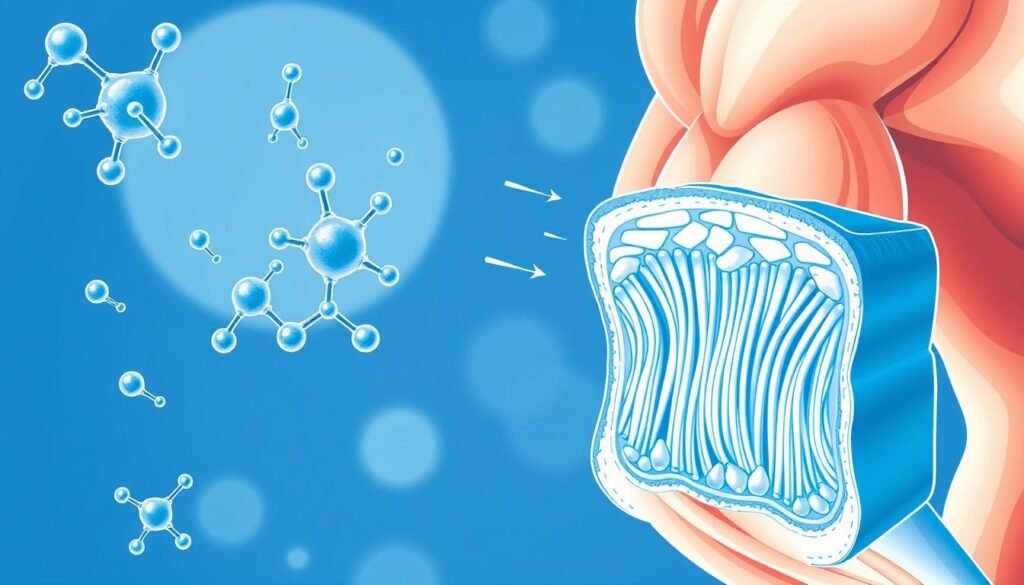
Protein is essential for numerous bodily functions, particularly muscle repair and growth. Understanding the science behind protein requirements helps explain why personalized calculations matter.
What Is Protein?
Proteins are complex molecules made up of amino acids, often referred to as the “building blocks” of the body. There are 20 different amino acids that combine in various ways to create proteins with different functions. Nine of these amino acids are considered “essential,” meaning your body cannot produce them and must obtain them through diet.
Protein and Muscle Protein Synthesis
When you exercise, especially during resistance training, you create microscopic damage to muscle fibers. Your body repairs this damage through a process called muscle protein synthesis (MPS), which requires adequate protein intake. This repair process is what leads to stronger, larger muscles over time.
Research shows that consuming 20-40g of high-quality protein within a few hours of exercise maximizes muscle protein synthesis and enhances recovery.
Recommended Daily Allowance (RDA) vs. Optimal Intake
The RDA for protein is 0.8g per kg of body weight (0.36g per pound), but this represents the minimum amount needed to prevent deficiency, not the optimal amount for health, performance, or body composition goals. Research consistently shows that higher protein intakes benefit active individuals and those looking to change their body composition.
Protein Requirements by Demographic
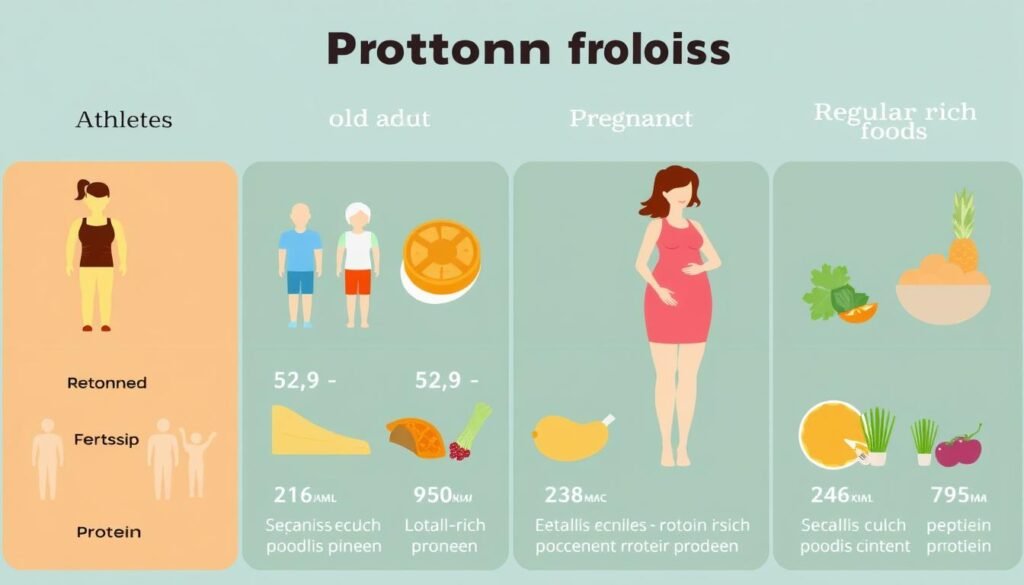
| Demographic | Protein Requirement (g/kg body weight) | Protein Requirement (g/lb body weight) | Special Considerations |
| Sedentary Adults | 0.8-1.0 | 0.36-0.45 | Minimum requirement to prevent deficiency |
| Recreational Exercisers | 1.1-1.4 | 0.5-0.64 | Supports recovery from moderate exercise |
| Endurance Athletes | 1.2-1.6 | 0.55-0.73 | Supports muscle recovery and energy needs |
| Strength Athletes | 1.6-2.0 | 0.73-0.91 | Supports muscle growth and recovery |
| Older Adults (65+) | 1.2-1.5 | 0.55-0.68 | Helps prevent age-related muscle loss |
| Pregnant Women | 1.1-1.5 | 0.5-0.68 | Supports fetal development |
| Weight Loss | 1.6-2.4 | 0.73-1.1 | Preserves muscle during caloric deficit |
| Muscle Gain | 1.6-2.2 | 0.73-1.0 | Supports muscle protein synthesis |
Special Considerations for Different Groups
Athletes
Athletes require more protein due to increased muscle breakdown during training and the need for recovery. The type of sport, training intensity, and overall energy intake all affect protein requirements.

Older Adults
As we age, our bodies become less efficient at using protein, a condition known as “anabolic resistance.” Higher protein intakes help combat age-related muscle loss (sarcopenia) and maintain strength and mobility.

Weight Management
Higher protein intakes support weight loss by increasing satiety, preserving lean muscle mass, and slightly increasing metabolic rate through the thermic effect of food.
Protein Sources and Quality
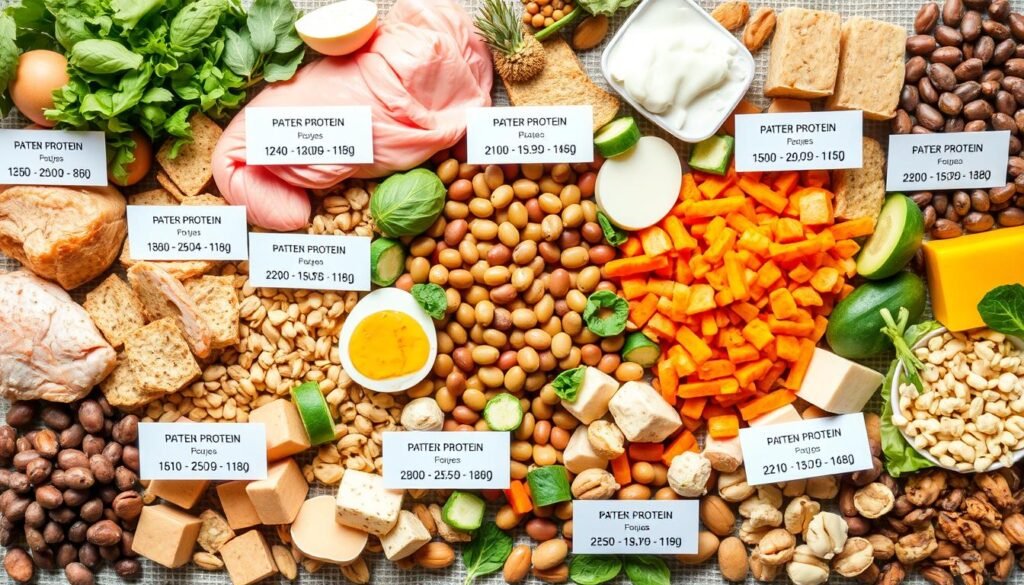
Not all protein sources are created equal. The quality of protein is determined by its amino acid profile and digestibility. Understanding different protein sources helps you make informed dietary choices.
Animal vs. Plant Protein
Animal Protein
Animal proteins are considered “complete” because they contain all nine essential amino acids in adequate amounts. They typically have higher bioavailability, meaning your body can use more of the protein you consume.
- Chicken breast (31g per 100g)
- Lean beef (26g per 100g)
- Fish (20-25g per 100g)
- Eggs (13g per 100g)
- Greek yogurt (10g per 100g)
- Whey protein (80-90g per 100g)
Plant Protein
Most plant proteins are “incomplete,” lacking sufficient amounts of one or more essential amino acids. Combining different plant proteins creates complementary amino acid profiles.
- Tofu (8g per 100g)
- Lentils (9g per 100g)
- Chickpeas (9g per 100g)
- Quinoa (4g per 100g)
- Nuts and seeds (15-25g per 100g)
- Pea protein (80g per 100g)
Protein Quality Measures
Several methods exist to measure protein quality:
- Biological Value (BV): Measures how efficiently the body uses protein
- Protein Digestibility Corrected Amino Acid Score (PDCAAS): Evaluates protein quality based on amino acid requirements and digestibility
- Digestible Indispensable Amino Acid Score (DIAAS): A newer, more accurate method that measures digestibility of individual amino acids

Protein Timing and Distribution
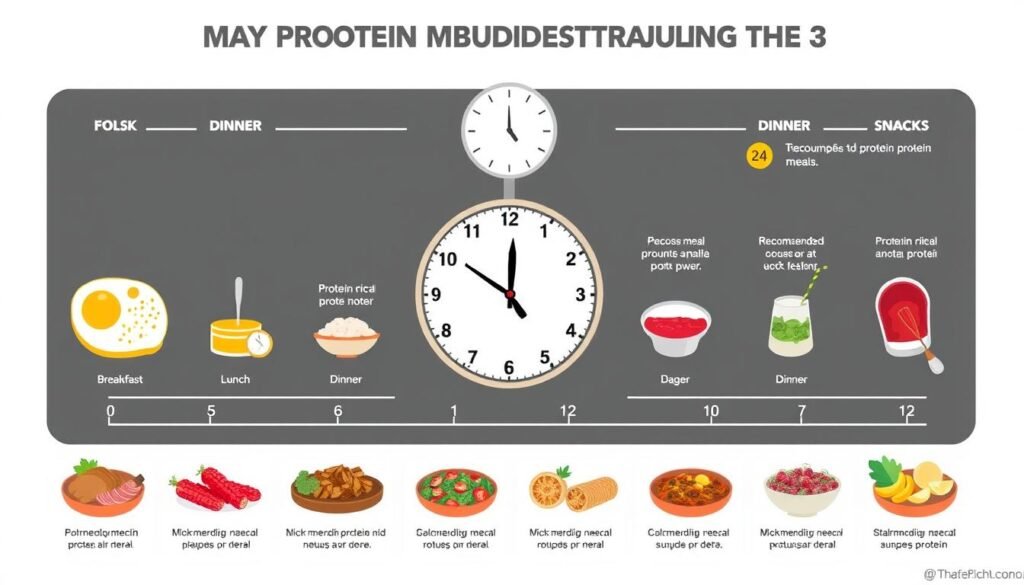
When you consume protein matters almost as much as how much you consume. Strategic protein timing can enhance muscle protein synthesis, recovery, and overall results.
Daily Distribution
Research suggests that spreading protein intake evenly throughout the day is more effective than consuming the majority in a single meal. Aim for 20-40g of high-quality protein per meal, depending on your body size and goals.
| Meal | Recommended Protein | Example Foods |
| Breakfast | 20-30g | Eggs, Greek yogurt, protein smoothie |
| Lunch | 25-40g | Chicken breast, tuna, lentil soup |
| Dinner | 25-40g | Lean beef, fish, tofu |
| Snacks | 10-20g | Protein shake, cottage cheese, nuts |
Pre and Post-Workout Protein
The period surrounding your workout is particularly important for protein consumption:
Pre-Workout
Consuming 15-20g of protein 1-2 hours before exercise can provide amino acids during your workout and reduce muscle protein breakdown.

Post-Workout
Consuming 20-40g of protein within 2 hours after exercise helps maximize muscle protein synthesis and enhance recovery.
Protein Before Bed
Research shows that consuming 30-40g of slow-digesting protein (such as casein) before bed can enhance overnight muscle protein synthesis and recovery, particularly for those engaged in resistance training.
Practical Applications of Your Protein Calculator Results
Once you’ve determined your optimal protein intake using our calculator, here’s how to apply this information to your daily life:
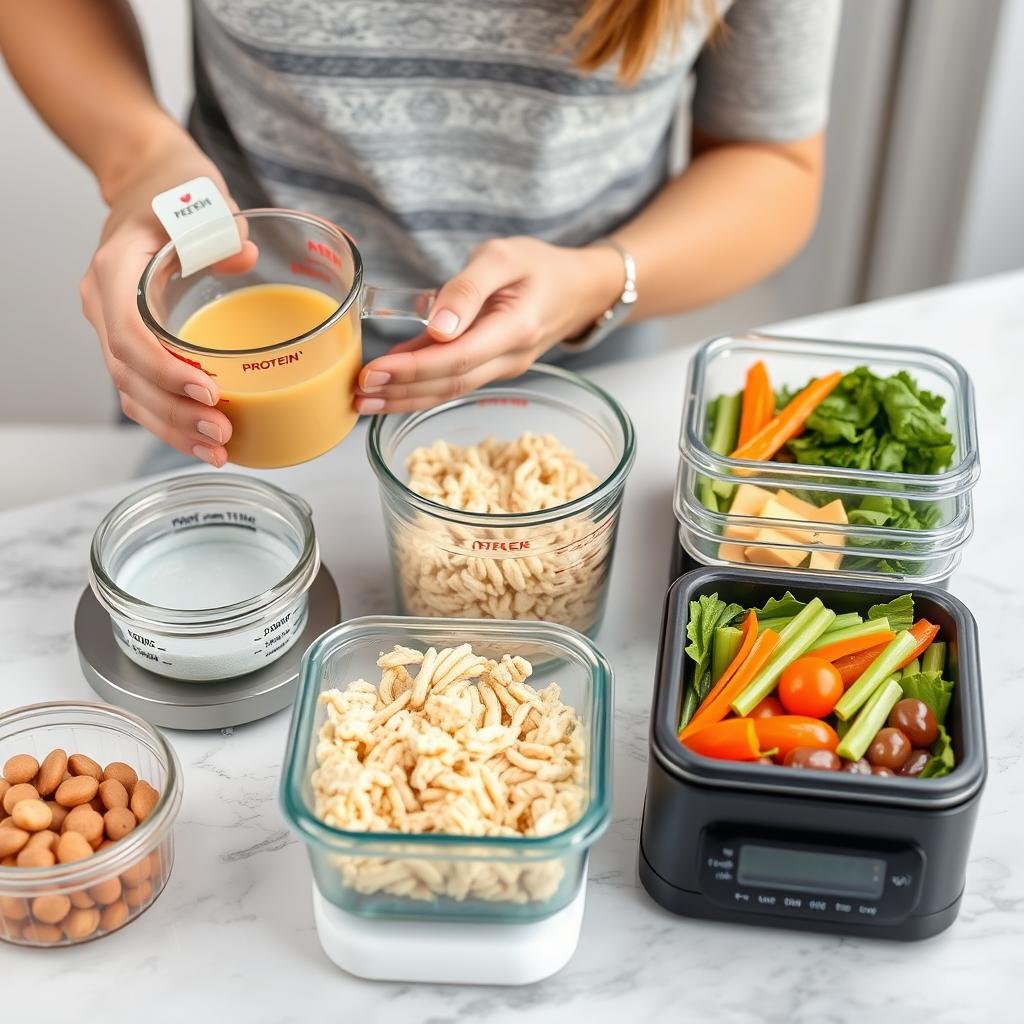
Meal Planning
Use your protein target to structure meals and snacks throughout the day. Aim to include a quality protein source with each meal and distribute your intake evenly.

- Plan meals around protein sources first
- Batch cook protein-rich meals for convenience
- Keep protein-rich snacks available
Workout Nutrition
Optimize your protein intake around workouts to enhance performance, recovery, and results. Timing matters almost as much as total intake.
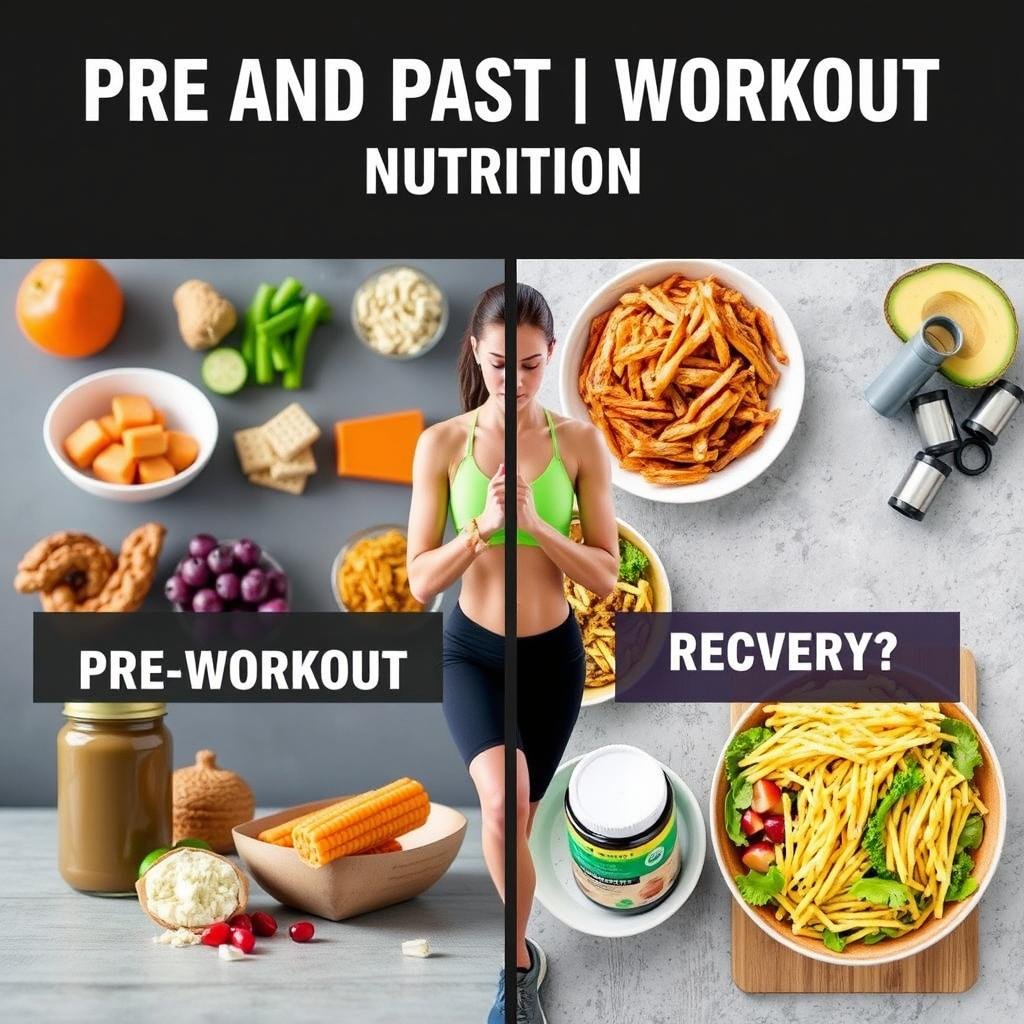
- Consume protein 1-2 hours before training
- Have a protein-rich meal within 2 hours after exercise
- Consider a protein shake for convenience
Weight Management
Higher protein intakes support weight loss and maintenance by increasing satiety, preserving muscle mass, and slightly boosting metabolism.

- Start meals with protein to increase fullness
- Replace carb-heavy snacks with protein options
- Maintain protein intake during caloric restriction
Common Misconceptions About Protein Intake

Protein Facts
- Higher protein intakes (up to 2.2g/kg) are safe for healthy individuals
- Protein from both animal and plant sources can support muscle growth
- The body can utilize more than 30g of protein in a single meal
- Protein needs increase with age, not decrease
- Higher protein intakes benefit both men and women
Protein Myths
- High protein intake damages healthy kidneys
- You can only absorb 30g of protein at once
- High protein is only for bodybuilders
- All protein sources are nutritionally equivalent
- The RDA (0.8g/kg) is optimal for everyone
Addressing Common Concerns
Does high protein intake damage kidneys?
Research consistently shows that higher protein intakes (up to 2.2g/kg/day) do not negatively affect kidney function in healthy individuals. The concern about kidney damage stems from studies on people with pre-existing kidney disease, where protein restriction may be necessary. If you have kidney issues, consult with a healthcare provider before increasing protein intake.
Can your body only use 20-30g of protein at once?
This is a misinterpretation of research on muscle protein synthesis. While 20-30g of protein may maximize the muscle-building response in a single meal for most people, the body still digests and utilizes all consumed protein for various functions. Larger individuals may benefit from higher amounts per meal, and the total daily intake remains most important.
Is high protein intake only necessary for bodybuilders?
No. Higher protein intakes benefit various populations, including older adults (to prevent muscle loss), active individuals (for recovery), and those trying to lose weight (for satiety and muscle preservation). The specific amount varies based on individual factors, but most people benefit from more than the minimum RDA.
Understanding Protein Calculator Accuracy
While protein calculators provide valuable guidance, it’s important to understand their limitations and how to interpret the results:
Remember: Protein calculators provide estimates based on population averages. Individual needs may vary based on genetics, specific training programs, medical conditions, and other factors not captured by the calculator.
Factors Affecting Accuracy
- Individual Metabolism: Genetic differences affect how efficiently your body uses protein
- Body Composition: Calculations based on total weight don’t account for lean mass vs. fat mass differences
- Training Specifics: The type, intensity, and volume of exercise affect protein requirements
- Age-Related Factors: Protein efficiency decreases with age, potentially increasing requirements
- Health Conditions: Certain medical conditions may increase or decrease protein needs
Fine-Tuning Your Protein Intake
Use the calculator as a starting point, then adjust based on your results and how you feel:
- Start with the calculator’s recommendation for 2-4 weeks
- Monitor your progress (strength, recovery, body composition)
- Adjust intake up or down by 10-20g increments based on results
- Reassess every few weeks, especially if your goals or activity levels change
When to Seek Professional Guidance

While our protein calculator provides evidence-based recommendations for most healthy individuals, certain situations warrant professional guidance:
Medical Conditions
Consult a healthcare provider before adjusting protein intake if you have:
- Kidney disease or impaired kidney function
- Liver disease
- Metabolic disorders
- Diabetes
- Inflammatory bowel disease
Special Populations
These groups may benefit from personalized nutrition advice:
- Competitive athletes
- Pregnant or breastfeeding women
- Older adults with health concerns
- People with food allergies or restrictions
- Those recovering from illness or injury
Working with Nutrition Professionals
For personalized guidance, consider consulting:
- Registered Dietitian (RD): Nutrition experts with clinical training
- Sports Nutritionist: Specialists in performance nutrition
- Certified Nutrition Coach: Trained in general nutrition guidance
A qualified nutrition professional can provide personalized recommendations based on your specific needs, medical history, food preferences, and goals. They can also help troubleshoot if you’re not seeing the expected results from your current protein intake.
Conclusion: Optimizing Your Protein Intake
Determining your optimal protein intake is a crucial step toward achieving your health and fitness goals. Our protein calculator provides a scientifically-backed starting point based on your individual characteristics and objectives.
Remember these key takeaways:
- Protein requirements vary based on body weight, activity level, and goals
- Most people benefit from higher protein intakes than the minimum RDA
- Quality, timing, and distribution of protein matter alongside total intake
- Use the calculator as a starting point and adjust based on your results
- Consult with healthcare providers if you have medical conditions
By understanding your protein needs and implementing strategic nutrition practices, you can optimize your results whether you’re building muscle, losing fat, improving athletic performance, or supporting overall health.
Calculate Your Protein Needs Today
Get personalized protein recommendations based on your unique characteristics and goals. Use our free calculator to optimize your nutrition plan.