Use our TDEE Calculator to estimate your Total Daily Energy Expenditure. Plan meals, manage weight, and optimize fitness goals with accurate calorie tracking.
Have you ever wondered exactly how many calories your body needs each day? Whether you’re looking to lose weight, gain muscle, or simply maintain your current physique, understanding your Total Daily Energy Expenditure (TDEE) is the crucial first step. This comprehensive guide will explain what TDEE is, how it’s calculated, and how you can use this knowledge to transform your approach to nutrition and fitness.

What Is TDEE and Why Does It Matter?
Total Daily Energy Expenditure (TDEE) represents the total number of calories your body burns throughout the day. Think of it as your body’s daily energy budget – the fuel you need to power everything from basic bodily functions to intense workouts. Understanding your TDEE gives you a scientific starting point for any nutrition plan, whether your goal is weight loss, muscle gain, or maintenance.
Your TDEE is the foundation of effective nutrition planning. Without knowing how many calories your body needs, you’re essentially navigating your fitness journey blindfolded.
Unlike generic calorie recommendations, your TDEE is highly individualized. It accounts for your unique body composition, activity level, age, gender, and even metabolism. This personalization makes it far more valuable than one-size-fits-all nutrition advice.
The Four Components of TDEE
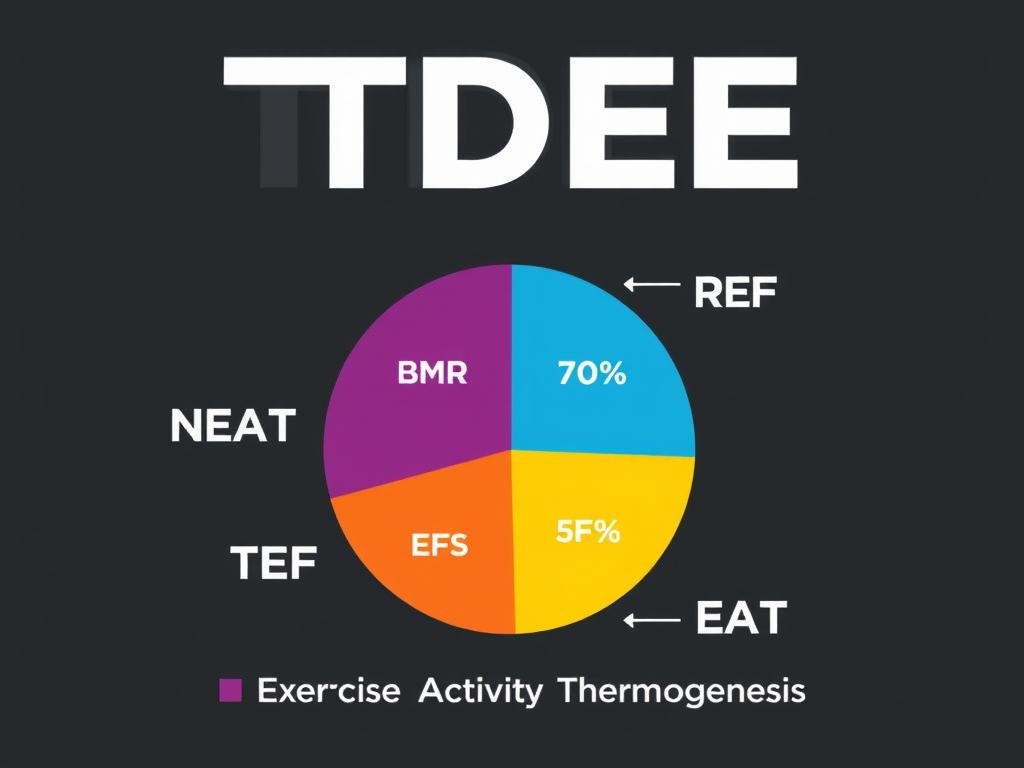
Your TDEE isn’t just one simple calculation. It’s made up of four distinct components, each representing different ways your body uses energy throughout the day:
Basal Metabolic Rate (BMR)
BMR represents the calories your body needs to perform basic life-sustaining functions while at complete rest. This includes breathing, circulating blood, cell production, and maintaining organ function. BMR typically accounts for 60-70% of your total daily energy expenditure, making it the largest component of your TDEE.
Even if you stayed in bed all day without moving, your body would still burn this baseline amount of calories. Your BMR is influenced by factors like age, gender, weight, height, and body composition – particularly your amount of lean muscle mass.

Thermic Effect of Food (TEF)
Every time you eat, your body uses energy to digest, absorb, and process the nutrients. This energy expenditure is known as the Thermic Effect of Food (TEF). TEF typically accounts for about 10% of your total daily energy expenditure.
Interestingly, different macronutrients have different thermic effects. Protein has the highest TEF (20-30% of calories consumed), followed by carbohydrates (5-10%), and fats (0-3%). This is one reason why high-protein diets can be beneficial for weight management – your body burns more calories just processing the protein.

Non-Exercise Activity Thermogenesis (NEAT)
NEAT encompasses all the calories burned through non-exercise physical activities in your daily life. This includes walking, standing, fidgeting, typing, cleaning, and even talking. NEAT can vary dramatically between individuals and typically accounts for 15-30% of total energy expenditure.
NEAT is highly variable and represents one of the biggest differences between active and sedentary individuals. Someone who moves frequently throughout the day (taking stairs, walking to errands, standing while working) can burn significantly more calories through NEAT than someone who remains mostly stationary.

Exercise Activity Thermogenesis (EAT)
EAT refers to calories burned during intentional exercise or sports. This includes activities like running, weightlifting, swimming, cycling, or any structured workout. For most people, EAT accounts for about 5-10% of total daily energy expenditure, though this can be much higher for athletes or very active individuals.
The calories burned through exercise depend on the type, intensity, and duration of the activity, as well as your body weight. Higher intensity activities and those involving larger muscle groups typically burn more calories.

How to Calculate Your TDEE
There are several methods to calculate your TDEE, ranging from simple formulas to more complex equations. Let’s explore the most common approaches:
Step 1: Calculate Your BMR
The first step in finding your TDEE is calculating your Basal Metabolic Rate (BMR). Two popular equations for this are:
Harris-Benedict Equation
One of the oldest and most widely used BMR formulas:
For men: BMR = 88.362 + (13.397 × weight in kg) + (4.799 × height in cm) – (5.677 × age in years)
For women: BMR = 447.593 + (9.247 × weight in kg) + (3.098 × height in cm) – (4.330 × age in years)
Mifflin-St Jeor Equation
Generally considered more accurate for most people:
For men: BMR = (10 × weight in kg) + (6.25 × height in cm) – (5 × age in years) + 5
For women: BMR = (10 × weight in kg) + (6.25 × height in cm) – (5 × age in years) – 161
Step 2: Apply Your Activity Multiplier
Once you have your BMR, you’ll multiply it by an activity factor that corresponds to your typical daily activity level:
| Activity Level | Description | Multiplier |
| Sedentary | Little or no exercise, desk job | 1.2 |
| Lightly Active | Light exercise/sports 1-3 days/week | 1.375 |
| Moderately Active | Moderate exercise/sports 3-5 days/week | 1.55 |
| Very Active | Hard exercise/sports 6-7 days/week | 1.725 |
| Extremely Active | Very hard exercise, physical job or training twice daily | 1.9 |
The formula is simple: TDEE = BMR × Activity Multiplier
Example Calculation: A 30-year-old woman weighing 65kg (143 lbs) and 165cm (5’5″) tall with a moderately active lifestyle.
Using Mifflin-St Jeor: BMR = (10 × 65) + (6.25 × 165) – (5 × 30) – 161 = 1,391 calories
TDEE = 1,391 × 1.55 = 2,156 calories per day
Skip the Math: Use an Online TDEE Calculator
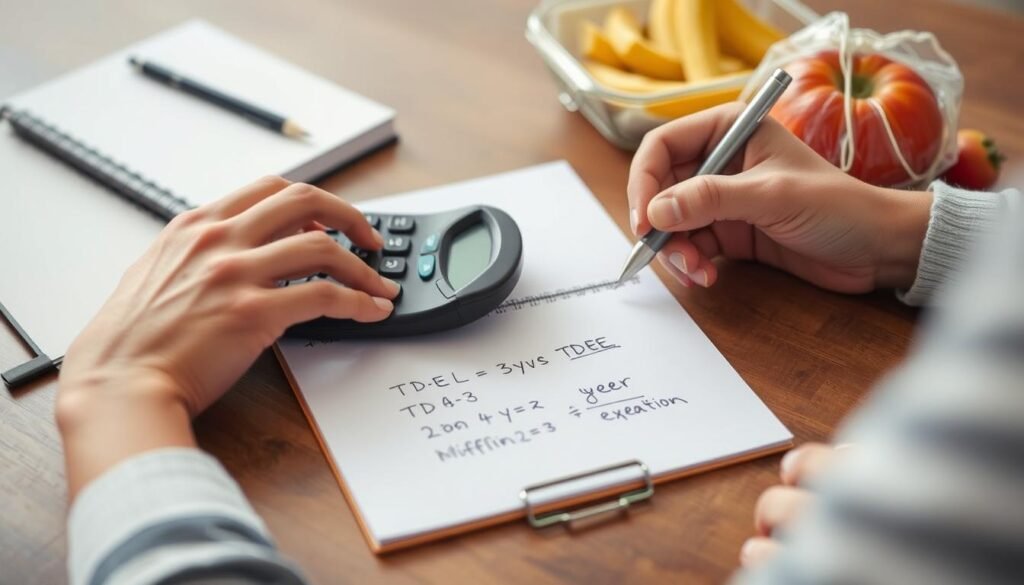
Rather not do these calculations manually? There are many excellent online TDEE calculators that can do the work for you. These tools will ask for your age, gender, height, weight, and activity level to estimate your daily calorie needs.
How Accurate Are TDEE Calculators?
Benefits of TDEE Calculators
- Provide a scientific starting point for nutrition planning
- Account for individual factors like age, gender, weight, and activity level
- Easy to use and accessible to everyone
- Help establish realistic calorie targets for various goals
- Can be adjusted based on real-world results
Limitations of TDEE Calculators
- Provide estimates, not exact measurements
- May not account for metabolic differences between individuals
- Activity level selection is subjective and often overestimated
- Don’t account for medical conditions that affect metabolism
- Require honest input about activity levels and measurements
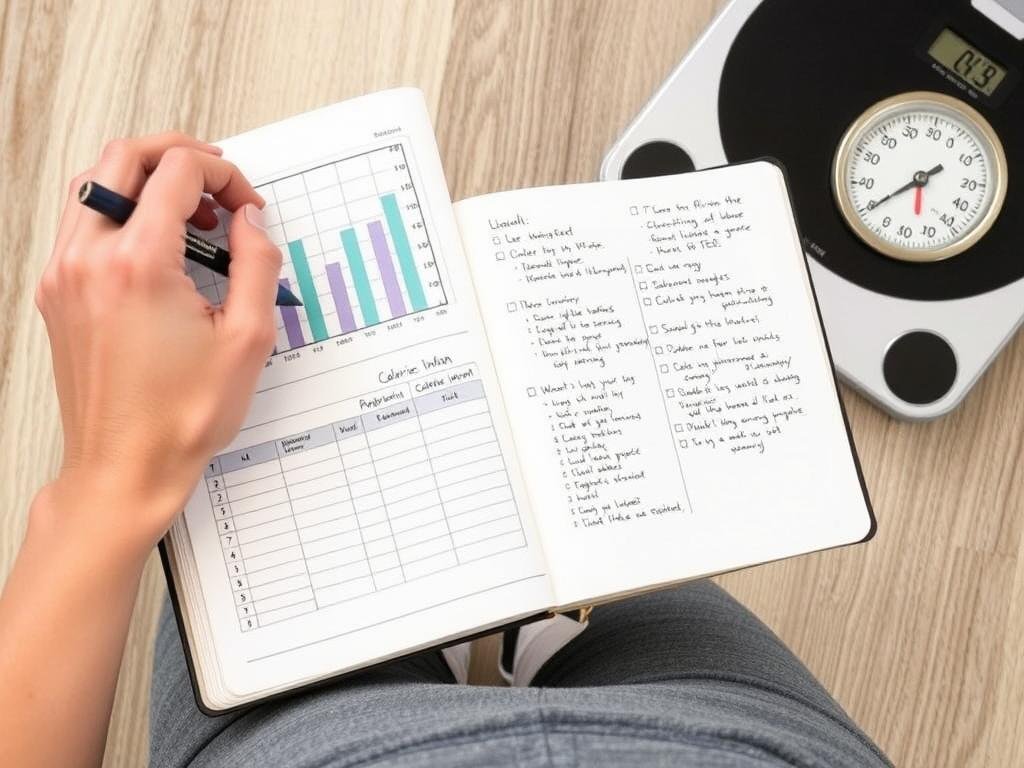
While TDEE calculators aren’t perfect, they provide a valuable starting point. Think of your calculated TDEE as a hypothesis that you can test and refine. The true test of accuracy comes from monitoring your weight and body composition changes over time and adjusting your calorie intake accordingly.
Using Your TDEE for Different Fitness Goals
Once you know your TDEE, you can adjust your calorie intake based on your specific fitness goals:
Weight Loss

To lose weight, you need to create a calorie deficit by consuming fewer calories than your TDEE. A moderate and sustainable approach is to eat 15-25% below your TDEE.
Example: If your TDEE is 2,000 calories, aim for 1,500-1,700 calories daily for weight loss.
This typically results in 1-2 pounds of weight loss per week, which is considered healthy and sustainable. Larger deficits may lead to faster weight loss but can be harder to maintain and may result in muscle loss.
Weight Maintenance

For weight maintenance, simply eat at your TDEE level. This creates an energy balance where calories in equal calories out.
Example: If your TDEE is 2,000 calories, aim to consume about 2,000 calories daily.
Weight maintenance is ideal after reaching your goal weight or during periods when you want to focus on performance rather than body composition changes. It’s also a good approach during high-stress periods when additional dietary stress might be counterproductive.
Muscle Gain

To build muscle effectively, you need a calorie surplus – eating more than your TDEE. A moderate surplus of 5-15% above TDEE supports muscle growth while minimizing fat gain.
Example: If your TDEE is 2,000 calories, aim for 2,100-2,300 calories daily for muscle gain.
Combine this surplus with a progressive resistance training program and adequate protein intake (1.6-2.2g per kg of bodyweight) for optimal muscle growth. Larger surpluses may accelerate muscle gain but typically come with more fat gain.
Remember: These are starting points. Monitor your progress over 2-3 weeks and adjust your calorie intake based on your results. If you’re not seeing the expected changes, you may need to adjust your calorie target or reassess your TDEE calculation.
Factors That Affect Your TDEE
Your TDEE isn’t static – it can change based on various factors:
Age
As you age, your BMR typically decreases by about 1-2% per decade after age 20. This is primarily due to the natural loss of muscle mass (sarcopenia) that occurs with aging. This means that if you maintain the same diet and activity level as you age, you may gradually gain weight.

Muscle Mass
Muscle tissue is metabolically active and burns more calories at rest than fat tissue. Increasing your muscle mass through resistance training can boost your BMR and overall TDEE. This is why strength training is valuable for weight management, even though it may not burn as many calories during the activity as cardio exercise.

Hormones
Hormonal changes can significantly impact your metabolism and TDEE. Conditions like hypothyroidism can reduce metabolic rate, while hyperthyroidism can increase it. Hormonal changes during menopause, pregnancy, or due to certain medications can also affect your TDEE.

Diet
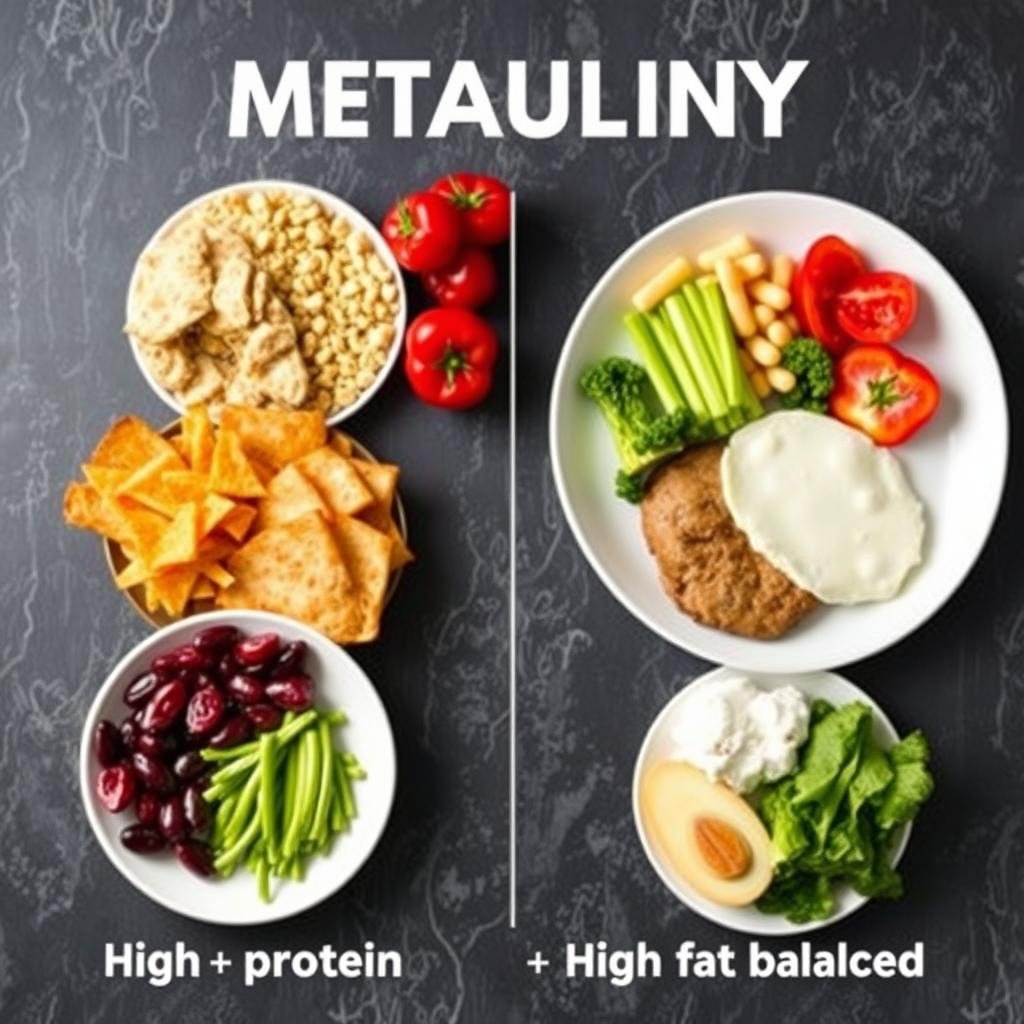
Very low-calorie diets can decrease your metabolic rate as your body adapts to conserve energy – sometimes called “metabolic adaptation.” Additionally, the composition of your diet affects TEF: high-protein diets have a higher thermic effect than high-fat diets, potentially increasing your TDEE slightly.
Environmental Temperature
Your body burns more calories in very cold environments to maintain core temperature. This is why cold exposure therapies like ice baths or cryotherapy are sometimes used as metabolism-boosting strategies. Conversely, in very hot environments, your body may also use more energy for cooling mechanisms like sweating.

Sleep and Stress
Poor sleep and chronic stress can disrupt hormonal balance, potentially lowering your metabolic rate and increasing cravings for high-calorie foods. Adequate sleep (7-9 hours for most adults) and stress management are important factors in maintaining a healthy metabolism.

Fine-Tuning Your TDEE for Better Results
While TDEE calculators provide a useful starting point, the true test comes from real-world results. Here’s how to adjust your calorie targets based on your body’s actual response:
The Tracking Method
- Calculate your TDEE using one of the formulas or calculators mentioned earlier.
- Eat consistently at that calorie level for 2-3 weeks while maintaining consistent activity levels.
- Track your weight daily (ideally at the same time each morning) and calculate your weekly average.
- Assess the trend: Are you gaining, maintaining, or losing weight?
- Adjust your calorie intake based on the results and your goals.
For example, if your calculated TDEE is 2,000 calories but you’re gaining weight while eating that amount, your actual TDEE might be closer to 1,800 calories. Adjust accordingly.

Common Adjustment Scenarios
| Scenario | Observation | Potential Adjustment |
| Weight loss plateau | No weight change for 2+ weeks despite calorie deficit | Reduce calories by additional 5-10% or increase activity |
| Too rapid weight loss | Losing more than 1-2 lbs per week (non-obese individuals) | Increase calories slightly to slow rate of loss |
| Unintended weight gain | Gaining weight while aiming for maintenance | Reduce calories by 10-15% from current intake |
| Insufficient muscle gain | Strength increasing but minimal size gains | Increase calories by 200-300 per day |
| Excessive fat gain | Gaining fat too quickly during bulking phase | Reduce surplus to 5-10% above TDEE |
Important Note: If you find yourself needing to eat significantly below your calculated TDEE to lose weight (more than 25% below), or if you experience symptoms like fatigue, excessive hunger, or mood changes, consult with a healthcare provider. These could be signs of underlying health issues affecting your metabolism.
Recommended TDEE Calculators
While we’ve covered how to calculate TDEE manually, online calculators make the process much simpler. Here are some reliable TDEE calculators that use scientifically-validated formulas:
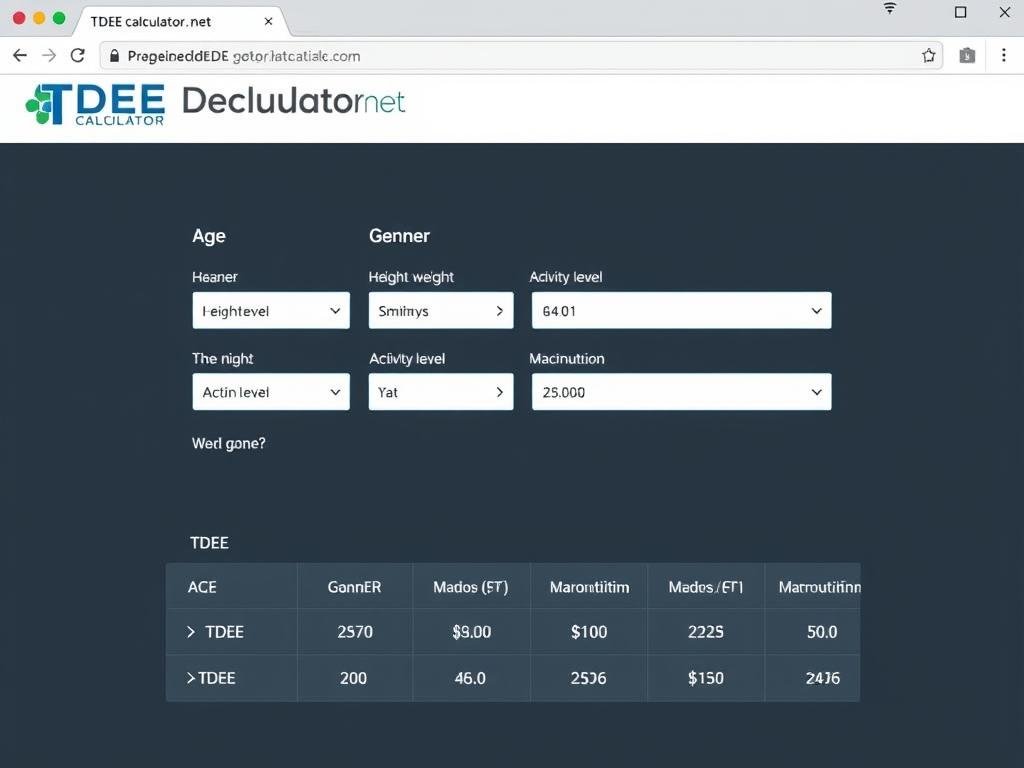
TDEE Calculator.net
Features:
- Uses Mifflin-St Jeor equation
- Provides BMR and TDEE
- Offers calorie targets for different goals
- Includes macronutrient recommendations
NIH Body Weight Planner

Features:
- Developed by scientists at the National Institutes of Health
- Accounts for metabolic adaptation during weight loss
- Projects weight changes over time
- Highly accurate for long-term planning
Precision Nutrition Calculator
Features:
- Created by respected nutrition experts
- Simple, user-friendly interface
- Provides portion-based recommendations
- Offers practical nutrition advice
Pro Tip: Try using multiple calculators and take the average of their results for a potentially more accurate starting point. Different calculators may use slightly different formulas or activity multipliers.
Practical Tips for Using TDEE in Your Fitness Journey
For Weight Loss
- Start with a moderate deficit. Aim for 15-20% below your TDEE to ensure sustainable fat loss while preserving muscle mass.
- Prioritize protein. Consuming 1.6-2.2g of protein per kg of bodyweight helps preserve muscle during weight loss.
- Incorporate resistance training. This helps maintain muscle mass while in a calorie deficit.
- Be patient. Healthy, sustainable weight loss typically occurs at a rate of 0.5-1% of body weight per week.
- Plan diet breaks. Consider eating at maintenance calories for 1-2 weeks every 8-12 weeks to give your body and mind a break from dieting.

For Muscle Gain
- Create a modest surplus. Aim for 5-15% above your TDEE to support muscle growth while minimizing fat gain.
- Increase protein intake. Consume 1.6-2.2g of protein per kg of bodyweight to provide building blocks for new muscle tissue.
- Focus on progressive overload. Gradually increase the demands on your muscles through heavier weights or more volume.
- Be consistent. Muscle building is a slow process that requires patience and consistency with both nutrition and training.
- Monitor body composition. Track not just weight but also measurements and photos to assess muscle vs. fat gain.

General Nutrition Tips
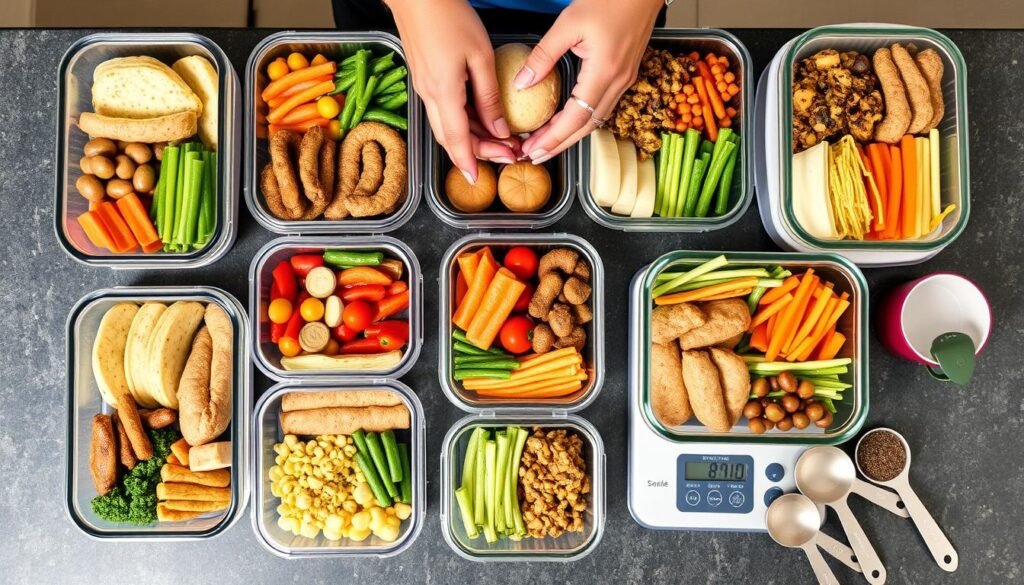
- Focus on whole foods. Build your diet around minimally processed foods like lean proteins, fruits, vegetables, whole grains, and healthy fats.
- Stay hydrated. Water supports metabolism and can help manage hunger. Aim for 2-3 liters daily.
- Plan for social events. Adjust your calories on other days to accommodate higher-calorie social meals while maintaining your weekly average.
- Track consistently. If you track calories, do so accurately and consistently for best results.
- Eat enough fiber. Aim for 25-35g daily to support digestion and fullness.
- Consider nutrient timing. Distributing protein throughout the day (20-40g per meal) may optimize muscle protein synthesis.
- Don’t fear dietary fat. Healthy fats are essential for hormone production and nutrient absorption. Aim for at least 0.5g per kg of bodyweight daily.
- Be flexible. The best diet is one you can maintain long-term, so allow for some flexibility and enjoyment.
Putting It All Together: Your TDEE Action Plan
Understanding and applying TDEE concepts can transform your approach to nutrition and fitness. Here’s a simple action plan to get started:
- Calculate your TDEE using one of the recommended calculators or formulas.
- Determine your goal (weight loss, maintenance, or muscle gain) and adjust your calorie target accordingly.
- Track your intake for at least a few weeks to ensure you’re hitting your targets.
- Monitor your results by tracking weight, measurements, or photos.
- Adjust as needed based on your body’s response.
Remember that TDEE is a starting point, not an exact science. Your body is unique, and finding what works best for you may require some experimentation and adjustment. Be patient with the process and focus on consistency rather than perfection.
The most important factor in any nutrition plan is sustainability. The best diet is one that supports your goals while fitting into your lifestyle and that you can maintain long-term.
By understanding your TDEE and how to adjust it based on your goals and results, you’ve gained a powerful tool for taking control of your nutrition and achieving your fitness goals. Whether you’re looking to lose fat, build muscle, or simply maintain a healthy weight, the science of energy balance provides a reliable framework for success.
Ready to Put Your TDEE Knowledge into Action?
Calculate your TDEE today and start making informed decisions about your nutrition. Remember to reassess periodically as your body composition, activity level, or goals change.