Use our BAC Calculator to estimate your blood alcohol content based on drinks, body weight, and time. Drink responsibly and understand your limits.
Blood Alcohol Concentration (BAC) calculators have become essential tools for those who want to understand how alcohol affects their body. These calculators estimate the percentage of alcohol in your bloodstream based on several factors. While they can provide valuable insights, it’s crucial to understand their limitations and use them responsibly. This comprehensive guide explains everything you need to know about BAC calculators, how they work, and why they should never be used to determine if you’re safe to drive.
What is a BAC Calculator and How Does It Work?
A BAC calculator is a tool that estimates the concentration of alcohol in your bloodstream, typically expressed as a percentage. For example, a BAC of 0.08% (the legal driving limit in most U.S. states) means there are 0.08 grams of alcohol per 100 milliliters of blood.
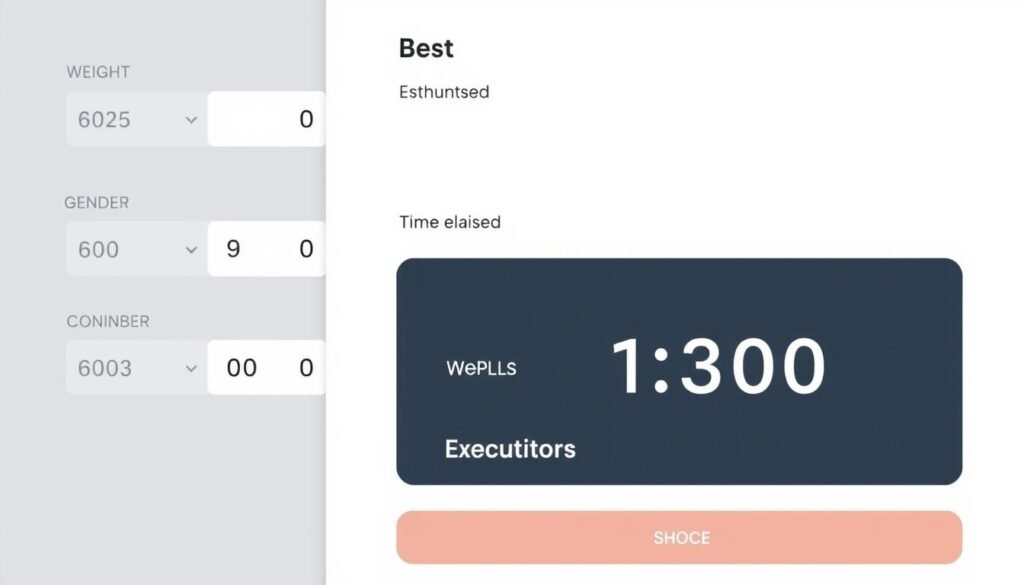
A typical BAC calculator interface with inputs for personal details and drinking information
These calculators use mathematical formulas to estimate your BAC based on several key factors:
- Your biological sex (male or female)
- Your body weight
- The number of standard drinks consumed
- The time elapsed since your first drink
- In some advanced calculators: your height, body fat percentage, and whether you’ve eaten
BAC calculators provide an estimate of how alcohol is affecting your body at a given time. They can also predict when your BAC will peak and when it will return to zero, helping you make more informed decisions about alcohol consumption.
The Science Behind Blood Alcohol Concentration Calculation
The Widmark Formula
Most BAC calculators use the Widmark Formula, a scientific equation developed in the 1930s that remains the foundation for BAC estimation:
BAC = (A × 5.14 ÷ (W × r)) – (0.015 × H)
Where:
- A = liquid ounces of alcohol consumed
- W = body weight in pounds
- r = gender constant (0.73 for men, 0.66 for women)
- H = hours since first drink
The gender constant accounts for differences in body composition. Women generally have a higher percentage of body fat and less water content than men of the same weight, resulting in higher BAC levels when consuming the same amount of alcohol.
Alcohol Metabolism
Your body eliminates alcohol at a relatively constant rate, regardless of how much you’ve consumed. For most people, this rate is approximately 0.015% BAC per hour. This is why BAC calculators subtract the time factor from the equation.
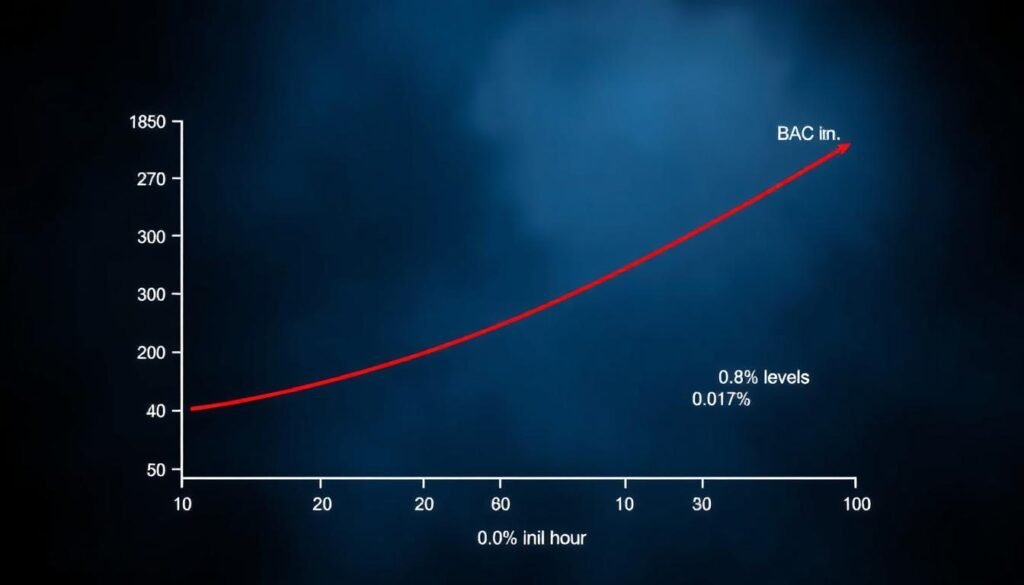
Typical BAC curve showing rapid increase followed by steady elimination rate
Different Types of BAC Calculators
Online Web-Based Calculators
These are accessible through any web browser without requiring downloads. They typically offer basic functionality with inputs for weight, gender, drinks consumed, and time elapsed.
Pros: Convenient, no installation required, accessible from any device with internet.
Cons: May lack advanced features, typically require manual input for each use.
Mobile Applications
Dedicated apps offer more sophisticated features like drink tracking over time, personalized profiles, and visual representations of BAC levels.
Pros: More interactive, can save your profile information, often include additional features like drink logs and reminders.
Cons: Require installation, may have privacy concerns with personal data.
Personal Breathalyzers
Physical devices that measure alcohol content in your breath and convert it to an estimated BAC reading.
Pros: Provide actual measurements rather than estimates, immediate results.
Cons: Expensive, require calibration, varying degrees of accuracy depending on quality.

Different types of BAC calculators: web-based, mobile app, and personal breathalyzer
Key Factors That Affect BAC Calculations

Major factors influencing blood alcohol concentration levels
Biological Sex Differences
Men and women process alcohol differently due to body composition differences. Women typically have less body water and more body fat than men of similar weight, causing alcohol to be less diluted in their bloodstream. This is why BAC calculators use different constants for men (0.73) and women (0.66).
Body Weight and Composition
Heavier individuals generally have more blood and body water, resulting in greater dilution of alcohol and lower BAC levels. However, body composition matters too—muscle tissue contains more water than fat tissue, so two people of the same weight but different body compositions may process alcohol differently.
Metabolism Rate
While the average person eliminates alcohol at about 0.015% BAC per hour, this can vary based on individual factors. Regular drinkers may develop a slightly faster metabolism rate for alcohol, while those with certain health conditions or on specific medications may process alcohol more slowly.
Food Consumption
Drinking on an empty stomach leads to faster alcohol absorption and higher peak BAC levels. Food, especially protein-rich meals, slows alcohol absorption by keeping it in the stomach longer where less absorption occurs.
| Factor | Effect on BAC | Consideration for Calculation |
| Gender | Women typically reach higher BAC than men with same consumption | Different constants in formula (0.73 for men, 0.66 for women) |
| Body Weight | Higher weight generally means lower BAC | Direct factor in Widmark formula |
| Food in Stomach | Food slows absorption, lowering peak BAC | Some advanced calculators include meal size option |
| Drink Type | Higher alcohol content means higher BAC | Calculated as standard drinks or alcohol content percentage |
| Drinking Rate | Faster consumption leads to higher peak BAC | Time elapsed since first drink |
| Medications | Can alter alcohol metabolism | Not typically included in calculators |
Drink Type and Alcohol Content
Different alcoholic beverages contain varying amounts of alcohol. BAC calculators typically use the concept of a “standard drink,” which contains approximately 14 grams (0.6 ounces) of pure alcohol. This equals:
- 12 oz of regular beer (5% alcohol)
- 5 oz of wine (12% alcohol)
- 1.5 oz of distilled spirits (40% alcohol)
Time Factor
The longer the time since your first drink, the more alcohol your body has processed and eliminated. Most calculators account for this by subtracting the elimination rate (typically 0.015% per hour) multiplied by the hours elapsed.
Limitations and Accuracy Considerations
Important Accuracy Warning
BAC calculators provide estimates only and can vary from actual BAC by 20% or more. Never use a BAC calculator to determine if you’re safe to drive after drinking.
While BAC calculators can be useful educational tools, they have several important limitations:
What BAC Calculators Can Do
- Provide a general estimate of BAC levels
- Help understand how different factors affect alcohol processing
- Illustrate how long alcohol remains in your system
- Serve as educational tools about alcohol’s effects
What BAC Calculators Cannot Do
- Provide legally defensible BAC measurements
- Account for all individual biological variations
- Consider health conditions affecting alcohol metabolism
- Factor in medication interactions
- Determine if you’re safe to drive
Individual Variations Not Captured
BAC calculators use averages and cannot account for all individual differences. Factors like genetics, liver health, medications, and tolerance levels can significantly impact how your body processes alcohol.
Drink Size Estimation Errors
Most people underestimate drink sizes, especially with home pours or at establishments that serve larger-than-standard portions. A single “drink” at a bar might actually contain the alcohol equivalent of 1.5 or 2 standard drinks.
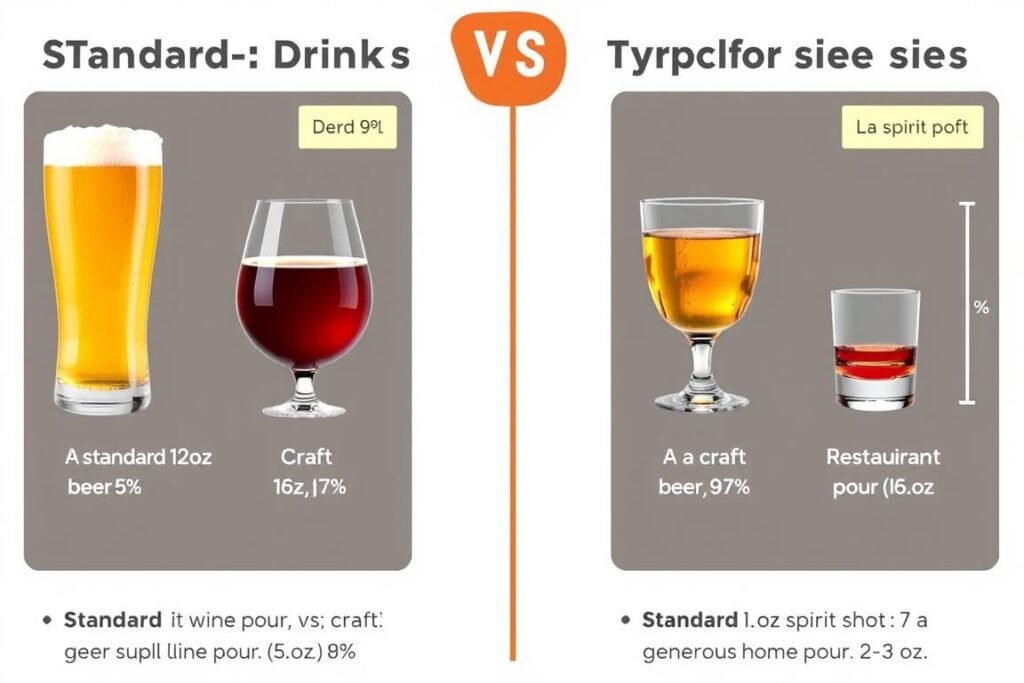
Standard drink sizes compared to common serving sizes
Legal Implications and Responsible Drinking
Legal BAC Limits
In the United States, the legal BAC limit for driving is 0.08% for most drivers. However, the limits are lower for commercial drivers (0.04%) and drivers under 21 (typically 0.00-0.02%, known as “zero tolerance” laws).

Legal BAC limits for driving vary by country and jurisdiction
BAC Effects on the Body
Understanding how different BAC levels affect your body helps illustrate why driving after drinking is dangerous, even at levels below the legal limit:
| BAC Level | Physical and Mental Effects | Driving Impairment |
| 0.02% | Mild relaxation, slight body warmth, altered mood | Decline in visual functions, divided attention |
| 0.05% | Exaggerated behavior, reduced coordination, lowered alertness | Reduced coordination, difficulty steering, reduced response to emergency situations |
| 0.08% | Poor muscle coordination, impaired judgment, self-control, reasoning, and memory | Concentration, short-term memory, speed control, information processing capability, perception impaired |
| 0.10% | Clear deterioration of reaction time and control, slurred speech, poor coordination, slowed thinking | Reduced ability to maintain lane position and brake appropriately |
| 0.15% | Major loss of balance, substantial impairment in vehicle control, attention to driving task, visual and auditory information processing | Substantial impairment in vehicle control, attention, and information processing |
The Only Safe BAC for Driving is ZERO
Even at BAC levels below the legal limit, driving skills are impaired. The safest approach is to never drive after consuming any amount of alcohol. Always plan for alternative transportation if you intend to drink.
Top Recommended BAC Calculator Tools
While many BAC calculators are available online and as mobile apps, the following stand out for their accuracy, features, and user experience:
1. NHTSA’s “SaferRide” Mobile App

Key Features:
- Developed by the National Highway Traffic Safety Administration
- Focuses on getting you home safely rather than just calculating BAC
- One-touch button to call a friend or taxi
- Identifies your location to share with your ride
- Available for both iOS and Android
2. R-U-Buzzed BAC Calculator

Key Features:
- Developed by Colorado Department of Transportation
- Simple, intuitive interface
- Strong safety messaging
- One-touch rideshare options
- No internet connection required after download
3. AlcoDroid BAC Calculator
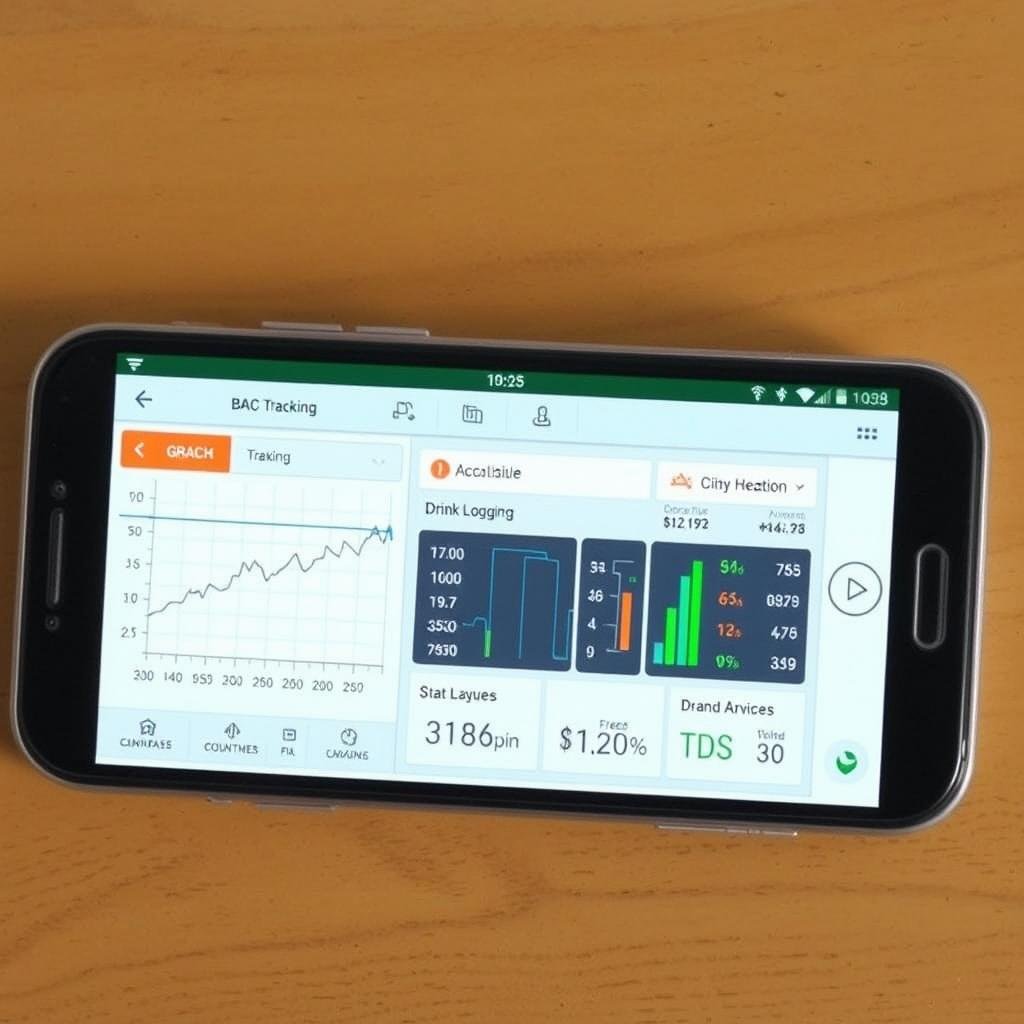
Key Features:
- Detailed drink tracking and history
- BAC estimation with graphical representation
- Customizable drink database
- Statistical analysis of drinking patterns
- Widget for quick drink logging
Remember: BAC Calculators Are Educational Tools Only
These calculators provide estimates and should never be used to determine if you’re safe to drive. The only safe approach is to avoid driving completely if you’ve consumed any alcohol.
Step-by-Step Guide to Using a BAC Calculator

Step-by-step process for using a typical BAC calculator
Enter Your Personal Information
Input your biological sex, weight, and sometimes height. These factors significantly affect how your body processes alcohol. Be accurate—underestimating your weight could result in an overestimated BAC.
Input Drink Details
Enter the number and types of drinks you’ve consumed. Most calculators allow you to select from common drink types (beer, wine, spirits) or enter custom alcohol percentages. Be honest about drink sizes and quantities.
Specify Time Period
Enter when you started drinking and the current time (or when you stopped drinking). This allows the calculator to factor in alcohol elimination over time.
Review Your Results
The calculator will display your estimated current BAC, when it will peak (if it hasn’t already), and when it will return to zero. Some calculators also show a graph of your BAC over time.
Understand the Limitations
Remember that the result is an estimate only. Your actual BAC could be significantly higher or lower based on individual factors not captured by the calculator.
Practical Example
Let’s walk through a practical example of using a BAC calculator:
Example Scenario
Person: 35-year-old male, 180 pounds
Drinks consumed: 3 bottles of beer (12 oz, 5% ABV each) over 2 hours
Calculator results:
- Estimated current BAC: 0.06%
- Time until BAC peaks: Already peaked
- Time until BAC returns to 0.00%: Approximately 4 more hours
Interpretation: While this person is below the legal driving limit of 0.08%, they are still experiencing impairment that makes driving unsafe. The only responsible choice is to wait the full 4 hours or arrange alternative transportation.
Safety Warnings and Disclaimers
Critical Safety Warning
BAC calculators provide estimates only and should NEVER be used to determine if you are safe to drive. The only safe BAC level for driving is ZERO.
It’s essential to understand the limitations and proper use of BAC calculators:
- Legal Disclaimer: BAC calculator results are not legally defensible and cannot be used to contest legal charges.
- Estimation Only: Results can vary by 20% or more from your actual BAC due to individual factors.
- Not a Defense: “But my BAC calculator said I was under the limit” is not a legal defense for DUI/DWI charges.
- Impairment Begins Immediately: Even low BAC levels (0.02%) cause measurable impairment in driving ability.
- Individual Variation: Your personal response to alcohol may differ significantly from averages used in calculations.
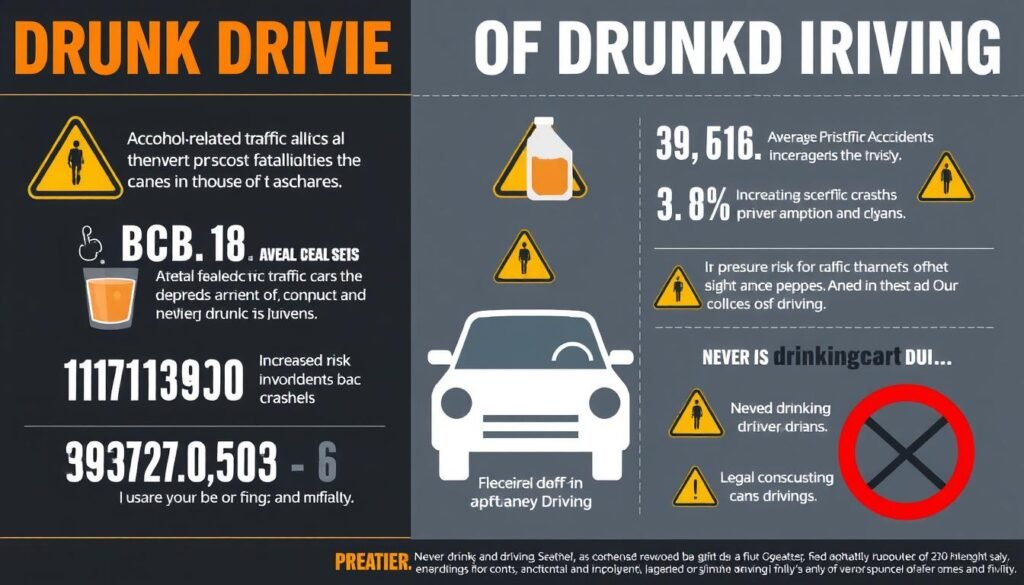
The devastating impact of alcohol-impaired driving
The Deadly Statistics
Every day, about 32 people in the United States die in drunk-driving crashes — that’s one person every 45 minutes. In 2020, 11,654 people died in alcohol-impaired driving crashes, accounting for 30% of all traffic-related deaths in the United States.
Take the Pledge: Never Drink and Drive
The only way to ensure safety is to completely separate drinking from driving. Always plan ahead for a designated driver, taxi, rideshare, or public transportation if you intend to drink.
Alternative Methods for Assessing Intoxication
While BAC calculators provide one way to estimate alcohol’s effects, there are other methods to assess intoxication levels:
Personal Breathalyzers
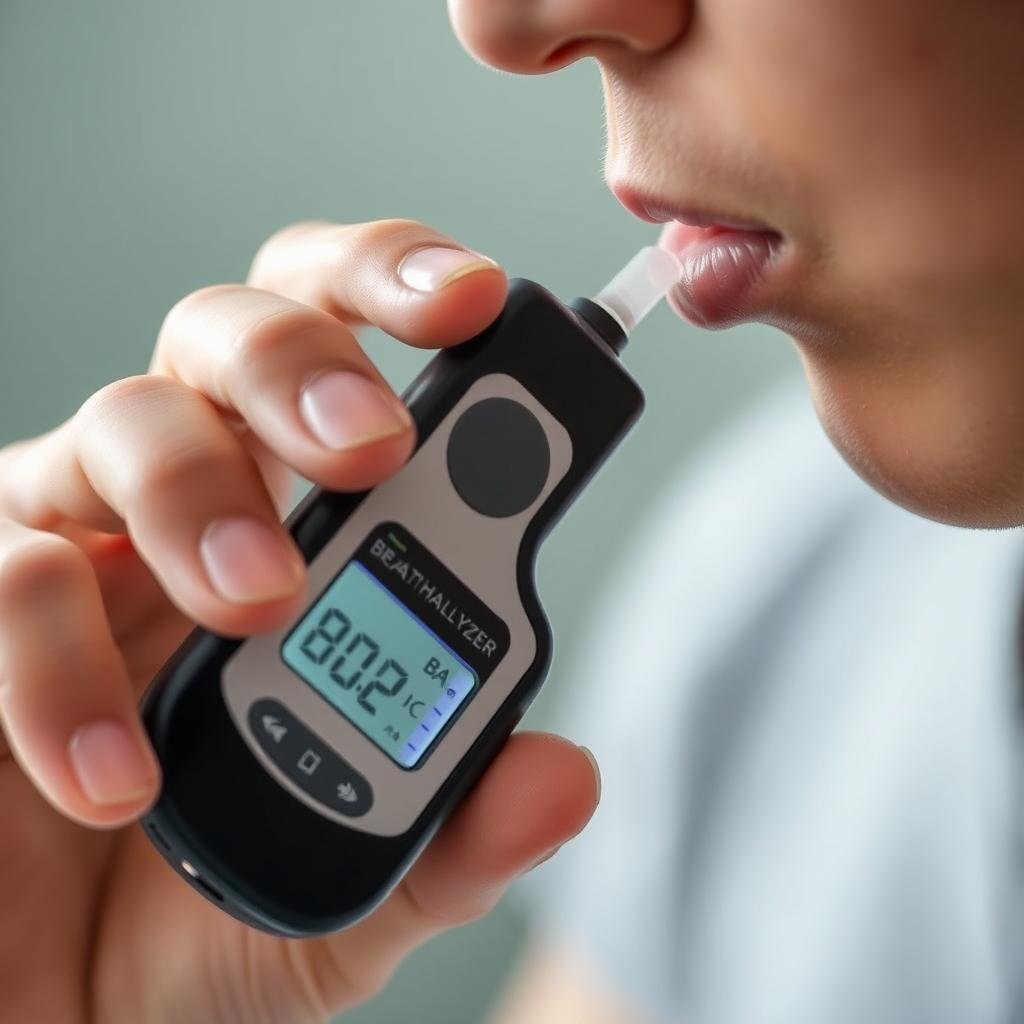
These devices measure alcohol in your breath to estimate BAC. Quality varies significantly:
- Consumer-grade devices ($50-100): Provide rough estimates
- Professional-grade devices ($100-300+): More accurate but still not legally defensible
- Law enforcement devices ($500+): Calibrated regularly for legal use
Even the best personal breathalyzers require regular calibration and proper use to maintain accuracy.
Field Sobriety Tests

Law enforcement uses standardized tests to assess impairment:
- Horizontal Gaze Nystagmus: Involuntary eye jerking when following an object
- Walk-and-Turn: Tests ability to follow instructions while performing physical tasks
- One-Leg Stand: Tests balance and coordination
These tests detect impairment regardless of BAC level, which is why they’re valuable for law enforcement.
Self-Assessment Methods

Various apps offer cognitive tests to detect impairment:
- Reaction time tests
- Coordination challenges
- Memory and attention assessments
While these can detect some impairment, they’re not reliable substitutes for direct BAC measurement and should never be used to determine driving fitness.
The Most Reliable Method: Plan Ahead
The most effective approach is to plan your transportation before drinking begins. Designated drivers, rideshare services, taxis, public transportation, or staying overnight are all better options than trying to assess your own fitness to drive after drinking.
Conclusion: Understanding BAC for Responsible Decisions
Blood Alcohol Concentration calculators can be valuable educational tools that help us understand how alcohol affects our bodies. They illustrate important concepts like how alcohol is processed over time, how different factors affect intoxication levels, and why even small amounts of alcohol can impair driving ability.
However, the most important takeaway is that BAC calculators should never be used to determine if you’re safe to drive. The variables are too numerous, the individual differences too significant, and the stakes too high to rely on an estimate when lives are at risk.
The safest approach is simple: if you plan to drink, plan not to drive. With today’s abundance of transportation options—from designated drivers to rideshare services—there’s never a good reason to risk driving after drinking alcohol.
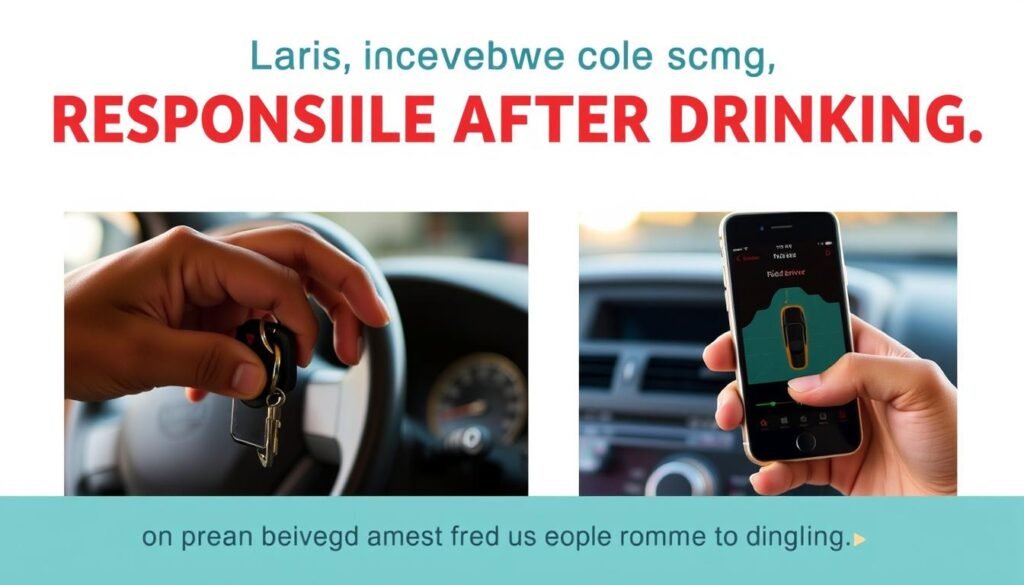
The safest choice: Plan alternative transportation before drinking
Make the Right Choice Every Time
Understanding your BAC is important, but making the right transportation choice is essential. Use the tools we’ve recommended to learn about alcohol’s effects, but always separate drinking from driving.