Weight measurement is a fundamental aspect of our daily lives, from monitoring our health and fitness to cooking precise recipes or calculating shipping costs. However, navigating between different weight units like kilograms, pounds, and ounces can be challenging without the right tools. A weight calculator simplifies this process, allowing for quick and accurate conversions between various weight measurement systems used worldwide. Whether you’re traveling internationally, following a recipe from another country, or tracking your fitness progress, understanding weight conversion is an essential skill that this comprehensive guide will help you master.
What is a Weight Calculator?
A weight calculator is a specialized tool designed to convert weight measurements between different units of mass. These calculators eliminate the need for manual calculations, reducing the risk of conversion errors that could affect cooking measurements, medication dosages, shipping costs, or fitness tracking.
A weight calculator simplifies conversion between different units of mass
Weight calculators typically support conversions between the most common weight units including:
- Metric system units (kilograms, grams, milligrams)
- Imperial/US customary units (pounds, ounces, stones)
- Other regional or specialized units (carats, grains, tons)
By inputting a value in one unit, a weight calculator instantly provides the equivalent weight in your desired unit, saving time and ensuring accuracy across different measurement systems.
Common Weight Units and Their Uses
Understanding the various weight units and when they’re commonly used is essential for effective weight conversion. Here’s a breakdown of the most frequently used weight measurement units across different systems:
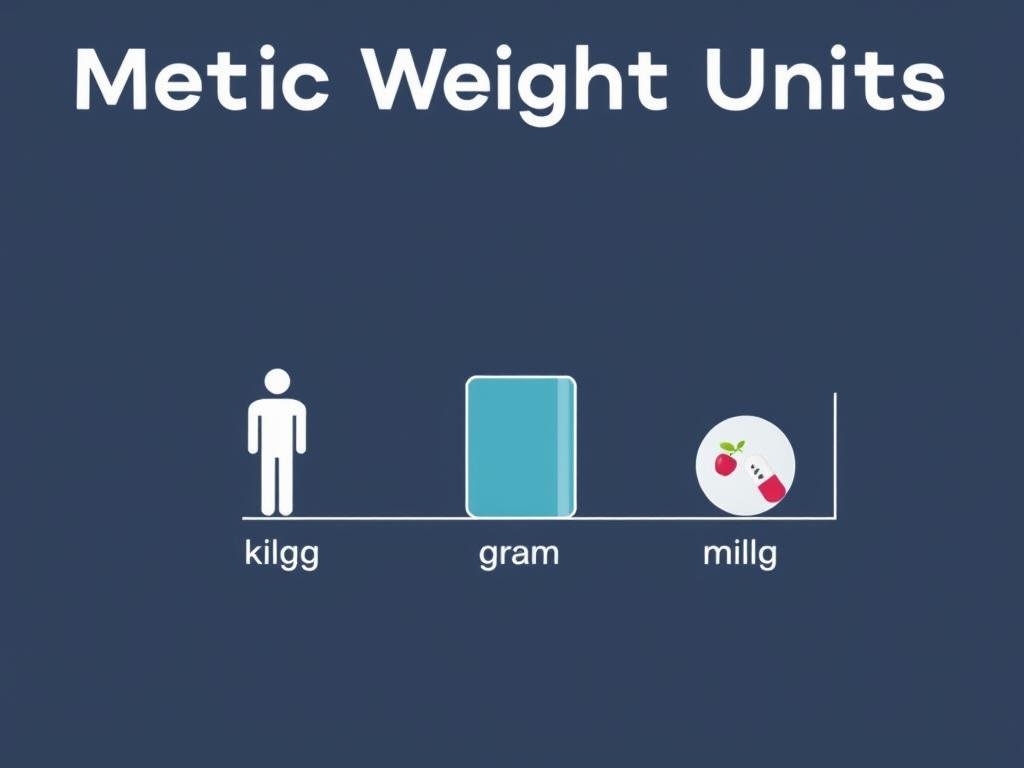
Metric System Weight Units
The metric system is the most widely used measurement system globally, known for its decimal-based units that make conversion relatively straightforward.
| Unit | Abbreviation | Equivalent | Common Uses |
| Kilogram | kg | 1,000 grams | Body weight, groceries, heavy items |
| Gram | g | 1/1,000 of a kilogram | Food ingredients, small items |
| Milligram | mg | 1/1,000 of a gram | Medication, supplements, chemicals |
| Metric Ton | t | 1,000 kilograms | Industrial materials, shipping |
Imperial and US Customary Weight Units
These systems are primarily used in the United States and, to some extent, in the United Kingdom and other Commonwealth countries.
| Unit | Abbreviation | Equivalent | Common Uses |
| Pound | lb or lbs | 16 ounces | Body weight, food, general items |
| Ounce | oz | 1/16 of a pound | Food portions, small items |
| Stone | st | 14 pounds | Body weight (UK) |
| Ton (short) | ton | 2,000 pounds | Heavy materials, vehicles |
Understanding these units and their relationships is crucial for accurate weight conversion, especially when working with international recipes, fitness tracking across different countries, or shipping packages internationally.
How to Convert Weight Manually
While a weight calculator automates the conversion process, understanding the mathematical formulas behind these conversions can be valuable. Here are the most common weight conversion formulas:
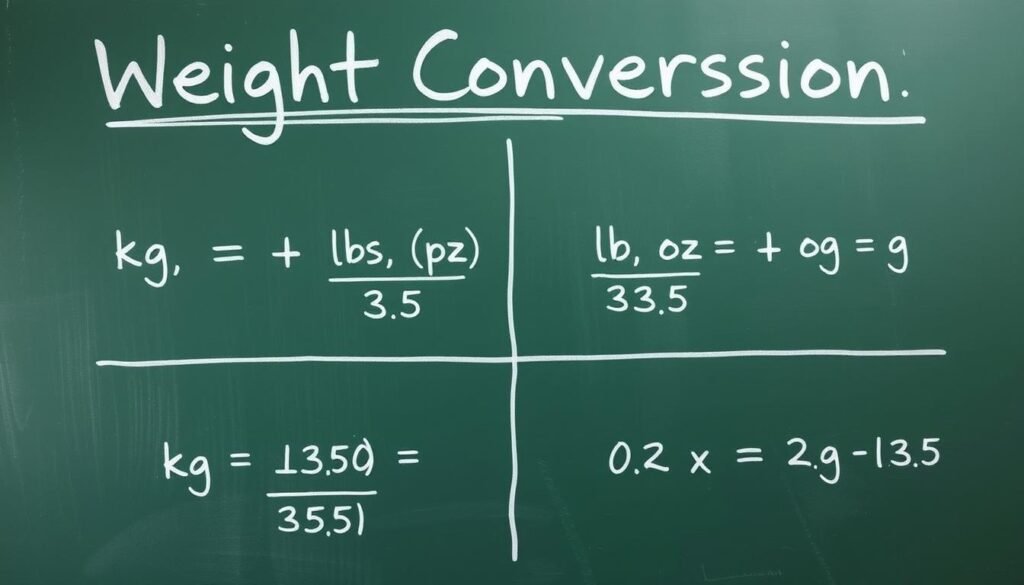
Metric to Imperial Conversions
Kilograms to Pounds
To convert kilograms to pounds, multiply the kilogram value by 2.20462.
Formula: lb = kg × 2.20462
Example: 5 kg = 5 × 2.20462 = 11.0231 lb
Grams to Ounces
To convert grams to ounces, multiply the gram value by 0.03527.
Formula: oz = g × 0.03527
Example: 100 g = 100 × 0.03527 = 3.527 oz
Imperial to Metric Conversions
Pounds to Kilograms
To convert pounds to kilograms, multiply the pound value by 0.453592.
Formula: kg = lb × 0.453592
Example: 10 lb = 10 × 0.453592 = 4.53592 kg
Ounces to Grams
To convert ounces to grams, multiply the ounce value by 28.3495.
Formula: g = oz × 28.3495
Example: 5 oz = 5 × 28.3495 = 141.7475 g
Other Common Conversions
Stones to Pounds
To convert stones to pounds, multiply the stone value by 14.
Formula: lb = st × 14
Example: 11 st = 11 × 14 = 154 lb
Kilograms to Stones
To convert kilograms to stones, divide the kilogram value by 6.35029.
Formula: st = kg ÷ 6.35029
Example: 70 kg = 70 ÷ 6.35029 ≈ 11.02 st

Understanding manual conversion formulas provides a foundation for weight calculations
While these formulas allow for manual calculations, using a weight calculator eliminates potential mathematical errors and saves considerable time, especially when dealing with multiple conversions.
Applications and Use Cases for Weight Calculators
Weight calculators serve numerous practical purposes across various fields and everyday activities. Understanding these applications highlights the importance of accurate weight conversion.

Cooking and Baking
International recipes often list ingredients using different weight units. A weight calculator helps:
- Convert recipe measurements from grams to ounces or pounds
- Scale recipes up or down while maintaining proper proportions
- Ensure baking precision, which is crucial for successful results
Fitness and Health Tracking
Weight calculators are essential tools for health and fitness monitoring:
- Convert body weight between kilograms and pounds for consistent tracking
- Calculate appropriate weights for resistance training based on percentage of body weight
- Convert food portion sizes when following nutrition plans from different countries
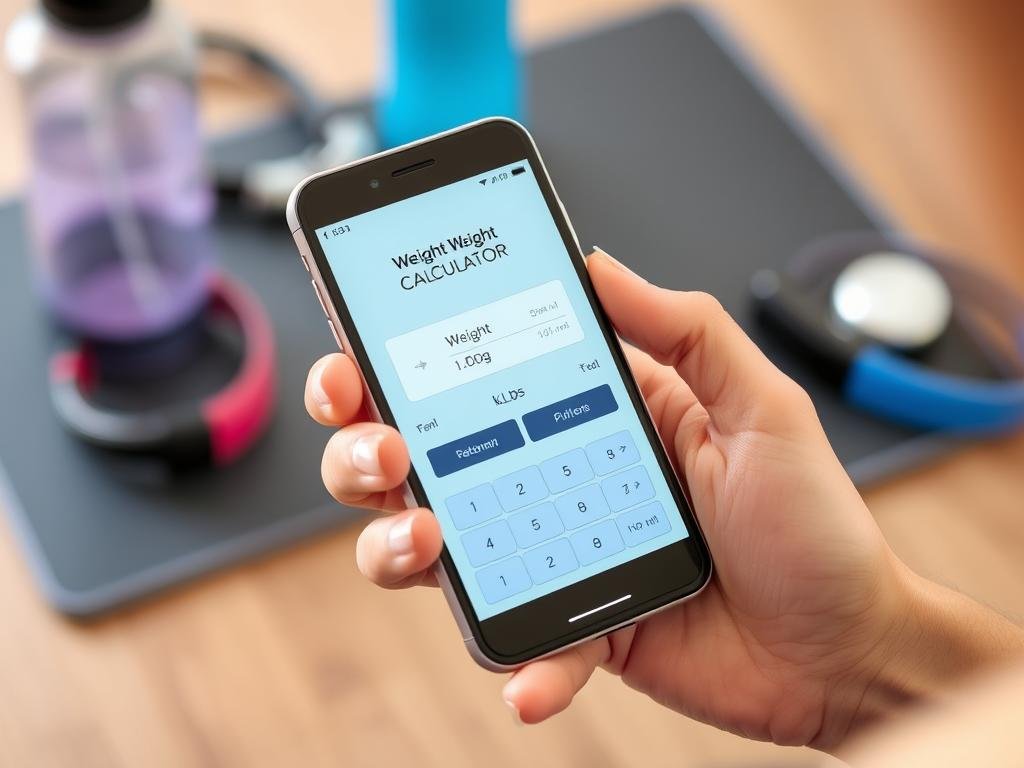
Weight calculators help maintain consistent fitness tracking across different measurement systems
Shipping and Postage
For businesses and individuals sending packages:
- Calculate shipping costs based on weight tiers
- Convert between different weight systems for international shipping
- Determine the most cost-effective shipping method based on package weight
Scientific and Medical Applications
Precision is critical in scientific and medical contexts:
- Convert medication dosages based on body weight
- Ensure accurate measurements for laboratory experiments
- Convert research data between different measurement systems for international collaboration
Travel and Shopping
When traveling internationally:
- Calculate luggage weight to avoid excess baggage fees
- Convert product weights when shopping in countries using different systems
- Understand weight-based restrictions or allowances in different regions
Need to Convert Weights Regularly?
If you frequently work with different weight units, our online calculators can save you time and ensure accuracy across all your conversions.
Benefits of Using an Online Weight Calculator
While manual conversion is possible using the formulas provided earlier, online weight calculators offer numerous advantages that make them the preferred choice for most users.
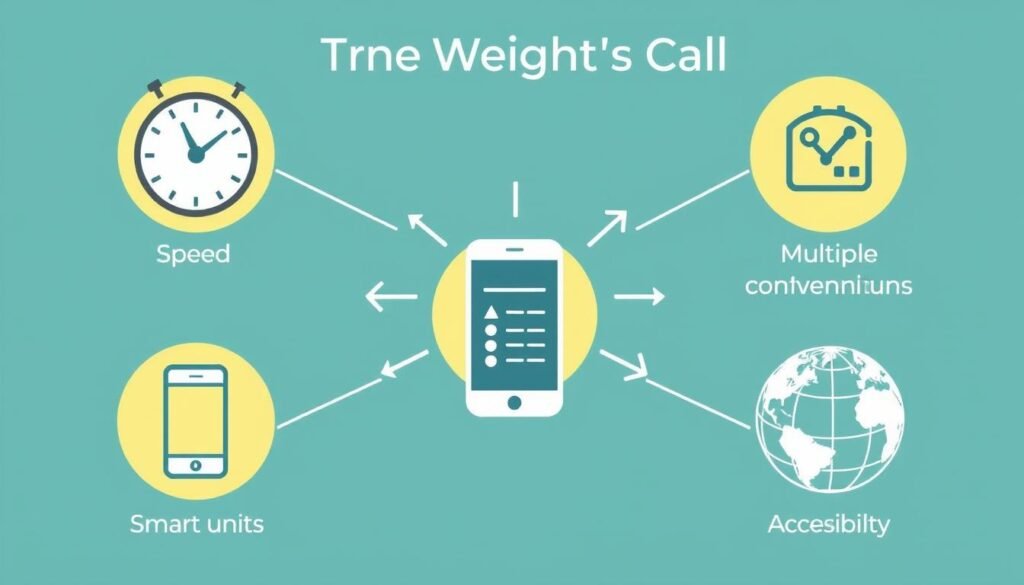
Advantages of Online Weight Calculators
- Speed and Efficiency: Instant conversions without manual calculations
- Accuracy: Elimination of human error in complex conversion formulas
- Convenience: Available on any device with internet access
- Multiple Conversions: Convert between numerous units simultaneously
- Educational Value: Learn relationships between different weight systems
- Time-Saving: Particularly valuable for frequent conversions
- Accessibility: No need for specialized knowledge of conversion factors
Limitations to Consider
- Internet Dependency: Requires online access for most calculators
- Varying Precision: Some calculators may round differently
- Understanding Context: Still requires knowledge of which unit is appropriate
Real-World Example: International Recipe Conversion
Consider a scenario where you’re following a British recipe that lists ingredients in grams, but your kitchen scale only measures in ounces:

Online weight calculators simplify international recipe conversions
| Ingredient | Original (grams) | Converted (ounces) |
| Flour | 250 g | 8.82 oz |
| Butter | 100 g | 3.53 oz |
| Sugar | 150 g | 5.29 oz |
Without a weight calculator, you would need to perform each conversion manually, increasing the chance of error. With an online calculator, all conversions are instant and accurate, allowing you to focus on cooking rather than mathematics.
Weight calculators provide consistent results across different devices
For professionals who rely on precise measurements—such as pharmacists calculating medication dosages or shipping companies determining international postage—the accuracy and efficiency of online weight calculators are invaluable, potentially preventing costly errors.
Conclusion: Simplifying Weight Conversion
Weight calculators serve as essential tools for navigating the complex world of weight measurement systems. Whether you’re cooking an international recipe, tracking your fitness progress, calculating shipping costs, or working in a scientific field, the ability to quickly and accurately convert between different weight units is invaluable.
Understanding the relationships between common weight units—such as kilograms, pounds, ounces, and grams—provides a foundation for making informed conversions. While manual calculations using conversion formulas are possible, online weight calculators offer superior speed, accuracy, and convenience, especially when dealing with multiple conversions or complex values.
By eliminating the potential for human error and saving considerable time, weight calculators allow you to focus on your primary tasks rather than mathematical calculations. Whether you’re a casual user or a professional requiring precise measurements, a reliable weight calculator is an indispensable resource in our increasingly global world where different measurement systems frequently intersect.

Ready to Simplify Your Weight Conversions?
Our suite of calculators includes tools for weight conversion, BMI calculation, body fat percentage, and more—all designed to make your measurements quick, accurate, and hassle-free.
Frequently Asked Questions About Weight Calculation
How accurate are online weight calculators?
Online weight calculators are extremely accurate as they use precise mathematical conversion factors. The accuracy is typically limited only by how many decimal places the calculator displays. For most everyday purposes, they provide more than sufficient precision.
Can I use a weight calculator offline?
Many weight calculator apps offer offline functionality once downloaded. Alternatively, you can save common conversion factors (like 1 kg = 2.20462 lbs) for manual calculations when internet access isn’t available.
Why do different countries use different weight systems?
Different weight systems evolved historically in various regions before global standardization efforts. While the metric system has been adopted internationally for scientific and most commercial purposes, cultural preferences and established practices have maintained the use of imperial and other traditional units in certain countries.
Is a pound the same as a kilogram?
No, a pound and a kilogram are different units of weight measurement. One kilogram equals approximately 2.20462 pounds. This means a kilogram is heavier than a pound—roughly 2.2 times heavier.
How is weight different from mass?
Mass is a measure of the amount of matter in an object and remains constant regardless of location. Weight is the force exerted on an object due to gravity and can vary depending on location (e.g., weight on Earth versus the Moon). In everyday contexts, the terms are often used interchangeably, though they’re technically different physical properties.
Weight calculators serve diverse needs across multiple industries and everyday activities