Have you ever stepped outside on a summer day and felt like it was much hotter than what your weather app reported? That’s the heat index at work – the “feels like” temperature that combines air temperature with humidity to give you a true sense of how hot your body actually experiences the weather. Our Heat Index Calculator helps you determine this crucial measurement to keep you and your loved ones safe during hot weather.

What Is the Heat Index and Why Does It Matter?
The heat index is a measurement that combines air temperature and relative humidity to determine how hot it actually feels to your body. While a thermometer might read 90°F, with high humidity the heat index could reach 105°F or higher – creating potentially dangerous conditions.
Your body naturally cools itself through sweating, but this cooling mechanism becomes less effective as humidity rises. When the air is already saturated with moisture, sweat can’t evaporate efficiently from your skin, reducing your body’s ability to cool down. This is why humid heat feels so much more oppressive than dry heat.
Know Your Heat Risk
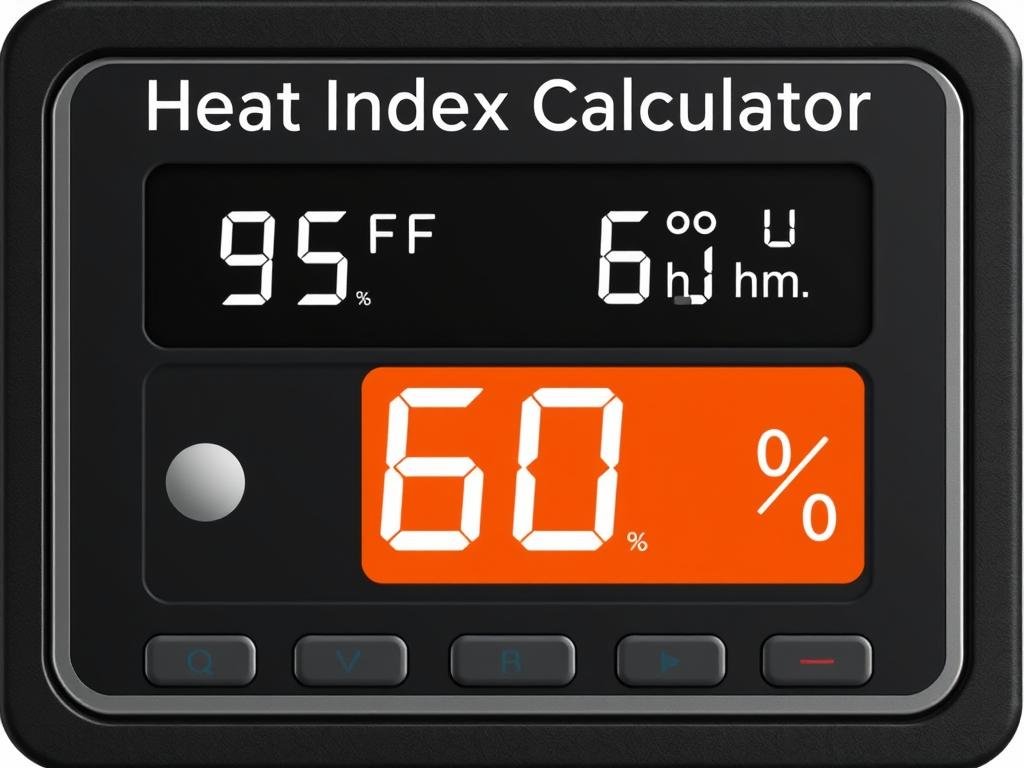
Don’t rely on temperature alone. Calculate your actual heat exposure based on both temperature and humidity.
How the Heat Index Formula Works
The heat index is calculated using a complex formula that accounts for the relationship between temperature and relative humidity. The National Weather Service developed this formula based on how the human body responds to different combinations of these factors.
Key Factors in the Heat Index Formula:
- Air temperature (measured in °F or °C)
- Relative humidity (percentage of moisture in the air)
- Wind speed (can affect perceived temperature)
- Sun exposure (direct sunlight can increase the heat index by up to 15°F)
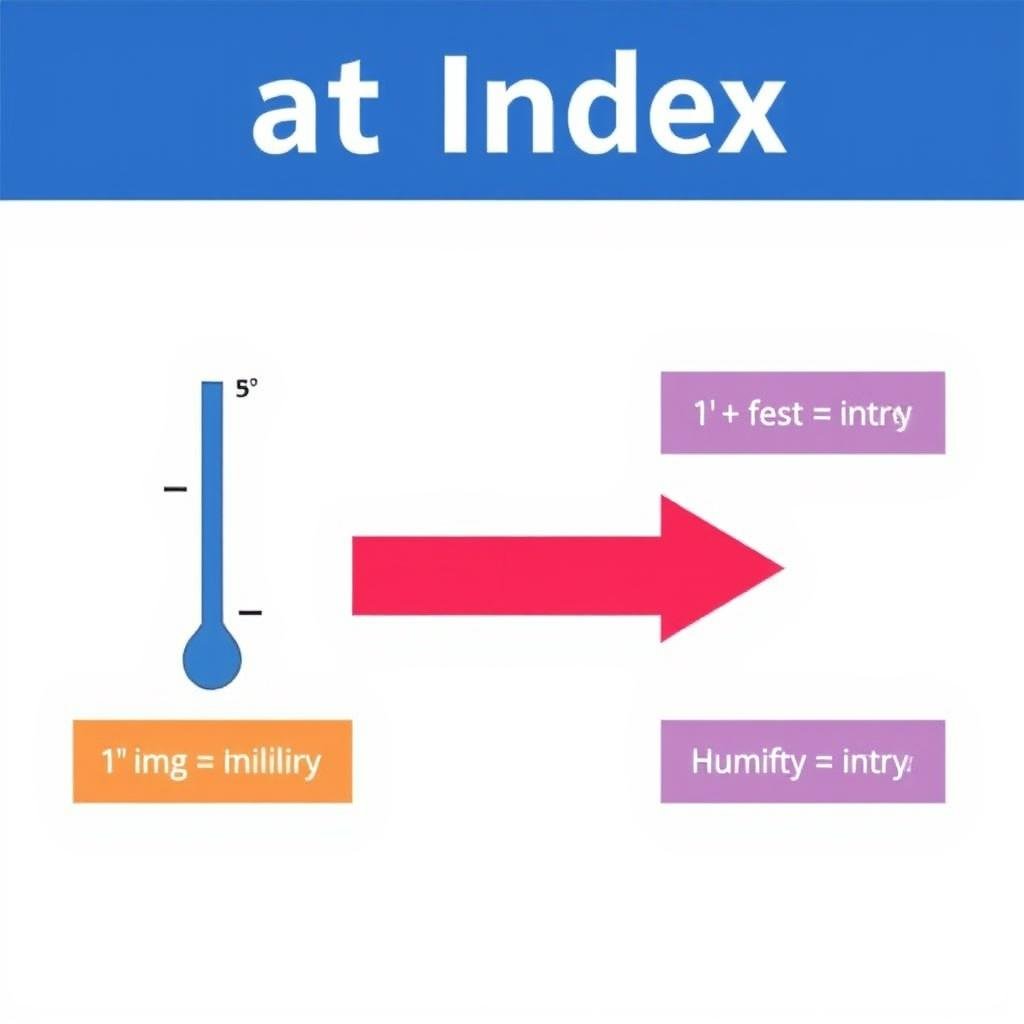
The heat index calculation becomes especially important when temperatures exceed 80°F (27°C) and relative humidity is above 40%. Under these conditions, your body’s natural cooling mechanisms begin to struggle, and the “feels like” temperature can rise significantly above the actual air temperature.
Heat Index Chart: Understanding Your Risk Level
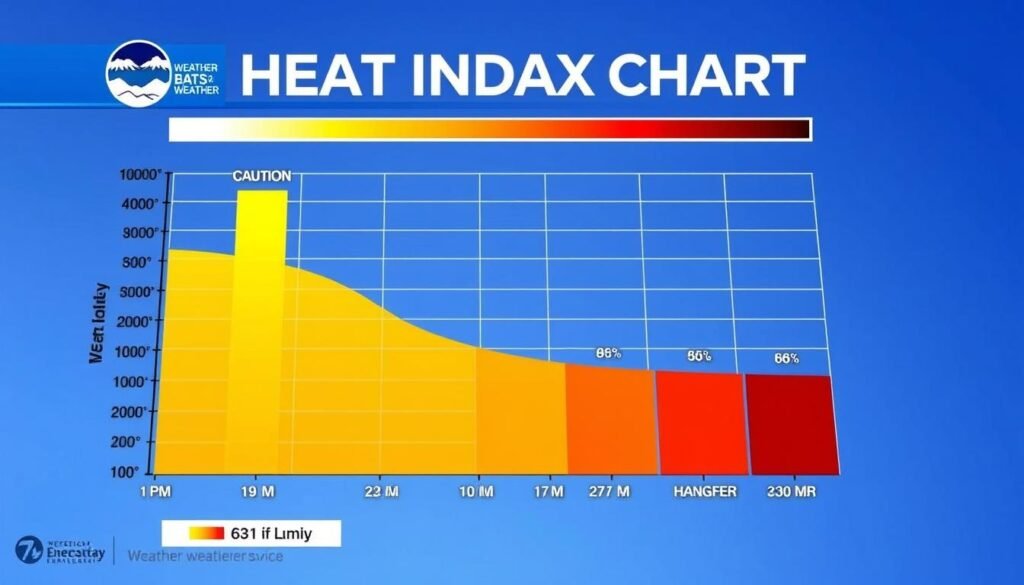
The National Weather Service provides a heat index chart that helps visualize how different combinations of temperature and humidity affect the “feels like” temperature. This chart is color-coded to indicate various risk levels, from caution to extreme danger.
Heat Index Risk Levels:
- 80-90°F: Caution – Fatigue possible with prolonged exposure
- 90-103°F: Extreme Caution – Heat cramps and heat exhaustion possible
- 103-124°F: Danger – Heat exhaustion likely, heat stroke possible
- 125°F+: Extreme Danger – Heat stroke highly likely
Remember that these values assume you’re in the shade with a light wind. Direct sunlight can increase the heat index by up to 15°F, making outdoor activities even more dangerous during hot weather.
Check Your Current Heat Risk
Enter your local temperature and humidity to see your actual heat exposure level.
Health Risks Associated with High Heat Index Values
Understanding the heat index isn’t just about comfort – it’s about safety. Heat is the leading weather-related killer in the United States, causing more fatalities than hurricanes, tornadoes, and floods combined. As the heat index rises, so does your risk of developing heat-related illnesses.
Heat Cramps

Painful muscle spasms that occur during heavy exercise in hot environments. Often the first sign of heat stress.
- Muscle pain or spasms
- Heavy sweating
Heat Exhaustion

Occurs when the body loses excessive water and salt through heavy sweating.
- Heavy sweating
- Cold, pale, clammy skin
- Fast, weak pulse
- Nausea or vomiting
- Muscle cramps
- Fatigue or weakness
- Dizziness
- Headache
Heat Stroke

A life-threatening condition where the body temperature rises above 103°F. Requires immediate emergency treatment.
- High body temperature (103°F+)
- Hot, red, dry skin
- Rapid, strong pulse
- Possible unconsciousness
- Confusion
WARNING: Heat stroke is a medical emergency! If someone shows signs of heat stroke, call 911 immediately and take steps to cool the person until help arrives.
Heat Safety: Prevention Tips for Different Heat Index Ranges
Knowing the heat index allows you to take appropriate precautions based on the actual risk level. Here are specific recommendations for different heat index ranges:
- Stay hydrated with water
- Take regular breaks in shade
- Wear lightweight, light-colored clothing
- Monitor for fatigue
- Schedule outdoor activities during cooler parts of day
Caution (80-90°F)
- Limit outdoor activity
- Drink water every 15-20 minutes
- Take frequent breaks in air conditioning
- Wear sun protection
- Watch for signs of heat exhaustion
- Check on vulnerable people
Extreme Caution (90-103°F)
- Avoid outdoor activities
- Stay in air-conditioned environments
- If outside is unavoidable, take breaks every 15 minutes
- Drink water constantly
- Use cooling methods (cold shower, wet towels)
- Monitor for heat stroke symptoms
- Check frequently on elderly and children
Danger/Extreme Danger (103°F+)

General Heat Safety Tips
Hydration Tips
- Drink before you feel thirsty
- Avoid alcohol, caffeine, and sugary drinks
- Consume electrolytes if sweating heavily
- Check your urine color (pale yellow indicates good hydration)
Cooling Methods
- Use cold compresses on neck, wrists, and ankles
- Take cool showers or baths
- Use fans strategically (when temperature is below 95°F)
- Visit air-conditioned public places if home cooling is unavailable
Special Heat Index Considerations for Vulnerable Groups
Certain populations face higher risks from elevated heat index values and may need to take extra precautions even at lower heat index levels.
| Vulnerable Group | Special Risks | Additional Precautions |
| Elderly (65+) | Reduced ability to regulate body temperature, often on medications that affect heat response | Check in twice daily, ensure access to cooling, monitor for subtle changes in behavior |
| Young Children | Higher surface area to body mass ratio, less efficient sweating, rely on others for hydration | Never leave in vehicles, limit outdoor play during peak heat, hydrate regularly |
| Pregnant Women | Increased core body temperature, higher fluid needs, increased cardiovascular strain | Stay extra hydrated, limit activity in heat, seek air conditioning |
| Outdoor Workers | Prolonged exposure, physical exertion, possible inadequate breaks | Implement work/rest schedules, provide cooling stations, buddy system |
| People with Chronic Conditions | Medications may affect temperature regulation, underlying conditions worsened by heat | Consult doctor about medication adjustments, have emergency plan |

Real-World Applications of the Heat Index Calculator
Understanding and monitoring the heat index has practical applications across many areas of daily life and professional settings. Here’s how different groups use heat index calculations to make important decisions:
Sports and Recreation

Athletic organizations use heat index values to determine when to modify or cancel practices and games. Many schools and sports leagues have specific protocols based on heat index thresholds.
Workplace Safety

Employers use heat index calculations to implement appropriate work/rest cycles, hydration schedules, and cooling stations for outdoor workers, helping prevent heat-related illnesses and injuries.
Public Health

Public health departments monitor heat index forecasts to issue warnings, open cooling centers, and deploy resources to vulnerable populations during heat waves.
“Heat index calculations are not just numbers – they’re life-saving tools that help us make informed decisions about outdoor activities, work schedules, and public health interventions during hot weather.”
Make Better Heat Safety Decisions
Use our calculator to get accurate heat index values for your specific location and conditions.
Frequently Asked Questions About Heat Index
What’s the difference between heat index and actual temperature?
The actual temperature is simply the air temperature measured by a thermometer. The heat index, however, combines this temperature with relative humidity to calculate how hot it actually feels to your body. This “feels like” temperature is often higher than the actual temperature when humidity is high because humidity reduces your body’s ability to cool itself through sweating.
Can the heat index be lower than the actual temperature?
In most cases, the heat index will be equal to or higher than the actual temperature. However, in very dry conditions with low humidity (below 40%), the heat index calculation doesn’t apply, and the “feels like” temperature is generally considered to be the same as the actual temperature.
How does wind affect the heat index?
The standard heat index formula doesn’t account for wind. Wind can actually help cool the body by increasing evaporation of sweat, potentially making it feel cooler than the calculated heat index. However, in extremely hot conditions (above 95°F), hot wind can actually increase heat stress on the body.
How often should I check the heat index during hot weather?
During hot weather, it’s advisable to check the heat index at least once in the morning and once in the afternoon, as conditions can change significantly throughout the day. If you’re planning outdoor activities or work, check the heat index forecast for those specific hours to make appropriate preparations.

Stay Safe with Accurate Heat Index Information
The heat index is more than just an interesting weather statistic – it’s a crucial safety tool that helps you understand your actual risk during hot weather. By using our Heat Index Calculator, you can make informed decisions about outdoor activities, work schedules, and protective measures based on how hot it really feels, not just what the thermometer says.
Remember that heat-related illnesses are preventable with proper knowledge and precautions. By understanding the heat index and implementing appropriate safety measures, you can enjoy summer activities while minimizing your risk of heat-related health problems.
Take Control of Your Heat Safety
Don’t let the heat catch you off guard. Calculate your actual heat exposure and stay protected.