Use our BMR Calculator to estimate your Basal Metabolic Rate. Understand daily calorie needs, plan nutrition, and manage weight effectively.
Your basal metabolic rate (BMR) is the number of calories your body needs to perform essential functions while at rest. Understanding your BMR is crucial for effective weight management, fitness planning, and overall health. Our BMR calculator helps you determine your daily caloric needs based on scientifically validated formulas, giving you valuable insights into your metabolism and energy requirements.
BMR Calculator
Use our calculator below to determine your basal metabolic rate. Simply enter your details and click “Calculate” to see your results.
Your Results
Your Basal Metabolic Rate (BMR)
0 calories/day
This is the number of calories your body needs at complete rest.
Total Daily Energy Expenditure (TDEE)
0 calories/day
This is your estimated daily calorie needs based on your activity level.
For weight maintenance: Consume approximately your TDEE in calories daily.
For weight loss: Consume 300-500 calories less than your TDEE.
For weight gain: Consume 300-500 calories more than your TDEE.

What Is Basal Metabolic Rate (BMR)?
Basal metabolic rate refers to the minimum number of calories your body needs to perform basic life-sustaining functions while at complete rest. These functions include:
- Breathing and circulation
- Cell production and growth
- Hormone regulation
- Brain function
- Maintaining body temperature
Your BMR accounts for approximately 60-70% of your total daily energy expenditure. The remaining energy is used for physical activity (20-30%) and food digestion (10%), also known as the thermic effect of food.
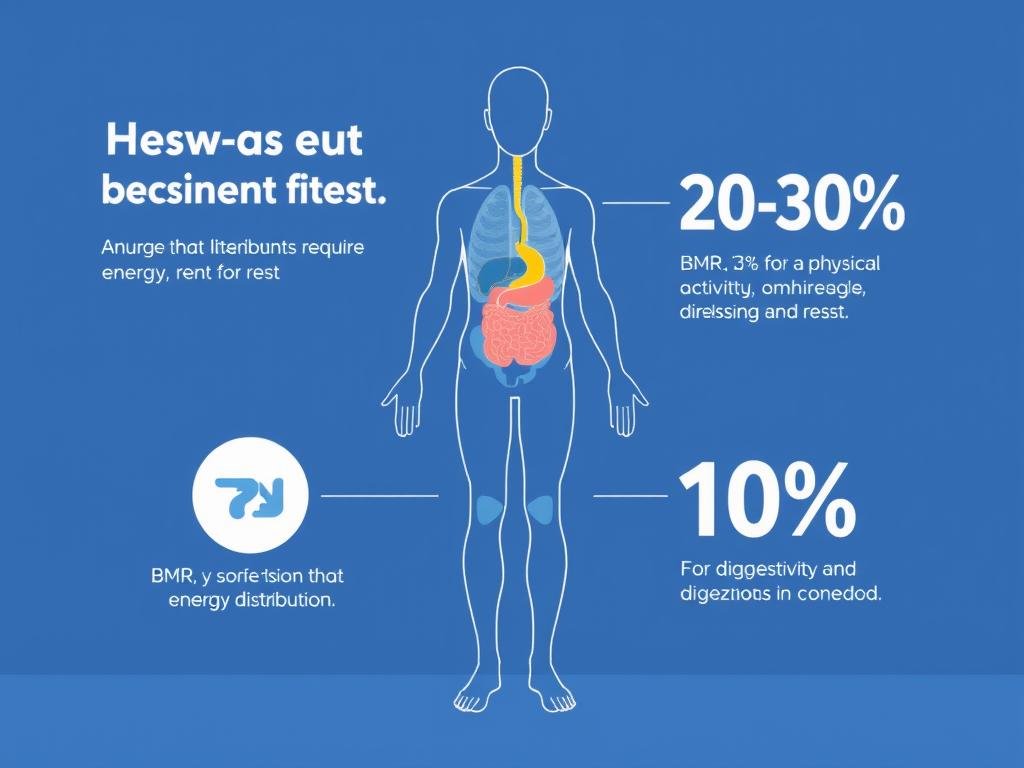
Understanding your BMR provides valuable insight into your body’s caloric needs and can help you make informed decisions about your diet and exercise routines. It’s important to note that BMR is different from Resting Metabolic Rate (RMR), which measures energy expenditure while awake but at rest.
BMR Calculation Formulas
Several equations have been developed to calculate BMR. Our calculator uses the most accurate and widely accepted formulas.
Mifflin-St Jeor Equation (Recommended)
Considered the most accurate for most people, this formula was developed in 1990:
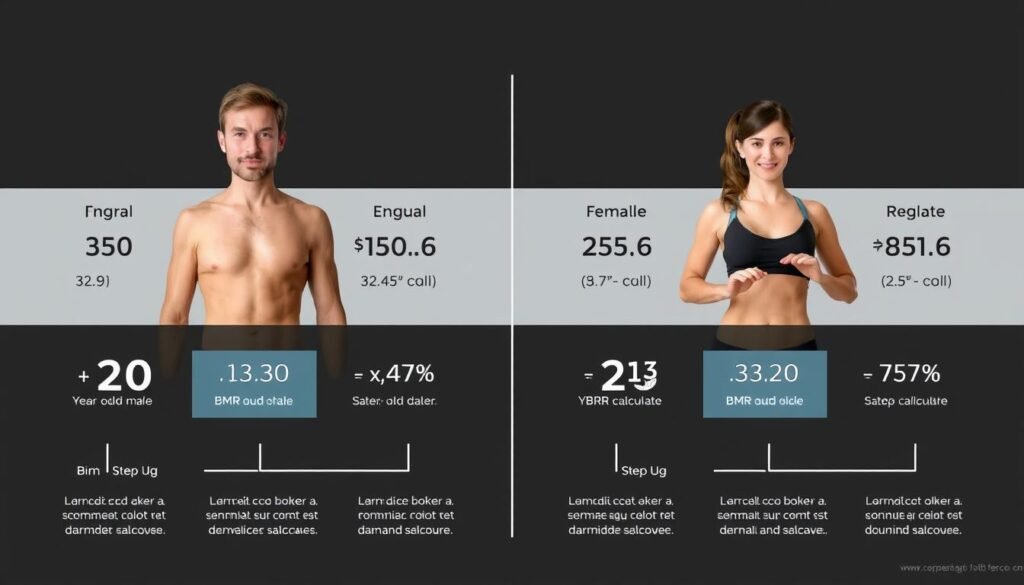
For men: BMR = (10 × weight in kg) + (6.25 × height in cm) – (5 × age in years) + 5
For women: BMR = (10 × weight in kg) + (6.25 × height in cm) – (5 × age in years) – 161
Harris-Benedict Equation (Revised)
This older equation was revised in 1984 and is still commonly used:
For men: BMR = 13.397W + 4.799H – 5.677A + 88.362
For women: BMR = 9.247W + 3.098H – 4.330A + 447.593
Where W = weight in kg, H = height in cm, A = age in years
Katch-McArdle Formula
This formula takes into account lean body mass, making it more accurate for athletic individuals who know their body fat percentage:
BMR = 370 + (21.6 × lean body mass in kg)
Where lean body mass = weight in kg × (1 – body fat percentage/100)

BMR Calculation Examples
Let’s look at some examples to better understand how BMR is calculated using the Mifflin-St Jeor equation:
Example 1: 30-year-old male
- Weight: 80 kg (176 lbs)
- Height: 180 cm (5’11”)
- Age: 30 years
BMR calculation:
(10 × 80) + (6.25 × 180) – (5 × 30) + 5
800 + 1,125 – 150 + 5 = 1,780 calories/day
Example 2: 35-year-old female
- Weight: 65 kg (143 lbs)
- Height: 165 cm (5’5″)
- Age: 35 years
BMR calculation:
(10 × 65) + (6.25 × 165) – (5 × 35) – 161
650 + 1,031.25 – 175 – 161 = 1,345 calories/day
From BMR to Total Daily Energy Expenditure (TDEE)
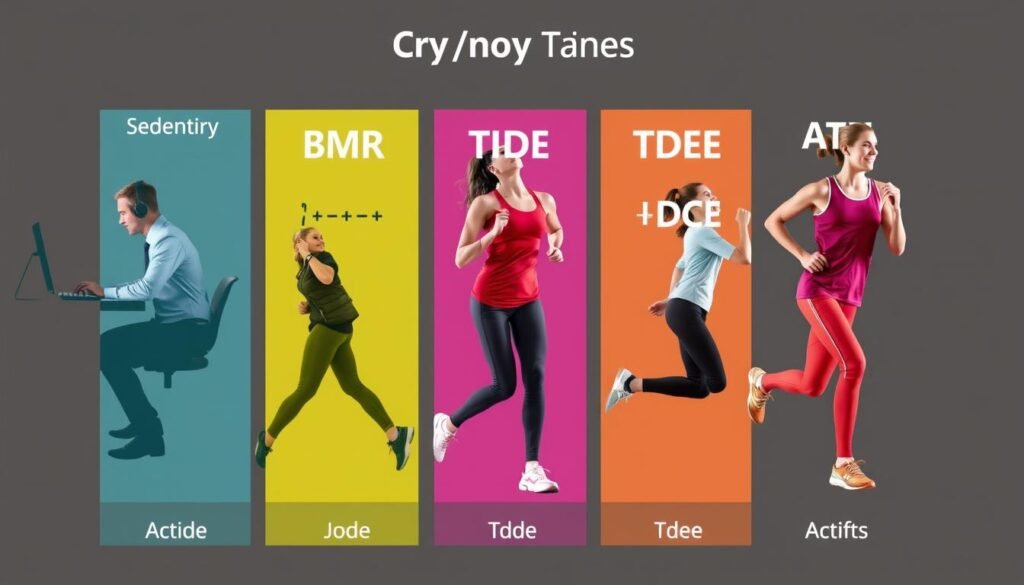
Your BMR is just one component of your total daily energy expenditure (TDEE). To determine your complete caloric needs, you need to account for your physical activity level.
| Activity Level | Description | Multiplier | Example |
| Sedentary | Little or no exercise | BMR × 1.2 | Office job with no additional physical activity |
| Lightly Active | Light exercise 1-3 days/week | BMR × 1.375 | Walking, light gardening, yoga |
| Moderately Active | Moderate exercise 3-5 days/week | BMR × 1.55 | Jogging, cycling, recreational sports |
| Very Active | Hard exercise 6-7 days/week | BMR × 1.725 | Intense gym workouts, training |
| Extra Active | Very hard exercise & physical job | BMR × 1.9 | Professional athletes, construction workers |
To calculate your TDEE, simply multiply your BMR by the appropriate activity factor. For example, if your BMR is 1,500 calories and you’re moderately active, your TDEE would be 1,500 × 1.55 = 2,325 calories per day.
Factors That Affect Your BMR
Several factors influence your basal metabolic rate. Understanding these can help you better interpret your BMR results.
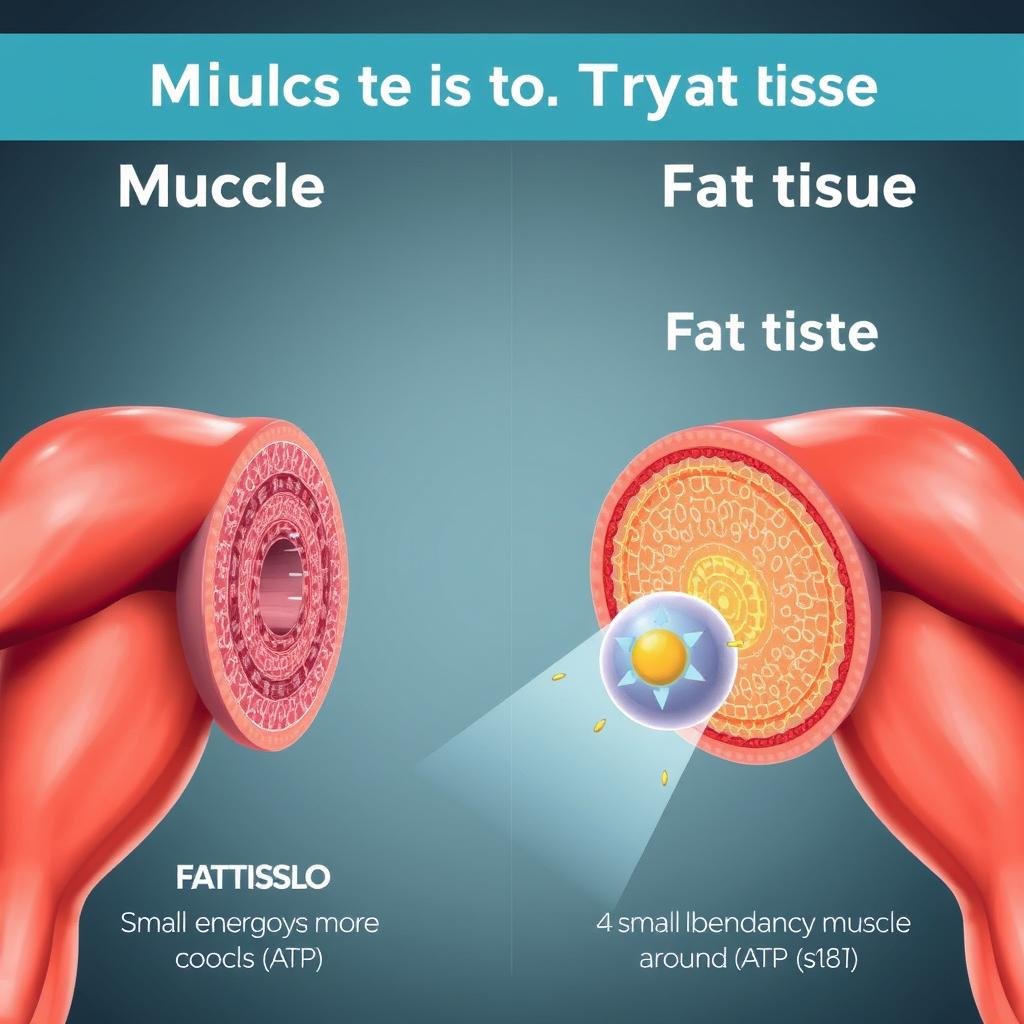
Body Composition
Muscle tissue requires more energy to maintain than fat tissue. People with higher muscle mass typically have a higher BMR, which is why strength training can help boost metabolism.
Age
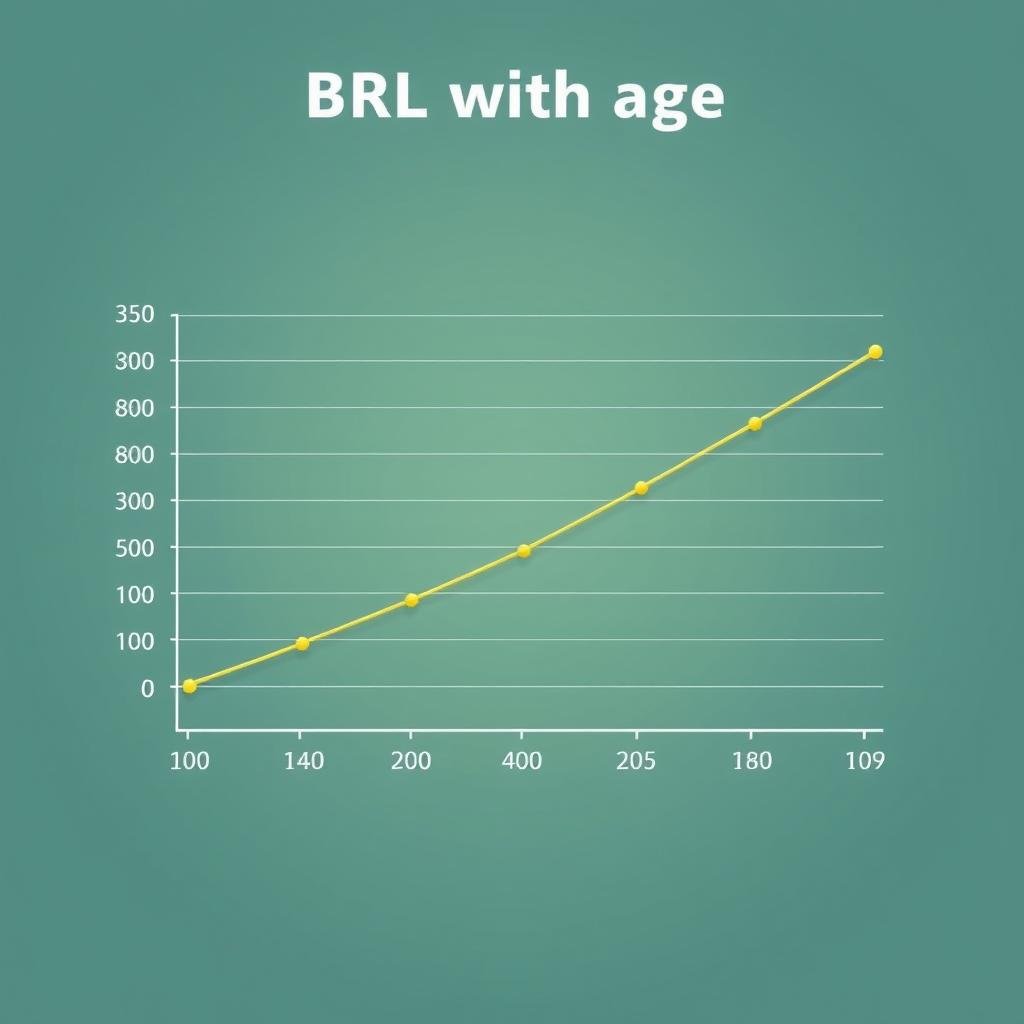
BMR typically decreases with age due to the natural loss of muscle mass and hormonal changes. After age 20, BMR decreases approximately 1-2% per decade.
Gender
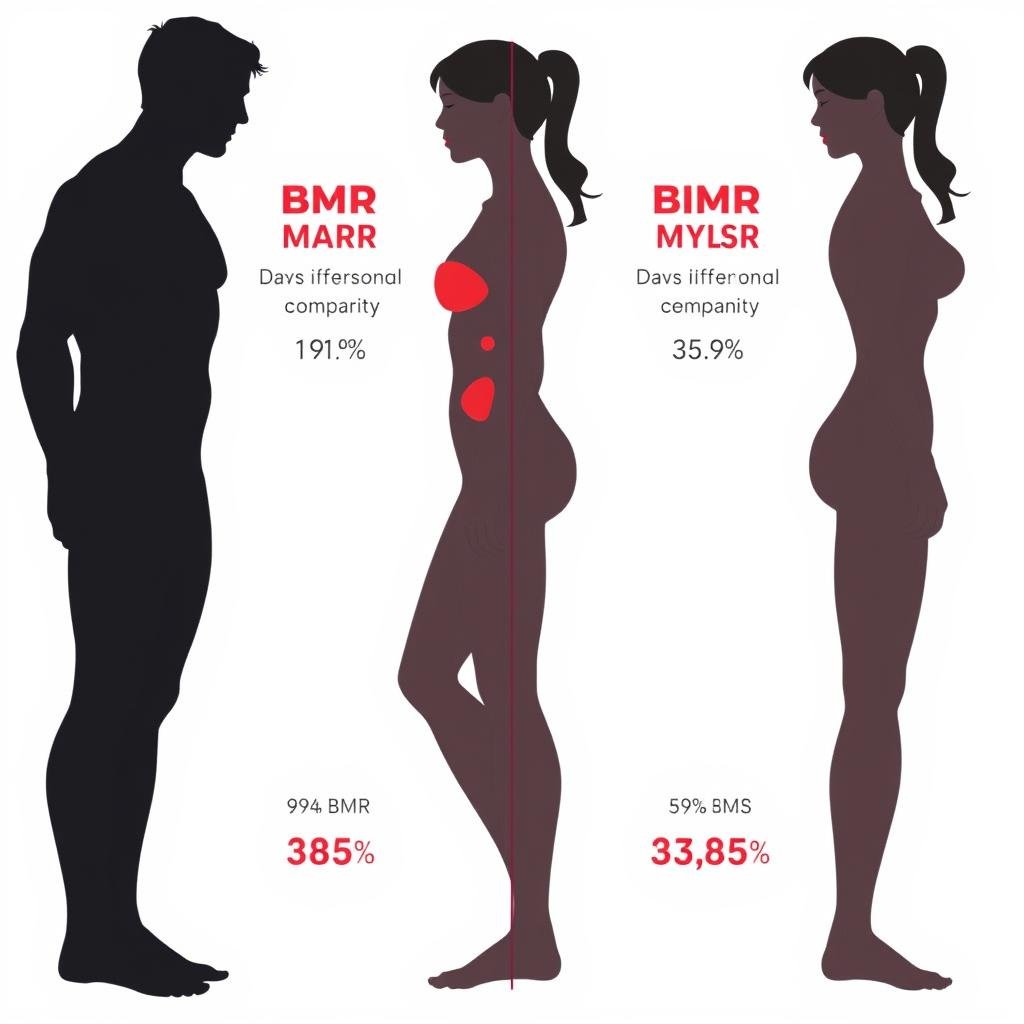
Men generally have higher BMRs than women of the same age and weight because they typically have more muscle mass and less body fat.
Genetics
Your genetic makeup plays a significant role in determining your BMR. Some people naturally have faster or slower metabolisms due to inherited traits.

Hormones
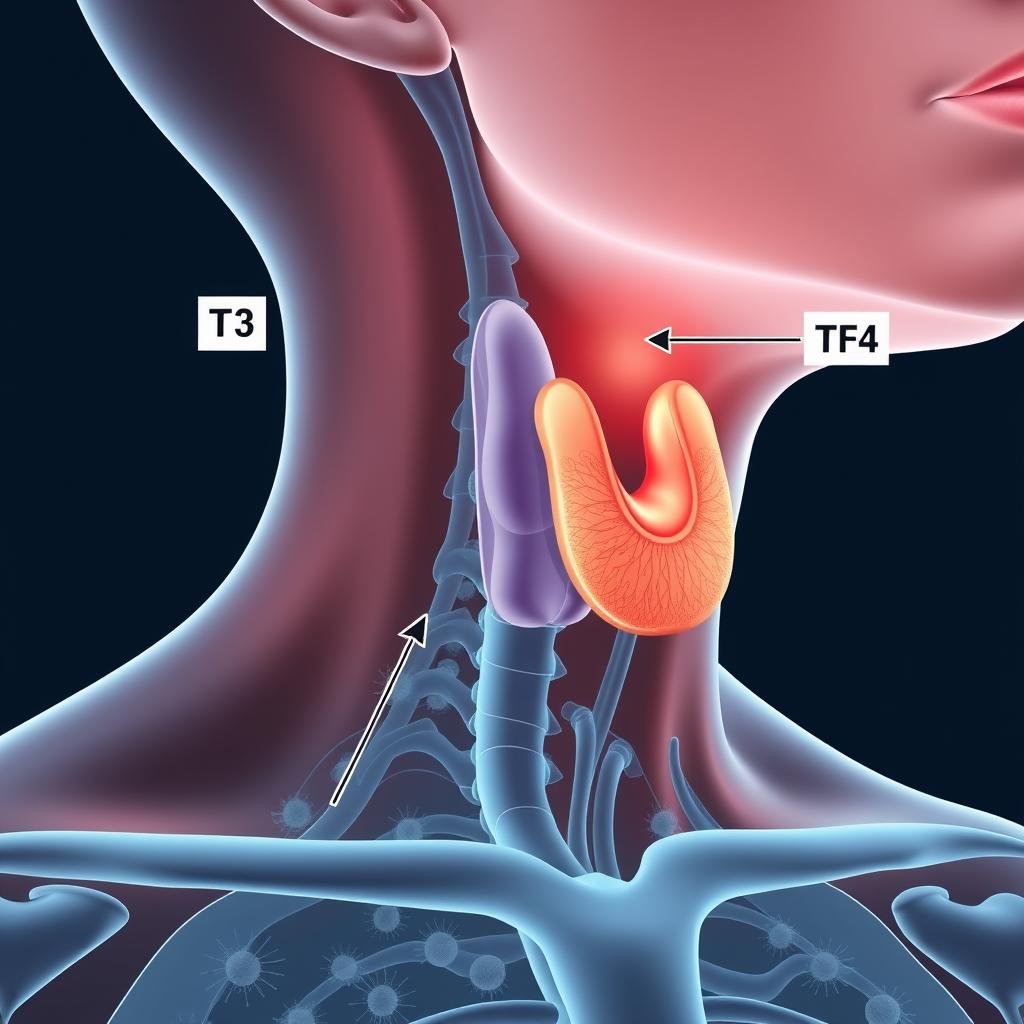
Thyroid hormones, in particular, regulate metabolism. Conditions like hypothyroidism can slow your BMR, while hyperthyroidism can increase it.
Environmental Factors
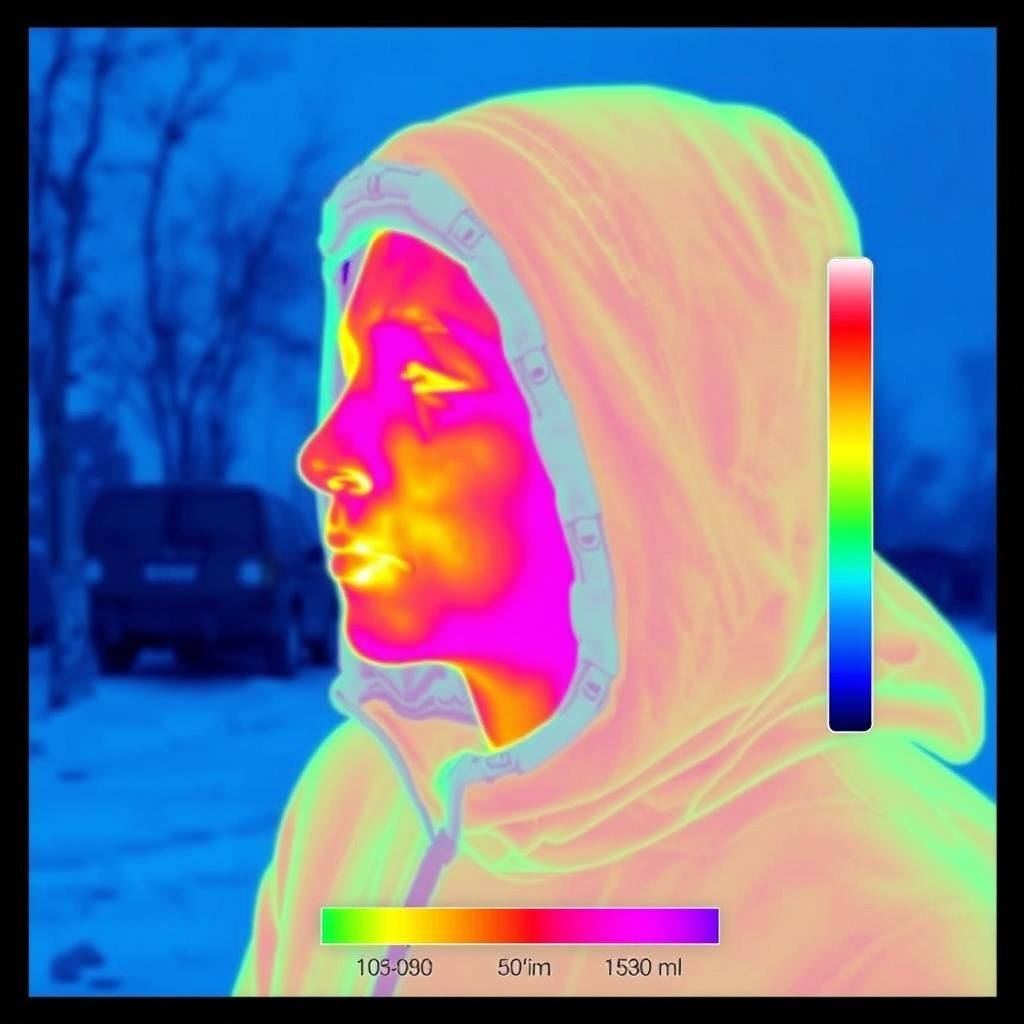
Temperature can affect BMR. In cold environments, your body works harder to maintain core temperature, temporarily increasing BMR.
How to Increase Your BMR Naturally
While some factors affecting your BMR are beyond your control, there are several evidence-based strategies to naturally boost your metabolic rate:
Build Muscle Mass
Strength training and resistance exercises help build lean muscle tissue, which burns more calories at rest than fat tissue. Aim for at least 2-3 strength training sessions per week.
Stay Properly Hydrated
Studies suggest that drinking water can temporarily boost metabolism. Aim for 8-10 glasses daily, and consider cold water, which requires more energy to warm up to body temperature.
Eat Enough Protein
Protein has a higher thermic effect than carbohydrates or fats, meaning your body burns more calories digesting it. Include quality protein sources in each meal.
Don’t Drastically Cut Calories
Severe calorie restriction can signal your body to conserve energy, slowing your metabolism. Instead, create a moderate calorie deficit for sustainable weight loss.
Get Adequate Sleep
Poor sleep can disrupt hormones that regulate metabolism. Aim for 7-9 hours of quality sleep each night to support optimal metabolic function.
Stay Active Throughout the Day
Even small movements add up. Take the stairs, walk during phone calls, or set reminders to stand up and stretch every hour if you have a sedentary job.

Ready to Optimize Your Metabolism?
Calculate your BMR now and take the first step toward a more informed approach to your health and fitness goals.
Common Misconceptions About BMR and Metabolism
Myth: Metabolism completely stops during sleep
Reality: Your metabolism doesn’t stop while you sleep. In fact, many important metabolic processes occur during sleep, including tissue repair and hormone regulation. Your BMR continues to function, though it may decrease slightly compared to when you’re awake.
Myth: Eating small, frequent meals “stokes” your metabolism
Reality: Research shows that meal frequency has minimal impact on metabolic rate. What matters more is your total daily caloric intake and the quality of those calories. Some studies even suggest that intermittent fasting may have metabolic benefits for certain individuals.
Myth: Certain foods like spicy peppers significantly boost metabolism
Reality: While some foods may have a minor, temporary effect on metabolism, these effects are typically minimal and short-lived. No single food can dramatically increase your BMR long-term. Sustainable metabolic health comes from consistent habits rather than “miracle” foods.
Myth: Your metabolism is entirely determined by genetics
Reality: While genetics do play a role in determining your BMR, lifestyle factors like physical activity, muscle mass, and diet have significant impacts that can override genetic predispositions. Even people with a “slow metabolism” can improve their metabolic health through consistent healthy habits.
Understanding Your BMR: The Foundation of Metabolic Health
Your basal metabolic rate provides valuable insight into your body’s energy needs and serves as a foundation for making informed decisions about nutrition and exercise. By understanding your BMR, you can:
- Set realistic weight management goals
- Create personalized nutrition plans based on your specific caloric needs
- Better understand how your body uses energy
- Make more informed choices about your diet and exercise routine
- Track changes in your metabolism over time
Remember that while BMR calculators provide useful estimates, individual variations exist. Use these calculations as a starting point and adjust based on your personal experience and results. For the most accurate assessment of your metabolic rate, consider consulting with a healthcare professional or registered dietitian.
Take Control of Your Metabolic Health Today
Calculate your BMR, understand your body’s unique energy needs, and take the first step toward a more informed approach to your health and fitness journey.