Use our Body Fat Calculator to estimate body fat percentage based on measurements. Track fitness progress, plan workouts, and maintain a healthy body composition.
Body fat percentage is a key indicator of your overall health and fitness that goes beyond what a standard scale can tell you. While weight alone doesn’t distinguish between muscle, fat, and other tissues, your body fat percentage reveals the actual composition of your body. Our body fat calculator provides a simple way to estimate this important metric using measurements you can take at home.
Whether you’re tracking fitness progress, setting weight loss goals, or monitoring your health, understanding your body fat percentage gives you more meaningful insights than just knowing your weight. This guide will walk you through different calculation methods, how to interpret your results, and practical ways to apply this knowledge to your health journey.
Body Fat Percentage Calculator
Use the calculator below to estimate your body fat percentage. For the most accurate results, take measurements carefully following the guidelines in the next section.

Proper waist measurement technique: measure at navel level while standing relaxed
What Is Body Fat Percentage?
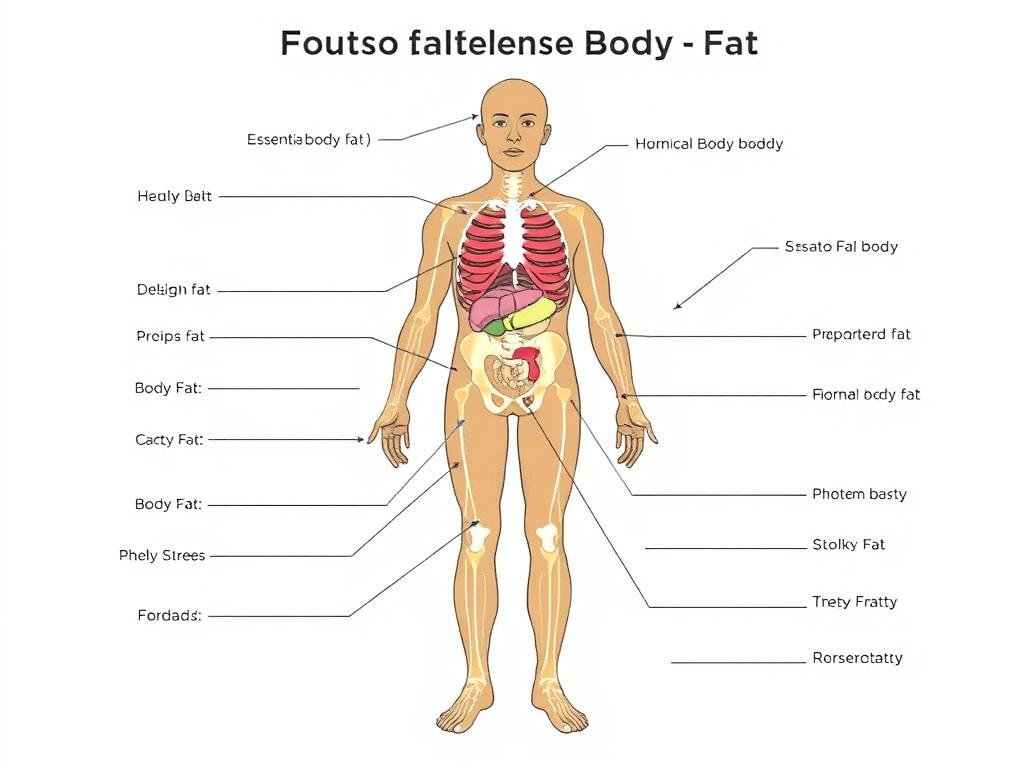
Body fat percentage represents the proportion of your total body weight that is made up of fat. It includes both essential fat (necessary for basic bodily functions) and storage fat (accumulated energy reserves).
Essential Body Fat
Essential fat is vital for normal physiological functions. It’s found in your bone marrow, organs, central nervous system, and muscles. Women naturally have more essential fat than men due to reproductive needs.
- Men: 2-5% essential fat
- Women: 10-13% essential fat
Storage Body Fat
Storage fat accumulates when you consume more calories than you burn. It serves as energy reserves and insulation. While some storage fat is normal and healthy, excess amounts can lead to health problems.
The location of fat storage matters too. Subcutaneous fat (under the skin) is less concerning than visceral fat (around organs), which is linked to higher health risks.
Body Fat Calculator Methods
There are several ways to estimate body fat percentage, each with different levels of accuracy, convenience, and cost. The calculator above uses the U.S. Navy method, but here are the most common approaches:

U.S. Navy Method
Uses measurements of neck, waist, and hip circumferences (for women) in a formula to estimate body fat. It’s convenient, requires only a tape measure, and provides reasonable accuracy for most people.
Skinfold Caliper Method
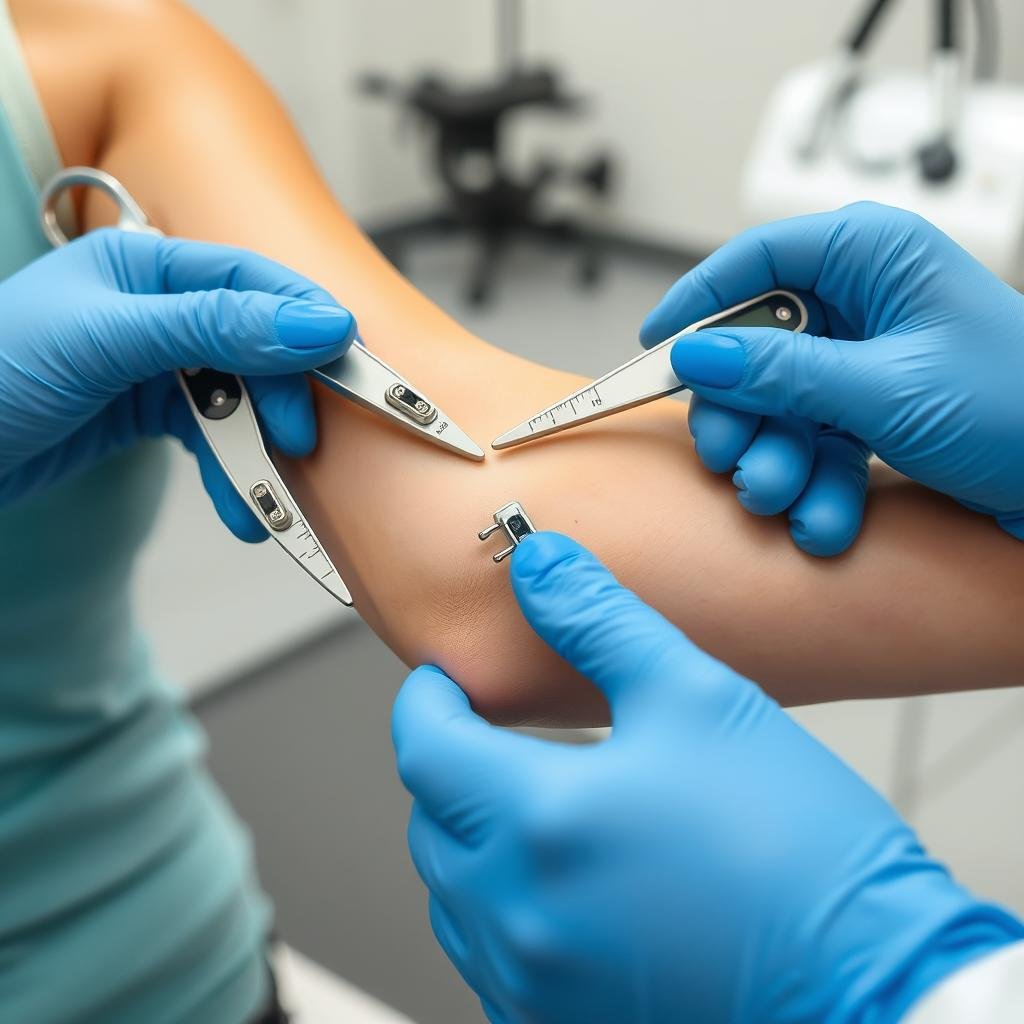
Uses special calipers to measure the thickness of skin folds at specific body sites. The measurements are then used in equations to estimate body fat. More accurate than the Navy method but requires proper technique.

BMI-Based Method
Uses your Body Mass Index (BMI) along with age and gender in formulas to estimate body fat. It’s the least accurate method but requires only height and weight measurements.
How to Take Accurate Measurements
The accuracy of your body fat calculation depends on how precisely you take your measurements. Follow these guidelines for the U.S. Navy method:
Neck Measurement
Place the tape measure around your neck, just below the larynx (Adam’s apple). The tape should be perpendicular to the long axis of your neck. Don’t pull the tape too tight.

Waist Measurement
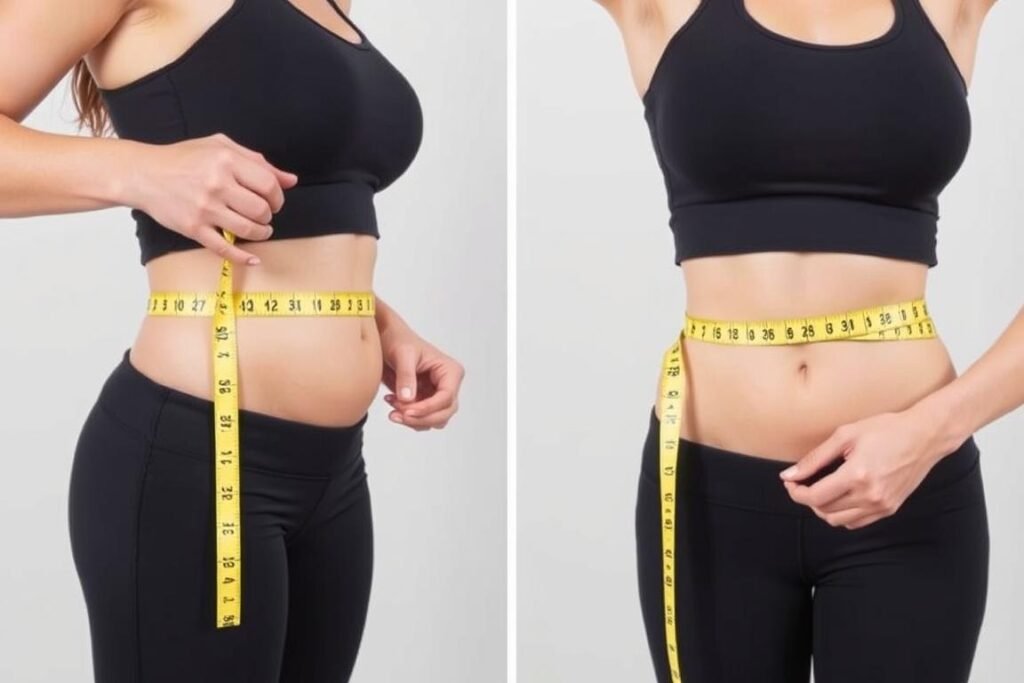
For men: Measure at the level of your navel while standing relaxed (not sucking in).
For women: Measure at the narrowest point of your waist.
Hip Measurement (Women Only)
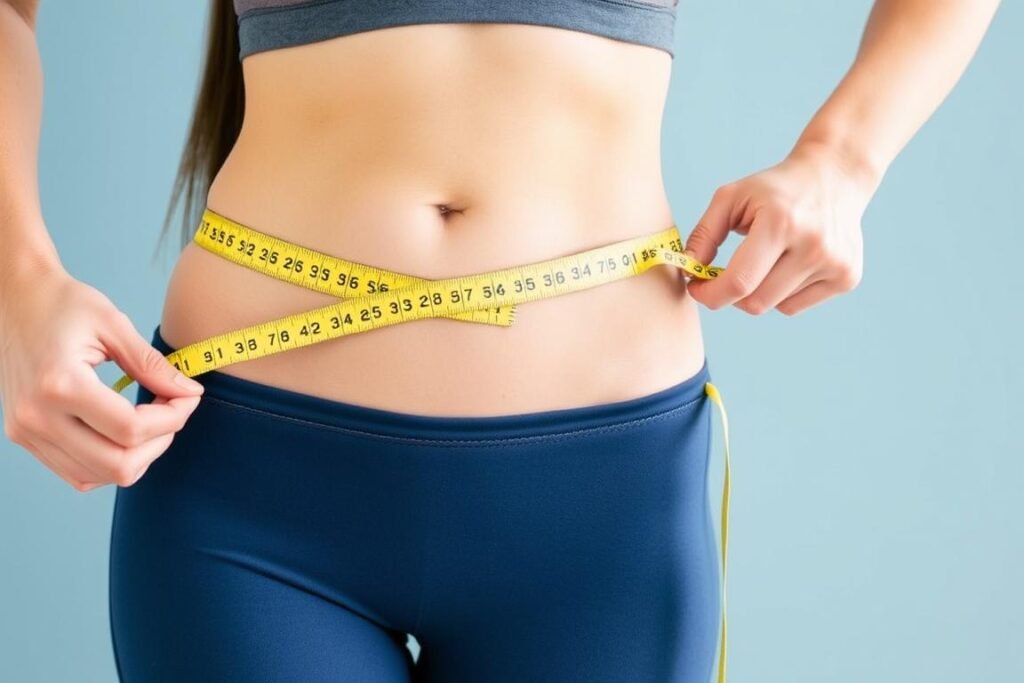
Measure around the widest part of your hips and buttocks. The tape should be parallel to the floor.
Measurement Tips for Accuracy
- Use a flexible, non-stretching tape measure
- Take measurements in the morning before eating
- Stand straight but relaxed when measuring
- Take each measurement twice and average the results
- Be consistent with measurement locations when tracking over time
Using the Skinfold Method
The skinfold method is more accurate than circumference measurements but requires special calipers and proper technique. Here’s how to use this method:
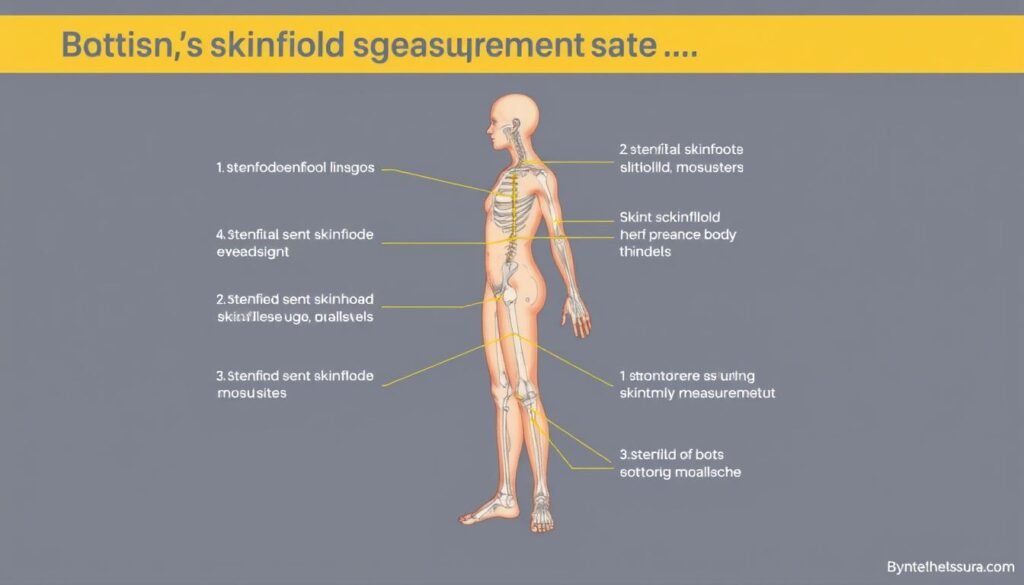
Common Measurement Sites
For Men (3-Site Method)
- Chest: Diagonal fold halfway between the nipple and armpit
- Abdomen: Vertical fold 1 inch to the right of the navel
- Thigh: Vertical fold on the front of the thigh, midway between hip and knee
For Women (3-Site Method)
- Triceps: Vertical fold on the back of the upper arm, midway between shoulder and elbow
- Suprailiac: Diagonal fold just above the hip bone
- Thigh: Same as men
Skinfold Measurement Technique
- Pinch the skin and underlying fat, lifting it away from the muscle
- Place the caliper jaws perpendicular to the fold, about 1 cm from your fingers
- Wait 1-2 seconds after applying the caliper before reading the measurement
- Take at least two measurements at each site and average them
- Input the measurements into a skinfold formula calculator
BMI-Based Body Fat Estimation
While less accurate than other methods, BMI-based formulas can provide a rough estimate of body fat percentage when other tools aren’t available.

BMI-Based Formulas
| Population | Formula | Accuracy |
| Adult Men | Body Fat % = (1.20 × BMI) + (0.23 × Age) – 16.2 | ±5-6% |
| Adult Women | Body Fat % = (1.20 × BMI) + (0.23 × Age) – 5.4 | ±5-6% |
| Boys | Body Fat % = (1.51 × BMI) – (0.70 × Age) – 2.2 | ±6-7% |
| Girls | Body Fat % = (1.51 × BMI) – (0.70 × Age) + 1.4 | ±6-7% |
BMI Method Limitations
The BMI method doesn’t account for muscle mass, bone density, or fat distribution. It’s particularly inaccurate for athletes, bodybuilders, pregnant women, and the elderly. Use it only as a rough estimate when other methods aren’t available.
Understanding Your Body Fat Percentage Results
Once you’ve calculated your body fat percentage, you’ll want to know what the number means. The table below shows general body fat percentage categories based on guidelines from the American Council on Exercise.
| Category | Women | Men | Description |
| Essential Fat | 10-13% | 2-5% | Minimum needed for basic physiological functions |
| Athletes | 14-20% | 6-13% | Typical for competitive athletes |
| Fitness | 21-24% | 14-17% | Lean, defined appearance with visible muscle tone |
| Average | 25-31% | 18-24% | Typical for the general population |
| Obese | 32%+ | 25%+ | Increased health risk factors |
Age-Specific Healthy Ranges
Body fat naturally increases with age. The table below shows healthy body fat percentage ranges by age group.
| Age Group | Women (Healthy Range) | Men (Healthy Range) |
| 20-29 | 16-24% | 7-17% |
| 30-39 | 17-25% | 12-21% |
| 40-49 | 19-28% | 14-23% |
| 50-59 | 22-31% | 16-24% |
| 60+ | 22-33% | 17-25% |
Limitations of Body Fat Calculators
While body fat calculators provide useful estimates, they have several limitations you should be aware of:
Advantages
- Convenient and free to use
- No special equipment needed (for Navy method)
- Good for tracking changes over time
- Non-invasive measurement process
- Provides immediate results
Limitations
- Provides estimates, not exact measurements
- Accuracy varies by 3-8% depending on method
- Less accurate for very muscular or very lean individuals
- Measurement technique affects results
- Doesn’t show fat distribution (visceral vs. subcutaneous)
More Accurate Measurement Methods
For more precise body fat measurements, consider these professional methods:
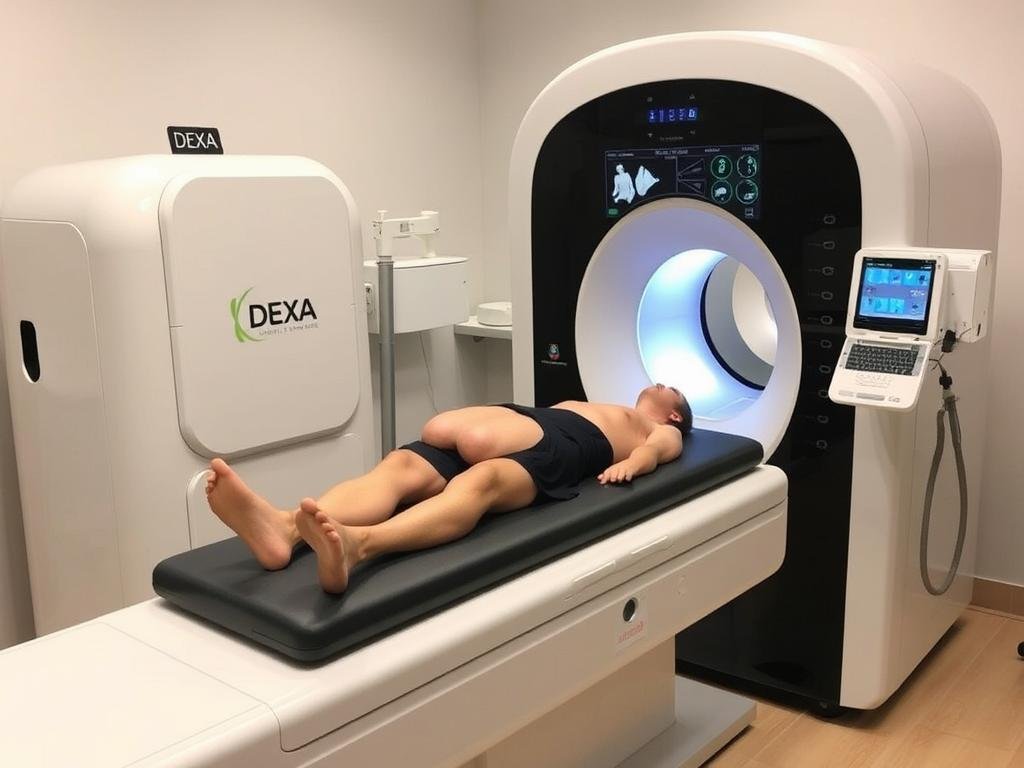
DEXA Scan
Dual-energy X-ray absorptiometry provides highly accurate measurements of body composition, including bone density. It’s considered the gold standard but requires specialized equipment and professional administration.
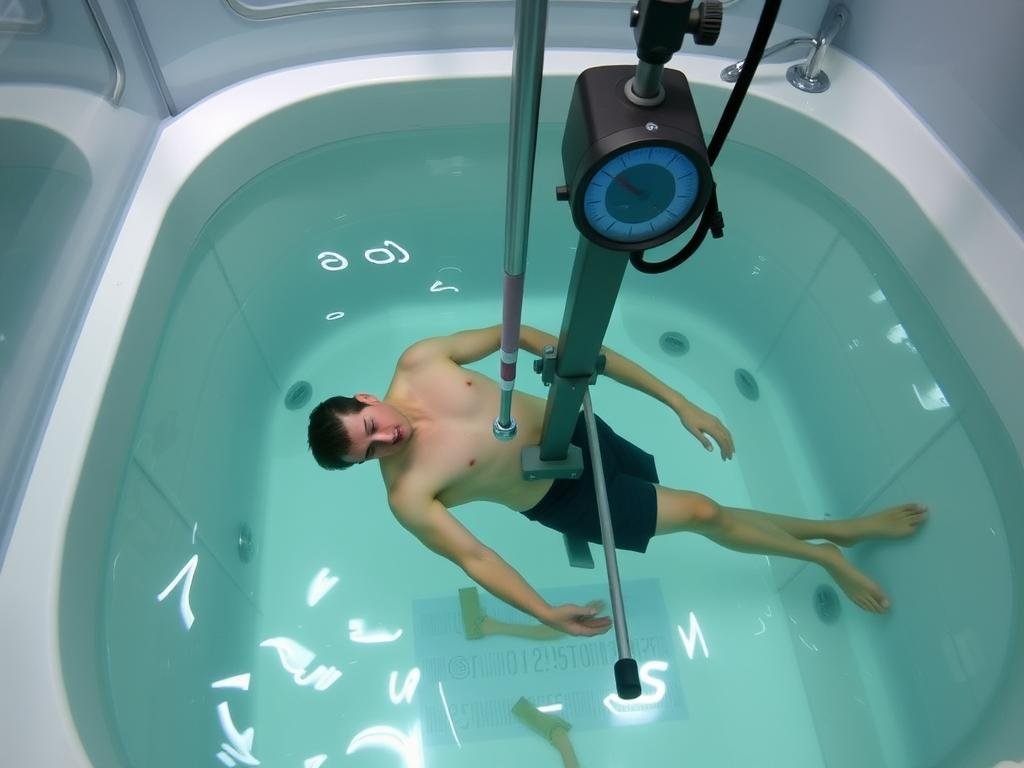
Hydrostatic Weighing
This method involves being weighed underwater to determine body density and calculate fat percentage. It’s very accurate but requires specialized equipment and proper technique.
Practical Applications of Body Fat Percentage
Understanding your body fat percentage can help you set realistic fitness goals and track your progress more effectively than just monitoring weight.
Setting Fitness Goals
Use your body fat percentage to set specific, measurable goals:
- Fat loss targets (e.g., reduce from 30% to 25%)
- Muscle maintenance during weight loss
- Athletic performance optimization
Tracking Progress
Monitor changes in body composition over time:
- Measure monthly to see trends
- Track fat loss vs. muscle gain
- Adjust nutrition and exercise as needed
Health Assessment
Use body fat data as part of overall health monitoring:
- Evaluate health risk factors
- Complement other health metrics
- Share data with healthcare providers
Track Your Body Composition Journey
Regular monitoring of your body fat percentage can help you stay motivated and make informed adjustments to your fitness and nutrition plan. Use our calculator monthly to track your progress.
Conclusion
Body fat calculators provide a convenient way to estimate your body composition without expensive equipment or professional assistance. While they’re not as precise as clinical methods, they offer valuable insights for tracking fitness progress and setting realistic health goals.
Remember that body fat percentage is just one metric of health and fitness. It should be considered alongside other factors like strength, endurance, flexibility, and overall well-being. Use the calculator as a tool to guide your fitness journey, not as the sole measure of your health or self-worth.
For the most accurate assessment of your body composition and personalized health recommendations, consider consulting with a healthcare provider or certified fitness professional.