Use our Calories Burned Calculator to estimate energy expenditure during exercise. Track workouts, plan fitness goals, and optimize calorie management effectively.
Tracking the calories you burn during physical activity is a crucial component of any fitness or weight management plan. Our Calories Burned Calculator helps you accurately estimate energy expenditure across various activities, from walking and running to everyday tasks. By understanding how your body uses energy, you can set realistic fitness goals, optimize your workouts, and make informed decisions about your nutrition.
Calculate Your Calories Burned
Use our calculator below to estimate how many calories you burn during different activities. Simply enter your weight, select an activity, and specify the duration to get your personalized calorie burn estimate.
Calories Burned Calculator
Enter your details below to calculate calories burned during your activity.
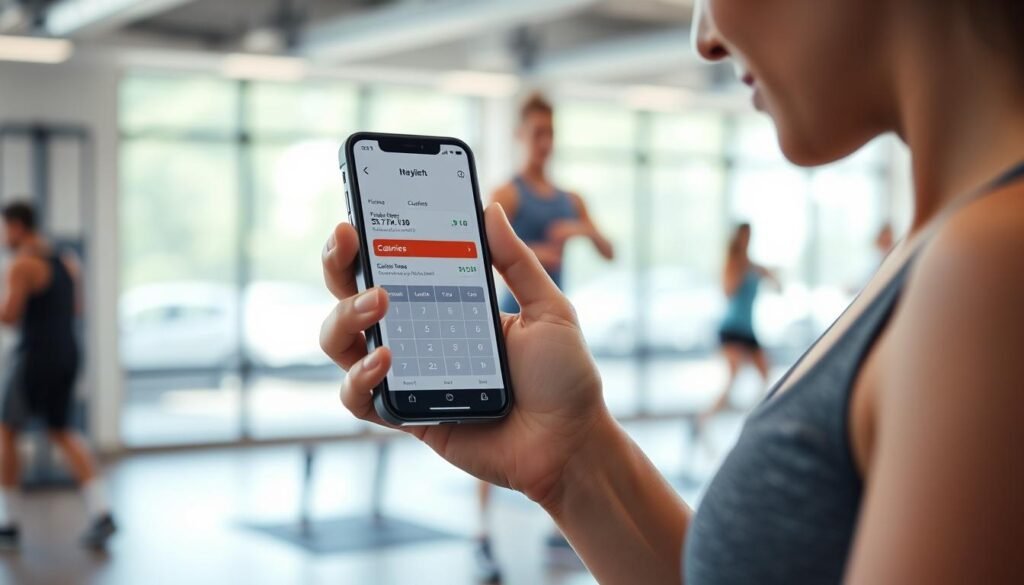
How the Calories Burned Calculator Works
Our calculator uses scientifically established formulas to estimate calorie expenditure based on several key factors. Understanding these principles helps you interpret your results more effectively.
The Science of MET Values
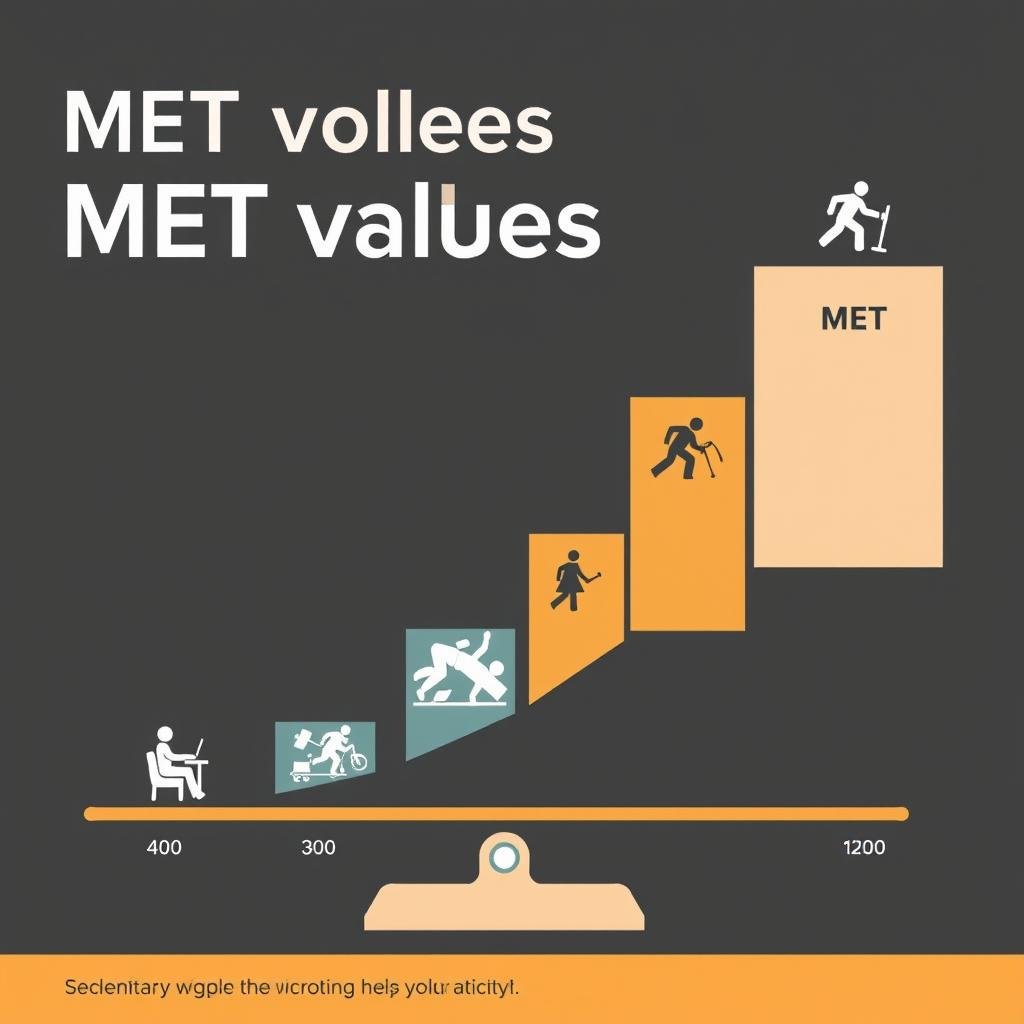
The calculator relies on MET (Metabolic Equivalent of Task) values, which measure the energy cost of physical activities. One MET represents the energy expended while sitting at rest, which is approximately 1 calorie per kilogram of body weight per hour.
Activities with higher MET values require more energy. For example, walking at a moderate pace has a MET value of around 3-4, while running can range from 8-16 METs depending on speed and intensity.
The basic formula used to calculate calories burned is:
Calories Burned = MET × Weight (kg) × Duration (hours)
Heart Rate Monitoring Method
Some advanced calculators incorporate heart rate data for more personalized estimates. This method uses the relationship between heart rate and oxygen consumption to determine energy expenditure.
The heart rate method is particularly useful during variable-intensity workouts where MET values might not provide accurate estimates. For optimal accuracy, many fitness trackers combine heart rate data with movement patterns and user demographics.
Factors Affecting Calorie Burn
Several personal and environmental factors influence how many calories you burn during physical activity. Understanding these variables helps explain why calorie burn can vary significantly between individuals performing the same exercise.
Body Weight and Composition

Heavier individuals burn more calories performing the same activity as lighter individuals. Additionally, muscle tissue is metabolically more active than fat tissue, meaning people with higher muscle mass burn more calories even at rest.
Age and Gender
Metabolic rate naturally decreases with age. Men typically burn more calories than women of the same weight due to higher muscle mass and different hormonal profiles, which affects calorie calculations.
Fitness Level and Intensity
As fitness improves, the body becomes more efficient at performing activities, potentially reducing calorie burn. However, fitter individuals can exercise at higher intensities, ultimately burning more calories.
Did you know? Environmental factors like temperature can affect calorie burn. Exercising in cold weather can increase energy expenditure as your body works to maintain core temperature.
Calorie Burn by Activity Type
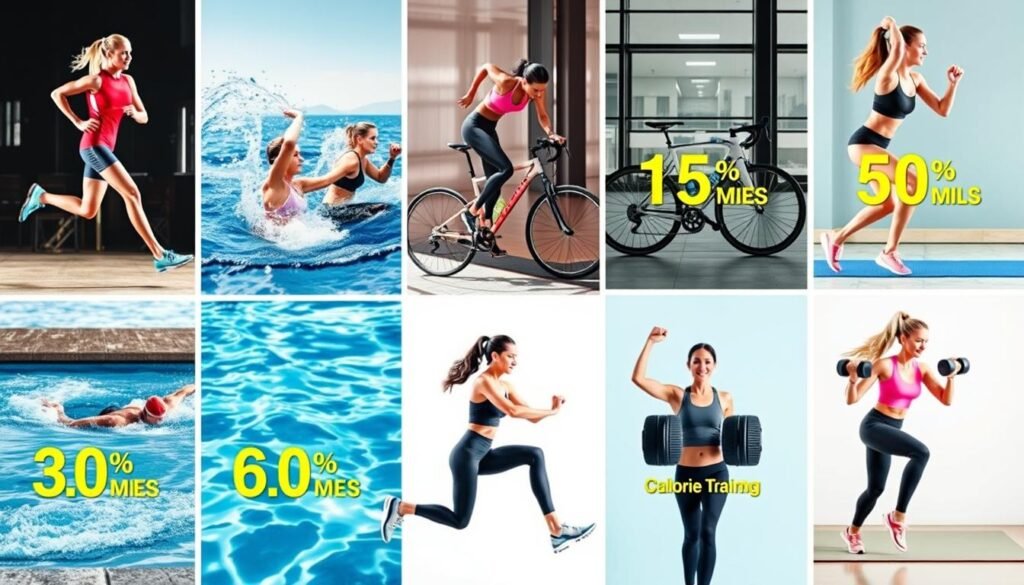
Different activities require varying amounts of energy. Below are estimated calorie burns for common activities based on a 154-pound (70 kg) person performing the activity for 30 minutes.
| Activity | MET Value | Calories Burned (30 min) | Intensity Level |
| Walking (3 mph) | 3.5 | 122 | Moderate |
| Running (6 mph) | 9.8 | 343 | Vigorous |
| Cycling (12-14 mph) | 8.0 | 280 | Vigorous |
| Swimming (moderate) | 7.0 | 245 | Vigorous |
| Weight Training | 3.5 | 122 | Moderate |
| Yoga | 2.5 | 87 | Light |
| Dancing | 4.5 | 157 | Moderate |
| Household Cleaning | 3.0 | 105 | Light-Moderate |
Find Your Perfect Activity
Discover which activities burn the most calories for your body type and fitness goals.
Calories Burned in Daily Activities
Even everyday activities contribute to your total daily energy expenditure. Understanding how many calories you burn during routine tasks can help you make small adjustments that add up over time.
| Daily Activity | MET Value | Calories/Hour (154 lb person) |
| Sitting quietly | 1.0 | 70 |
| Standing | 1.5 | 105 |
| Cooking | 2.5 | 175 |
| Grocery shopping | 2.3 | 161 |
| Gardening | 3.8 | 266 |
| Playing with children | 3.5 | 245 |
Looking to increase your daily calorie burn? Simple changes like taking the stairs instead of the elevator, parking farther from entrances, or having walking meetings can significantly boost your energy expenditure without requiring dedicated workout time.
Comparing Popular Calorie Calculators
Not all calories burned calculators are created equal. Different tools use varying methodologies and factors to estimate energy expenditure. Here’s how some popular calculators compare:
| Calculator | Methodology | Factors Considered | Best For |
| Basic MET Calculators | Standard MET formulas | Weight, activity type, duration | Quick estimates for common activities |
| Heart Rate Monitors | Heart rate correlation to oxygen consumption | Heart rate, age, weight, gender | Variable intensity workouts |
| Fitness Trackers | Combined movement and heart rate data | Steps, heart rate, movement patterns, user demographics | All-day tracking and exercise sessions |
| Advanced Online Calculators | Enhanced algorithms with multiple inputs | Weight, height, age, gender, activity type, intensity, fitness level | Detailed analysis of specific workouts |
Try Our Advanced Calculator
Get more accurate calorie burn estimates with our comprehensive calculator that considers multiple factors.
Understanding Calculator Accuracy and Limitations
While calories burned calculators provide valuable estimates, it’s important to understand their limitations and how to interpret their results appropriately.
Strengths of Calorie Calculators
- Provide helpful benchmarks for energy expenditure
- Allow comparison between different activities
- Help with planning workout intensity and duration
- Support goal setting for weight management
- Increase awareness of activity levels
Limitations to Consider
- Estimates are based on averages, not individual metabolism
- Don’t account for variations in exercise efficiency
- May not accurately reflect afterburn effect (EPOC)
- Can’t measure exact intensity without additional data
- Often don’t consider environmental factors

“Calorie calculators should be viewed as educational tools that provide estimates, not precise measurements. Use them as guides for relative comparisons rather than absolute values.”
Tips for Maximizing Calorie Burn
If increasing calorie expenditure is part of your fitness goals, these evidence-based strategies can help you get more from your workouts and daily activities.
Incorporate HIIT Training

High-Intensity Interval Training alternates between intense bursts of activity and fixed periods of less-intense activity or rest. This approach not only burns more calories during exercise but also creates an “afterburn effect” that increases metabolism for hours afterward.
Add Strength Training

Building muscle through resistance training increases your resting metabolic rate, meaning you’ll burn more calories even when not exercising. Aim to incorporate strength training at least twice weekly, targeting all major muscle groups.
Stay Active Throughout the Day

Non-exercise activity thermogenesis (NEAT) refers to calories burned during everyday activities. Simple choices like taking stairs, walking while on phone calls, or using a standing desk can significantly increase your daily energy expenditure.
Sample Workout for Maximum Calorie Burn
This 30-minute workout combines cardio and strength elements to maximize calorie expenditure both during and after exercise.
- Dynamic stretching – 2 minutes
- Light jogging in place – 2 minutes
- Jumping jacks – 1 minute
Warm-Up (5 minutes)
- Burpees – 30 seconds (rest 15 seconds)
- Mountain climbers – 30 seconds (rest 15 seconds)
- Squat jumps – 30 seconds (rest 15 seconds)
- Push-ups – 30 seconds (rest 15 seconds)
- Repeat circuit 4 times
HIIT Circuit (20 minutes)
- Slow walking – 2 minutes
- Static stretching – 3 minutes
- Focus on breathing and recovery
Cool Down (5 minutes)

Get Personalized Workout Plans
Maximize your calorie burn with customized workout plans tailored to your fitness level and goals.
Using Calorie Calculators for Setting Fitness Goals
Calories burned calculators can be powerful tools for establishing realistic fitness goals and tracking your progress over time. Here’s how to use them effectively:
Establishing a Baseline
Before setting goals, use the calculator to determine your current energy expenditure across typical activities. This baseline helps you understand your starting point and identify opportunities for improvement.
Creating Realistic Targets
For weight management, remember that one pound of fat equals approximately 3,500 calories. Setting a goal to burn an extra 500 calories daily through increased activity could theoretically lead to losing one pound per week (when combined with appropriate nutrition).

Sample Goal-Setting Framework
| Timeframe | Goal Type | Example | Tracking Method |
| Weekly | Activity Volume | Burn 2,000 extra calories through exercise | Log workouts in calculator |
| Monthly | Activity Variety | Try 4 new activities and compare calorie burn | Activity journal with calculator estimates |
| Quarterly | Fitness Improvement | Increase calorie burn at same perceived exertion | Compare calculator results over time |
Important: While calorie tracking is valuable, avoid becoming overly fixated on numbers. Focus on consistency, enjoyment of physical activity, and overall health improvements rather than maximizing calorie burn at all costs.
Frequently Asked Questions About Calories Burned
How accurate are calories burned calculators?
Most calculators provide estimates within 10-20% of actual calorie expenditure. Accuracy varies based on the methodology used and how many personal factors are considered. Calculators that incorporate heart rate data tend to be more accurate than those using only MET values. For the most precise measurements, laboratory tests like indirect calorimetry would be required.
Do I burn calories when I’m not exercising?
Yes, your body continuously burns calories to maintain basic functions like breathing, circulation, and cell production. This is called your Basal Metabolic Rate (BMR) and typically accounts for 60-70% of your total daily energy expenditure. Additional calories are burned through daily activities (NEAT), the thermic effect of food (digestion), and formal exercise.
Why do I burn fewer calories doing the same workout over time?
As your body adapts to regular exercise, it becomes more efficient at performing the same activities, resulting in fewer calories burned. This is a normal adaptation but can be counteracted by progressively increasing intensity, duration, or changing exercise variables to continue challenging your body.
How many calories should I burn to lose weight?
Weight loss occurs when you create a calorie deficit by burning more calories than you consume. A deficit of approximately 3,500 calories is needed to lose one pound of fat. A sustainable approach is aiming for a 500-750 calorie deficit daily through a combination of increased physical activity and moderate dietary adjustments, which would result in 1-1.5 pounds of weight loss per week.
Does building muscle help burn more calories?
Yes, muscle tissue is metabolically active and burns more calories at rest than fat tissue. While the effect is sometimes overstated (each pound of muscle burns approximately 6-10 calories per day at rest), increasing muscle mass through strength training can contribute to a higher resting metabolic rate over time.
Making the Most of Your Calories Burned Calculator
A calories burned calculator is a valuable tool in your fitness journey, providing insights that can help you optimize your workouts and make progress toward your health goals. Remember that while the numbers are useful guides, they’re estimates rather than exact measurements.
Focus on consistency in your physical activity, gradual progression in intensity or duration, and finding activities you genuinely enjoy. Combine your calorie burn awareness with proper nutrition and recovery for a comprehensive approach to fitness and well-being.
Start Tracking Your Calories Today
Use our free Calories Burned Calculator to make informed decisions about your fitness routine and reach your goals faster.