Understanding your vehicle’s engine horsepower is crucial for assessing performance, planning modifications, and diagnosing potential issues. Our comprehensive guide explains everything you need to know about horsepower calculation, from basic formulas to practical applications. Whether you’re a car enthusiast, mechanic, or simply curious about your vehicle’s power output, this guide will help you understand and calculate engine horsepower with confidence.
What is Horsepower?

James Watt developed the concept of horsepower in the 18th century
Horsepower is a unit of measurement that quantifies the power output of an engine. The concept was developed by Scottish engineer James Watt in the late 18th century as a way to compare the output of steam engines to the power of draft horses. Watt determined that a horse could do 33,000 foot-pounds of work per minute, which became the definition of one horsepower.
In modern terms, one mechanical horsepower equals approximately 745.7 watts in the International System of Units (SI). This standardized measurement allows engineers, mechanics, and vehicle owners to compare the power output of different engines regardless of their design or configuration.
Understanding horsepower is essential because it directly relates to a vehicle’s performance capabilities, including acceleration, top speed, towing capacity, and overall drivability. Higher horsepower generally means better performance, though other factors like torque, weight, and gearing also play significant roles.
Ready to Calculate Your Engine’s Horsepower?
Our precise calculator uses proven formulas to determine your engine’s power output.
How Horsepower is Calculated
There are several methods to calculate an engine’s horsepower, each with its own applications and level of accuracy. The most common approaches include dynamometer testing, mathematical formulas, and estimation based on vehicle performance metrics.
The Fundamental Formula

The most widely used formula for calculating horsepower is:
Horsepower = (Torque × RPM) ÷ 5,252
In this equation, torque is measured in pound-feet (lb-ft), and RPM represents the engine’s rotational speed in revolutions per minute. The constant 5,252 is derived from the mathematical relationship between horsepower and torque. Interestingly, at 5,252 RPM, an engine’s horsepower and torque values are always equal.
Brake Horsepower vs. Wheel Horsepower
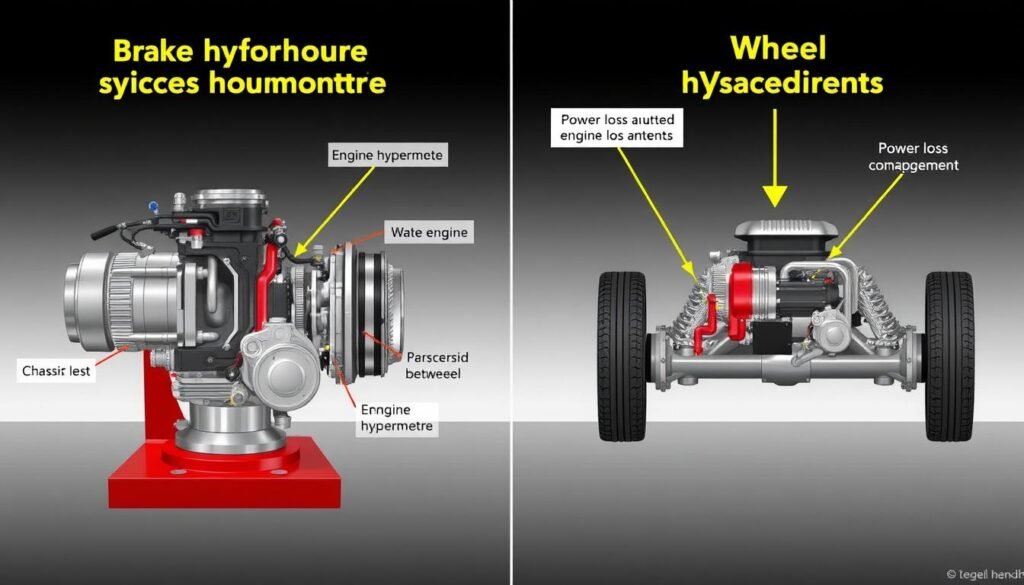
When discussing engine power, it’s important to distinguish between different types of horsepower measurements:
Brake Horsepower (BHP)
Brake horsepower measures the engine’s power output at the crankshaft, before any power is lost through the transmission and drivetrain. This is typically measured using an engine dynamometer and represents the engine’s raw power production.
Wheel Horsepower (WHP)
Wheel horsepower measures the power that actually reaches the wheels after transmission and drivetrain losses. This is typically 15-25% lower than brake horsepower and is measured using a chassis dynamometer. WHP represents the usable power that propels the vehicle.
The Elapsed Time (ET) Method
For those without access to a dynamometer, the Elapsed Time method provides a reasonable estimate based on quarter-mile performance:
Horsepower = Weight ÷ (ET ÷ 5.825)³
In this formula, weight is the total vehicle weight including driver in pounds, and ET is the elapsed time in seconds to complete a quarter mile (402.3 meters).
The Trap-Speed Method
Another estimation method uses the vehicle’s speed at the end of a quarter mile:
Horsepower = Weight × (Speed ÷ 234)³
Here, weight is again the total vehicle weight in pounds, and speed is the trap speed in mph at the quarter-mile mark.
Factors Affecting Engine Horsepower

Several key factors influence an engine’s horsepower output. Understanding these can help you optimize performance or diagnose power-related issues:
Engine Size (Displacement)
Engine displacement, measured in liters or cubic inches, refers to the total volume of all cylinders combined. Generally, larger displacement engines can produce more power, as they can burn more fuel and air with each cycle. However, modern engineering has enabled smaller engines to produce impressive power through other enhancements.
Forced Induction

Turbochargers and superchargers significantly increase horsepower by forcing more air into the combustion chamber, allowing for more fuel to be burned and more power to be generated. While naturally aspirated engines rely on atmospheric pressure to draw air in, forced induction can increase power output by 30-50% or more.
Air Intake and Exhaust Systems
The efficiency of air entering and exiting the engine directly impacts horsepower. High-flow air filters, cold air intakes, and performance exhaust systems can increase power by reducing restriction and improving the engine’s breathing capability. Even simple modifications in these areas can yield noticeable power gains.
Engine Tuning

Modern engines are controlled by sophisticated computer systems that manage fuel delivery, ignition timing, and other parameters. Professional engine tuning can optimize these settings to maximize horsepower while maintaining reliability. Performance chips, programmers, and custom ECU tunes can unlock hidden power in many vehicles.
Mechanical Efficiency
Internal friction, pumping losses, and other mechanical factors can reduce the power that makes it from combustion to the crankshaft. High-quality lubricants, reduced friction components, and proper maintenance all contribute to better mechanical efficiency and higher horsepower output.
Wondering How Your Engine Stacks Up?
Use our calculator to find out your engine’s true horsepower potential.
How to Use Our Engine Horsepower Calculator
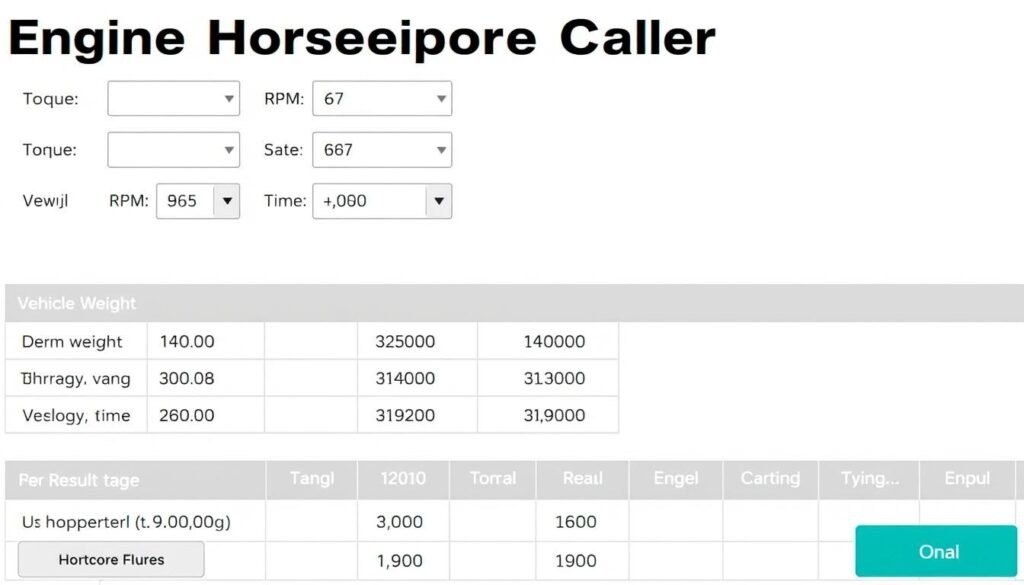
Our Engine Horsepower Calculator offers multiple methods to determine your vehicle’s power output. Here’s how to use each calculation method effectively:
Using the Torque and RPM Method
If you know your engine’s torque output (from manufacturer specifications or dyno testing) and the RPM at which it occurs, you can calculate horsepower directly:
- Enter your engine’s maximum torque value in pound-feet (lb-ft)
- Input the RPM at which maximum torque occurs
- The calculator will automatically apply the formula: HP = (Torque × RPM) ÷ 5,252
- View your calculated horsepower result
Using the Quarter-Mile Performance Method
For those who have track performance data but no direct torque measurements:
- Enter your vehicle’s total weight (including driver and fuel)
- Input your quarter-mile elapsed time (ET) in seconds
- Alternatively, enter your quarter-mile trap speed in mph
- The calculator will use either the ET or trap speed formula to estimate horsepower
- Compare results from both methods for a more accurate estimate
Interpreting Your Results
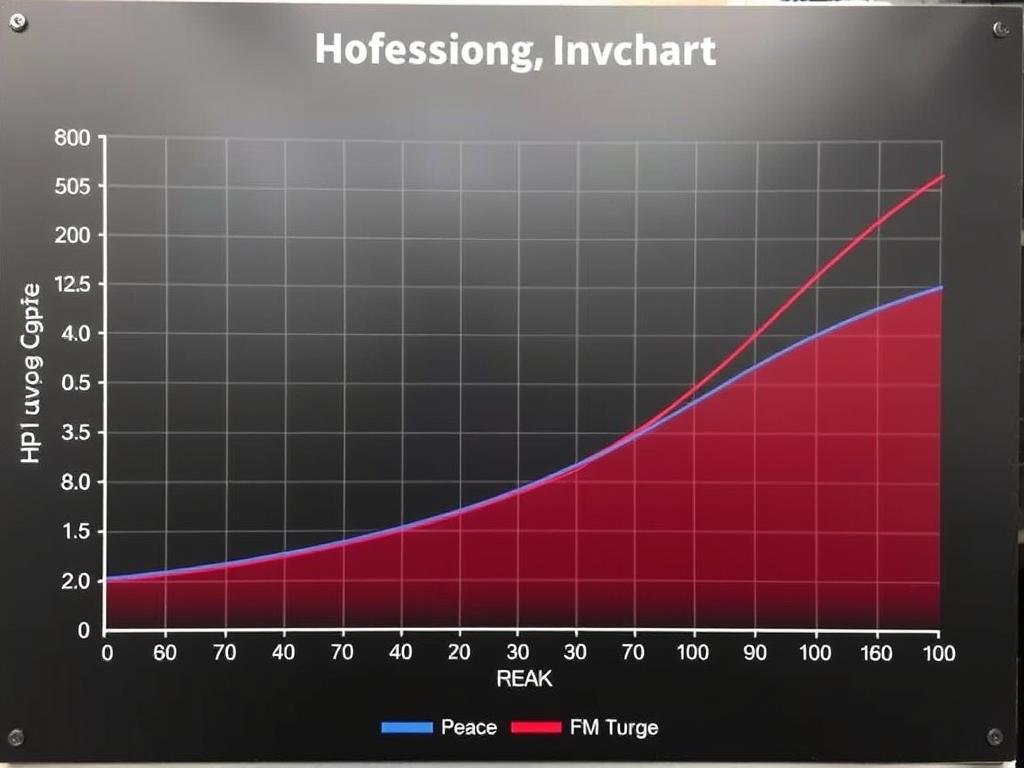
Our calculator provides estimated horsepower values that can help you understand your engine’s performance. Keep in mind that these calculations are approximations and may vary from dynamometer results due to various factors including atmospheric conditions, drivetrain efficiency, and measurement precision.
For the most accurate results, we recommend using the torque and RPM method when possible, as it’s based on direct mechanical relationships rather than performance estimates.
Why Accurate Horsepower Calculation Matters
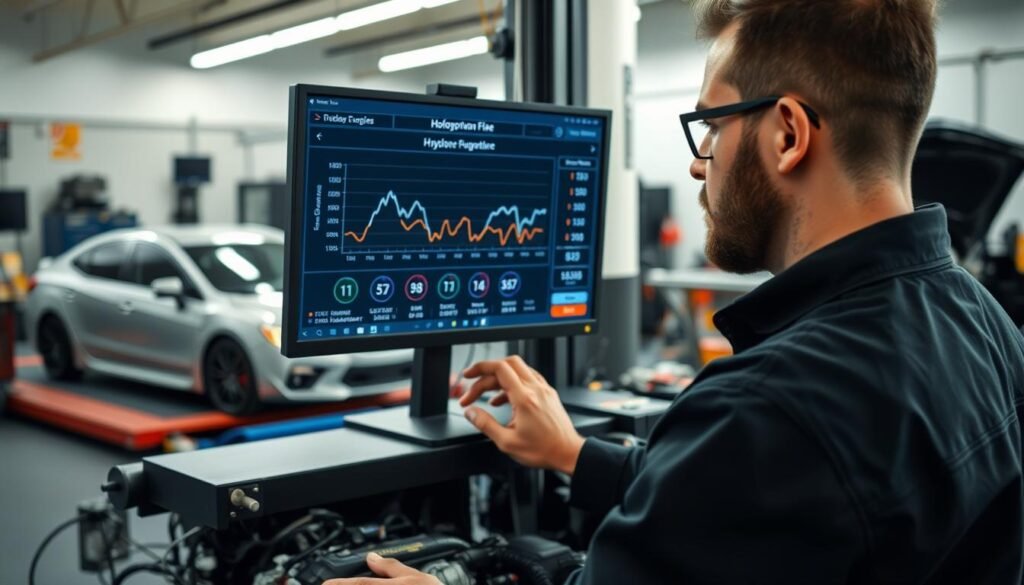
Understanding your engine’s horsepower isn’t just for bragging rights—it has practical applications that can benefit vehicle owners in multiple ways:
Performance Tuning
Accurate horsepower measurements provide a baseline for performance modifications. By calculating horsepower before and after modifications, you can quantify improvements and ensure you’re getting value from upgrades. This data-driven approach prevents wasted money on ineffective modifications.
Diagnostics
A significant drop in calculated horsepower can indicate engine problems before they become catastrophic. Regular horsepower checks can help identify issues like clogged fuel injectors, ignition problems, or compression loss, allowing for early intervention and less expensive repairs.
Vehicle Comparisons
When shopping for vehicles, comparing horsepower specifications helps you objectively evaluate performance capabilities. Understanding how horsepower relates to vehicle weight (power-to-weight ratio) provides insight into real-world performance beyond just the raw numbers.
Horsepower vs. Torque: What Matters More?
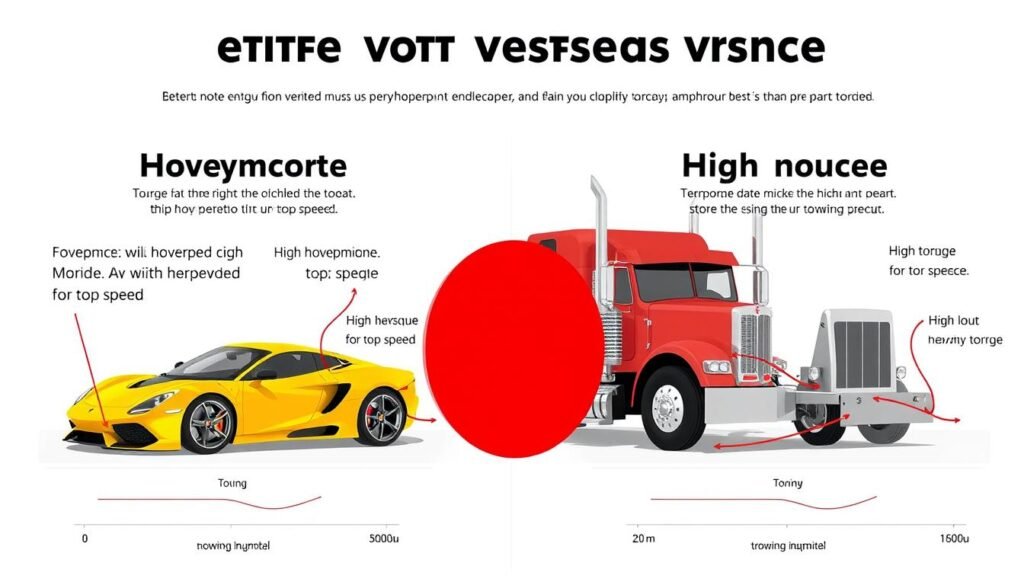
The horsepower versus torque debate often confuses vehicle enthusiasts. In reality, both measurements are important but serve different purposes:
Torque
- Represents the rotational force that gets you moving from a standstill
- More important for towing, hauling, and low-end acceleration
- Gives you that “pushed back in your seat” feeling during initial acceleration
- Particularly valuable in heavy vehicles and off-road applications
Horsepower
- Represents how quickly work can be done (torque × speed)
- More important for top speed and high-end acceleration
- Determines how quickly a vehicle can reach and maintain higher speeds
- Particularly valuable in racing and high-performance applications
Understanding both metrics and how they relate to your specific driving needs will help you make better decisions about vehicle purchases and modifications.
Calculate Both Horsepower and Torque
Our comprehensive calculator helps you understand your engine’s complete performance profile.
Frequently Asked Questions
How do I find my engine’s torque?
You can find your engine’s torque specification in several ways:
- Check your vehicle’s owner’s manual or the manufacturer’s website
- Look for a sticker in the engine bay that lists specifications
- Search online automotive databases using your vehicle’s make, model, and year
- Have your vehicle tested on a dynamometer at a performance shop
- Use a torque calculator with your vehicle’s performance data
Remember that manufacturer-stated torque figures are typically measured at the crankshaft (brake torque), not at the wheels where some power is lost through the drivetrain.
What is a good horsepower for a car?
What constitutes “good” horsepower depends entirely on the vehicle’s purpose and weight:
- Economy cars: 100-180 HP is typically sufficient for daily driving
- Midsize sedans: 180-300 HP provides good performance balance
- Performance cars: 300-500+ HP delivers exciting acceleration
- Supercars: 500-1000+ HP offers extreme performance
More important than raw horsepower is the power-to-weight ratio. A 3,000-pound car with 300 HP (0.1 HP per pound) will feel much quicker than a 6,000-pound SUV with the same 300 HP (0.05 HP per pound).
How can I increase my car’s horsepower?
There are numerous ways to increase horsepower, ranging from simple bolt-on modifications to complex engine rebuilds:
- Basic modifications: Cold air intake, performance exhaust, ECU tuning
- Intermediate upgrades: Larger throttle body, performance camshafts, ported and polished cylinder heads
- Advanced modifications: Forced induction (turbocharger/supercharger), increased displacement, higher compression ratio
Always consider reliability, drivability, and emissions compliance when modifying your engine. Some modifications may void your vehicle’s warranty or make it illegal for street use in certain jurisdictions.
Is dyno testing the only accurate way to measure horsepower?
While dynamometer testing provides the most accurate horsepower measurements, it’s not the only method. Alternative approaches include:
- Calculated estimates: Using torque and RPM data with the standard formula
- Performance-based calculations: Using quarter-mile times or trap speeds
- Acceleration testing: Using specialized equipment to measure 0-60 mph times and calculate approximate power
Each method has its limitations. Calculated estimates depend on accurate input data, while performance-based calculations can be affected by driver skill, road conditions, and weather. For the most reliable results, professional dynamometer testing is recommended, but our calculator provides a good approximation for most purposes.
Does more horsepower always mean better fuel economy?
No, higher horsepower typically correlates with lower fuel economy, not better. This occurs for several reasons:
- Higher-powered engines often have larger displacement, requiring more fuel
- Performance-oriented engines may sacrifice efficiency for power
- The temptation to use available power leads to more aggressive driving
However, modern engineering has narrowed this gap. Technologies like turbocharging, direct injection, and cylinder deactivation allow engines to produce substantial horsepower while maintaining reasonable efficiency when driven conservatively. The key is how the power is used—a 300 HP engine driven gently can be more efficient than a 150 HP engine driven aggressively.
Understanding Your Engine’s True Potential

Calculating your engine’s horsepower is more than just a technical exercise—it’s a window into understanding your vehicle’s capabilities and potential. Whether you’re looking to maximize performance, diagnose issues, or simply satisfy your curiosity, knowing how to accurately determine horsepower empowers you to make informed decisions about your vehicle.
Our Engine Horsepower Calculator provides a convenient, accessible way to estimate your engine’s power output using proven mathematical formulas. While no calculation can replace professional dynamometer testing for absolute precision, our calculator offers a reliable approximation that’s valuable for most applications.
Remember that horsepower is just one aspect of engine performance. For a complete picture, consider torque characteristics, power delivery across the RPM range, and how the engine’s output matches your specific driving needs and vehicle application.
Ready to Discover Your Engine’s Horsepower?
Use our calculator now to get an accurate estimate of your engine’s power output.