Use our Fat Intake Calculator to estimate daily fat consumption based on diet and goals. Plan meals, manage nutrition, and support a healthy lifestyle effectively.
Understanding your optimal fat intake is crucial for achieving your health and fitness goals. Fat is an essential macronutrient that supports hormone production, cell membrane integrity, and nutrient absorption. Our Fat Intake Calculator helps you determine exactly how much fat your body needs based on your unique characteristics and goals.
Whether you’re looking to lose weight, build muscle, or maintain your current physique, knowing your ideal fat intake is the first step toward creating a balanced nutrition plan that works for your body.
Fat Intake Calculator
Use this calculator to determine your recommended daily fat intake based on your personal metrics and goals.

Calculating your ideal fat intake is essential for creating a balanced nutrition plan
Why Calculating Your Fat Intake Matters
Fat has long been misunderstood in nutrition. Far from being something to avoid, dietary fat is essential for numerous bodily functions. Proper fat intake supports:
- Hormone production and regulation
- Absorption of fat-soluble vitamins (A, D, E, and K)
- Cell membrane integrity throughout your body
- Brain health and cognitive function
- Energy storage and insulation
- Satiety and appetite control
However, consuming too much or too little fat can impact your health and fitness goals. Too much fat, especially from unhealthy sources, may contribute to weight gain and cardiovascular issues. Too little fat can disrupt hormonal balance and nutrient absorption.

Healthy fat sources are essential components of a balanced diet
Ready to optimize your nutrition?
Calculate your ideal fat intake now and take the first step toward a more balanced diet.
Understanding Different Types of Dietary Fats
Not all fats are created equal. Understanding the different types of dietary fats is crucial for making healthy choices in your diet.
Unsaturated Fats
Generally considered “healthy fats,” unsaturated fats include monounsaturated and polyunsaturated fats. They’re typically liquid at room temperature.
Sources: Olive oil, avocados, nuts, seeds, and fatty fish
Benefits: May help reduce inflammation and lower heart disease risk
Saturated Fats
Typically solid at room temperature, saturated fats should be consumed in moderation as part of a balanced diet.
Sources: Animal products, coconut oil, palm oil, and full-fat dairy
Recommendation: Limit to less than 10% of daily calories
Trans Fats
Artificial trans fats are created through hydrogenation and should be avoided whenever possible.
Sources: Some processed foods, fried foods, and baked goods
Risks: Linked to increased heart disease risk and inflammation

Visual comparison of different fat types and their dietary sources
Omega-3 Fatty Acids: These essential polyunsaturated fats are particularly important for heart and brain health. Good sources include fatty fish (salmon, mackerel, sardines), flaxseeds, chia seeds, and walnuts. Most people don’t get enough omega-3s in their diet.
Recommended Daily Fat Intake Guidelines
The amount of fat you should consume daily depends on several factors, including your age, sex, weight, activity level, and specific health goals. However, there are general guidelines that can help you establish a starting point.
| Population Group | Recommended Fat Intake (% of daily calories) | Special Considerations |
| Adults (general) | 20-35% | Limit saturated fat to |
| Athletes | 20-35% | May need higher calorie intake overall |
| Weight loss focus | 20-30% | Focus on calorie deficit and quality fat sources |
| Muscle gain focus | 25-35% | Higher overall calorie intake required |
| Ketogenic diet | 70-80% | Very low carbohydrate intake |

Tracking your fat intake helps ensure you’re meeting your nutritional needs
Remember that these are general guidelines. Your specific needs may vary based on individual factors such as metabolism, medical conditions, and specific fitness goals.
How to Calculate Your Personal Fat Intake Needs
While our calculator automates this process, understanding the math behind fat intake calculations can help you adjust your nutrition as your goals change.
Step-by-Step Fat Intake Calculation
- Calculate your Total Daily Energy Expenditure (TDEE)
This estimates how many calories you burn daily based on your BMR and activity level. - Determine your calorie goal
For weight maintenance: Use your TDEE
For weight loss: Subtract 300-500 calories from TDEE
For weight gain: Add 300-500 calories to TDEE - Calculate your fat intake percentage
Multiply your daily calorie goal by your target fat percentage (typically 20-35%) - Convert fat calories to grams
Divide your fat calories by 9 (each gram of fat contains 9 calories)
Example: For a person with a 2,000 calorie daily goal who wants 30% of calories from fat:
2,000 calories × 0.30 = 600 calories from fat
600 calories ÷ 9 calories per gram = 67 grams of fat per day
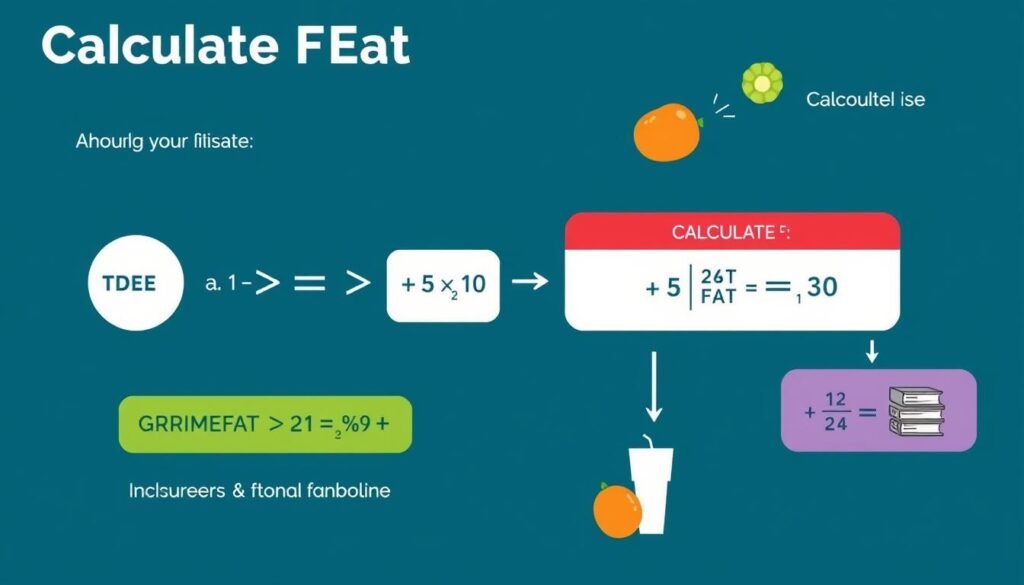
The step-by-step process for calculating your personal fat intake needs
The Mifflin-St Jeor equation is commonly used to calculate Basal Metabolic Rate (BMR), which is then adjusted for activity level to find your TDEE:
For men: BMR = (10 × weight in kg) + (6.25 × height in cm) – (5 × age in years) + 5
For women: BMR = (10 × weight in kg) + (6.25 × height in cm) – (5 × age in years) – 161
Practical Tips for Tracking Fat Consumption
Knowing your target fat intake is just the first step. Implementing this knowledge in your daily life requires practical strategies for tracking and managing your fat consumption.
Reading Nutrition Labels
Food labels provide valuable information about fat content. Look for:
- Total fat per serving (in grams)
- Saturated and trans fat content
- Serving size (often smaller than you might expect)
- Percentage of daily value (based on a 2,000 calorie diet)
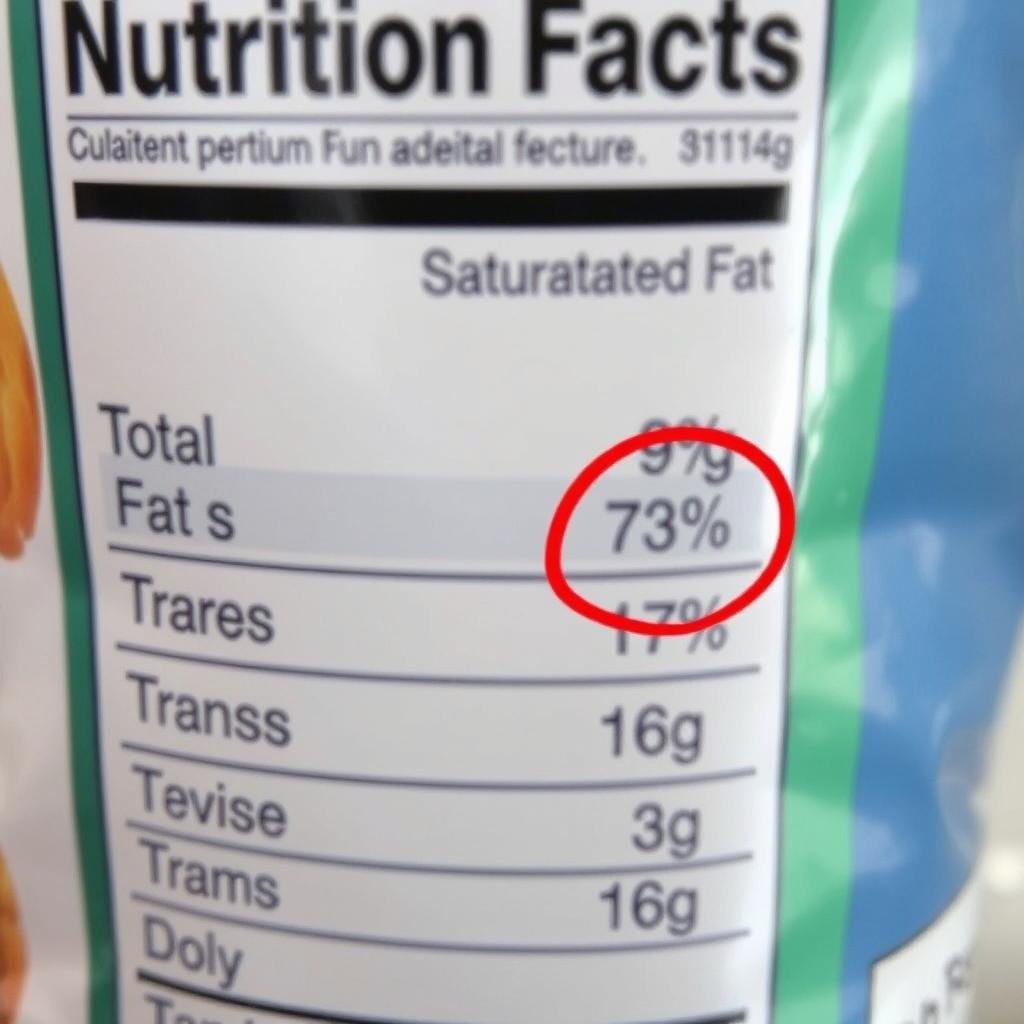
Useful Tools for Fat Tracking
Food Scales
Weighing food provides the most accurate measurement of portion sizes, which is essential for calculating fat content.
Tip: Digital scales with gram measurements offer the best precision.
Nutrition Apps
Apps like MyFitnessPal, Cronometer, and Lose It! have extensive food databases that make tracking fat intake simple.
Tip: Many apps allow barcode scanning for quick entry of packaged foods.
Measuring Cups/Spoons
These tools help ensure proper portions, especially for oils, nut butters, and other high-fat foods where small differences matter.
Tip: Level off measurements for accuracy.
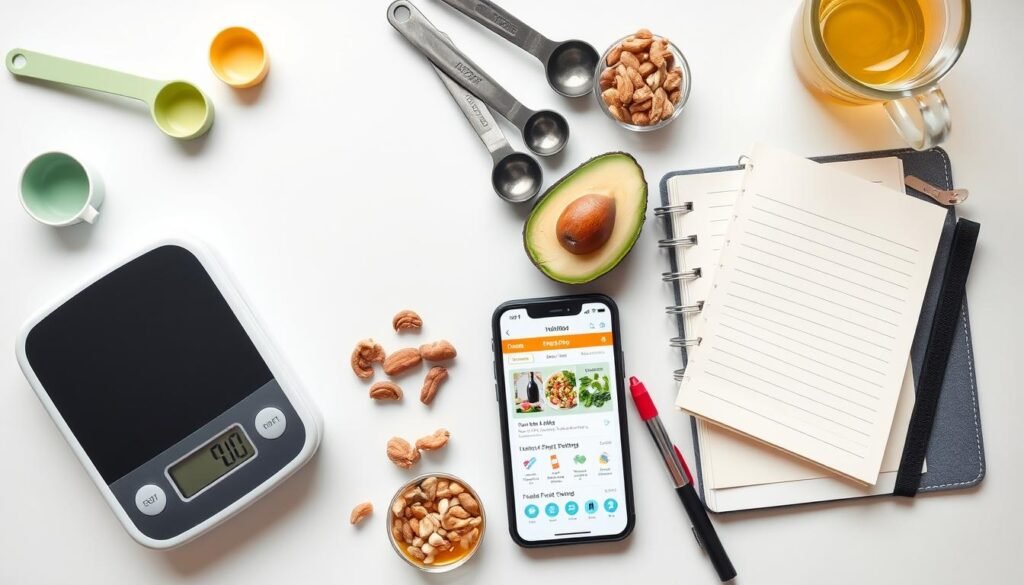
Essential tools for accurately tracking your daily fat intake
Ready to start tracking your fat intake?
Use our calculator to determine your ideal daily fat consumption and take control of your nutrition today.
Common Mistakes When Calculating Fat Intake
Even with the best intentions, many people make errors when calculating and tracking their fat intake. Being aware of these common pitfalls can help you avoid them.
Best Practices
- Focusing on fat quality, not just quantity
- Measuring portions accurately
- Considering hidden fats in processed foods
- Balancing fat with other macronutrients
- Adjusting intake based on results and feelings
Common Mistakes
- Avoiding all fats due to outdated health advice
- Eyeballing portions instead of measuring
- Forgetting cooking oils and condiments
- Not accounting for fat in “fat-free” products
- Using generic calculations without personalization
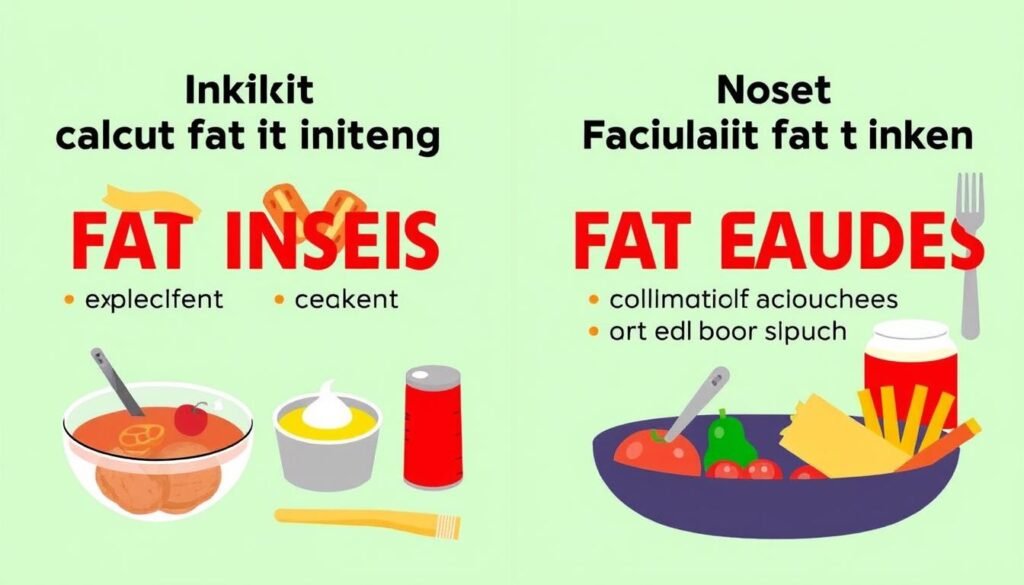
Avoiding these common mistakes will help you track your fat intake more accurately
Don’t forget hidden fats! Cooking oils, salad dressings, sauces, and condiments can add significant amounts of fat to your diet. One tablespoon of olive oil contains approximately 14 grams of fat and 120 calories.
Balancing Fat with Other Macronutrients
Fat is just one piece of the nutrition puzzle. For optimal health and performance, you need to balance your fat intake with appropriate amounts of protein and carbohydrates.

A balanced plate includes appropriate portions of all three macronutrients
Macronutrient Ratios for Different Goals
| Goal | Protein | Carbohydrates | Fat | Key Considerations |
| General Health | 15-20% | 45-55% | 25-35% | Focus on whole foods and balanced meals |
| Weight Loss | 25-30% | 40-50% | 20-25% | Higher protein helps preserve muscle mass |
| Muscle Gain | 25-35% | 40-60% | 15-25% | Carbs fuel workouts; protein builds muscle |
| Endurance Athletics | 15-20% | 55-65% | 20-30% | Higher carbs for sustained energy |
| Ketogenic Diet | 20-25% | 5-10% | 70-80% | Very low carb; requires adaptation period |
Remember that these ratios are starting points. Your optimal macronutrient balance may vary based on individual factors like metabolism, activity type, and personal preferences.
The quality of your macronutrients matters just as much as the quantity. Focus on whole food sources of fats, complex carbohydrates, and lean proteins for optimal health and performance.
Adjusting Fat Intake for Specific Goals
Different fitness and health goals may require adjustments to your fat intake. Here’s how to modify your approach based on common objectives:
For Weight Loss

- Reduce overall calorie intake by 300-500 calories
- Maintain protein intake to preserve muscle mass
- Moderate fat intake (20-25% of calories)
- Focus on satiating fats to control hunger
- Prioritize omega-3s and monounsaturated fats
For Muscle Gain

- Increase overall calorie intake by 300-500 calories
- Higher protein intake (1.6-2.2g per kg bodyweight)
- Moderate fat intake (25-35% of calories)
- Include healthy fats to support hormone production
- Time carbohydrates around workouts for energy
For Maintenance

- Match calorie intake to expenditure
- Balanced macronutrient approach (25-35% fat)
- Focus on dietary quality and whole foods
- Adjust intake based on activity levels
- Monitor body composition rather than just weight
Monitoring and Adjusting: Your nutritional needs may change over time based on factors like age, activity level, and progress toward your goals. Recalculate your fat intake every 4-6 weeks or whenever your circumstances change significantly.
Ready to customize your fat intake for your specific goals?
Use our calculator to get personalized recommendations based on your unique needs and objectives.
Conclusion: Making Fat Intake Calculation Work for You
Understanding and calculating your ideal fat intake is a powerful tool for optimizing your nutrition and achieving your health and fitness goals. Rather than fearing fat, embrace it as an essential part of a balanced diet while being mindful of both quantity and quality.
Remember these key takeaways:
- Fat is essential for hormone production, cell health, and nutrient absorption
- Your ideal fat intake depends on your age, sex, weight, activity level, and goals
- Focus on healthy fat sources like avocados, nuts, seeds, olive oil, and fatty fish
- Balance your fat intake with appropriate amounts of protein and carbohydrates
- Track your intake and adjust as needed based on your progress and how you feel
By using our Fat Intake Calculator and implementing the strategies discussed in this article, you’re taking an important step toward a more informed and balanced approach to nutrition. Your body needs fat—make sure it’s getting the right amount and the right kinds.
Take control of your nutrition today
Calculate your ideal fat intake and start optimizing your diet for better health and performance.