With fluctuating fuel prices and the need for careful budgeting, knowing how much you’ll spend on gas for your next trip is essential. A fuel cost calculator helps you estimate these expenses accurately, allowing you to plan ahead and make informed decisions about your travel budget. Whether you’re planning a cross-country road trip or calculating your daily commute expenses, understanding your fuel costs can help you manage your finances better.
What Is a Fuel Cost Calculator?
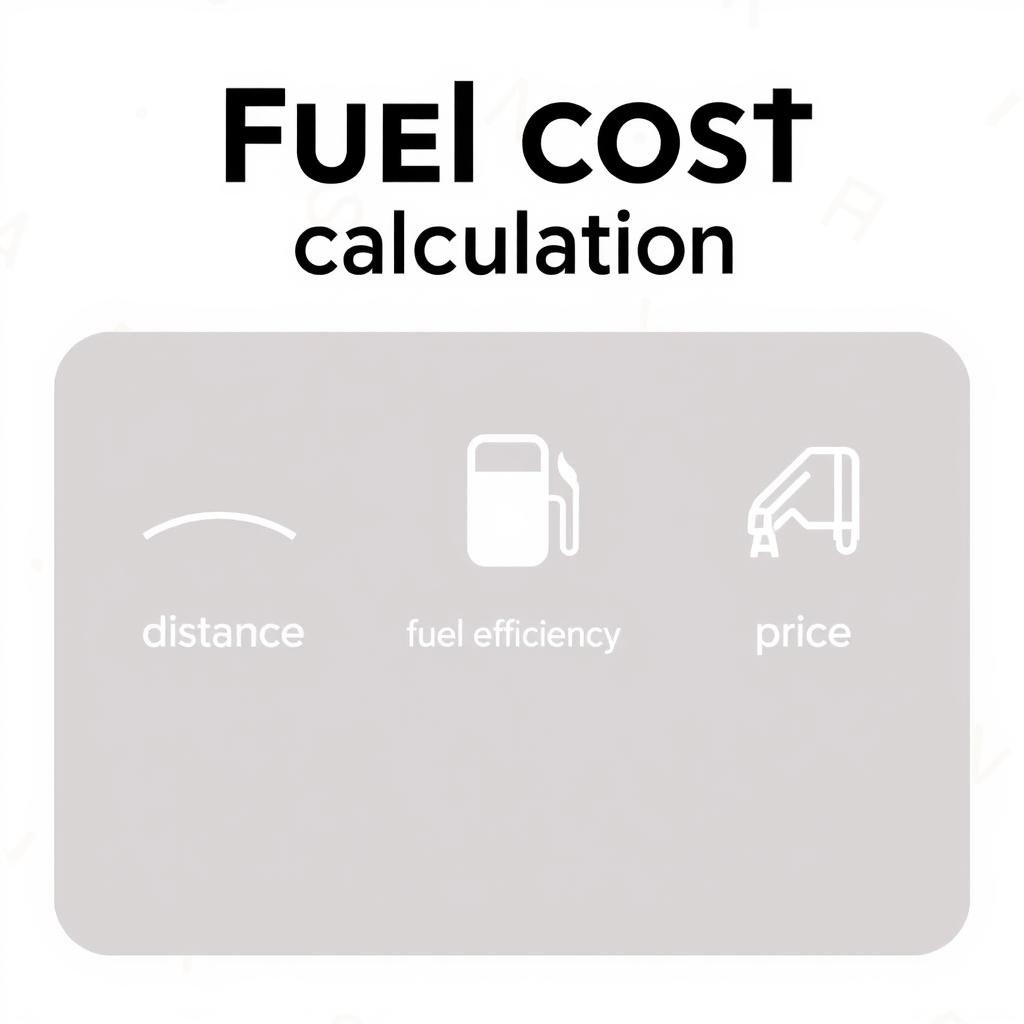
A fuel cost calculator is a tool that estimates how much you’ll spend on fuel for a specific journey. By inputting your trip’s distance, your vehicle’s fuel efficiency, and the current fuel price, the calculator provides an estimated total cost for your journey’s fuel requirements.
How It Works
The calculator uses a simple mathematical formula to determine your expected fuel costs. It takes into account three key variables: the distance you plan to travel, how fuel-efficient your vehicle is, and the current price of fuel in your area.
Once you input these values, the calculator performs the necessary calculations to provide you with an estimate of your total fuel expenses for the trip. This allows you to budget accordingly and compare costs between different vehicles or routes.
Ready to Calculate Your Fuel Costs?
Get an accurate estimate of your trip’s fuel expenses in seconds.
Key Variables in Fuel Cost Calculation

Distance
The total length of your journey in miles or kilometers. This can be a one-way trip, round trip, or your regular commuting distance over a specific period.
Fuel Efficiency
How far your vehicle can travel on a single unit of fuel, typically measured in miles per gallon (MPG) in the US or liters per 100 kilometers (L/100km) in many other countries.
Fuel Price
The current cost of fuel per gallon or liter in your area. Prices vary by location, fuel type (regular, premium, diesel), and fluctuate based on market conditions.
The Calculation Formula
Total Fuel Cost = (Distance ÷ Fuel Efficiency) × Fuel Price
This formula first calculates how many gallons or liters of fuel your trip will require by dividing the total distance by your vehicle’s fuel efficiency. Then, it multiplies this amount by the current fuel price to determine your total cost.
| Example | Distance | Fuel Efficiency | Fuel Price | Calculation | Total Cost |
| Road Trip | 300 miles | 25 MPG | $3.50/gallon | (300 ÷ 25) × $3.50 | $42.00 |
| Daily Commute | 30 miles | 22 MPG | $3.25/gallon | (30 ÷ 22) × $3.25 | $4.43 |
| Long Haul | 1,200 miles | 28 MPG | $3.75/gallon | (1,200 ÷ 28) × $3.75 | $160.71 |
Benefits of Using a Fuel Cost Calculator

Accurate Budget Planning
Knowing your fuel costs in advance helps you create a more accurate travel budget. This is especially important for long trips where fuel can be a significant expense.
Vehicle Comparison
When considering a new vehicle purchase, you can compare the fuel costs of different models based on their efficiency ratings. This helps you understand the long-term cost implications beyond the purchase price.
Route Optimization
By calculating fuel costs for different routes, you can determine which path is most economical, especially when considering factors like highway versus city driving.
Business Expense Tracking
For business travelers or companies with vehicle fleets, accurately estimating and tracking fuel expenses is essential for proper accounting and tax purposes.
“Understanding your vehicle’s fuel consumption doesn’t just help your wallet—it also helps you make more environmentally conscious decisions about your transportation habits.”

Tips to Improve Fuel Efficiency and Save Money
Calculating your fuel costs is just the first step. Implementing these practical tips can help you improve your vehicle’s fuel efficiency and reduce your overall expenses.
Vehicle Maintenance
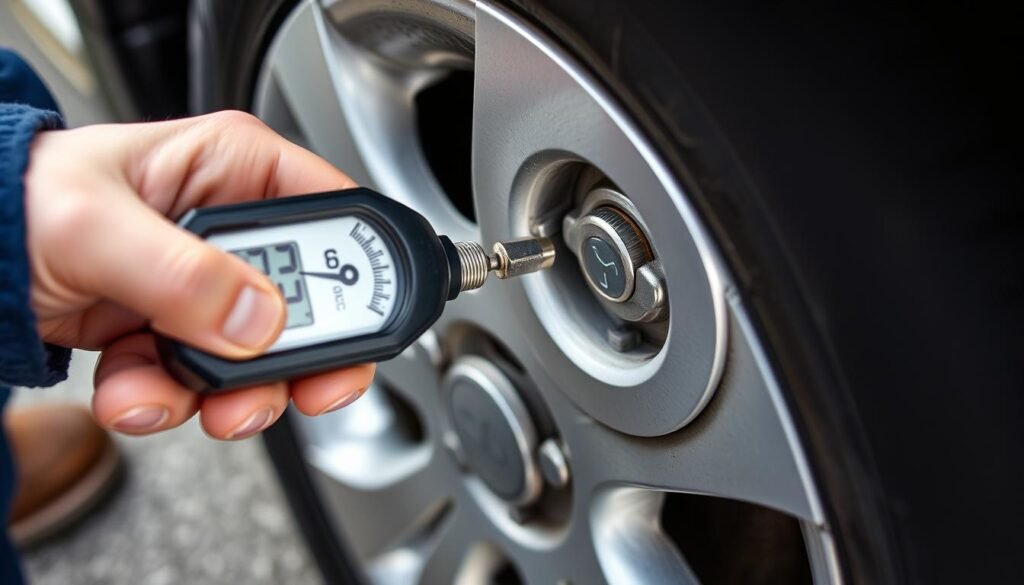
- Keep tires properly inflated to the recommended pressure
- Use the manufacturer’s recommended grade of motor oil
- Replace air filters regularly to maintain optimal engine performance
- Address engine issues promptly, as a poorly tuned engine can increase fuel consumption by up to 40%
Driving Habits
- Avoid rapid acceleration and hard braking, which can lower fuel economy by 15-30%
- Use cruise control on highways to maintain a steady speed
- Reduce idling time, as it consumes fuel without providing any benefit
- Drive at moderate speeds, as fuel efficiency typically decreases rapidly at speeds above 50 mph
Trip Planning
- Combine errands to minimize the number of separate trips
- Plan routes to avoid traffic congestion and unnecessary stops
- Consider carpooling for regular commutes to share fuel costs
- Use navigation apps to find the most fuel-efficient routes
Vehicle Loading
- Remove unnecessary weight from your vehicle
- Avoid using roof racks when not needed, as they increase aerodynamic drag
- Close windows at high speeds to reduce drag (use A/C sparingly)
- Consider the most fuel-efficient vehicle for your needs when making a purchase
Did You Know?
Properly inflated tires can improve your gas mileage by up to 3%, while fixing a serious maintenance issue, such as a faulty oxygen sensor, can improve mileage by as much as 40%.
Factors That Affect Fuel Prices
Understanding what influences fuel prices can help you anticipate changes and plan accordingly. Here are the key factors that impact the cost of fuel:

Crude Oil Prices
As the primary raw material for fuel production, fluctuations in global crude oil prices directly affect fuel costs at the pump. These prices are influenced by global supply and demand dynamics.

Government Policies
Taxes, subsidies, and environmental regulations significantly impact fuel prices. Different regions have varying tax rates on fuel, which can account for a substantial portion of the final price.
Geographic Location
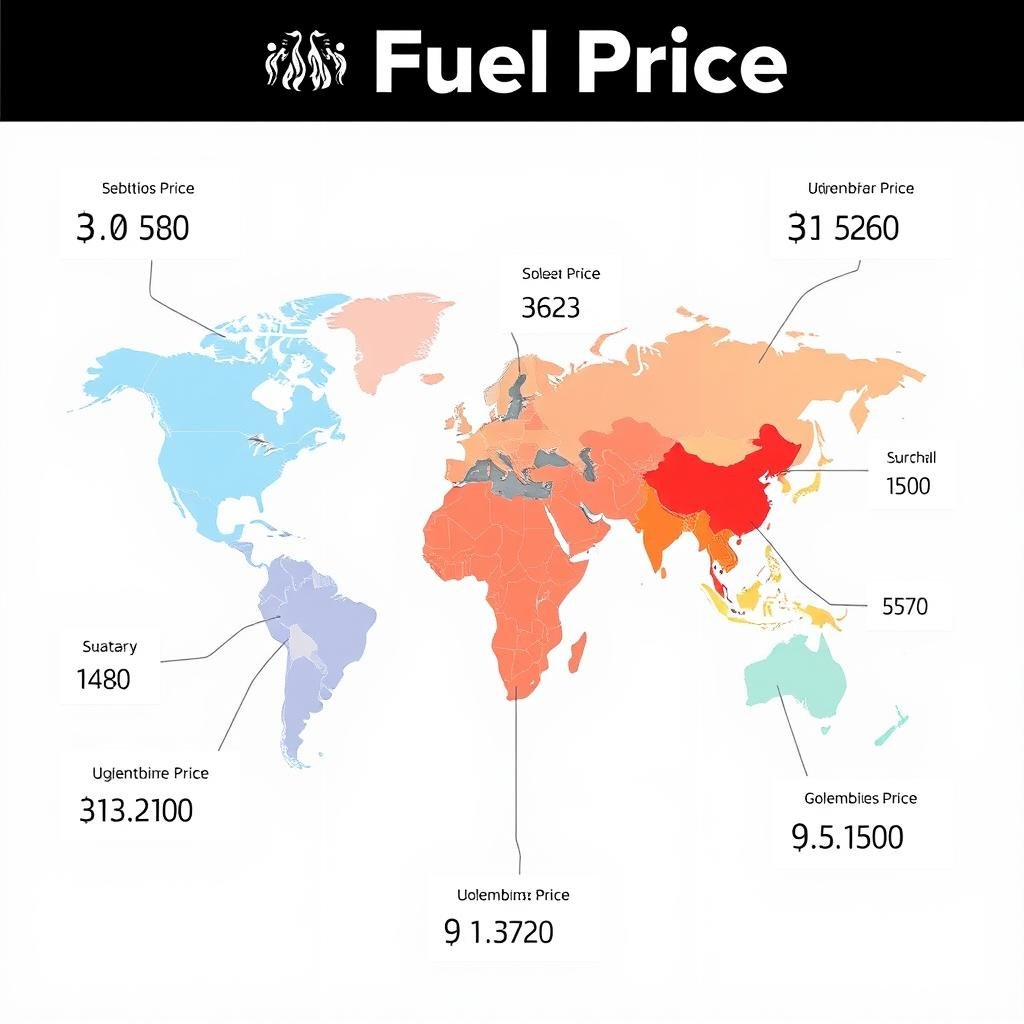
Fuel prices vary by location due to differences in transportation costs, local competition, and proximity to refineries. Remote areas typically have higher prices due to increased distribution costs.
Other factors include seasonal demand changes, refining capacity, natural disasters affecting production, and geopolitical events that disrupt supply chains. By staying informed about these factors, you can better anticipate price changes and plan your fuel budget accordingly.
Ready to Start Saving on Fuel?
Use our Fuel Cost Calculator to plan your budget and implement our fuel-saving tips.
Frequently Asked Questions About Fuel Cost Calculation
How accurate are fuel cost calculators?
Fuel cost calculators provide estimates based on the information you input. Their accuracy depends on how precise your inputs are, particularly your vehicle’s actual fuel efficiency, which may vary from the manufacturer’s stated figures. For the most accurate results, use your vehicle’s real-world fuel efficiency based on your driving patterns.
How do I find my vehicle’s fuel efficiency?
You can find your vehicle’s rated fuel efficiency in the owner’s manual or on the manufacturer’s website. For a more accurate measure of your actual efficiency, track the miles driven and fuel used over several fill-ups. Divide the total miles by the total gallons to get your real-world MPG.
Should I use the highway or city MPG rating for calculations?
If your trip is primarily highway driving, use the highway MPG rating. For city driving, use the city rating. For mixed driving, you can use the combined rating or calculate a weighted average based on the proportion of city versus highway driving you expect.
How do I calculate fuel costs for an electric or hybrid vehicle?
For hybrid vehicles, use the same formula but with the appropriate MPG rating. For electric vehicles, replace fuel efficiency with energy efficiency (kWh per mile) and fuel price with electricity price (per kWh). The formula becomes: Total Cost = Distance × Energy Efficiency × Electricity Price.
Plan Your Trips Smarter with Fuel Cost Calculation
Understanding and estimating your fuel costs is an essential part of responsible financial planning for any driver. By using a fuel cost calculator, you can better budget for trips, compare vehicle options, and identify opportunities to save money through improved efficiency.
Remember that while the calculator provides estimates, implementing the fuel-saving tips we’ve discussed can help you reduce your actual expenses even further. From proper vehicle maintenance to smarter driving habits, small changes can add up to significant savings over time.
Take control of your transportation budget today by calculating your fuel costs and making informed decisions about your travel plans.
Ready to Calculate Your Fuel Expenses?
Get started with our easy-to-use Fuel Cost Calculator and take the guesswork out of trip planning.