Gross Domestic Product (GDP) is the most comprehensive measure of a nation’s economic activity. It represents the total value of all goods and services produced within a country’s borders over a specific time period. Whether you’re an economics student, policy researcher, or business professional, understanding how to calculate GDP is essential for analyzing economic health and making informed decisions. This guide will walk you through everything you need to know about GDP calculation methods, formulas, and applications.

What is GDP and Why Does It Matter?
Gross Domestic Product (GDP) serves as the primary indicator of a country’s economic health. It measures the monetary value of final goods and services produced within a country during a specific period, typically quarterly or annually. GDP provides crucial insights into economic growth, living standards, and comparative economic performance between countries.
As defined by the Organisation for Economic Co-operation and Development (OECD), GDP is “an aggregate measure of production equal to the sum of the gross values added of all resident and institutional units engaged in production.” In simpler terms, it represents the market value of all finished goods and services created within a nation’s boundaries.
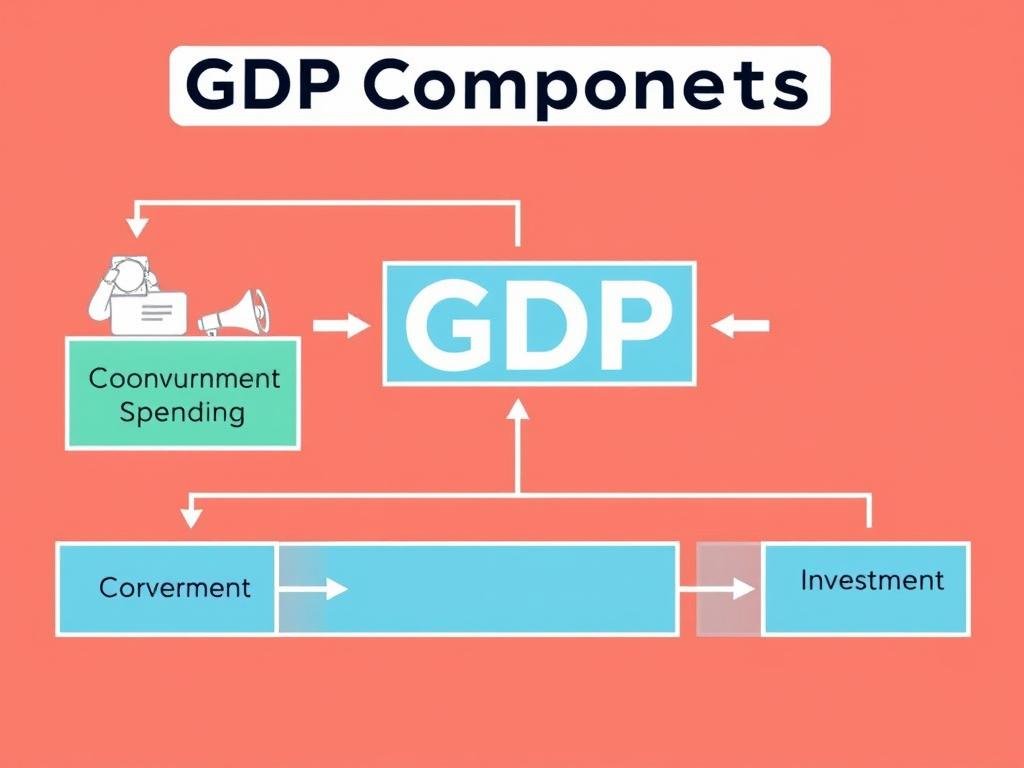
Understanding GDP is vital because it helps economists, policymakers, investors, and businesses to:
- Track economic growth and identify potential recessions
- Compare economic performance across different time periods
- Evaluate living standards between countries
- Guide monetary and fiscal policy decisions
- Inform business investment and expansion strategies
What is a GDP Calculator?
A GDP Calculator is a specialized tool designed to compute a country’s Gross Domestic Product using standardized economic formulas. It simplifies the complex process of aggregating various economic components into a single, comprehensive figure that represents total economic output.
The benefits of using a GDP Calculator include:
- Accuracy in complex economic calculations
- Time efficiency compared to manual calculations
- Consistency in applying standardized formulas
- Ability to compare different calculation approaches
- Easy visualization of economic components
- Quick analysis of economic trends
- Educational tool for understanding GDP structure
- Support for policy and business decision-making
Ready to Calculate GDP?
Our interactive GDP Calculator makes economic analysis simple and accurate.
Understanding the GDP Formula
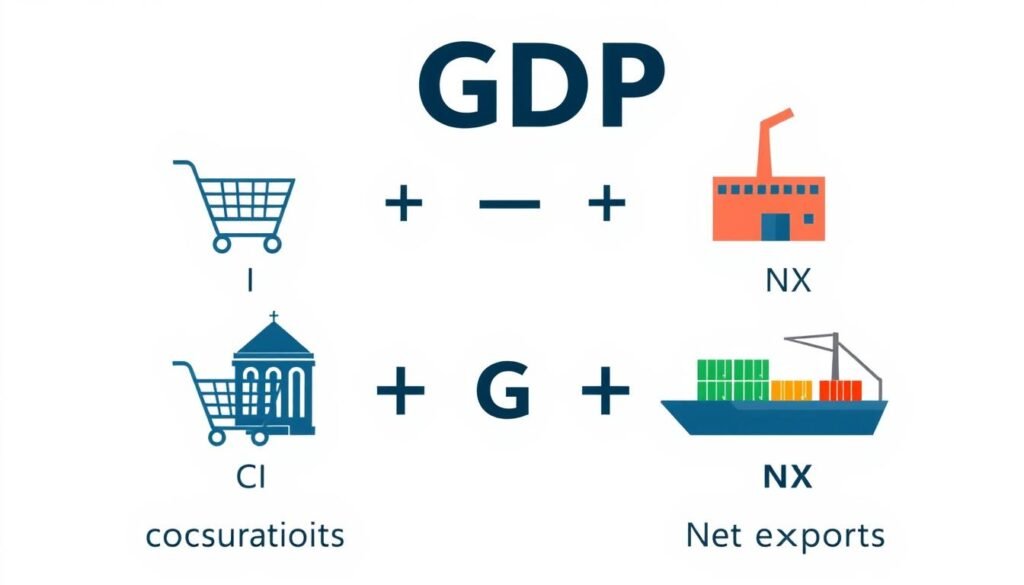
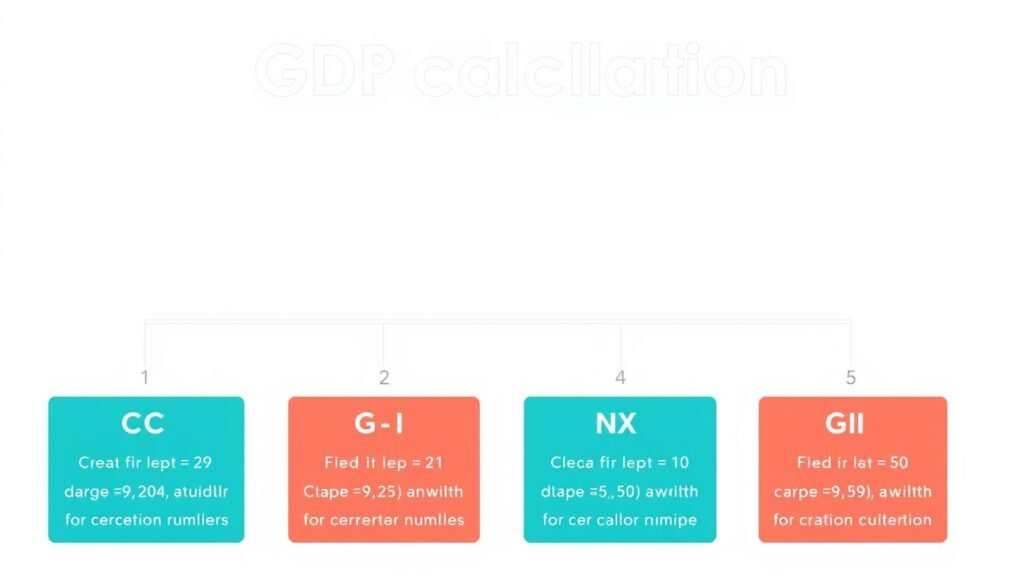
The most widely used approach to calculate GDP is the expenditure approach, which adds up spending by different groups who participate in the economy. The standard GDP formula is:
GDP = C + G + I + NX
Where each component represents:
C (Consumption)
Personal consumption expenditures by households on goods and services. This typically represents the largest component of GDP and includes spending on durable goods (like appliances), non-durable goods (like food), and services (like healthcare).
G (Government Spending)
Government expenditures on final goods and services. This includes public sector salaries, infrastructure projects, and defense spending, but excludes transfer payments like social security or unemployment benefits.
I (Investment)
Business spending on capital goods like equipment, structures, and inventory changes. It also includes residential construction. Note that financial investments are not included in this category.
NX (Net Exports)
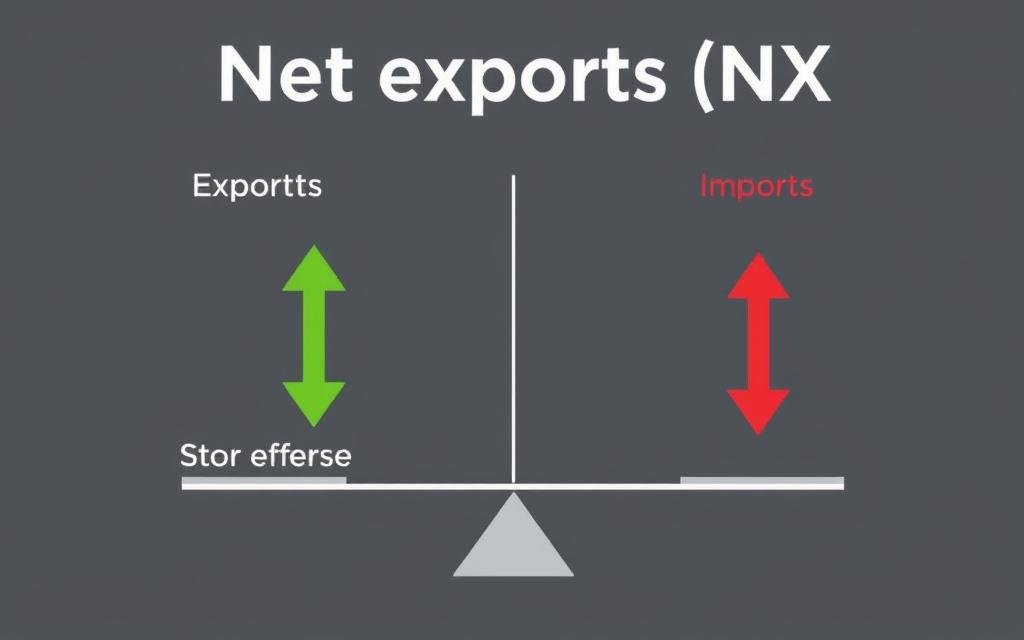
The difference between exports (goods and services produced domestically but sold abroad) and imports (goods and services produced abroad but purchased domestically). The formula is:
Net Exports = Exports – Imports
When a country exports more than it imports, net exports are positive, contributing to GDP growth. Conversely, when imports exceed exports, net exports are negative, reducing GDP.
Different Approaches to GDP Calculation
While the expenditure approach is commonly used, economists employ three main methods to calculate GDP, each approaching the measurement from a different angle but yielding the same result in theory:

Expenditure Approach
Measures total spending on final goods and services across the economy.
Formula: GDP = C + G + I + NX
This approach tracks how much money is spent in the economy by consumers, businesses, government, and foreign buyers.
Income Approach
Measures the income earned by all factors of production in the economy.
Formula: GDP = Wages + Rent + Interest + Profit + Taxes on production + Depreciation
This approach focuses on how income is distributed among different economic participants.
Production (Value Added) Approach
Measures the value added at each stage of production.
Formula: GDP = Sum of value added across all sectors
This approach calculates the difference between the value of outputs and the value of intermediate inputs for all industries.
Nominal GDP vs. Real GDP: Understanding the Difference
When working with GDP figures, it’s crucial to distinguish between nominal and real GDP, as they serve different analytical purposes:
Nominal GDP
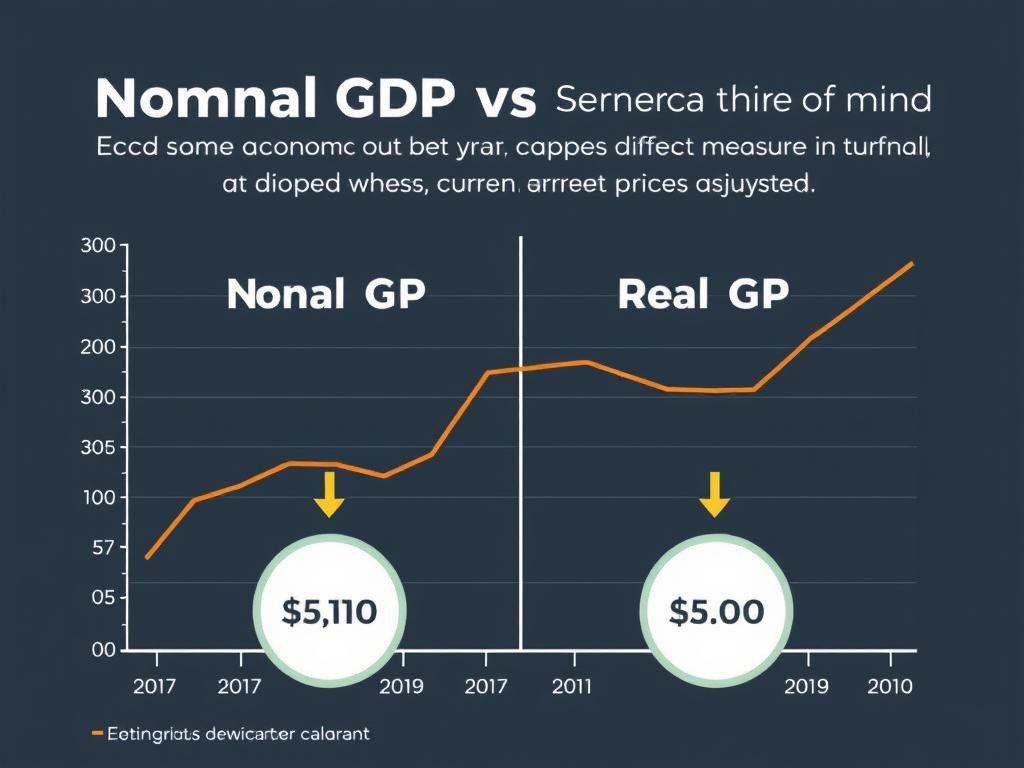
Nominal GDP measures economic output using current market prices. It does not account for inflation or deflation, making it useful for analyzing current economic activity but less helpful for comparing economic performance across different time periods.
Example: If a country produces 100 units at $10 each in Year 1, nominal GDP is $1,000. If it produces 105 units at $12 each in Year 2, nominal GDP is $1,260.
Real GDP
Real GDP adjusts for price changes (inflation or deflation) by using prices from a selected base year. This adjustment allows for more accurate comparisons of economic output across different time periods by isolating changes in production volume from price changes.
Example: Using Year 1 as the base year ($10 per unit), the real GDP in Year 2 would be 105 units × $10 = $1,050, showing a 5% growth in actual output.
GDP Deflator
The GDP deflator is a price index used to adjust nominal GDP to obtain real GDP. It measures the level of prices of all new, domestically produced final goods and services in an economy.
GDP Deflator = (Nominal GDP ÷ Real GDP) × 100
The GDP deflator provides a comprehensive measure of inflation across the entire economy, unlike consumer price indices that track specific baskets of goods.
GDP Per Capita and Other GDP Variations
While total GDP provides valuable insights into a country’s economic size, several GDP variations offer additional perspectives on economic performance and living standards:
GDP Per Capita
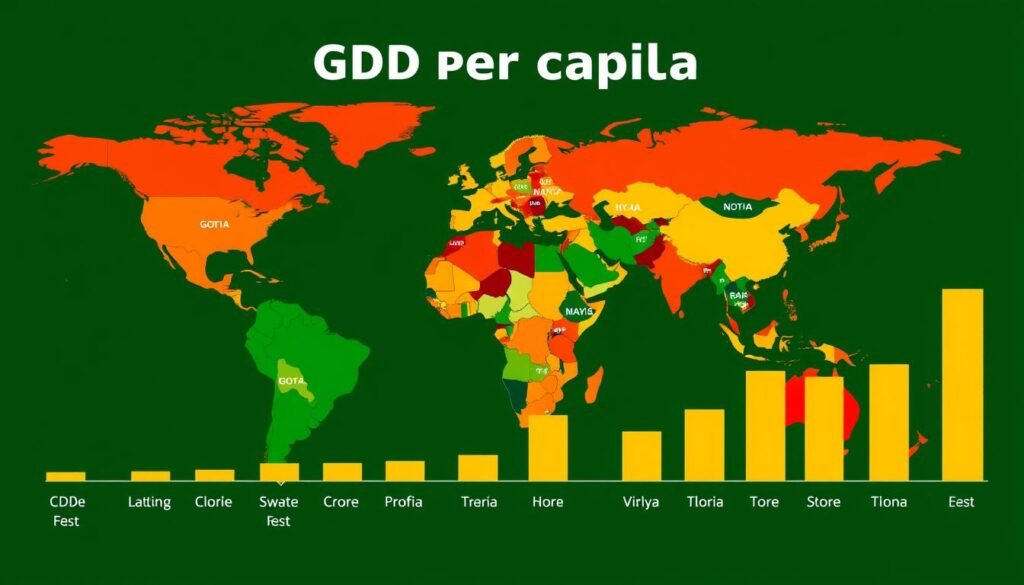
GDP per capita divides a country’s total GDP by its population, providing an average measure of economic output per person. This metric is often used to compare living standards between countries.
Formula: GDP Per Capita = Total GDP ÷ Total Population
GDP PPP (Purchasing Power Parity)
GDP PPP adjusts for differences in price levels between countries, allowing for more accurate comparisons of living standards. It accounts for the fact that $1 can buy different amounts of goods in different countries.
This adjustment is particularly important when comparing economies with significantly different price levels.
GDP Growth Rate
The GDP growth rate measures the percentage change in GDP from one period to another, typically quarter-to-quarter or year-to-year. It indicates whether an economy is expanding or contracting.
Formula: GDP Growth Rate = [(GDP₂ – GDP₁) ÷ GDP₁] × 100
Need to Calculate Different GDP Metrics?
Our comprehensive GDP Calculator handles all variations including per capita, PPP, and growth rates.
Step-by-Step Guide to Calculating GDP
Let’s walk through a practical example of calculating GDP using the expenditure approach:
-
Gather consumption data: Collect information on household spending on goods and services.
Example: Total consumption (C) = $14.5 trillion
-
Calculate government spending: Sum all government expenditures on goods and services.
Example: Government spending (G) = $3.8 trillion
-
Determine investment: Add up business spending on equipment, structures, and inventory changes, plus residential construction.
Example: Investment (I) = $3.2 trillion
-
Calculate net exports: Subtract the value of imports from exports.
Example: Exports = $2.5 trillion, Imports = $3.1 trillion, Net Exports (NX) = -$0.6 trillion
-
Sum all components: Add consumption, government spending, investment, and net exports.
Example: GDP = $14.5T + $3.8T + $3.2T + (-$0.6T) = $20.9 trillion
Note: This is a simplified example. Actual GDP calculations by national statistical agencies involve extensive data collection, seasonal adjustments, and complex methodologies.
Limitations of GDP as an Economic Measure
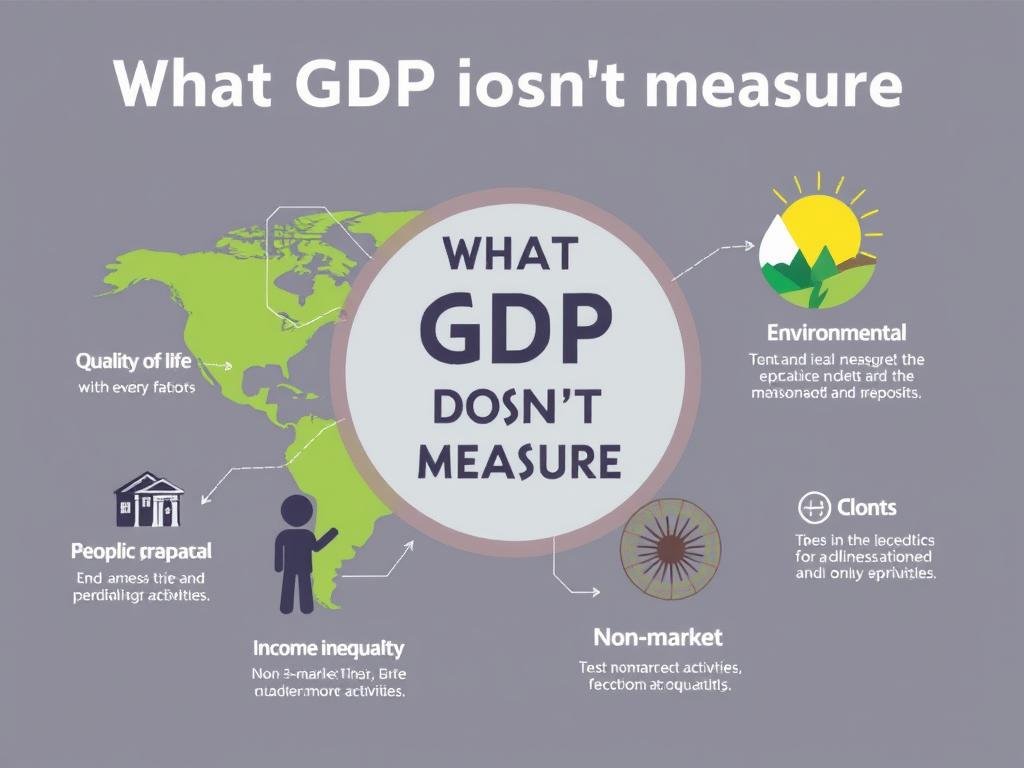
While GDP is a valuable economic indicator, it has several limitations that should be considered when interpreting the data:
- Market-based economic activity
- Production of goods and services
- Economic growth over time
- Relative size of economic sectors
- International economic comparisons
What GDP Measures Well
- Income inequality and distribution
- Environmental degradation and sustainability
- Quality of life and well-being
- Unpaid work (household labor, volunteering)
- Underground or informal economy
What GDP Doesn’t Capture
Because of these limitations, economists often recommend using GDP alongside other indicators such as the Human Development Index (HDI), Gini coefficient, and environmental metrics for a more comprehensive assessment of economic and social well-being.
Applications of GDP Calculation
Understanding how to calculate GDP has numerous practical applications across different sectors:
For Policymakers
- Formulating fiscal and monetary policies
- Identifying economic trends and cycles
- Planning government budgets
- Evaluating policy effectiveness
- Setting economic development goals
For Businesses
- Market expansion planning
- Investment decision-making
- Demand forecasting
- Strategic planning
- International market assessment
For Researchers & Students
- Economic analysis and modeling
- Historical economic comparisons
- Understanding economic structures
- Testing economic theories
- Academic research
Frequently Asked Questions About GDP Calculation
What is not included in GDP calculations?
GDP does not include several economic activities:
- Unpaid household work and volunteering
- Illegal activities and black market transactions
- Used goods sales (as they were counted when first produced)
- Financial transactions that don’t involve production
- Intermediate goods (to avoid double-counting)
- Transfer payments like social security or unemployment benefits
How often is GDP calculated?
Most countries calculate GDP on a quarterly basis, with annual summaries. Statistical agencies typically release preliminary estimates shortly after each quarter ends, followed by revised figures as more complete data becomes available. Some countries, like Finland, produce monthly GDP estimates as well.
What’s the difference between GDP and GNP?
While GDP measures the value of goods and services produced within a country’s borders regardless of ownership, Gross National Product (GNP) measures the value of goods and services produced by a country’s residents, regardless of location. The key difference is that GDP is defined by geographic boundaries, while GNP is defined by citizenship or ownership.
Why is real GDP more useful than nominal GDP for certain analyses?
Real GDP is more useful for comparing economic performance across different time periods because it removes the effects of inflation. This allows economists to identify genuine changes in production volume rather than changes that simply reflect rising prices. For example, if nominal GDP grows by 5% but inflation is 3%, real GDP growth is only 2%.

Start Calculating GDP Today
Understanding how to calculate GDP is essential for anyone studying economics, working in finance, or analyzing business environments. While the concepts and formulas may seem complex at first, breaking them down into their component parts makes the process more manageable. Whether you’re a student, researcher, policymaker, or business professional, having access to accurate GDP calculations can provide valuable insights into economic performance and trends.
Ready to Calculate GDP Like a Professional?
Our comprehensive GDP Calculator makes it easy to compute GDP using any approach. Get accurate results instantly without complex manual calculations.