Use our GFR Calculator to estimate your glomerular filtration rate and assess kidney function. Track health and manage kidney-related conditions effectively.
Your kidneys play a vital role in filtering waste from your blood. The glomerular filtration rate (GFR) is considered the best measure of kidney function, helping healthcare providers assess kidney health and detect potential problems early. Understanding how to use a GFR calculator and interpret its results can empower you to take control of your kidney health and make informed decisions about your overall wellbeing.
What is GFR and Why is it Important?
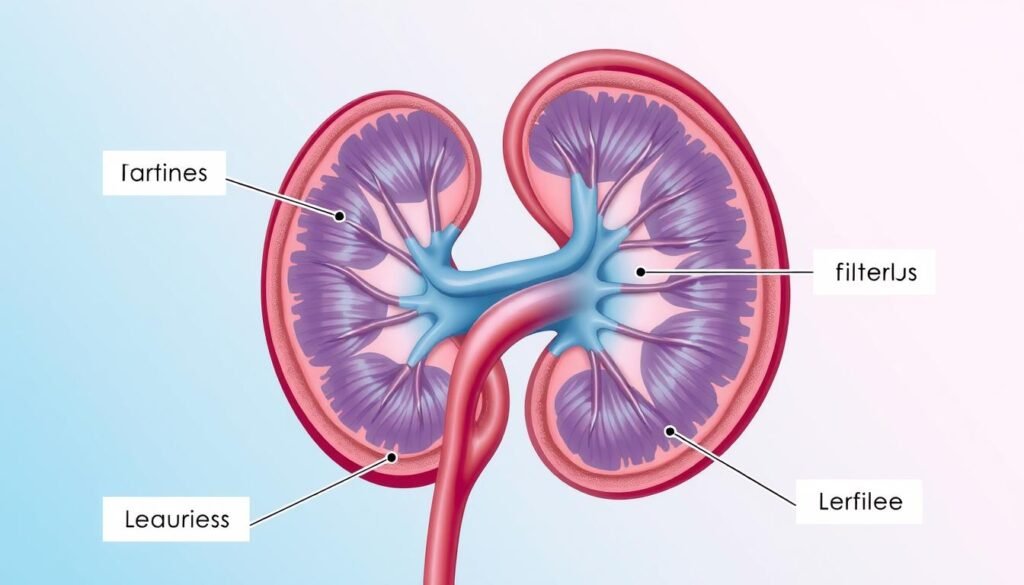
GFR stands for Glomerular Filtration Rate, which measures how well your kidneys filter blood. Inside your kidneys are millions of tiny filters called glomeruli that remove waste and excess fluid from your blood. The GFR calculation estimates how much blood passes through these filters each minute.
A healthy kidney typically filters about 90-120 milliliters of blood per minute. As kidney function declines, this filtration rate decreases. Healthcare providers use GFR to determine if you have kidney disease and, if so, how severe it is.
Ready to Check Your Kidney Function?
Understanding your GFR can help you take proactive steps for your kidney health.
GFR is particularly important because kidney disease often shows no symptoms until significant damage has occurred. Regular monitoring of your GFR can help detect kidney problems early when treatment is most effective.
How GFR Calculators Work
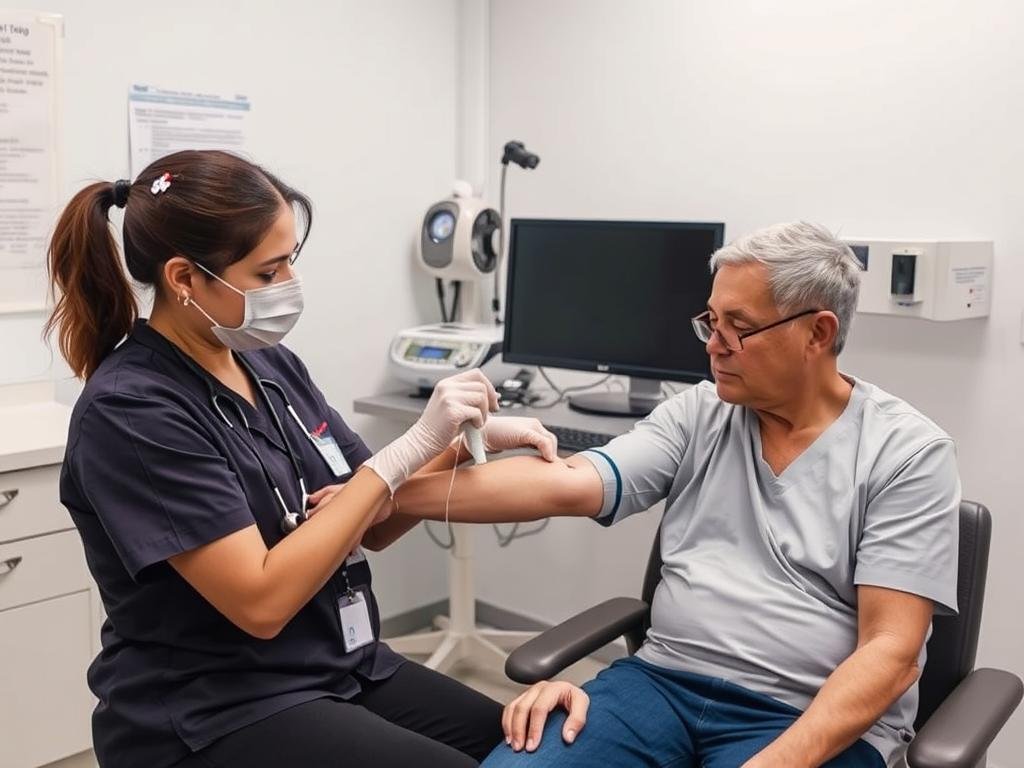
GFR calculators use mathematical formulas to estimate your kidney function based on several key factors. While an actual GFR measurement would require complex laboratory procedures, these calculators provide a reliable estimate using readily available information.
Information Required for GFR Calculation
Most GFR calculators require the following information:
- Age (kidney function naturally declines with age)
- Gender (filtration rates differ between males and females)
- Serum creatinine level (from a blood test)
- Race (some older formulas included this factor)
- Height and weight (for some formulas)
Creatinine is a waste product produced by your muscles and filtered by your kidneys. When kidney function declines, creatinine levels in your blood rise. This makes it an excellent marker for calculating GFR.
Some newer calculators may also use cystatin C, another blood marker that can provide additional accuracy in certain populations.
Different GFR Calculation Methods
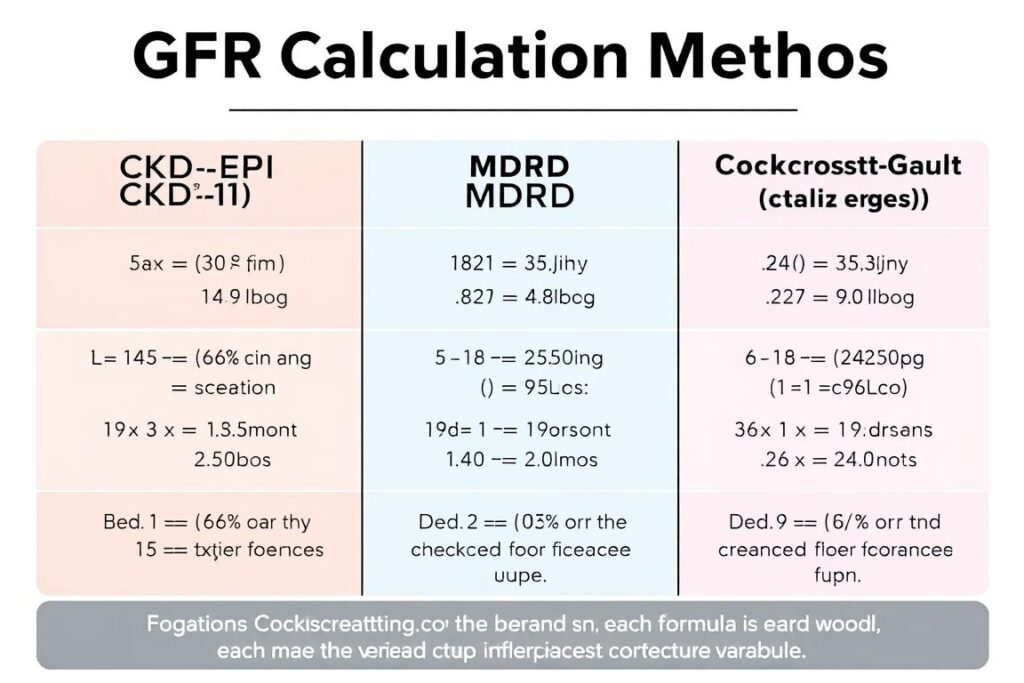
Several formulas have been developed to calculate estimated GFR (eGFR). Each has its strengths and is used in different clinical contexts:
| Formula | Best Used For | Key Characteristics |
| CKD-EPI (2021) | General population | Most accurate across various populations; race-free version now recommended |
| MDRD | People with confirmed kidney disease | Less accurate at higher GFR levels; historically included race factor |
| Cockcroft-Gault | Medication dosing | Estimates creatinine clearance rather than GFR; includes weight |
The CKD-EPI equation is currently recommended by the National Kidney Foundation as the most accurate formula for most people. In 2021, a new version was released that removed race as a factor, making it more equitable across populations.
Step-by-Step Guide to Using a GFR Calculator
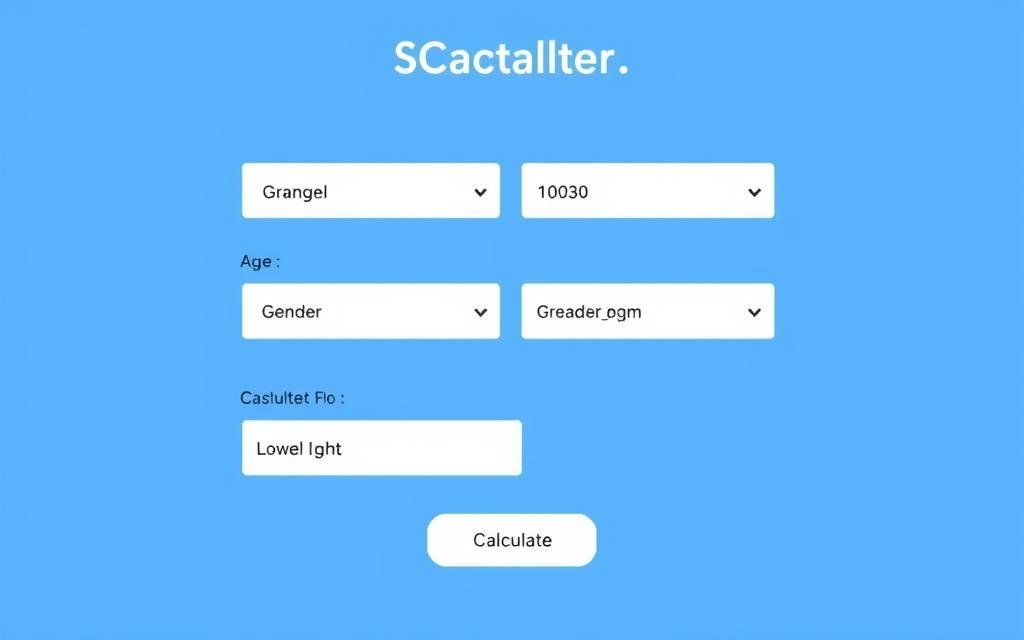
Using an online GFR calculator is straightforward, but you’ll need specific information from your healthcare provider. Here’s how to use one effectively:
Before You Begin
Important: You’ll need recent blood test results showing your serum creatinine level to use a GFR calculator accurately. This requires a healthcare provider’s order.
Step-by-Step Instructions
- Obtain your serum creatinine level from a recent blood test (measured in mg/dL or μmol/L)
- Choose a reputable GFR calculator from a medical institution or kidney organization
- Enter your age (in years)
- Select your gender (male or female)
- Input your serum creatinine value (ensure you’re using the correct units)
- Some calculators may ask for height and weight
- Click “Calculate” or “Submit” to generate your estimated GFR
Example Calculation
Sample GFR Calculation
Let’s look at an example for a 45-year-old female with a serum creatinine level of 0.9 mg/dL:
- Age: 45 years
- Gender: Female
- Serum creatinine: 0.9 mg/dL
- Using the CKD-EPI formula, the calculated eGFR would be approximately 86 mL/min/1.73m²
Interpreting Your GFR Results
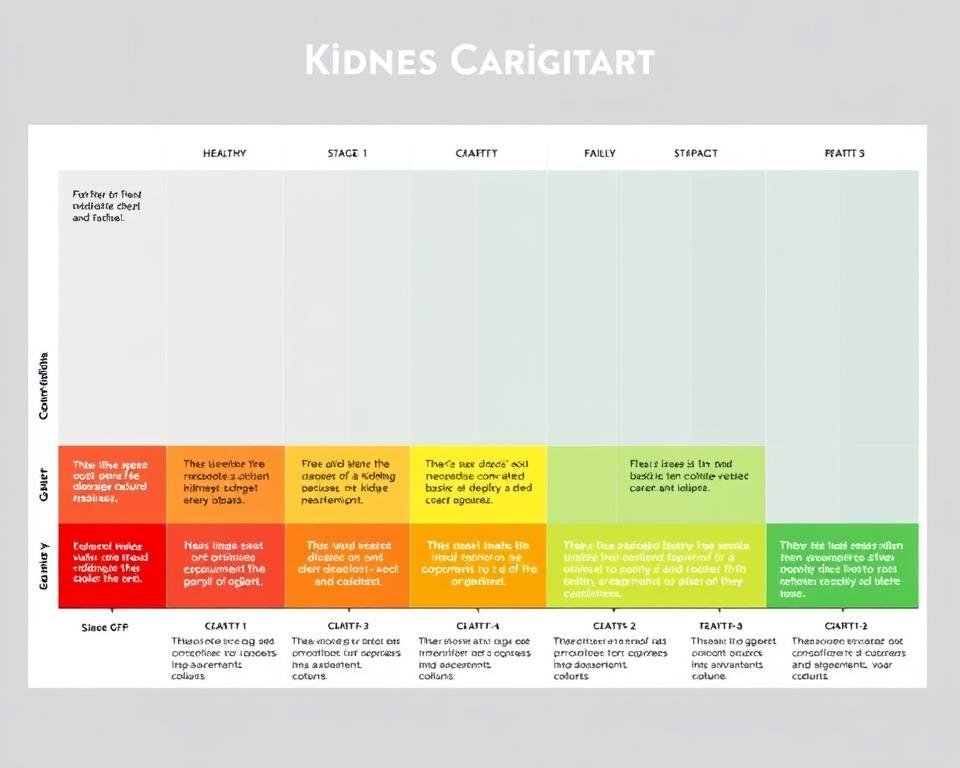
Understanding what your GFR number means is crucial for assessing your kidney health. GFR results are typically reported in milliliters per minute per 1.73 square meters (mL/min/1.73m²), which represents the rate at which your kidneys filter blood adjusted for body surface area.
GFR Ranges and What They Mean
| GFR Range | Kidney Function | Stage of Kidney Disease | Recommended Actions |
| 90 or higher | Normal to high | Stage 1 (if kidney damage is present) | Annual monitoring if risk factors exist |
| 60-89 | Mildly reduced | Stage 2 (if kidney damage is present) | Monitor and address risk factors |
| 45-59 | Mild to moderately reduced | Stage 3a | Regular monitoring, lifestyle changes |
| 30-44 | Moderately to severely reduced | Stage 3b | Consult with nephrologist |
| 15-29 | Severely reduced | Stage 4 | Prepare for kidney replacement therapy |
| Less than 15 | Kidney failure | Stage 5 | Dialysis or transplant needed |
It’s important to note that a single GFR measurement should not be used to make a diagnosis. Your healthcare provider will consider trends over time and other factors when assessing your kidney health.
Concerned About Your GFR Results?
Only a healthcare professional can properly interpret your GFR in the context of your overall health.
Age and GFR
GFR naturally declines with age, even in healthy individuals. A lower GFR in older adults may not necessarily indicate kidney disease. Here’s what’s generally considered normal for different age groups:
- 20-29 years: Average GFR of 116
- 30-39 years: Average GFR of 107
- 40-49 years: Average GFR of 99
- 50-59 years: Average GFR of 93
- 60-69 years: Average GFR of 85
- 70+ years: Average GFR of 75
Your healthcare provider will consider your age when interpreting your GFR results.
Limitations and Considerations of GFR Calculators

While GFR calculators are valuable tools, they have limitations that should be considered when interpreting results:
Strengths of GFR Calculators
- Non-invasive estimation of kidney function
- Widely available and easy to use
- Helpful for monitoring kidney health over time
- Validated across many populations
Limitations of GFR Calculators
- Provide estimates, not exact measurements
- Less accurate at very high or low GFR levels
- May be affected by muscle mass, diet, and medications
- Single readings can be misleading
Special Populations
GFR calculators may be less accurate in certain populations:
- Pregnant women – Kidney function changes during pregnancy
- Very elderly – Age-related changes affect creatinine levels
- Amputees – Altered muscle mass affects creatinine production
- Extremely muscular individuals – Higher muscle mass produces more creatinine
- Malnourished individuals – Lower muscle mass produces less creatinine
- People with liver disease – Altered creatinine metabolism
Important: Temporary factors like dehydration, certain medications, and high-protein meals can affect your creatinine levels and GFR results. Always discuss with your healthcare provider before drawing conclusions.
When to Consult a Healthcare Professional

While GFR calculators provide valuable information, they’re not a substitute for professional medical advice. Here are situations when you should consult a healthcare provider about your kidney health:
Based on GFR Results
- GFR below 60 mL/min/1.73m² on multiple tests
- Rapid decline in GFR (more than 5 points per year)
- GFR below 45 mL/min/1.73m² (specialist referral recommended)
- Any GFR below 30 mL/min/1.73m² (urgent specialist care needed)
Based on Symptoms and Risk Factors
Symptoms That Warrant Consultation
- Persistent swelling in feet and ankles
- Foamy or bloody urine
- Increased or decreased urination
- Fatigue and weakness
- Difficulty concentrating
- Poor appetite
- Muscle cramps, especially at night
High-Risk Groups
- Diabetes (type 1 or 2)
- Hypertension (high blood pressure)
- Heart disease
- Family history of kidney disease
- Obesity
- Age over 60
- History of acute kidney injury
Take Control of Your Kidney Health
Regular monitoring and early intervention are key to preserving kidney function.
Importance of Regular Kidney Function Testing
Regular kidney function testing is crucial, especially for those at higher risk of kidney disease. Early detection can slow or prevent progression to kidney failure.
Recommended Testing Frequency
| Risk Level | Recommended Testing Frequency |
| Low risk (no risk factors) | Every 1-2 years as part of routine check-up |
| Moderate risk (one risk factor) | Annually |
| High risk (multiple risk factors) | Every 6 months |
| Known kidney disease (GFR 30-59) | Every 3-6 months |
| Advanced kidney disease (GFR | Every 1-3 months |
Comprehensive Kidney Health Assessment
A complete kidney health assessment includes more than just GFR. Your healthcare provider may recommend:
- Urinalysis – Checks for protein, blood, and other abnormalities in urine
- Albumin-to-creatinine ratio (ACR) – Measures protein leakage into urine
- Blood pressure monitoring – High blood pressure can both cause and result from kidney disease
- Blood glucose testing – Diabetes is a leading cause of kidney disease
- Imaging studies – Ultrasound or CT scans may be needed to examine kidney structure
By combining these tests with GFR measurements, healthcare providers can get a complete picture of your kidney health and develop appropriate treatment plans if needed.
Taking Action for Your Kidney Health

Understanding your GFR is an important step in taking control of your kidney health. By using GFR calculators and working with healthcare professionals, you can monitor your kidney function and take appropriate actions to preserve it.
Remember that GFR is just one measure of kidney health, and results should always be interpreted by a healthcare professional in the context of your overall health. Regular testing, especially for those at higher risk, can help detect kidney problems early when interventions are most effective.
If you haven’t had your kidney function checked recently, consider scheduling an appointment with your healthcare provider, especially if you have risk factors like diabetes, high blood pressure, or a family history of kidney disease.
Ready to Monitor Your Kidney Health?
Take the first step toward better kidney health by checking your GFR and discussing the results with your healthcare provider.