Planning a driveway, garden path, or landscaping project? Our gravel calculator helps you determine exactly how much material you need, saving you time and money. Stop guessing and avoid the frustration of ordering too much or too little gravel. This comprehensive guide explains everything you need to know about calculating gravel requirements for any project.
Ready to Calculate Your Gravel Needs?
Get instant, accurate estimates for your project with our free calculator tool.
What is a Gravel Calculator?
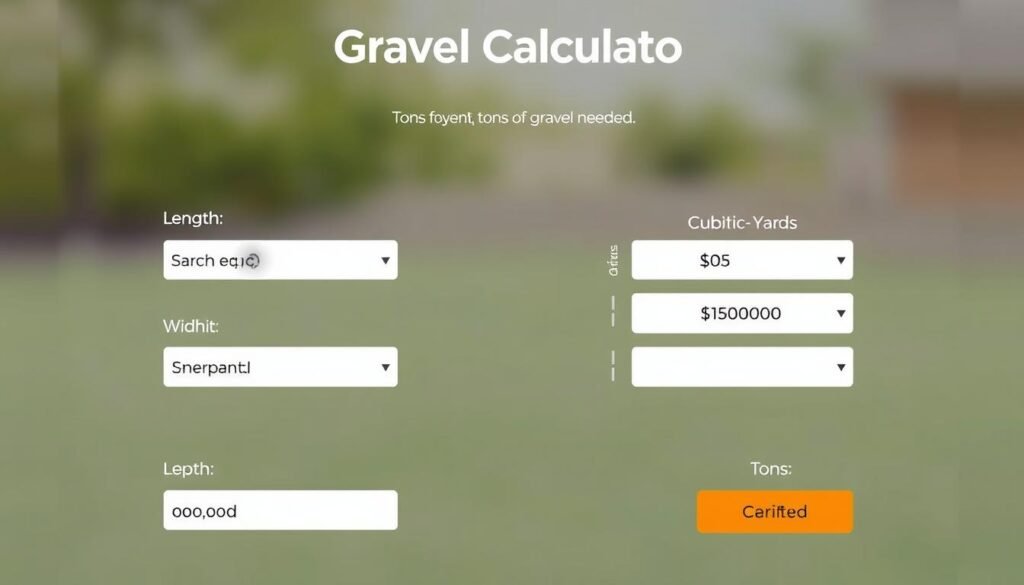
A gravel calculator helps estimate the exact amount of material needed for your project
A gravel calculator is a specialized tool that helps you determine the precise amount of gravel needed for construction, landscaping, or home improvement projects. By entering the dimensions of your project area and desired depth of gravel, the calculator provides estimates in both volume (cubic yards or cubic feet) and weight (tons), along with approximate cost based on current gravel prices.
This essential planning tool eliminates guesswork, helping you order the right amount of material the first time. Whether you’re creating a gravel driveway, garden path, or drainage system, a gravel calculator ensures you purchase exactly what you need – no more, no less.
Why Use a Gravel Calculator?
Accurately estimating gravel quantities is crucial for successful project planning and execution. Using a gravel calculator offers numerous advantages over rough estimates or guesswork:
- Prevents costly overordering or frustrating shortages
- Provides precise cost estimates before purchasing
- Saves time compared to manual calculations
- Reduces material waste and environmental impact
- Helps plan transportation logistics (truck capacity)
- Ensures proper coverage depth for your specific application
- Simplifies project budgeting and planning
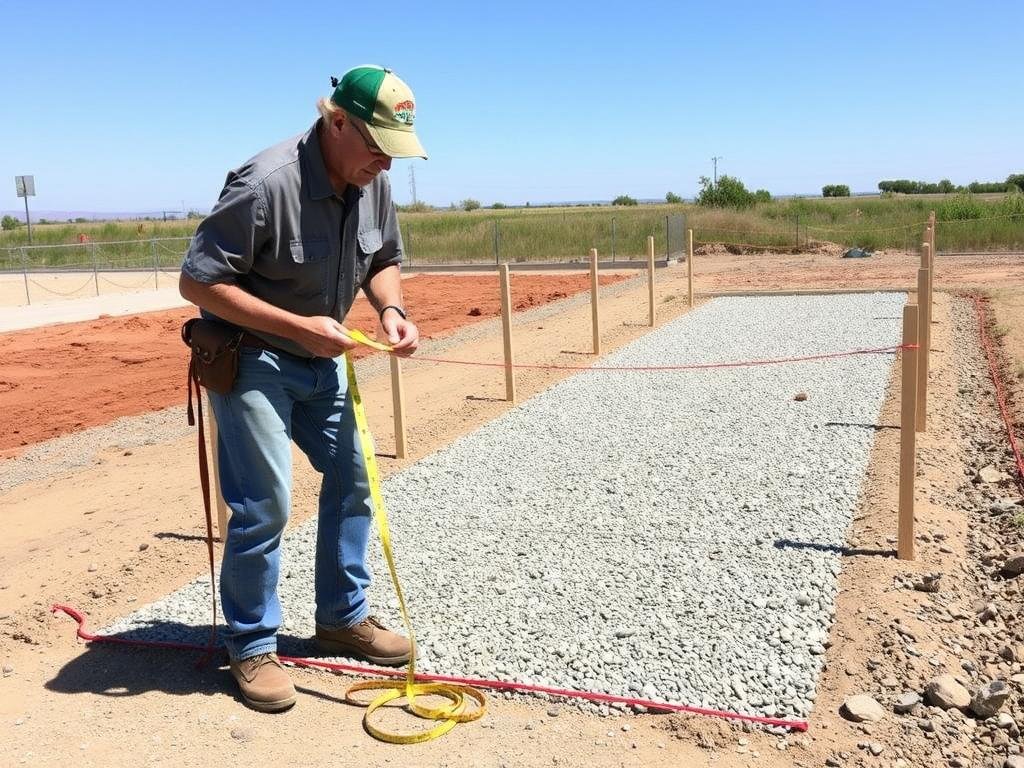
Without proper calculation, you risk ordering too little gravel and delaying your project, or ordering too much and wasting money. A gravel calculator eliminates these risks by providing accurate estimates based on your specific project dimensions.
How to Calculate Gravel Needed Manually
While using an online gravel calculator is the easiest method, understanding the manual calculation process helps you verify results and make adjustments as needed. Here’s how to calculate gravel requirements step by step:
Basic Formula for Rectangular Areas
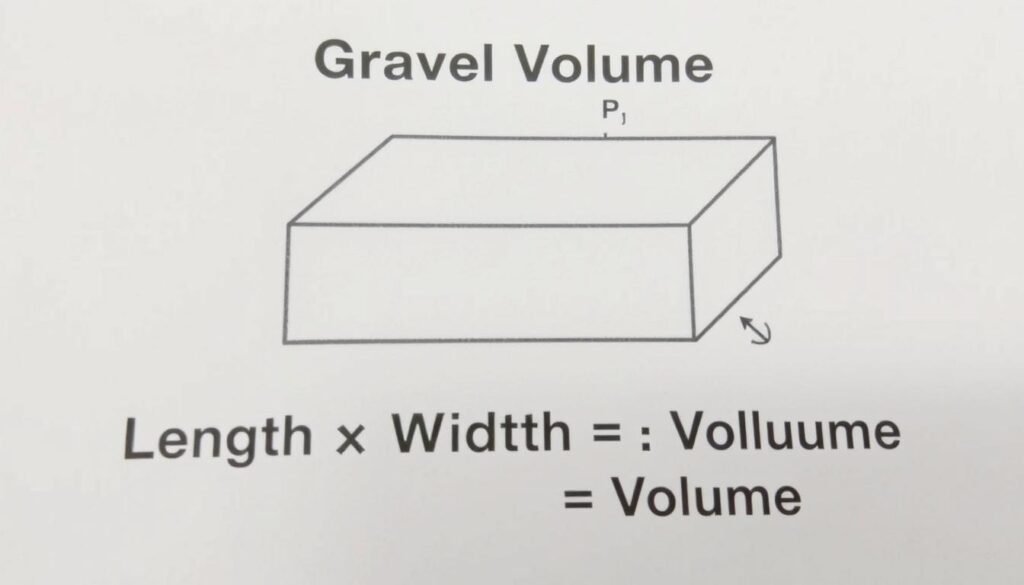
For square or rectangular areas, the basic formula is:
Volume = Length × Width × Depth
For example, if your patio area is 10 feet long, 8 feet wide, and you want gravel 3 inches (0.25 feet) deep:
Volume = 10 ft × 8 ft × 0.25 ft = 20 cubic feet
Circular Area Calculation
For circular areas, use this formula:
Volume = π × (Diameter ÷ 2)² × Depth
For a circular garden bed with a 6-foot diameter and 2-inch (0.167 feet) gravel depth:
Volume = 3.14 × (6 ÷ 2)² × 0.167 = 3.14 × 9 × 0.167 = 4.71 cubic feet
Converting to Cubic Yards
Since gravel is typically sold by the cubic yard, convert your cubic feet measurement:
Cubic Yards = Cubic Feet ÷ 27
Using our example: 20 cubic feet ÷ 27 = 0.74 cubic yards
Converting to Weight (Tons)
To estimate weight, multiply the volume by the density of gravel:
Weight (tons) = Volume (cubic yards) × Density
Most gravel weighs approximately 1.4 to 1.7 tons per cubic yard. Using 1.5 as an average:
Weight = 0.74 cubic yards × 1.5 tons/cubic yard = 1.11 tons
Skip the Complex Math
Let our calculator handle these conversions instantly and accurately.
Types of Gravel and Their Uses
Selecting the right type of gravel is crucial for project success. Different gravel types offer varying aesthetics, drainage capabilities, and stability. Here are the most common types and their ideal applications:

Pea Gravel
Small, smooth, rounded stones (typically 3/8 inch) available in various colors. Comfortable to walk on and provides excellent drainage.
Best for: Walkways, patios, playgrounds, and decorative landscaping.

Crushed Stone
Angular stones with sharp edges that lock together for stability. Available in various sizes from 3/4 inch to 2+ inches.
Best for: Driveways, road base, drainage applications, and foundation support.
River Rock
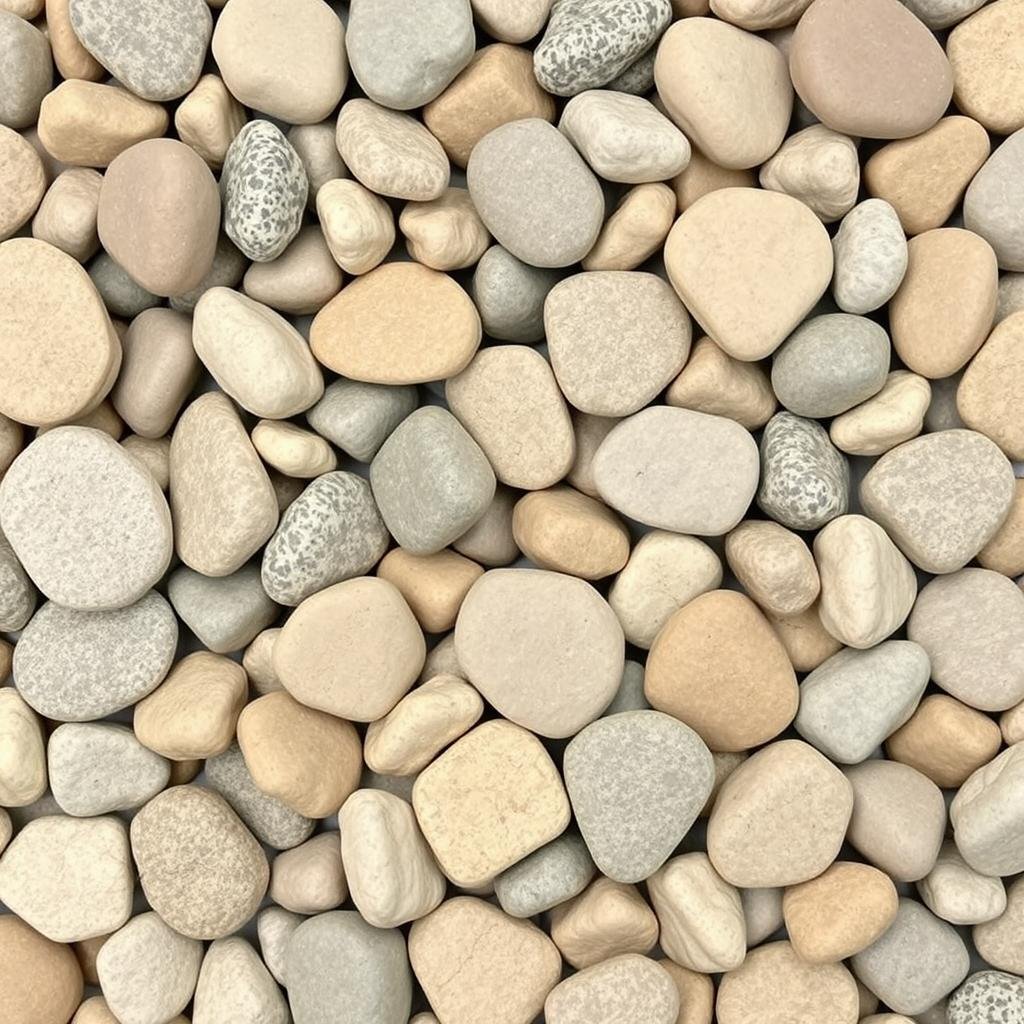
Smooth, rounded stones (1-3 inches) polished by water over time. Offers excellent drainage and natural appearance.
Best for: Water features, decorative borders, and erosion control.
| Gravel Type | Size Range | Density (tons/cubic yard) | Best Applications | Drainage Quality |
| Pea Gravel | 1/8″ – 3/8″ | 1.4 – 1.5 | Walkways, patios, playgrounds | Excellent |
| Crushed Stone (#57) | 3/4″ – 1″ | 1.5 – 1.6 | Driveways, drainage, base layer | Very Good |
| River Rock | 1″ – 3″ | 1.3 – 1.5 | Decorative, water features | Excellent |
| Bank Gravel | Mixed sizes | 1.5 – 1.7 | Fill, foundation base | Good |
| Marble Chips | 1/4″ – 1/2″ | 1.4 – 1.5 | Decorative landscaping | Very Good |
Factors Affecting Gravel Calculation
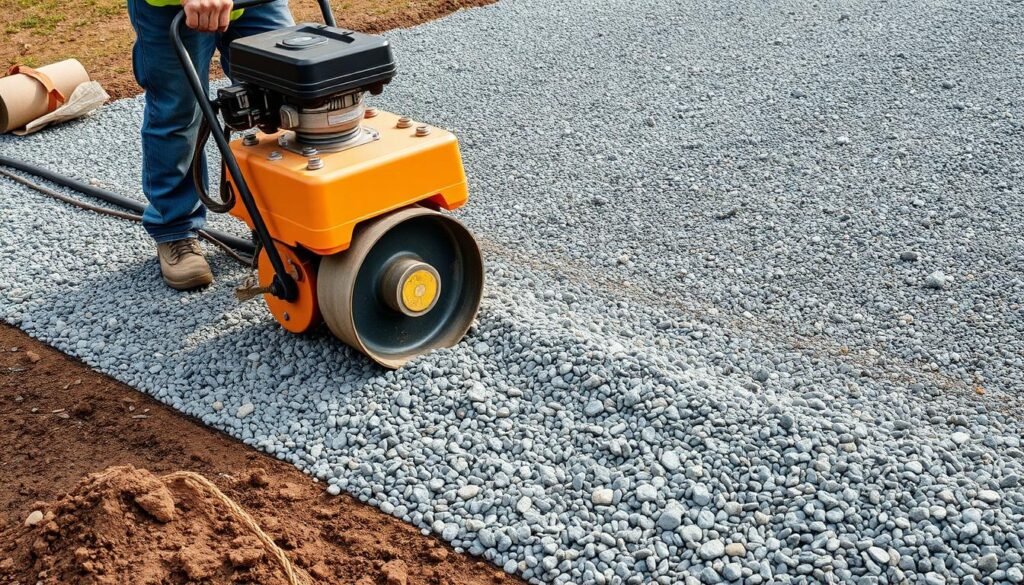
Several important factors can affect the accuracy of your gravel calculations. Consider these elements when planning your project:
Compaction Factor
Gravel compacts over time, especially in high-traffic areas like driveways. The volume can reduce by 20-30% after compaction. To account for this:
Adjusted Volume = Calculated Volume × 1.3
For example, if you calculated 1 cubic yard, order 1.3 cubic yards to maintain your desired depth after compaction.
Waste Factor
Some material will inevitably be lost during delivery, spreading, and installation. Adding a 5-10% waste factor ensures you have enough material:
Total Volume = Adjusted Volume × 1.1
Depth Requirements for Different Applications
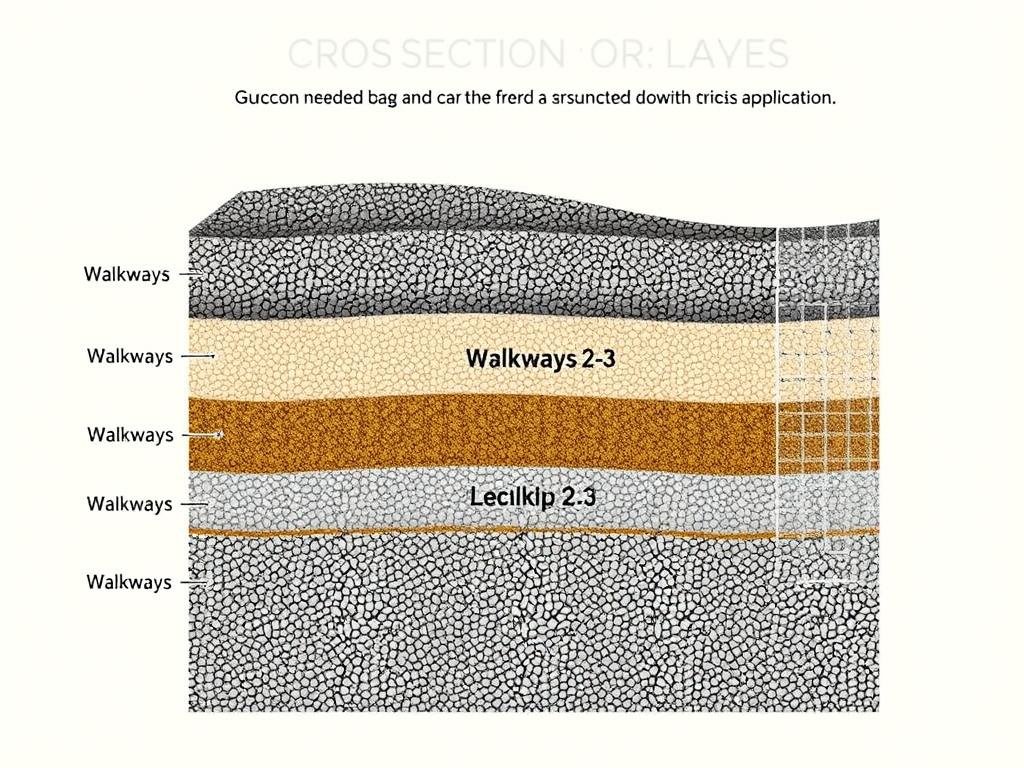
- Walkways: 2-3 inches (5-7.5 cm)
- Patios: 2-3 inches (5-7.5 cm)
- Residential Driveways: 4-6 inches (10-15 cm)
- Commercial Driveways: 8-12 inches (20-30 cm)
- Drainage Areas: 4-6 inches (10-15 cm)
- Decorative Landscaping: 1-2 inches (2.5-5 cm)
Terrain Considerations
Uneven terrain requires additional material to create a level surface. For sloped areas, calculate the average depth or divide the area into sections with different depths for more accurate estimates.
Tips for Buying Gravel
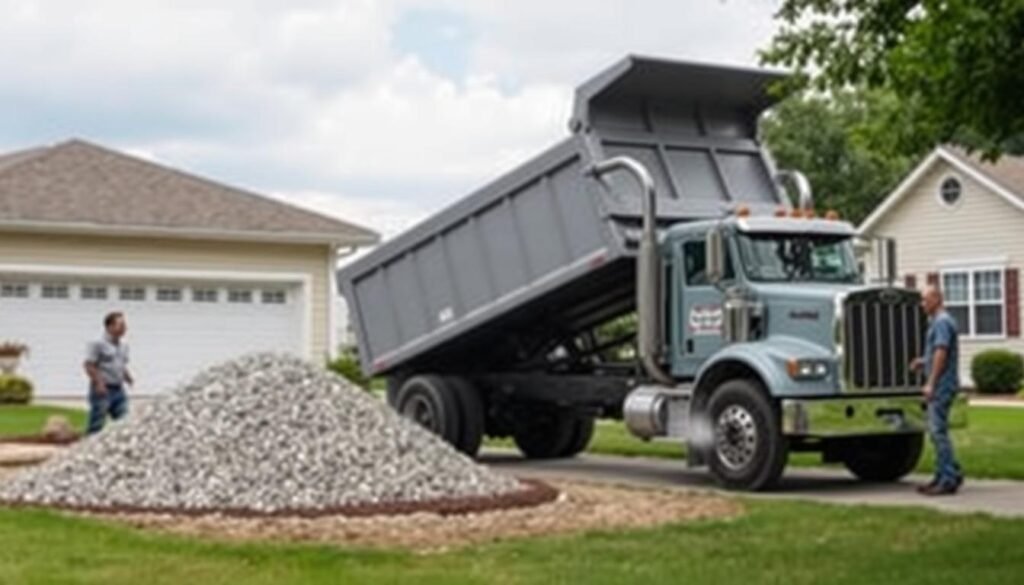
Once you’ve calculated your gravel needs, follow these tips to ensure a smooth purchasing experience:
Understanding Pricing: Ton vs. Cubic Yard
Gravel is typically sold by weight (tons) or volume (cubic yards). Prices vary based on:
- Gravel type and quality
- Your location and distance from the quarry
- Quantity ordered (bulk discounts may apply)
- Seasonal demand and availability
Always confirm whether the quoted price includes delivery, as transportation can significantly impact the total cost.
Finding Reliable Suppliers
For the best value and quality:
- Compare prices from multiple local suppliers
- Check reviews and ask for references
- Request samples before large purchases
- Verify delivery capabilities for your location
- Ask about minimum order quantities
Delivery Considerations
Plan for delivery logistics:
- Ensure adequate access for delivery trucks (typically 10-12 feet wide)
- Prepare a flat, stable area for gravel dumping
- Consider how you’ll move the gravel from the dump site to your project area
- Schedule delivery when you’re ready to install (gravel piles can kill grass)
Ready to Start Your Project?
Calculate exactly how much gravel you need and avoid costly mistakes.
Related Calculators for Your Project

Concrete Calculator
Planning a concrete project? Calculate the exact amount of concrete needed for foundations, slabs, and more.
Sand Calculator
Determine the exact amount of sand needed for paver bases, playgrounds, or other landscaping projects.

Soil Calculator
Calculate the precise amount of topsoil needed for raised beds, lawn preparation, or garden projects.
Conclusion: Get Your Gravel Calculations Right
Accurate gravel calculation is essential for successful landscaping and construction projects. By understanding the calculation process and considering factors like compaction, waste, and specific application requirements, you can ensure you order the right amount of material for your needs.
Our gravel calculator simplifies this process, providing instant, accurate estimates based on your project dimensions. Save time, money, and frustration by planning properly before you purchase.
Start Your Project with Confidence
Use our free gravel calculator to get precise estimates for your next project.