Horsepower is a critical measurement that helps determine the performance capabilities of vehicles, engines, and various mechanical systems. Whether you’re comparing cars, optimizing an engine, or simply curious about the power output of your vehicle, understanding how to calculate horsepower is essential. This comprehensive guide explains everything you need to know about horsepower calculations, formulas, and practical applications. When you’re ready to perform quick and accurate calculations, our Horsepower Calculator tool is available to simplify the process.
What is Horsepower? Understanding the Fundamental Power Unit
Horsepower (HP) is a unit of measurement that quantifies the rate at which work is performed or power is generated. The concept was developed by engineer James Watt in the late 18th century as a way to compare the output of steam engines to the power of horses – hence the name “horsepower.”
By definition, one mechanical horsepower equals 33,000 foot-pounds of work per minute, or 550 foot-pounds per second. This originated from Watt’s experiments where he determined that a horse could lift 330 pounds of coal 100 feet in one minute – then he added 50% to that figure to arrive at the horsepower unit we know today.
In modern terms, one horsepower equals approximately 746 watts in the International System of Units (SI). This relationship between horsepower and watts is why we see James Watt’s name on every light bulb, honoring his contributions to understanding power and energy.

Did you know? While horsepower is commonly associated with cars and engines, it’s used to measure the power output of everything from lawn mowers and chainsaws to industrial machinery and even some household appliances.
Today, horsepower remains the standard unit for measuring engine power in the United States and many other countries, though some regions prefer to use kilowatts (kW) instead. Need to convert between different power units? Our Horsepower Calculator handles these conversions automatically.
Different Types of Horsepower Measurements
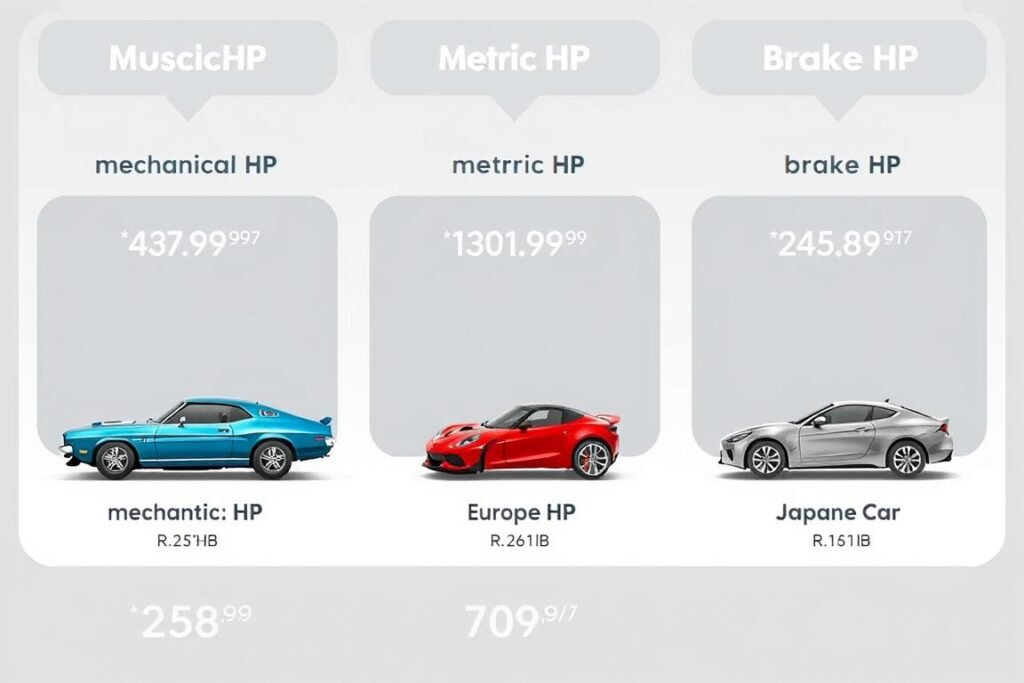
Not all horsepower measurements are created equal. Depending on the context and region, several different types of horsepower are used:
| Type | Definition | Common Usage | Equivalent in Watts |
| Mechanical Horsepower (hp) | 550 foot-pounds per second | US automotive industry | 745.7 watts |
| Metric Horsepower (PS or CV) | 75 kilogram-force meters per second | European and Japanese vehicles | 735.5 watts |
| Brake Horsepower (BHP) | Power measured at the crankshaft | UK and India | 745.7 watts |
| Electrical Horsepower | 746 watts exactly | Electric motors | 746 watts |
| Boiler Horsepower | 33,475 BTU per hour | Steam generators | 9,809.5 watts |
Understanding these distinctions is crucial when comparing specifications across different vehicles or equipment, especially those manufactured in different regions. When you use our Horsepower Calculator, you can specify which type of horsepower you’re working with for accurate results.
The Horsepower Formula: Different Methods of Calculation
There are several ways to calculate horsepower depending on what information you have available and what type of system you’re measuring. Here are the most common formulas:
Torque-Based Horsepower Formula
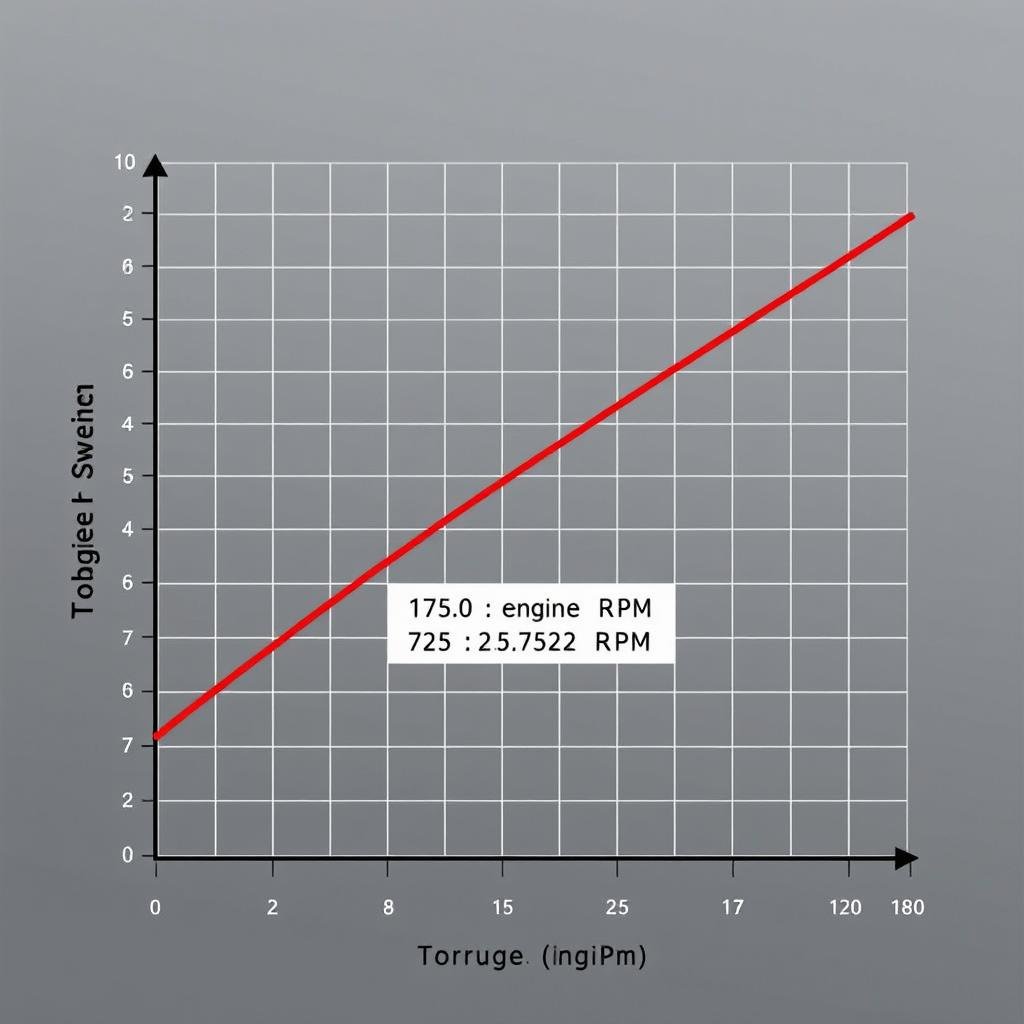
The most common formula for calculating horsepower in internal combustion engines uses torque and RPM (revolutions per minute):
Horsepower (hp) = Torque (lb-ft) × RPM ÷ 5,252
This formula is derived from the relationship between power, torque, and angular velocity. The constant 5,252 comes from the conversion between units and represents the RPM at which torque (in lb-ft) and horsepower are equal.
Electrical Horsepower Formula
For electric motors, horsepower can be calculated using voltage, current, and efficiency:
Electrical Horsepower (hp) = Voltage × Current × Efficiency ÷ 746
Where voltage is measured in volts, current in amperes, and efficiency is a decimal between 0 and 1. The constant 746 represents the number of watts in one horsepower.
Dynamometer Method
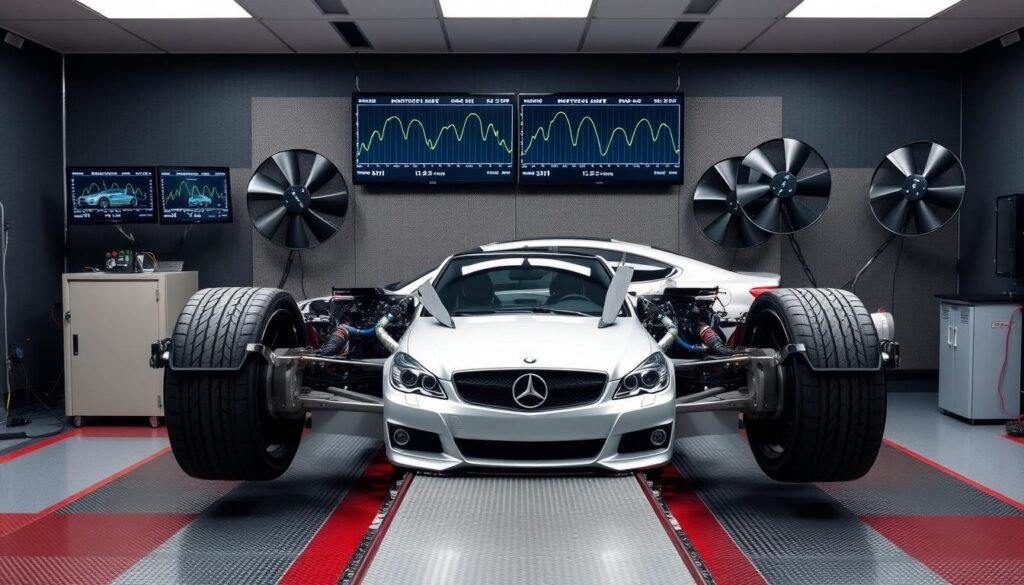
Professional mechanics use a device called a dynamometer to directly measure horsepower. This equipment applies a load to the engine and measures the resulting force, providing the most accurate horsepower readings.
Elapsed Time Method for Vehicle Horsepower
For estimating a vehicle’s horsepower based on performance, you can use the elapsed time (ET) method:
Horsepower = Vehicle Weight ÷ (ET ÷ 5.825)³
Where ET is the time in seconds to complete a quarter-mile (402.3 meters), and vehicle weight includes the driver and any passengers.
Ready to Calculate Your Engine’s Horsepower?
Skip the complex math and get instant, accurate results with our dedicated calculator tool.
How to Calculate Horsepower: Step-by-Step Examples
Let’s walk through some practical examples of calculating horsepower using the formulas we’ve discussed.
Example 1: Calculating Horsepower from Torque and RPM
Suppose an engine produces 300 lb-ft of torque at 4,000 RPM. What is its horsepower at this operating point?
Step 1: Identify the values we know:
- Torque = 300 lb-ft
- RPM = 4,000
Step 2: Apply the formula: HP = Torque × RPM ÷ 5,252
Step 3: Calculate: HP = 300 × 4,000 ÷ 5,252 = 228.5 hp
Therefore, the engine is producing approximately 228.5 horsepower at 4,000 RPM.
Example 2: Estimating Horsepower Using the Elapsed Time Method
A vehicle weighing 3,500 pounds (including driver) completes a quarter-mile in 13.5 seconds. Estimate its horsepower.
Step 1: Identify the values we know:
- Vehicle Weight = 3,500 lbs
- Elapsed Time (ET) = 13.5 seconds
Step 2: Apply the formula: HP = Weight ÷ (ET ÷ 5.825)³
Step 3: Calculate: HP = 3,500 ÷ (13.5 ÷ 5.825)³ = 3,500 ÷ (2.318)³ = 3,500 ÷ 12.46 = 280.9 hp
This calculation estimates that the vehicle has approximately 281 horsepower.

Important Safety Note: When measuring elapsed time or trap-speed at maximum engine output, always use proper facilities like drag strips or private tracks. Never attempt performance testing on public roads, as this can be dangerous and illegal.
Power-to-Weight Ratio: A Better Performance Indicator
While horsepower is important, the power-to-weight ratio often provides a more meaningful measure of a vehicle’s performance potential. This ratio tells you how much power is available to move each unit of weight.
The formula for power-to-weight ratio is:
Power-to-Weight Ratio = Power ÷ Weight
Common units include:
- Horsepower per pound (hp/lb)
- Horsepower per ton (hp/ton)
- Watts per kilogram (W/kg)
A higher power-to-weight ratio generally indicates better acceleration performance. This is why lightweight sports cars can often outperform more powerful but heavier vehicles.
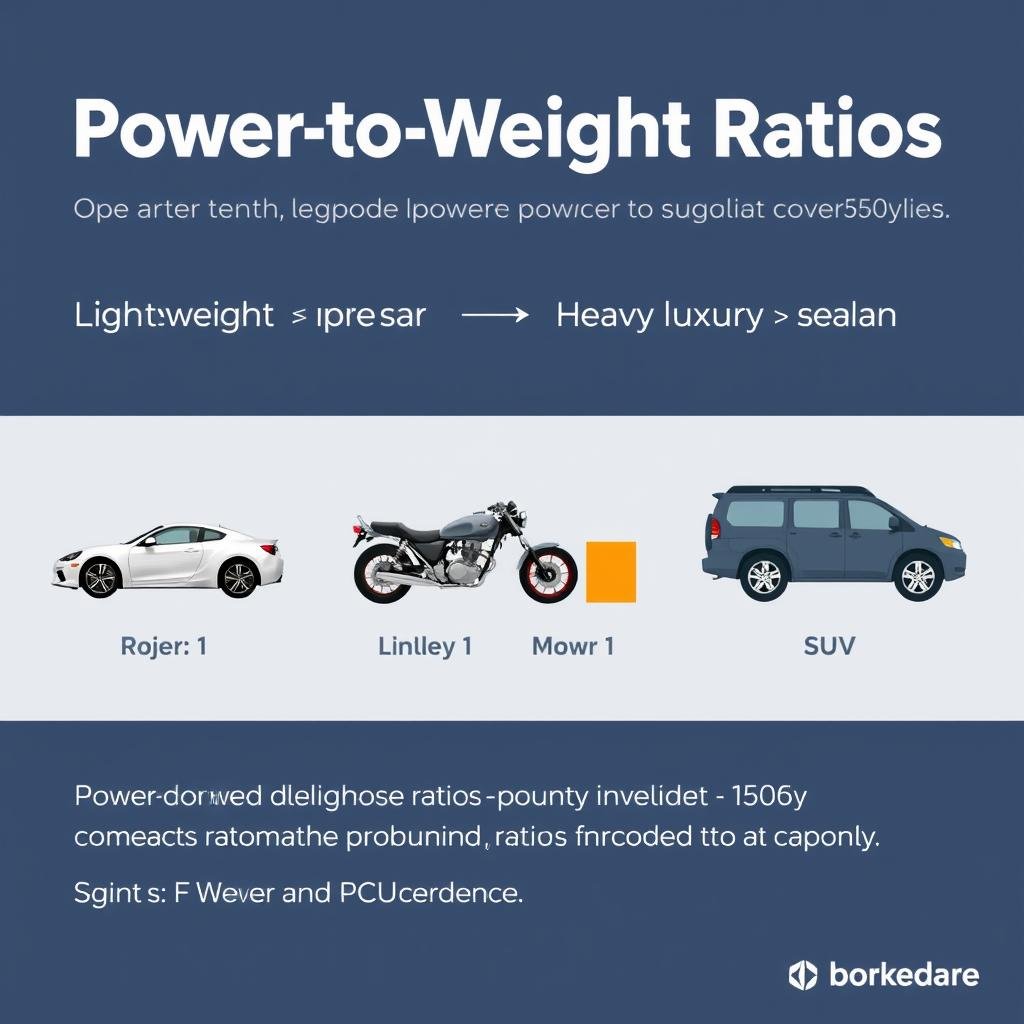
For example, a motorcycle with 150 hp weighing 450 pounds has a power-to-weight ratio of 0.33 hp/lb, while a 400 hp SUV weighing 5,000 pounds has a ratio of only 0.08 hp/lb. This helps explain why the motorcycle will accelerate much faster despite having less total horsepower.
Our Horsepower Calculator can also help you determine power-to-weight ratios for various vehicles and compare their performance potential.
Horsepower vs. Torque: Understanding the Difference
While horsepower measures the rate at which work is done, torque represents the rotational force that causes the work to happen. Think of torque as the “strength” and horsepower as the “speed” at which that strength can be applied.
Torque is what you feel when you accelerate from a standstill – it’s the force that pushes you back in your seat. Horsepower becomes more noticeable at higher speeds, determining how quickly a vehicle can continue accelerating.
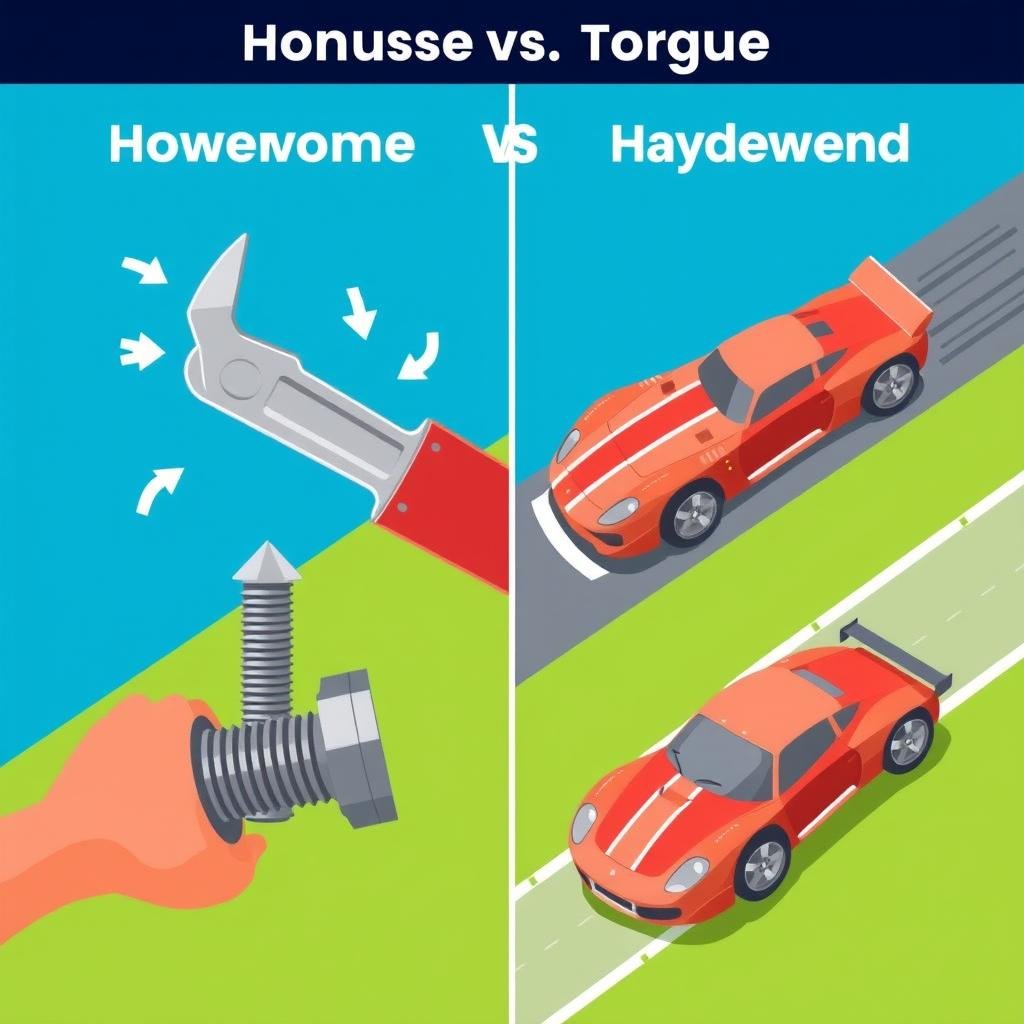
A helpful analogy is to compare a race car to a tractor:
- Excellent top-end speed
- Great for sustained high-speed driving
- Often has moderate torque
- Engine typically needs to rev high to produce power
- Performs best on race tracks and highways
High Horsepower Vehicle (Race Car)
- Excellent pulling power
- Strong acceleration from standstill
- Often has moderate horsepower
- Produces power at lower RPMs
- Performs best for towing and heavy loads
High Torque Vehicle (Tractor)
This is why sports cars are designed to maximize horsepower for high-speed performance, while trucks and work vehicles prioritize torque for towing and hauling heavy loads. For everyday driving, a balance of both is ideal.

Frequently Asked Questions About Horsepower Calculations
What is the difference between horsepower and torque?
Horsepower measures the rate at which work is done (power), while torque measures the rotational force that produces that work. In simple terms, torque is the twisting force that an engine produces, while horsepower is how quickly that force can be delivered. Torque determines how much load you can move, while horsepower determines how fast you can move it.
How do you calculate horsepower from CC (cubic centimeters)?
There’s no direct formula to convert CC to horsepower because engine efficiency varies greatly. However, as a very rough estimate for modern gasoline engines, you can use: HP ≈ CC ÷ 15. For example, a 1500cc engine might produce approximately 100 horsepower. This is only a rough approximation, as actual horsepower depends on many factors including compression ratio, fuel delivery system, and overall engine design.
How is horsepower measured professionally?
Professionally, horsepower is measured using a dynamometer (or “dyno”). There are two main types: engine dynamometers that connect directly to the engine, and chassis dynamometers that measure power at the wheels. The dynamometer applies a controlled load to the engine or wheels while measuring the torque produced at various RPM levels. This data is then used to calculate horsepower across the engine’s operating range.
What is a good horsepower for a car?
What constitutes “good” horsepower depends entirely on the vehicle’s purpose and weight. For average compact to midsize cars, 150-300 horsepower is typical. Family sedans and small SUVs usually have 200-300 horsepower. Performance cars typically have 300-500 horsepower, while supercars can exceed 700 horsepower. However, the power-to-weight ratio is often more important than the raw horsepower figure. A lightweight car with 200 horsepower may feel more powerful than a heavy SUV with 300 horsepower.
What’s the difference between gross and net horsepower?
Gross horsepower is measured with the engine on a test stand under ideal conditions, without power-consuming accessories like alternators, water pumps, or emission controls. Net horsepower is measured with all accessories attached and represents the actual power available to move the vehicle. Modern manufacturers typically advertise net horsepower figures, which are more realistic. Before the 1970s, car manufacturers often advertised gross horsepower, which could be 15-30% higher than net figures.

Need Accurate Horsepower Calculations?
Our online calculator handles all the complex formulas for you, providing instant and accurate results.
Understanding Horsepower: The Key to Vehicle Performance
Horsepower remains one of the most important metrics for understanding and comparing vehicle performance. Whether you’re shopping for a new car, modifying an engine, or simply curious about how your vehicle stacks up, knowing how to calculate and interpret horsepower figures is invaluable.
Remember that while raw horsepower numbers are important, they should be considered alongside other factors like torque, power-to-weight ratio, and the vehicle’s intended purpose. A well-balanced vehicle with appropriate power for its weight and use case will always provide a more satisfying driving experience than one that simply maximizes a single performance metric.
For quick, accurate horsepower calculations without the complex math, our Horsepower Calculator is available to help you determine engine power, convert between different units, and compare various vehicles or equipment. Whether you’re a car enthusiast, a student learning about physics, or a professional in the automotive industry, our calculator provides the tools you need to understand and work with this fundamental measure of power.