Use our Ideal Weight Calculator to estimate your optimal body weight based on height, age, and gender. Plan fitness goals and maintain a healthy lifestyle.
Understanding your ideal weight is more than just a number on a scale—it’s about finding a healthy weight range that supports your overall wellbeing. Our ideal weight calculator helps you determine a weight range based on scientific formulas, taking into account your height, age, and gender. Whether you’re on a fitness journey or simply curious about what’s considered healthy for your body type, this guide will help you understand the science behind weight calculations and how to interpret the results.
Calculate Your Ideal Weight
Use our calculator below to find your ideal weight range based on different scientific formulas. Simply enter your information and click “Calculate” to see your results.
Your Ideal Weight Results
| Formula | Ideal Weight |
Remember that these are general guidelines. Factors like muscle mass, body composition, and overall health should be considered for a complete picture.
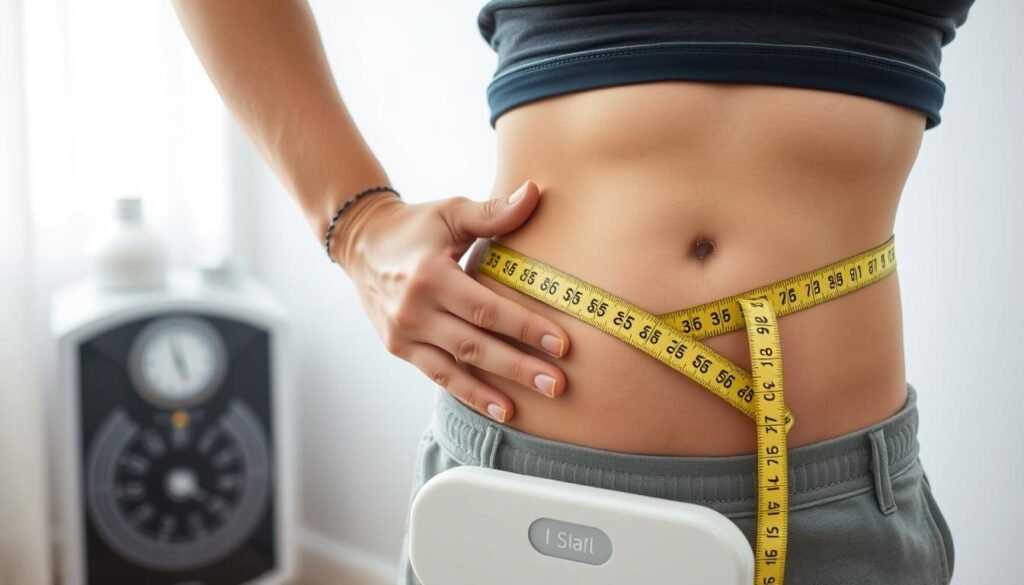
Understanding your ideal weight involves more than just the number on the scale.
Why Ideal Weight Matters
Maintaining a weight within the healthy range for your body type can have significant benefits for your overall health and wellbeing. While appearance might be a motivating factor for many, the health implications of weight management extend far beyond aesthetics.
Health Benefits
- Reduced risk of heart disease and stroke
- Lower blood pressure levels
- Better blood sugar control
- Improved cholesterol levels
- Reduced joint pain and mobility issues
- Better sleep quality
- Improved energy levels and mood

Important Note: Ideal weight calculations provide general guidelines but don’t account for individual factors like muscle mass, bone density, or specific health conditions. They should be used as reference points rather than strict targets.
Understanding Different Calculation Methods
Several formulas have been developed to estimate ideal body weight. Each uses different approaches and may be more suitable for different individuals. Here are the most common methods:
BMI (Body Mass Index)
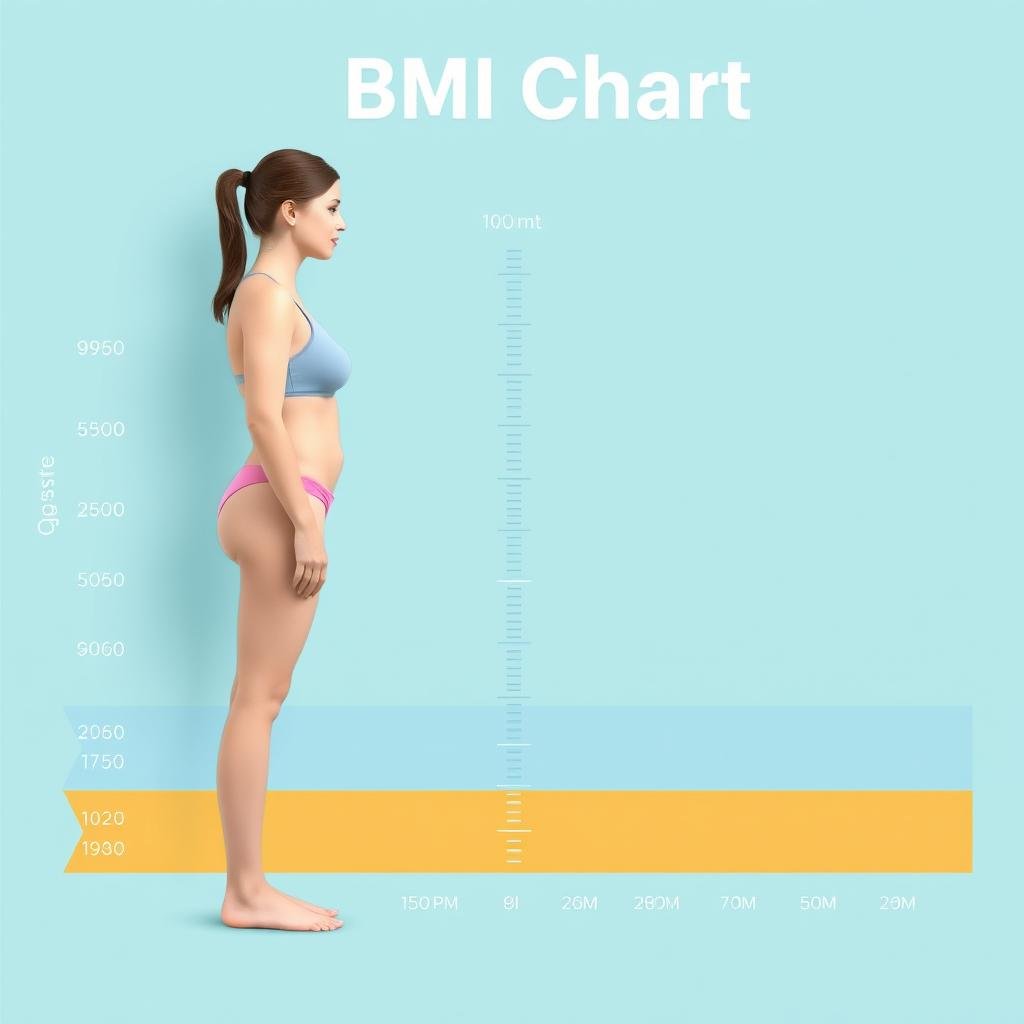
BMI calculates weight in relation to height using the formula: weight (kg) ÷ height² (m). While simple to use, it doesn’t account for muscle mass or fat distribution.
Body Fat Percentage
This method measures the proportion of fat in your body compared to lean mass. It provides a more accurate picture of body composition than weight alone.

Waist-to-Hip Ratio
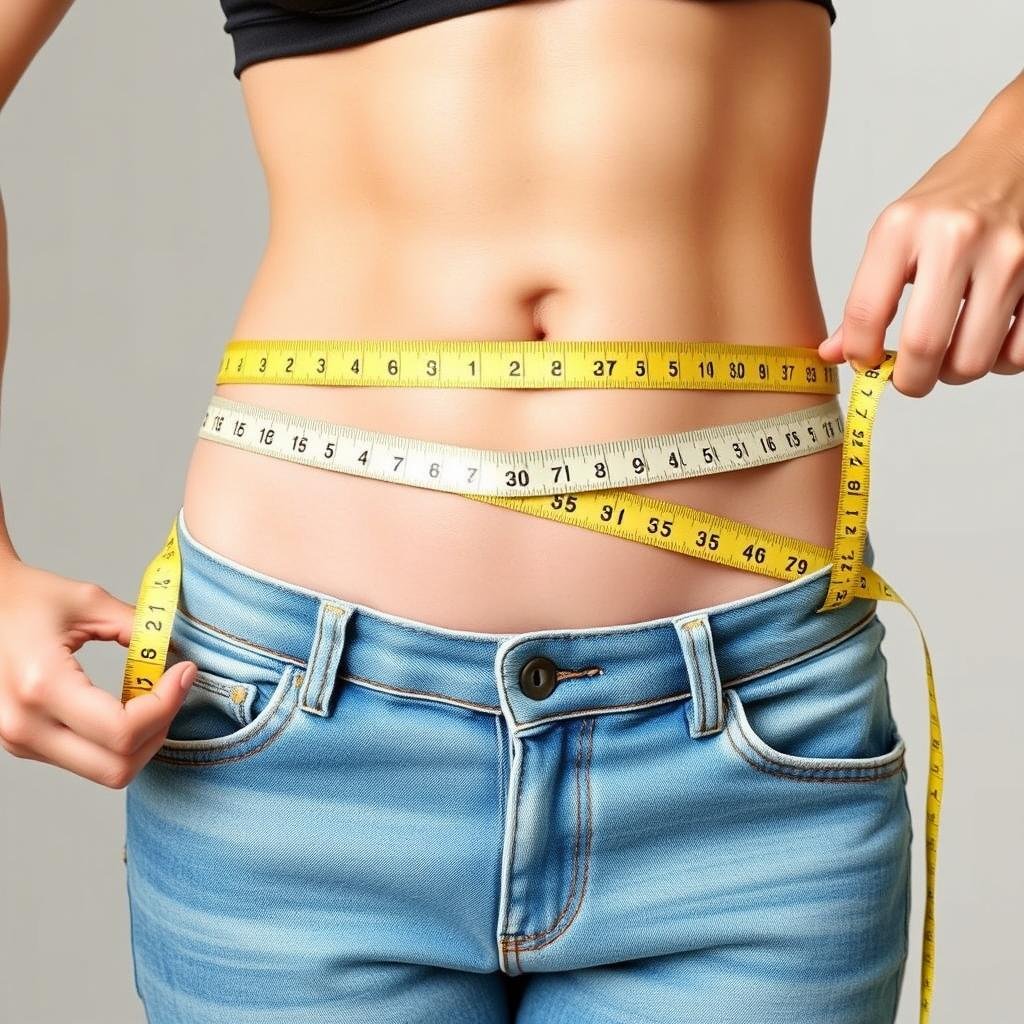
This calculation compares waist circumference to hip circumference, helping assess fat distribution. Higher ratios indicate more abdominal fat, which carries greater health risks.
Scientific Formulas for Ideal Weight
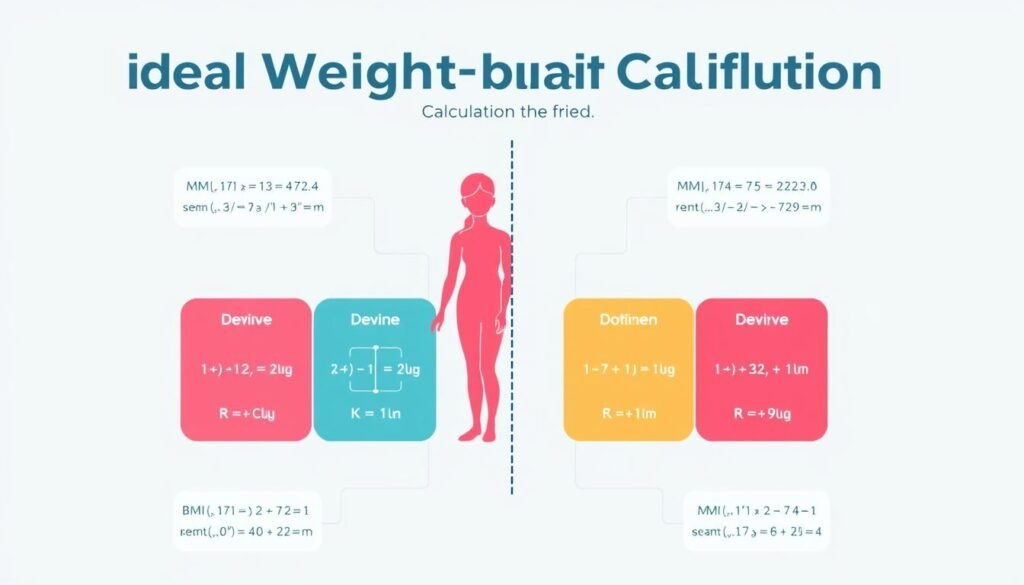
| Formula | For Men | For Women | Notes |
| Devine (1974) | 50 kg + 2.3 kg per inch over 5 feet | 45.5 kg + 2.3 kg per inch over 5 feet | Widely used in medical settings |
| Robinson (1983) | 52 kg + 1.9 kg per inch over 5 feet | 49 kg + 1.7 kg per inch over 5 feet | Modification of Devine formula |
| Miller (1983) | 56.2 kg + 1.41 kg per inch over 5 feet | 53.1 kg + 1.36 kg per inch over 5 feet | Another modification of Devine formula |
| Hamwi (1964) | 48 kg + 2.7 kg per inch over 5 feet | 45.5 kg + 2.2 kg per inch over 5 feet | Originally created for medication dosing |
Factors Affecting Ideal Weight
Your ideal weight isn’t determined by height alone. Several factors influence what’s considered a healthy weight for your individual body:
Age
As we age, our body composition naturally changes. Muscle mass tends to decrease while body fat increases, even if weight remains stable. This means that ideal weight ranges may shift slightly with age.
Gender
Men and women have different body compositions. Women typically have a higher percentage of body fat than men at the same BMI, which is why gender-specific formulas are often used for ideal weight calculations.
Body Frame Size
The size of your skeletal frame affects your ideal weight. People with larger frames may weigh more than those with smaller frames, even at the same height, without carrying excess fat.
Muscle Mass
Muscle weighs more than fat. Athletes and those with high muscle mass may have a higher weight while maintaining low body fat percentages, making standard weight calculations less applicable.
Fat Distribution
Where your body stores fat matters. Abdominal fat (apple shape) carries more health risks than fat stored in the hips and thighs (pear shape), even at the same weight.
Ethnicity
Different ethnic groups may have different body compositions and fat distribution patterns, which can affect ideal weight ranges. Some research suggests adjusting BMI thresholds for certain populations.
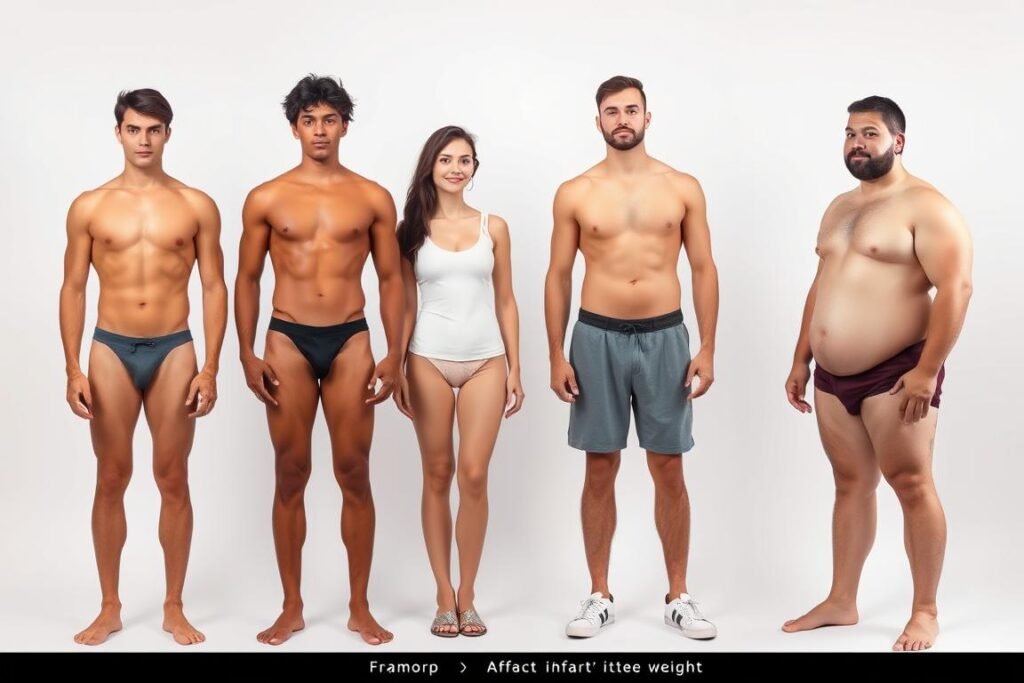
Body frame size is an important factor in determining your ideal weight range.
Health Risks of Weight Imbalance
Both being significantly underweight or overweight can pose health risks. Understanding these risks can help motivate healthy weight management.
Risks of Being Underweight
- Nutritional deficiencies
- Weakened immune system
- Bone density loss and increased fracture risk
- Fertility issues
- Anemia
- Hormonal imbalances
- Delayed wound healing
Risks of Being Overweight
- Increased risk of heart disease
- Type 2 diabetes
- High blood pressure
- Certain types of cancer
- Sleep apnea
- Joint problems and arthritis
- Metabolic syndrome

Important: Rapid weight loss or gain can be harmful. Always consult with a healthcare professional before starting any significant weight management program, especially if you have existing health conditions.
Tips for Achieving and Maintaining Ideal Weight
Reaching and maintaining a healthy weight is about sustainable lifestyle changes rather than quick fixes. Here are practical strategies to help you achieve your ideal weight:
Nutrition Strategies
- Focus on whole, unprocessed foods
- Include plenty of fruits and vegetables
- Choose lean protein sources
- Opt for whole grains over refined carbs
- Stay hydrated with water
- Practice portion control
- Limit added sugars and highly processed foods
Physical Activity
- Aim for 150+ minutes of moderate exercise weekly
- Include both cardio and strength training
- Find activities you enjoy
- Build more movement into daily routines
- Start gradually if you’re new to exercise
- Consider working with a fitness professional
- Allow for adequate recovery between workouts
Lifestyle Habits
- Prioritize quality sleep (7-9 hours)
- Manage stress through mindfulness or relaxation
- Track progress but don’t obsess over the scale
- Build a support system
- Set realistic, sustainable goals
- Practice mindful eating
- Be patient and consistent

A balanced diet rich in whole foods is essential for maintaining a healthy weight.

Regular physical activity helps maintain muscle mass and supports weight management.
Need Personalized Guidance?
While calculators provide helpful guidelines, everyone’s body is unique. Consider consulting with a healthcare provider or registered dietitian for personalized weight management advice tailored to your specific needs and health history.
Frequently Asked Questions
Is BMI the most accurate way to determine ideal weight?
While BMI is widely used, it has limitations. It doesn’t account for muscle mass, bone density, or fat distribution. Athletes with high muscle mass may have a high BMI despite low body fat. For a more complete picture, consider using multiple methods like body fat percentage or waist-to-hip ratio alongside BMI.
How often should I weigh myself?
For most people, weighing once a week is sufficient. Daily weighing can lead to frustration due to normal weight fluctuations from water retention, food intake, and other factors. Focus on long-term trends rather than day-to-day changes. Some people find that measuring body measurements (like waist circumference) provides more meaningful progress tracking.
Why do different calculators give different ideal weight results?
Different calculators use different formulas (Devine, Robinson, Miller, etc.) that were developed through various research methods. Some prioritize different factors or were designed for specific populations. This is why we show multiple results—to give you a range rather than a single target number.
Should children use adult ideal weight calculators?
No. Children and teenagers should not use adult weight calculators. Their bodies are still developing, and their healthy weight ranges are based on age-specific growth charts. If you’re concerned about a child’s weight, consult with a pediatrician who can use appropriate growth charts and assessments.
How quickly should I try to reach my ideal weight?
Healthy, sustainable weight change typically occurs at a rate of 0.5-1 kg (1-2 pounds) per week. Faster weight loss is often difficult to maintain and may lead to muscle loss. Focus on gradual, consistent progress through sustainable lifestyle changes rather than rapid results.

Embracing a Healthy Weight Journey
Understanding your ideal weight range is just the beginning of a healthy relationship with your body. Remember that these calculations provide guidelines, not rigid rules. Every body is unique, and factors like muscle mass, bone density, and individual health conditions all play important roles in determining what’s truly healthy for you.
Focus on sustainable lifestyle habits that promote overall wellbeing rather than fixating on a specific number on the scale. Regular physical activity, nutritious eating patterns, adequate sleep, and stress management contribute far more to your health than achieving a precise weight.
If you have concerns about your weight or health, consider consulting with healthcare professionals who can provide personalized guidance based on your specific needs and medical history. They can help you develop a balanced approach to weight management that supports your long-term health goals.
“The best weight is whatever weight you reach when you’re living the healthiest life you actually enjoy.”
Start Your Healthy Weight Journey Today
Use our calculator as a starting point, but remember that health comes in many shapes and sizes. Focus on sustainable habits that make you feel energized and well.