Use our Lean Body Mass Calculator to estimate your muscle mass and body composition. Track fitness progress, set goals, and optimize health and training plans.
Wondering why that muscular person at the gym weighs more than someone with a higher body fat percentage? The answer lies in lean body mass. Our lean body mass calculator helps you understand what your body is made of beyond just weight, providing valuable insights for your fitness journey, weight management, and overall health assessment.
What Is Lean Body Mass?
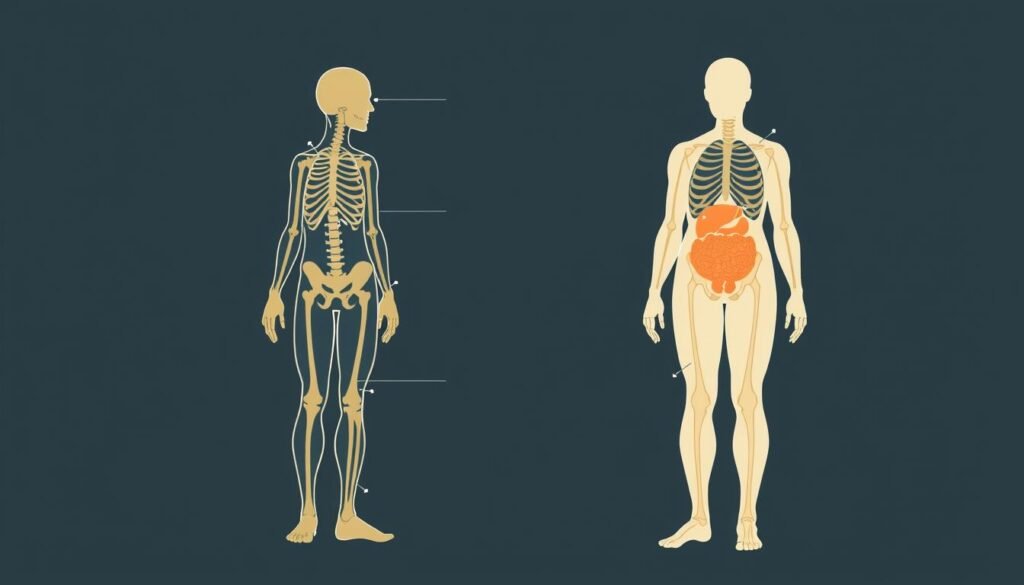
Lean body mass (LBM) refers to the weight of everything in your body except fat. This includes your muscles, bones, organs, blood, skin, and other tissues. Understanding your LBM is crucial for accurately tracking fitness progress, as it provides a more complete picture than just your total body weight.
Lean Body Mass vs. Total Body Weight
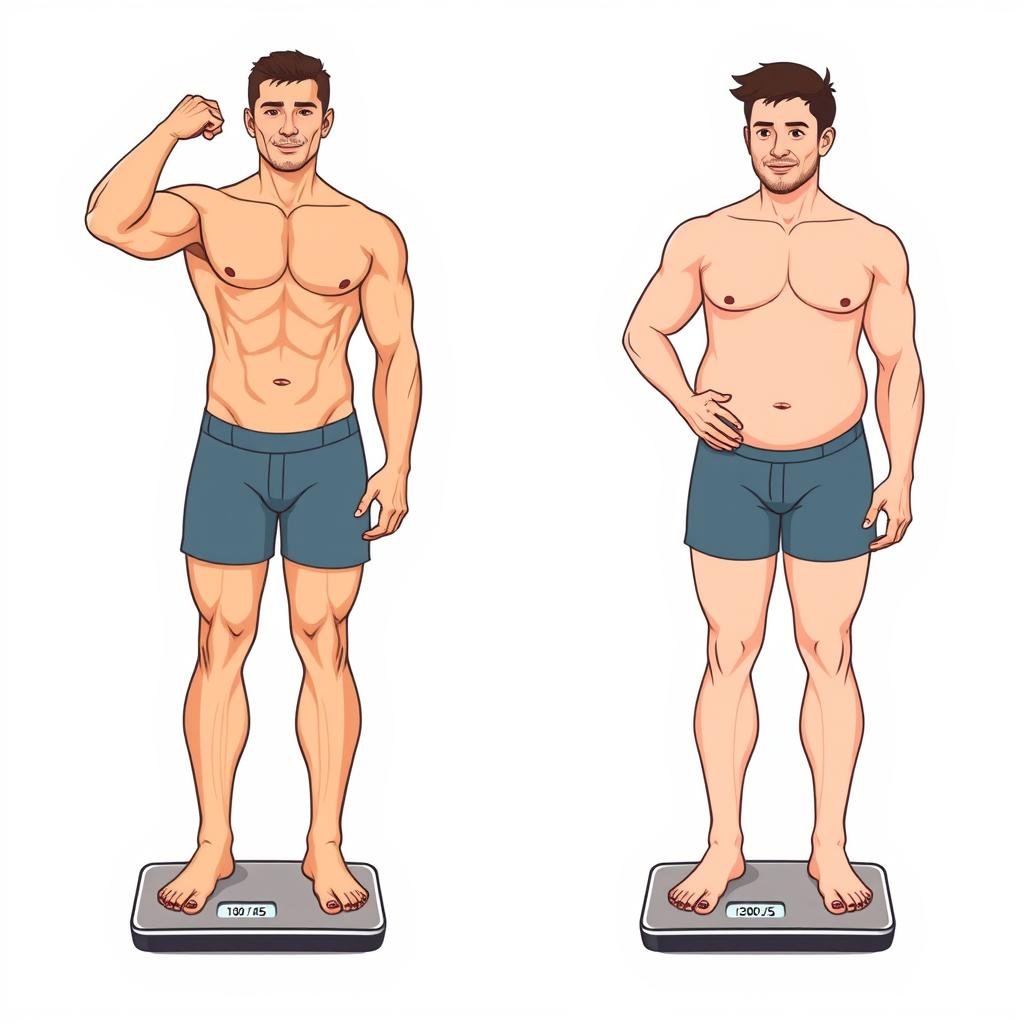
Your total body weight is the sum of your lean body mass and body fat. While your scale gives you your total weight, it doesn’t tell you how much of that weight is fat versus lean tissue. This distinction is important because two people with the same weight can have dramatically different body compositions and health profiles.
Lean Body Mass vs. Fat Mass
Fat mass is the total weight of fat in your body, including essential fat (needed for normal physiological functions) and storage fat. While some body fat is necessary for health, excess fat is associated with various health risks. Lean body mass, on the other hand, is metabolically active and burns more calories even at rest.

The average lean body mass typically ranges between 60-90% of total body weight. Men generally have a higher percentage of lean body mass than women due to hormonal differences that promote greater muscle development.
Lean Body Mass Calculator
Use our calculator below to estimate your lean body mass. Simply enter your gender, age, height, and weight to get results based on multiple scientific formulas.
Your Results
| Formula | Lean Body Mass | Body Fat | LBM Percentage |
| Boer | – | – | – |
| James | – | – | – |
| Hume | – | – | – |
How to Use the Calculator
For the most accurate results, measure your height and weight in the morning before eating or drinking, wearing minimal clothing.
Lean Body Mass Formulas Explained
Several scientific formulas have been developed to estimate lean body mass. Our calculator uses the three most widely accepted equations: Boer, James, and Hume. Each formula has its strengths and may be more accurate for different body types.

The Boer Formula
For males: LBM = 0.407 × Weight(kg) + 0.267 × Height(cm) – 19.2
For females: LBM = 0.252 × Weight(kg) + 0.473 × Height(cm) – 48.3
The Boer formula is often considered the most accurate for general population use and provides a middle-ground estimate between the James and Hume formulas.
The James Formula
For males: LBM = 1.1 × Weight(kg) – 128 × [Weight(kg)/Height(cm)]²
For females: LBM = 1.07 × Weight(kg) – 148 × [Weight(kg)/Height(cm)]²
The James formula tends to work well for individuals with average body compositions but may be less accurate for those with very high or very low body fat percentages.
The Hume Formula
For males: LBM = 0.32810 × Weight(kg) + 0.33929 × Height(cm) – 29.5336
For females: LBM = 0.29569 × Weight(kg) + 0.41813 × Height(cm) – 43.2933
The Hume formula is particularly useful in clinical settings and provides a good estimate for a wide range of body types.
Formula for Children (Peters Formula)
eECV = 0.0215 × Weight(kg) × Height(cm)
LBM = 3.8 × eECV
The Peters formula is specifically designed for children aged 14 and under, accounting for their different body compositions during growth and development.
Understanding Your Results
Once you’ve calculated your lean body mass, it’s important to understand what the numbers mean and how to use this information to improve your health and fitness.
Interpreting LBM Percentages
| Classification | Men (LBM %) | Women (LBM %) |
| Essential Fat | 95-97% | 90-92% |
| Athletes | 85-95% | 80-90% |
| Fitness | 80-85% | 75-80% |
| Average | 75-80% | 70-75% |
| Obese |

Remember that these ranges are general guidelines. Individual factors like age, genetics, and activity level can influence what’s optimal for you. Men typically have higher LBM percentages than women due to hormonal differences that promote greater muscle development.
Your lean body mass percentage is more important than your total weight when assessing overall health and fitness levels.
Practical Applications of Lean Body Mass
Understanding your lean body mass has numerous practical applications for fitness, nutrition, and health management.
Fitness Planning

Tracking LBM helps you determine if your exercise program is effectively building muscle while reducing fat. If your weight stays the same but your LBM increases, you’re making progress even if the scale doesn’t show it.
Nutrition Planning

Protein requirements are often calculated based on lean body mass rather than total weight. Knowing your LBM helps you determine optimal protein intake for muscle maintenance and growth.
Medical Applications

In medical settings, LBM is used to calculate appropriate dosages for certain medications, particularly water-soluble drugs, as fat tissue doesn’t absorb these medications the same way lean tissue does.
Tracking Progress Over Time
One of the most valuable uses of LBM is tracking changes in body composition over time. Regular measurements can help you:
How to Increase Your Lean Body Mass
If you’re looking to improve your body composition by increasing lean body mass, focus on these key strategies:
Nutrition Strategies

Exercise Strategies

Ready to Track Your Progress?
Use our lean body mass calculator regularly to monitor changes in your body composition as you implement these strategies.
Common Misconceptions About Lean Body Mass
Misconception: Lean Body Mass is the same as Muscle Mass
While muscle is a component of lean body mass, LBM also includes bones, organs, blood, and other non-fat tissues. Muscle typically accounts for about 30-40% of your total lean body mass.
Misconception: Higher Weight Always Means Higher Body Fat
Weight alone doesn’t indicate body composition. A person with significant muscle development may weigh more than someone with higher body fat but have a healthier body composition overall.
Misconception: You Can Spot Reduce Fat
You cannot choose where your body loses fat. Fat reduction occurs throughout the body based on genetics and hormones. Focus on overall fat loss while preserving lean mass through proper nutrition and resistance training.
Misconception: Lean Body Mass and Fat-Free Mass Are Identical
While often used interchangeably, there’s a subtle difference. Lean body mass includes essential fat found in organs and bone marrow (2-3% for men, 5-12% for women), while fat-free mass excludes all fat.
Understanding Your Body Beyond the Scale
Tracking your lean body mass provides insights that a regular scale simply cannot. By understanding the composition of your body weight, you can make more informed decisions about your fitness routine, nutrition plan, and overall health strategy.
Remember that lean body mass calculations are estimates based on formulas, and the most accurate methods involve specialized equipment like DEXA scans or hydrostatic weighing. However, our calculator provides a reliable starting point for tracking your progress over time.
Whether you’re looking to build muscle, lose fat, or simply maintain a healthy body composition, knowing your lean body mass is an essential tool in your fitness journey. Use our calculator regularly to track changes and adjust your approach as needed.
Start Tracking Your Body Composition Today
Use our lean body mass calculator as part of your regular fitness assessment to make informed decisions about your health and fitness goals.