Use our Macro Calculator to estimate daily protein, fat, and carbohydrate needs. Plan meals, balance nutrition, and achieve fitness and health goals effectively.
Understanding your body’s nutritional needs is the cornerstone of achieving your fitness goals. Whether you’re looking to lose weight, build muscle, or simply improve your overall health, a macro calculator provides the personalized roadmap you need. This comprehensive guide will walk you through everything you need to know about macro calculators and how they can transform your approach to nutrition.

A macro calculator helps you create a personalized nutrition plan based on your unique needs and goals
What Are Macronutrients?
Before diving into macro calculators, it’s essential to understand what macronutrients actually are. Macronutrients (or “macros”) are the nutrients your body needs in large amounts to function properly. They provide energy, support growth and development, and regulate countless bodily processes.

Protein
Protein is the building block of muscle tissue and plays a crucial role in recovery, immune function, and enzyme production. Each gram of protein provides 4 calories of energy.
Good sources include: lean meats, fish, eggs, dairy, legumes, and plant-based options like tofu.

Carbohydrates
Carbohydrates are your body’s primary and preferred energy source, especially during high-intensity activities. Each gram of carbohydrates provides 4 calories.
Good sources include: whole grains, fruits, vegetables, legumes, and starchy foods like potatoes.
Fats
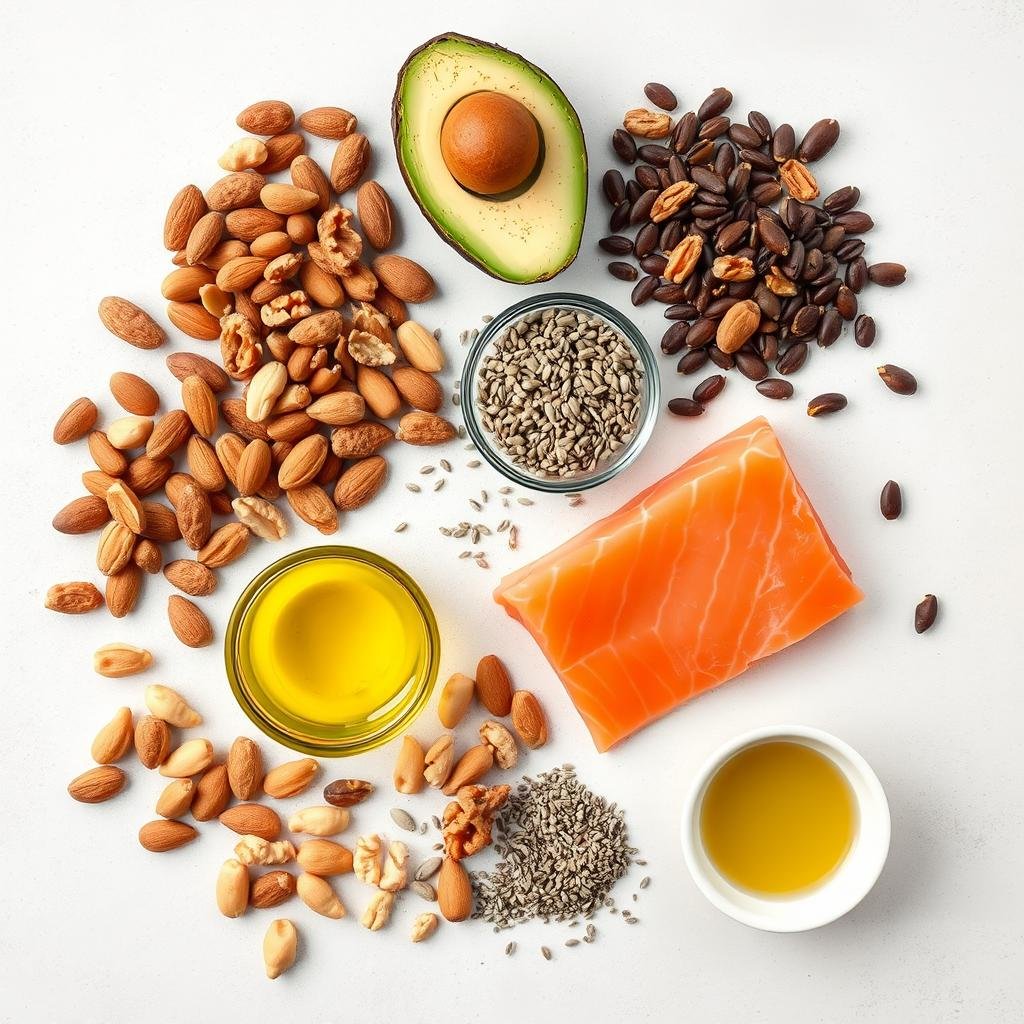
Dietary fats are essential for hormone production, brain health, and nutrient absorption. Each gram of fat provides 9 calories, making it the most calorie-dense macronutrient.
Good sources include: avocados, nuts, seeds, olive oil, fatty fish, and whole eggs.
Did you know? Alcohol is technically considered the fourth macronutrient, providing 7 calories per gram. However, unlike the other three macros, alcohol doesn’t provide essential nutrients and isn’t required by the body.
Why Track Macros Instead of Just Calories?
While calorie counting has been the traditional approach to weight management, tracking macros offers several distinct advantages:

- Better body composition: Proper macro ratios help you build or maintain muscle while losing fat, rather than just losing weight.
- Improved energy levels: Balancing macros ensures steady energy throughout the day without crashes.
- Enhanced athletic performance: The right macro balance fuels workouts and supports recovery.
- Greater food flexibility: Macro tracking allows you to include a variety of foods while still meeting your goals.
- Personalized approach: Your macro needs are unique to your body, activity level, and goals.
Ready to start tracking your macros?
Discover how a personalized approach to nutrition can help you reach your fitness goals faster.
How Macro Calculators Work: The Science Behind the Numbers
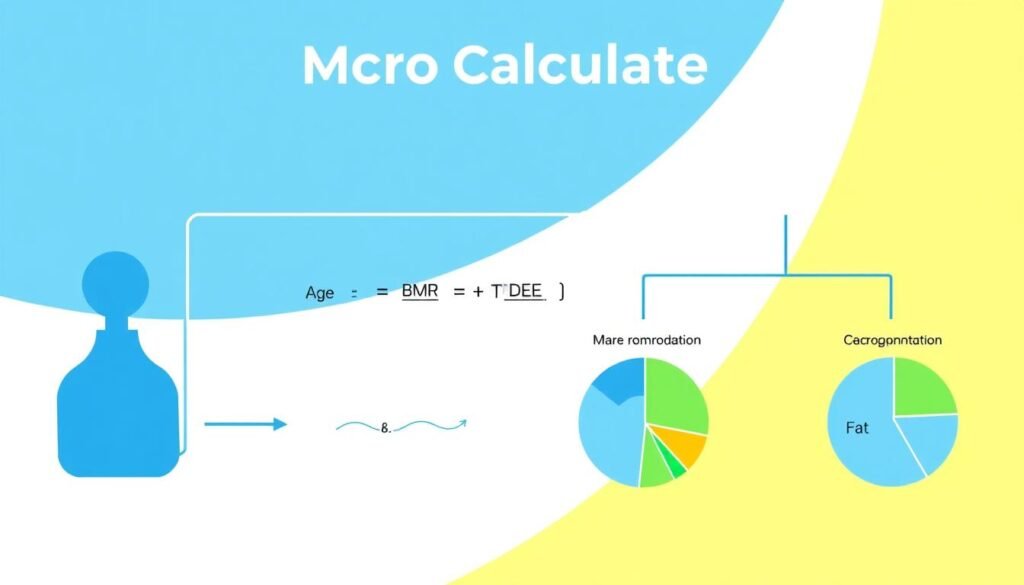
Macro calculators use scientifically validated formulas to determine your nutritional needs based on several key factors. Understanding this process helps you better interpret and apply the results.
The Calculation Process
- Basal Metabolic Rate (BMR): First, calculators determine your BMR—the calories your body needs at complete rest. Common formulas include the Mifflin-St Jeor or Harris-Benedict equations.
- Total Daily Energy Expenditure (TDEE): Your BMR is then multiplied by an activity factor to account for your daily movement and exercise.
- Goal Adjustment: Calories are adjusted based on your goal (weight loss, maintenance, or muscle gain).
- Macro Distribution: Total calories are divided into specific amounts of protein, carbohydrates, and fats based on your goals and preferences.
Common Formulas Used in Macro Calculators
Mifflin-St Jeor Equation (BMR):
For men: BMR = (10 × weight in kg) + (6.25 × height in cm) – (5 × age in years) + 5
For women: BMR = (10 × weight in kg) + (6.25 × height in cm) – (5 × age in years) – 161
Activity Multipliers:
- Sedentary: TDEE = BMR × 1.2
- Lightly active: TDEE = BMR × 1.375
- Moderately active: TDEE = BMR × 1.55
- Very active: TDEE = BMR × 1.725
- Extremely active: TDEE = BMR × 1.9
Key Factors That Affect Your Macro Calculations
Your ideal macronutrient ratio isn’t one-size-fits-all. Several important factors influence what your body needs:
Physical Characteristics
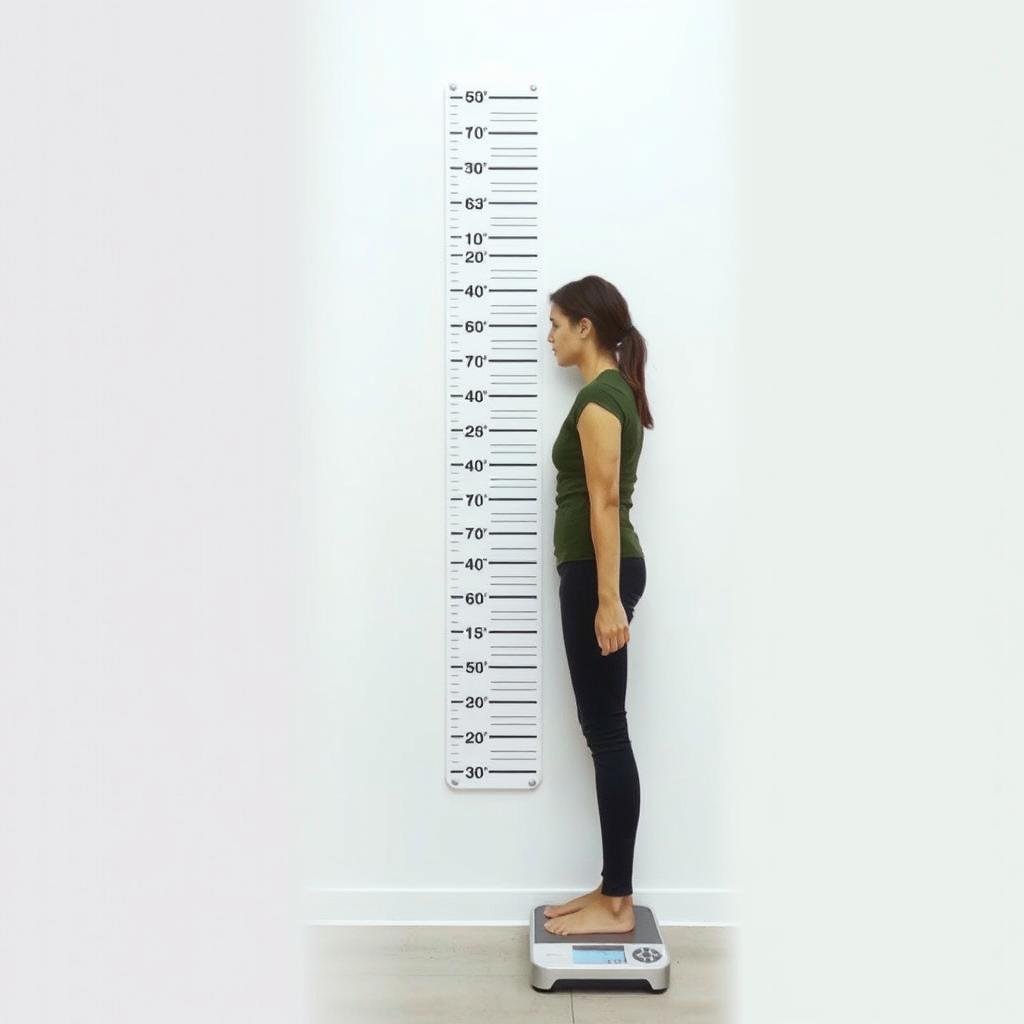
- Age: Metabolism typically slows with age
- Sex: Hormonal differences affect nutrient needs
- Height & Weight: Larger bodies generally require more energy
- Body Composition: Muscle mass increases metabolic rate

Activity Level
- Daily Movement: Job activity, walking, etc.
- Exercise Type: Cardio vs. resistance training
- Exercise Frequency: How often you work out
- Exercise Intensity: How hard you push yourself

Fitness Goals
- Weight Loss: Typically requires calorie deficit
- Muscle Gain: Needs sufficient protein and calories
- Maintenance: Balanced approach to sustain results
- Performance: Fuel for specific athletic demands
“The most effective nutrition plan is one that’s personalized to your unique body, lifestyle, and goals. Generic approaches rarely deliver optimal results.”
How to Use a Macro Calculator Effectively: Step-by-Step Guide
Follow these steps to get the most accurate and useful results from any macro calculator:

-
Gather Accurate Information
Before starting, collect precise measurements of your:
- Current weight (measure in the morning after using the bathroom)
- Height (without shoes)
- Age
- Body fat percentage (if available, though not required)
-
Determine Your Activity Level Honestly
Most people overestimate their activity level. Be realistic about how active you truly are:
- Sedentary: Office job with little movement (1-2 workouts/week)
- Lightly Active: Some walking throughout day (2-3 workouts/week)
- Moderately Active: Active job or regular exercise (3-5 workouts/week)
- Very Active: Physical job plus regular training (5-7 workouts/week)
- Extremely Active: Athletes training multiple times daily
-
Define Your Primary Goal
Be specific about what you want to achieve:
- Fat Loss: Reduce body fat while maintaining muscle
- Muscle Gain: Build muscle mass (may include some fat gain)
- Maintenance: Sustain current body composition
- Recomposition: Lose fat and gain muscle simultaneously (slower process)
-
Select Your Preferred Macro Ratio
Choose a starting point based on your goals:
- Balanced: 30% protein, 40% carbs, 30% fat (good all-around approach)
- Higher Protein: 40% protein, 30% carbs, 30% fat (for fat loss focus)
- Higher Carb: 30% protein, 50% carbs, 20% fat (for performance/athletes)
- Higher Fat: 30% protein, 20% carbs, 50% fat (for those who prefer fat-fueled approach)
-
Input Information Into Calculator
Enter all your data into your chosen macro calculator tool.
-
Review and Adjust Results
Look at the recommended calories and macros. If they seem too high or low based on your experience, make small adjustments.
Important: Macro calculators provide estimates, not absolute values. Your actual needs may vary based on individual metabolism, medical conditions, and other factors not captured by standard formulas.
Types of Macro Calculators: Finding the Right Tool
There are several ways to calculate your macros, each with its own advantages and limitations:

Online Calculators
Pros: Free, easily accessible, quick results
Cons: Varying accuracy, limited customization
Best for: Beginners, quick estimates
Popular options include Precision Nutrition, IIFYM, and Macros Inc calculators.

Mobile Apps
Pros: Convenient, food databases, tracking features
Cons: Some require subscriptions, learning curve
Best for: Daily tracking, detailed analysis
Popular options include MyFitnessPal, Cronometer, and MacroFactor.

Professional Guidance
Pros: Highly personalized, expert adjustments
Cons: More expensive, requires appointments
Best for: Complex goals, plateaus, medical considerations
Options include registered dietitians, nutrition coaches, and certified fitness professionals.
Ready to find your perfect macros?
Try our recommended macro calculator for accurate, personalized results.
Benefits of Tracking Macros: What the Research Shows
Scientific evidence supports numerous benefits of macro-based nutrition approaches:
For Weight Loss
- Better adherence: Research shows flexible dieting approaches lead to higher long-term compliance than restrictive diets.
- Preserved muscle mass: Adequate protein intake during weight loss helps maintain lean tissue.
- Reduced hunger: Balanced macros help control appetite hormones and blood sugar.
- Sustainable results: Studies show flexible approaches lead to better weight maintenance after loss.

For Muscle Gain
- Optimized protein synthesis: Research indicates specific protein targets maximize muscle growth.
- Improved recovery: Proper carbohydrate intake replenishes glycogen stores for faster recovery.
- Hormonal balance: Adequate fat intake supports testosterone and other anabolic hormones.
- Structured progression: Systematic increases in calories support continued growth.

For Overall Health

Improved Energy
Balanced macros provide steady fuel throughout the day, preventing energy crashes and supporting daily activities.

Better Recovery
Proper nutrition accelerates tissue repair, reduces inflammation, and supports immune function.

Food Awareness
Tracking macros increases nutritional knowledge and helps develop sustainable eating habits.
Common Mistakes When Using Macro Calculators
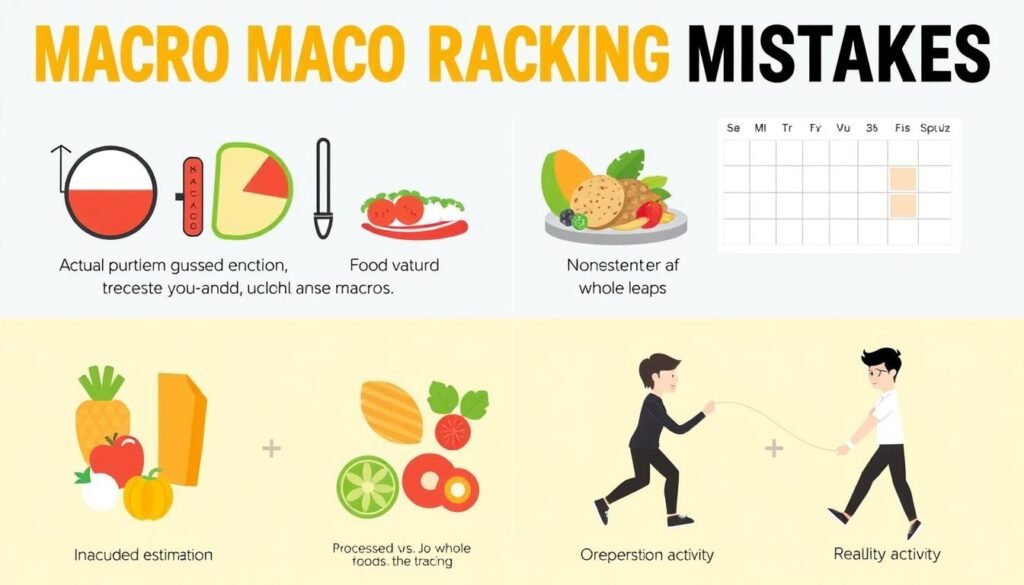
Avoid these pitfalls to get the most accurate and effective results:
What To Do
- Be honest about your activity level
- Measure and weigh food (at least initially)
- Track consistently for at least 2-3 weeks
- Adjust based on real results
- Focus on food quality alongside macros
- Be patient with the process
- Include a variety of foods
What To Avoid
- Overestimating activity level
- Eyeballing portions inaccurately
- Expecting immediate dramatic results
- Ignoring hunger/fullness cues
- Neglecting micronutrients
- Making drastic macro changes weekly
- Becoming obsessive about tracking
Sample Macro Calculations for Different Goals
Let’s look at how macro calculations might differ based on various fitness goals:
| Profile | Goal | Daily Calories | Protein (g) | Carbs (g) | Fat (g) | Macro Ratio |
| 30-year-old woman, 140 lbs, 5’5″, moderately active | Fat Loss | 1,650 | 130g (32%) | 165g (40%) | 50g (28%) | 32/40/28 |
| 25-year-old man, 180 lbs, 5’10”, very active | Muscle Gain | 3,100 | 180g (23%) | 390g (50%) | 95g (27%) | 23/50/27 |
| 40-year-old woman, 160 lbs, 5’7″, lightly active | Maintenance | 1,950 | 120g (25%) | 220g (45%) | 65g (30%) | 25/45/30 |
| 35-year-old man, 200 lbs, 6’0″, moderately active | Body Recomposition | 2,400 | 200g (33%) | 240g (40%) | 70g (27%) | 33/40/27 |
“These examples illustrate how macro needs vary significantly based on individual factors and goals. What works for one person may not work for another, which is why personalized calculations are so valuable.”
How to Adjust Your Macros Based on Results
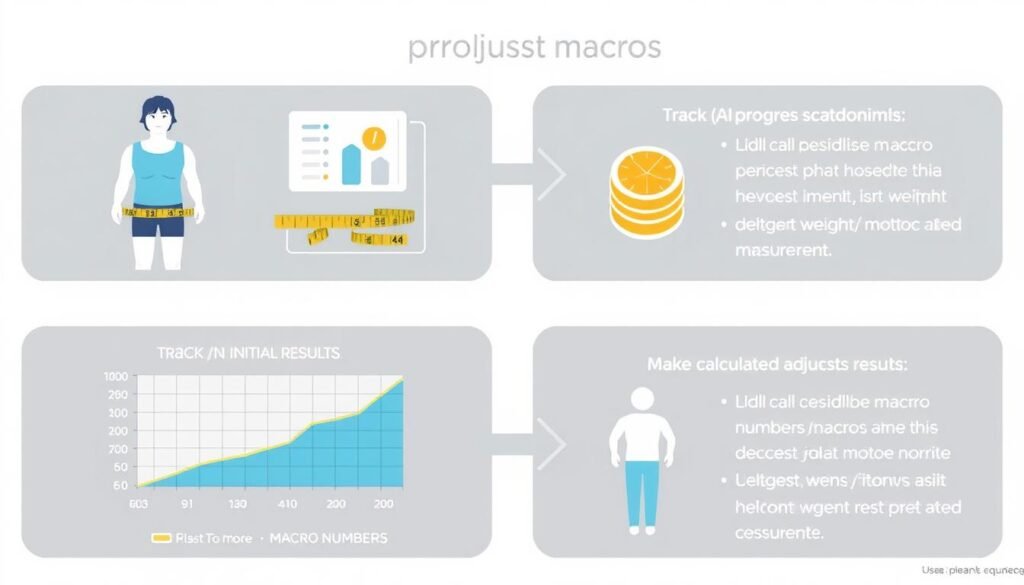
Your initial macro calculations are just a starting point. Here’s how to fine-tune them based on your progress:
When to Make Adjustments
- After 2-3 weeks of consistent tracking (minimum)
- When progress stalls for more than two weeks
- When energy levels are consistently low
- When hunger is excessive or unmanageable
- When workout performance declines significantly
- After reaching a milestone and setting new goals
How to Make Adjustments
- Start small: Change calories by 5-10% at most
- Adjust one variable: Change either calories or macro ratios, not both simultaneously
- Be patient: Allow 1-2 weeks to assess the impact of changes
- Document everything: Track adjustments and their effects
- Consider timing: Sometimes when you eat matters as much as what you eat
Adjustment Guidelines by Goal
For Fat Loss Plateaus: First, reduce carbs by 15-20g or fats by 5-10g. If still plateaued after 2 weeks, reduce by the same amount again.
For Insufficient Muscle Gain: Increase carbs by 25-30g or total calories by 200-300. Ensure protein is at least 1.6g per kg of bodyweight.
For Excessive Fat Gain During Bulking: Reduce carbs by 25-30g or total calories by 200-300 while maintaining protein intake.
For Low Energy/Poor Recovery: Increase carbs by 25-50g, particularly around workout times.
Recommended Macro Calculator Tools and Resources
Here are some of the most reliable and user-friendly tools to help you calculate and track your macros:
Best Online Calculators
- Precision Nutrition Calculator – Research-backed and highly accurate
- Macros Inc Calculator – User-friendly with excellent explanations
- IIFYM Calculator – Detailed with multiple customization options

Best Tracking Apps
- Cronometer – Most accurate food database with micronutrient tracking
- MyFitnessPal – Largest food database with barcode scanner
- MacroFactor – Adaptive algorithm that adjusts to your metabolism
- Carb Manager – Excellent for low-carb and keto approaches

Educational Resources
- Precision Nutrition’s Guide to Counting Macros
- Rippedbody’s Complete Macro Guide
- Bodybuilding.com’s Macro Math
- Book: “The Renaissance Diet 2.0” by Dr. Mike Israetel
Take your nutrition to the next level
Download our free Macro Tracking Starter Guide to learn how to implement your calculator results effectively.
Conclusion: Making Macro Calculators Work for You
A macro calculator is more than just a nutrition tool—it’s a gateway to understanding your body’s unique needs and optimizing your diet for your specific goals. Whether you’re looking to lose weight, build muscle, or simply improve your overall health, tracking macros provides a flexible, sustainable approach to nutrition that can adapt as your needs change.
Remember that while macro calculators provide valuable guidance, they’re just one part of a successful nutrition strategy. The most effective approach combines the precision of macro tracking with mindful eating habits, quality food choices, and consistent adjustments based on your results and feedback.
Start with the calculator recommendations, but don’t be afraid to make adjustments as you learn how your body responds. With patience and consistency, you’ll discover the perfect macro balance that helps you look, feel, and perform your best.

Finding your ideal macro balance leads to sustainable nutrition habits you can enjoy for life
Ready to transform your nutrition?
Calculate your personalized macros today and take the first step toward reaching your fitness goals.