Planning a landscaping project and wondering “how much mulch do I need?” You’re not alone. Calculating the right amount of mulch is crucial for both your garden’s health and your budget. Too little mulch leaves soil exposed, while too much can harm your plants and waste money. Our mulch calculator guide helps you determine exactly how much mulch your project requires, ensuring you buy just the right amount for perfect coverage.
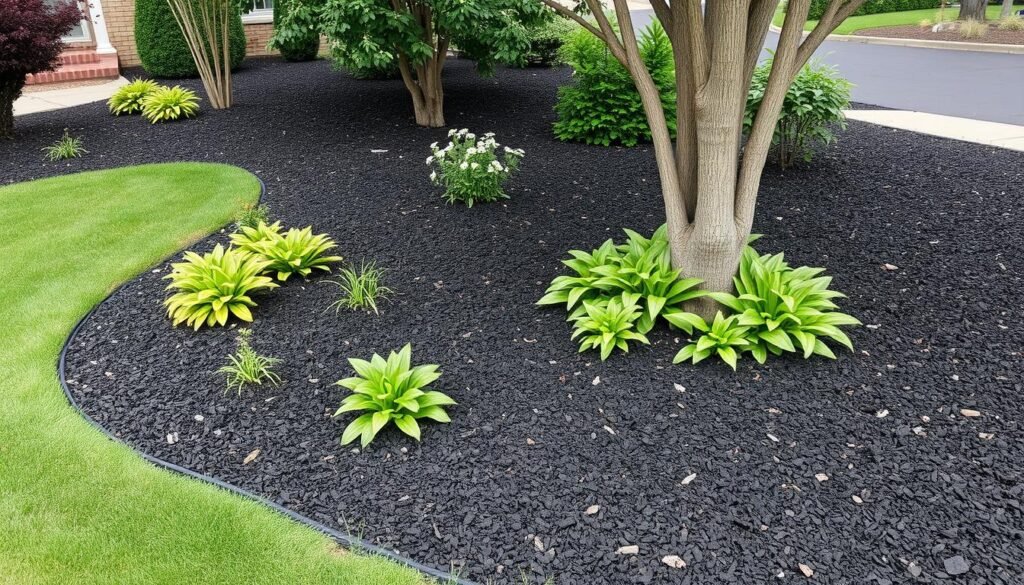
Why Calculate Mulch Accurately?
Accurate mulch calculation is essential for several reasons that impact both your garden’s health and your wallet:
Cost Efficiency
Mulch can be expensive, especially premium varieties or colored options. Overestimating leads to wasted money on excess material you don’t need. Underestimating means making multiple trips to the store, wasting time and potentially paying more due to additional delivery fees.
Project Planning
Knowing exactly how much mulch you need helps you plan your landscaping project more effectively. You can arrange appropriate transportation, schedule the right amount of time, and prepare adequate storage space for your materials.
Plant Health
The proper depth of mulch is critical for plant health. Too little won’t provide the benefits of moisture retention and weed suppression. Too much can suffocate roots, create excess moisture that leads to rot, or form a barrier that prevents water from reaching the soil.
Environmental Impact
Calculating correctly reduces waste and the environmental impact of producing and transporting excess materials. It’s a small but meaningful way to practice sustainable gardening and landscaping.
Ready to Calculate Your Mulch Needs?
Our mulch calculator makes it easy to determine exactly how much material you need for your project.
How Mulch Calculation Works (The Formula)
Calculating mulch volume is straightforward once you understand the basic formula. Follow these steps to determine how much mulch you need:
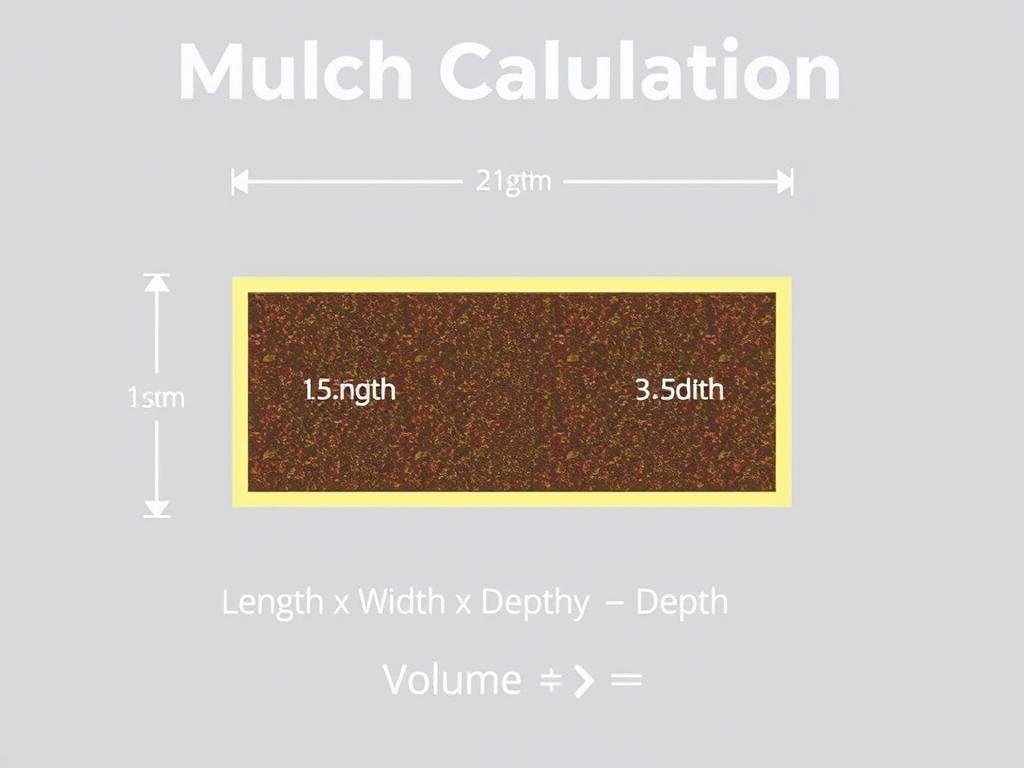
Step 1: Measure Your Area
Measure the length and width of the area you want to cover with mulch. For rectangular areas, simply multiply length × width to get the square footage. For circular areas, measure the diameter and use the formula: Area = π × (diameter ÷ 2)². For irregular shapes, break the area into smaller rectangles or triangles, calculate each separately, and add them together.
Step 2: Determine Your Desired Depth
Decide how deep you want your mulch layer to be. The recommended depth varies by mulch type:
- Fine mulch: 1-2 inches deep
- Medium mulch: 2-3 inches deep
- Coarse mulch: 3-4 inches deep
Step 3: Calculate the Volume
Multiply the area by the depth to find the volume in cubic feet:
Volume (cubic feet) = Area (square feet) × Depth (feet)
Note: If your depth measurement is in inches, convert it to feet by dividing by 12.
Example: For a 10 ft × 10 ft area with 3 inches of mulch:
- Area = 10 ft × 10 ft = 100 square feet
- Depth in feet = 3 inches ÷ 12 = 0.25 feet
- Volume = 100 square feet × 0.25 feet = 25 cubic feet
Step 4: Convert to Cubic Yards (if needed)
Mulch is often sold in cubic yards. To convert cubic feet to cubic yards, divide by 27:
Cubic Yards = Cubic Feet ÷ 27
Example: 25 cubic feet ÷ 27 = 0.93 cubic yards
Quick Tip: One cubic yard of mulch typically covers about 100 square feet at a 3-inch depth, or 160 square feet at a 2-inch depth.
Types of Mulch and Their Coverage
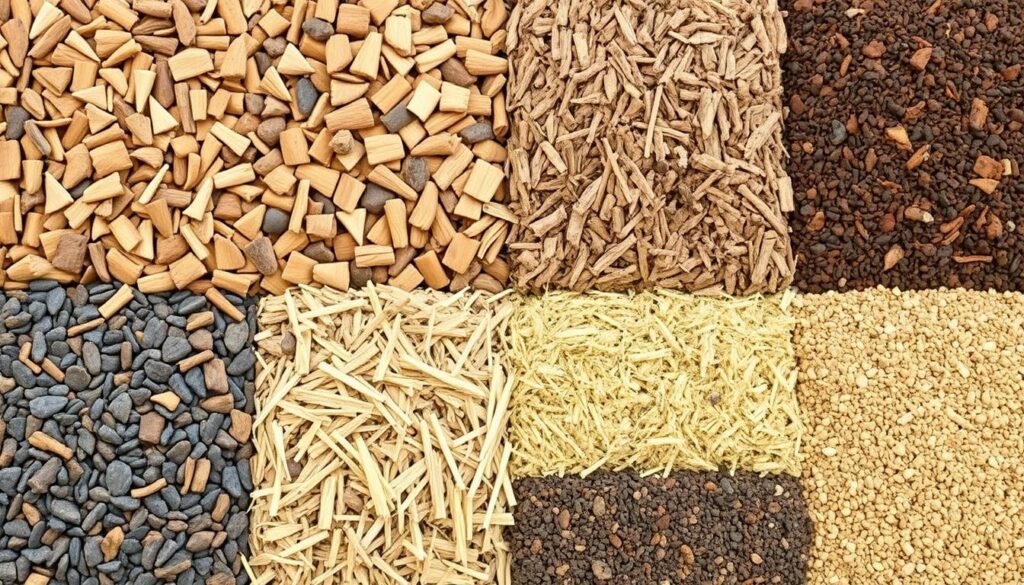
Different types of mulch have varying densities, textures, and coverage rates. Understanding these differences helps you choose the right mulch for your needs and calculate more accurately.
Organic Mulches

Organic mulches decompose over time, enriching your soil with nutrients. They typically need to be replenished every 1-2 years.
- Wood Chips/Bark: Medium density, covers 100 sq ft at 3″ depth per cubic yard
- Shredded Leaves: Light density, may compact over time
- Straw: Very light, may blow away in windy areas
- Compost: Dense, best applied in thinner layers (1-2″)
Inorganic Mulches

Inorganic mulches don’t decompose and typically last much longer than organic options. They don’t add nutrients to the soil.
- Rubber Mulch: Lightweight, lasts 10+ years, often used in playgrounds
- Stone/Gravel: Very dense, permanent solution for drainage areas
- Landscape Fabric: Often used underneath other mulches
- Plastic Mulch: Common in commercial growing, helps warm soil
Colored Mulches

Colored mulches offer aesthetic appeal while providing the same benefits as natural wood mulch.
- Black Mulch: Provides contrast with colorful plants
- Red Mulch: Popular in commercial landscapes
- Brown Mulch: Natural look that blends with soil
- Golden Mulch: Brightens shady garden areas
| Mulch Type | Coverage at 2″ Depth | Coverage at 3″ Depth | Coverage at 4″ Depth |
| Wood Chips | 162 sq ft | 108 sq ft | 81 sq ft |
| Bark Nuggets | 162 sq ft | 108 sq ft | 81 sq ft |
| Rubber Mulch | 162 sq ft | 108 sq ft | 81 sq ft |
| Straw | 162 sq ft | 108 sq ft | 81 sq ft |
| Gravel/Stone | 162 sq ft | 108 sq ft | 81 sq ft |
Benefits of Using Mulch
Mulch does far more than just make your garden look neat and finished. Understanding these benefits helps you appreciate why calculating the right amount is so important.

Moisture Retention
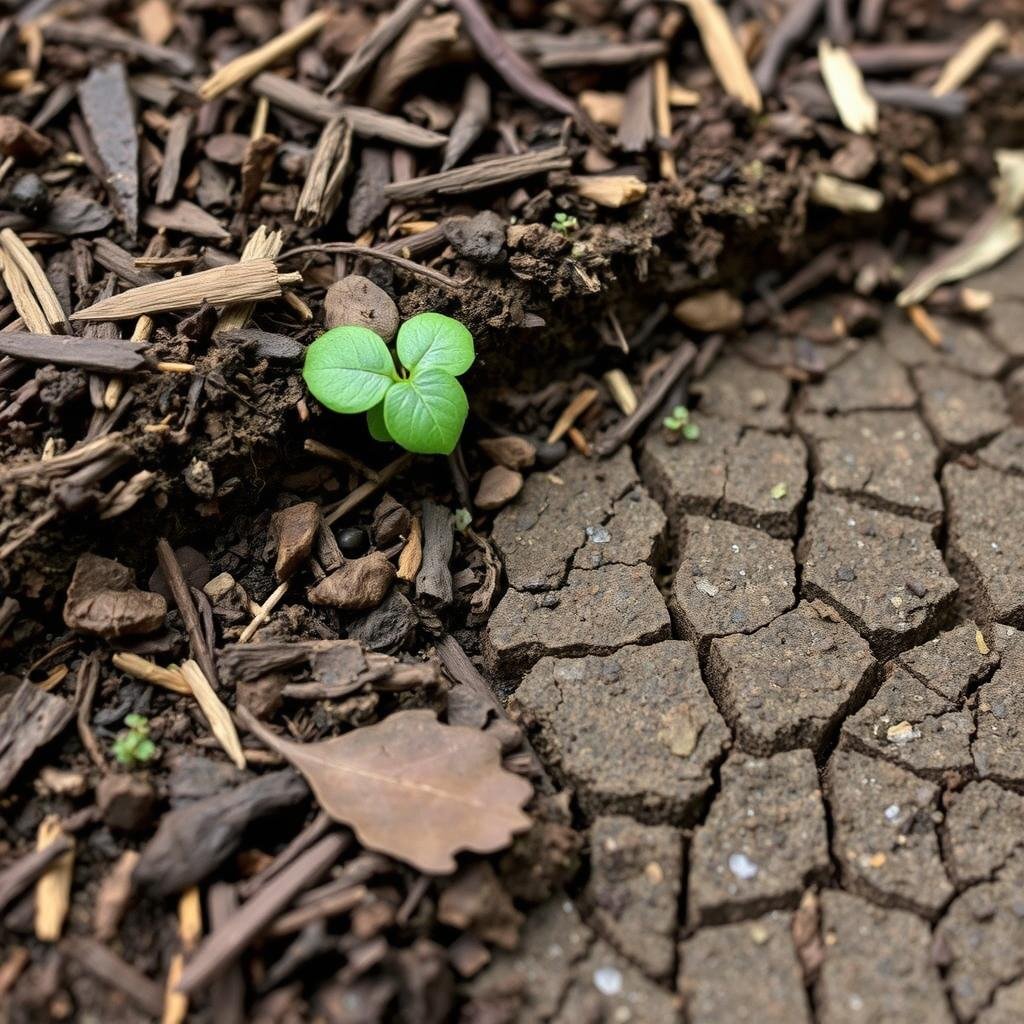
Mulch acts as a protective barrier that reduces evaporation, keeping soil moist for longer periods. This means:
- Less frequent watering needed
- More consistent soil moisture
- Reduced water bills
- Better drought resistance
Weed Suppression
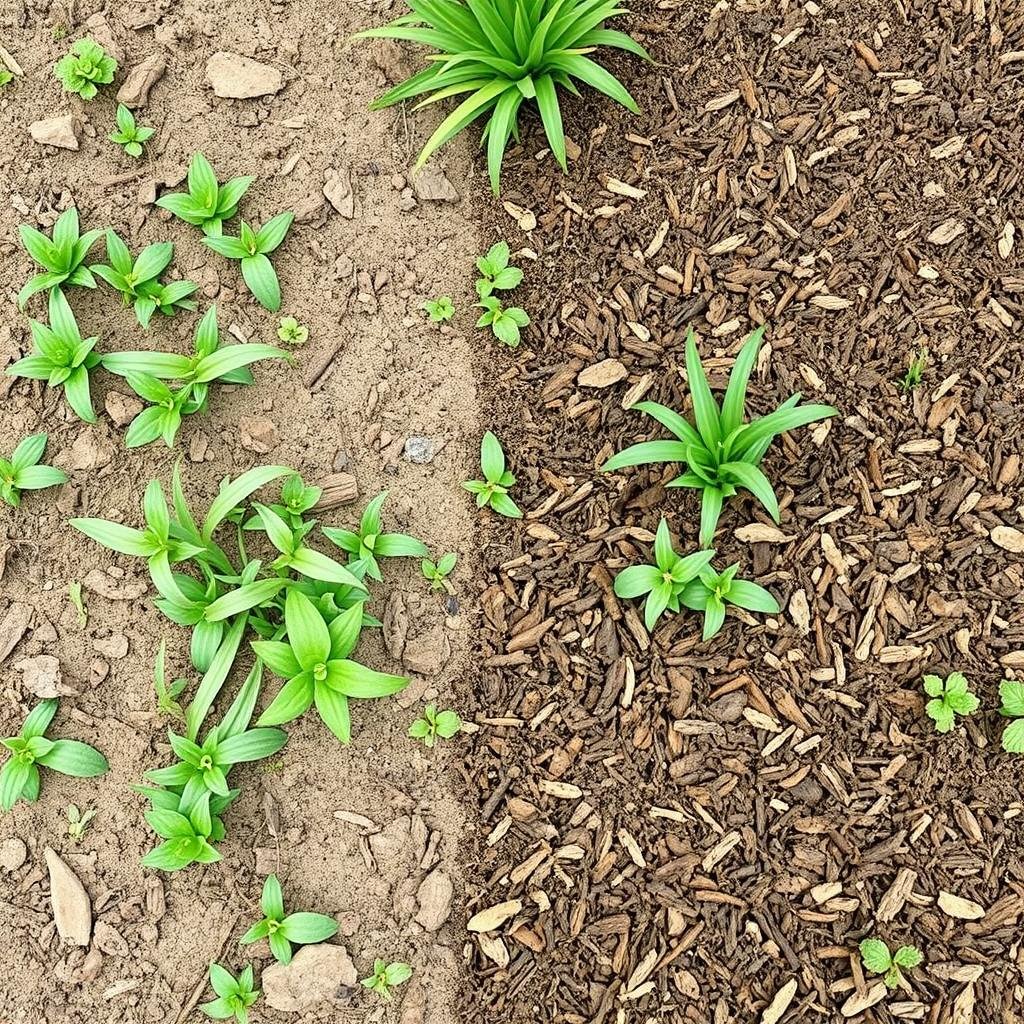
A proper layer of mulch blocks sunlight from reaching weed seeds, preventing germination and growth:
- Fewer weeds to pull
- Reduced need for herbicides
- Less competition for your plants
- More time enjoying your garden
Temperature Regulation

Mulch insulates soil, moderating temperature extremes:
- Cooler soil in summer heat
- Warmer soil during cold snaps
- Protection from freeze/thaw cycles
- Extended growing seasons
Soil Health Improvement
Organic mulches break down over time, adding valuable organic matter to your soil:
- Improved soil structure and aeration
- Enhanced microbial activity
- Increased earthworm population
- Gradual release of nutrients
Aesthetic Appeal
Beyond its practical benefits, mulch creates a finished, professional look:
- Defines garden beds clearly
- Provides contrast for plants
- Creates a unified landscape design
- Enhances property value
Calculate Your Mulch Needs Now
Get the perfect amount of mulch for all these benefits without waste.
How to Use a Mulch Calculator
While our article provides the formulas to calculate mulch manually, using an online mulch calculator makes the process even simpler. Here’s how you would typically use a mulch calculator:
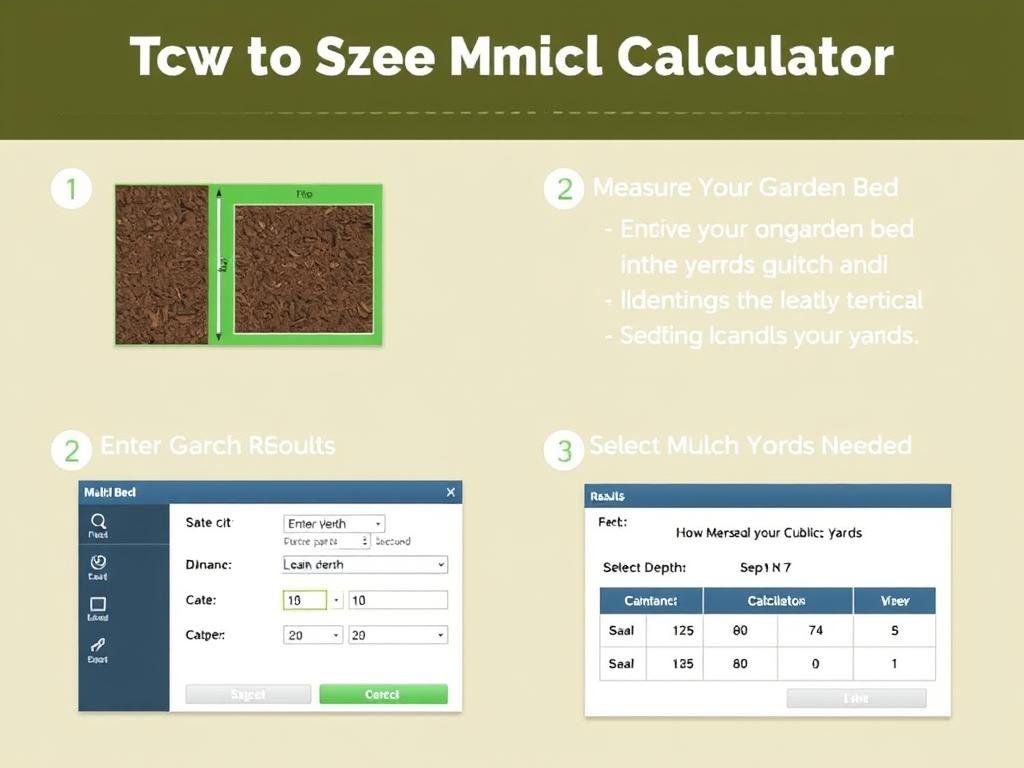
Step 1: Measure Your Space
Use a tape measure to determine the dimensions of your landscaping area. For rectangular areas, measure the length and width. For circular areas, measure the diameter. For irregular shapes, consider breaking them into smaller, measurable sections.
Step 2: Enter Your Measurements
Input your measurements into the calculator. Most calculators allow you to choose your preferred unit of measurement (feet, inches, yards, meters, etc.). Be consistent with your units throughout.
Step 3: Select Your Desired Mulch Depth
Choose how deep you want your mulch layer to be. Most calculators offer recommended depths based on different applications, typically between 2-4 inches for landscape beds.
Step 4: Review Your Results
The calculator will provide results in cubic feet, cubic yards, or both. Many calculators also estimate how many bags of mulch you’ll need if you’re buying bagged mulch rather than bulk.
Bulk vs. Bagged Mulch Conversion: One cubic yard of mulch equals approximately 13-14 bags of mulch (2 cubic feet per bag) or 9 bags (3 cubic feet per bag). Our calculator can help you determine which option is more economical for your project.
Pro Tips for Mulching
Follow these expert recommendations to get the most out of your mulch and ensure your plants thrive:

Proper Depth Guidelines
Applying mulch at the right depth is crucial for plant health:
- Trees and shrubs: 2-4 inches deep
- Perennial beds: 2-3 inches deep
- Vegetable gardens: 1-2 inches deep
- Annual flower beds: 1-2 inches deep
Too shallow won’t provide benefits; too deep can harm plants.
Avoid “Volcano Mulching”
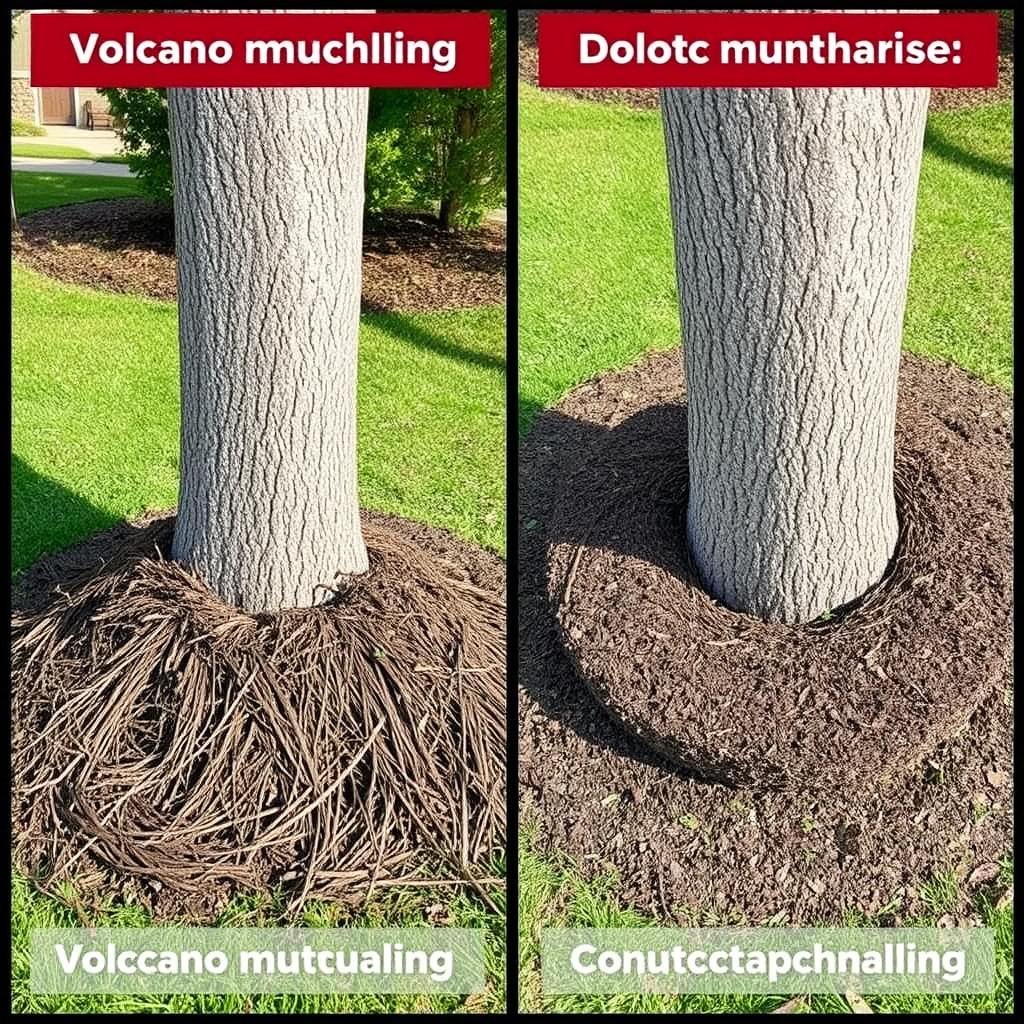
Never pile mulch against tree trunks or plant stems:
- Keep mulch 2-3 inches away from trunks
- Create a “donut” shape, not a “volcano”
- Prevents rot, disease, and pest problems
- Allows proper air circulation
When to Mulch
Timing matters for maximum benefit:
- Spring: After soil warms (mid-late spring)
- Fall: Before first freeze for winter protection
- Refresh: When mulch has decomposed to half its original depth
- After weeding: Always mulch on weed-free soil
Important: Before adding new mulch, check the depth of existing mulch. If you already have 2-3 inches, remove old mulch or just add a thin refresher layer. Excessive mulch depth can suffocate plant roots and create drainage problems.
“The difference between a good garden and a great garden often comes down to proper mulching. Take the time to calculate your needs accurately and apply mulch correctly.”
Conclusion: Plan Your Mulching Project with Confidence
Calculating the right amount of mulch is a simple yet crucial step in any successful landscaping project. By taking a few minutes to measure your space and use our mulch calculator, you’ll save money, time, and effort while ensuring your plants receive the optimal benefits that proper mulching provides.
Whether you’re refreshing existing beds or creating new landscape features, the right amount of mulch makes all the difference in both appearance and plant health. Remember that different areas of your garden may require different mulch types and depths based on the plants, sun exposure, and aesthetic goals.
Ready to Start Your Mulching Project?
Calculate exactly how much mulch you need and get started with confidence.