Use our Period Calculator to track your menstrual cycle, predict your next period, and monitor fertility. Stay informed and manage your reproductive health easily.
Keeping track of your menstrual cycle helps you prepare for upcoming periods, understand your body better, and monitor your reproductive health. A period calculator is a valuable tool that predicts when your next period might arrive, tracks cycle patterns, and even helps identify potential irregularities. Whether you’re planning a vacation, preparing for important events, or monitoring your fertility, a reliable period calculator can be your personal health assistant.

Take Control of Your Cycle Today
Never be caught unprepared again. Track your period, predict ovulation, and understand your body better with our easy-to-use period tracking app.
What Is a Period Calculator?
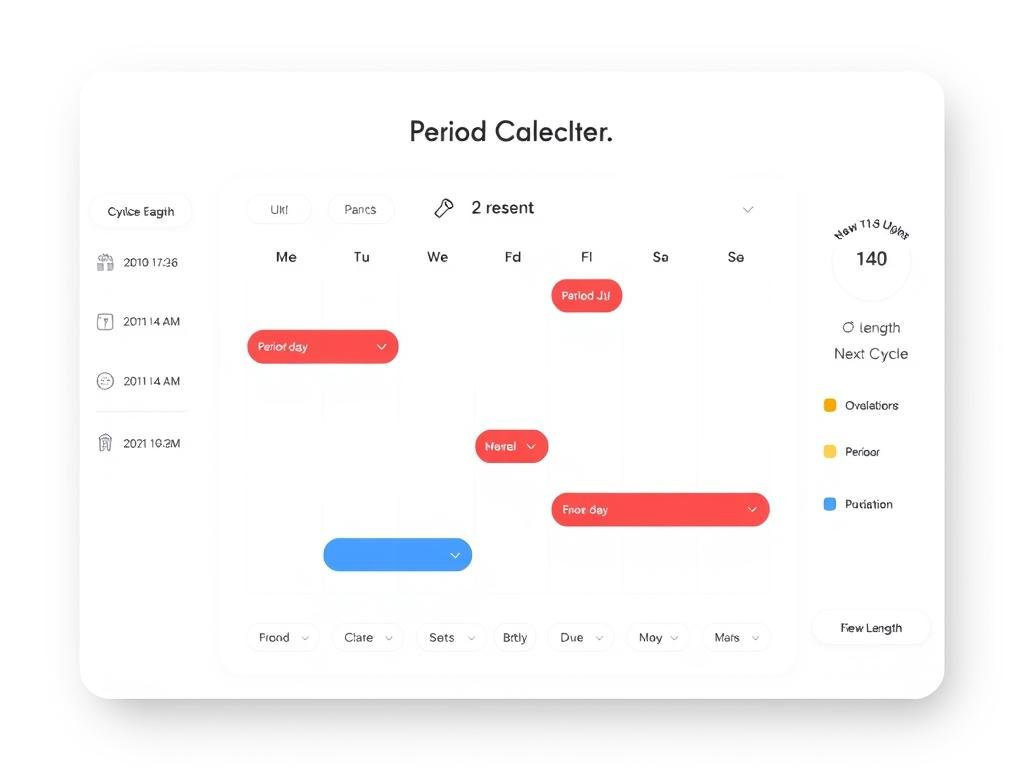
A period calculator is a tool that helps predict when your next menstrual period will start based on information about your previous cycles. These calculators use the date of your last period and your average cycle length to estimate future period dates, ovulation windows, and fertile days.
Modern period calculators have evolved from simple calendar-based tracking to sophisticated apps that use artificial intelligence to provide increasingly accurate predictions. They can help you understand your unique cycle patterns, prepare for upcoming periods, and even identify potential irregularities that might require medical attention.
How Period Calculators Work: The Science Behind Cycle Prediction
Period calculators rely on the cyclical nature of menstruation to make predictions. While they may seem like simple calendar tools, they’re actually based on scientific understanding of the menstrual cycle phases.
The Menstrual Cycle Phases
The average menstrual cycle lasts 28 days, though cycles between 21 and 35 days are considered normal. A complete menstrual cycle consists of three main phases:
- Follicular Phase: Begins on the first day of your period and lasts until ovulation (typically days 1-13)
- Ovulation Phase: When an egg is released from the ovary (typically around day 14)
- Luteal Phase: Post-ovulation until the start of your next period (typically days 15-28)

The Calculation Method
Period calculators use a formula based on your previous cycle data to predict future cycles. The basic calculation involves:
- Recording the first day of your last period
- Determining your average cycle length (the number of days from the first day of one period to the first day of the next)
- Adding your average cycle length to the start date of your last period to predict your next period
More advanced calculators may also factor in the luteal phase length (typically 14 days), variations in your past cycles, and even symptoms you’ve logged to provide more personalized predictions.
Types of Period Calculators
Period calculators come in various forms, each with its own advantages and limitations. Choosing the right type depends on your personal preferences, privacy concerns, and tracking needs.
Web-Based Calculators
Pros: Easily accessible from any device with internet access, no download required, often free to use.
Cons: May offer limited features, potential privacy concerns with data storage, requires internet connection.
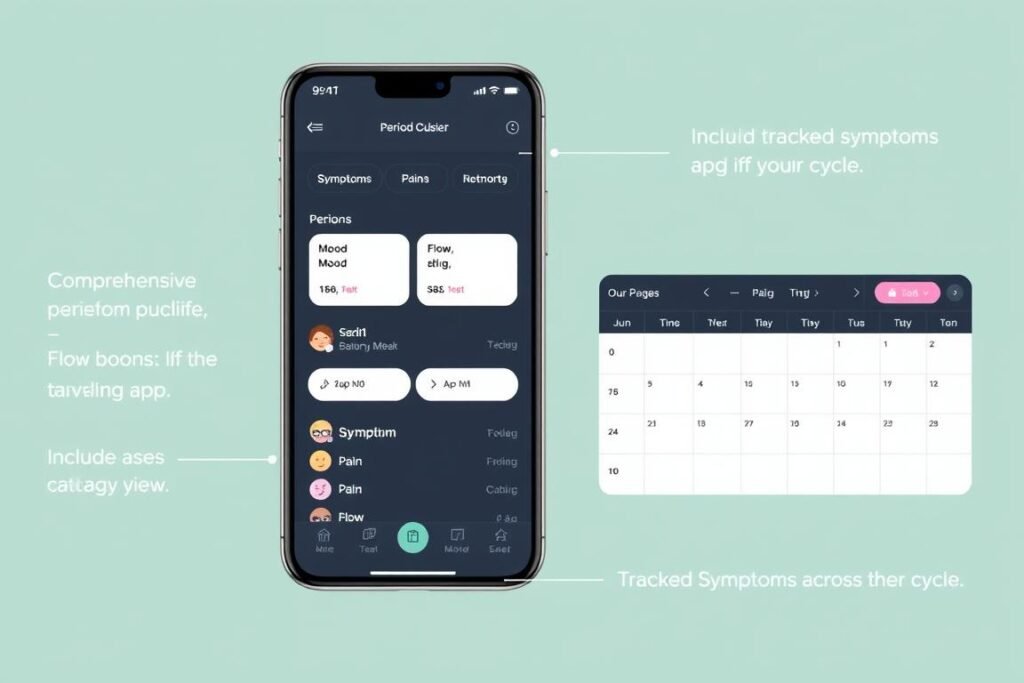
Mobile Apps

Pros: Comprehensive features, personalized predictions, symptom tracking, notifications, offline access.
Cons: May require subscription for premium features, potential privacy concerns, takes up device storage.
Physical Trackers
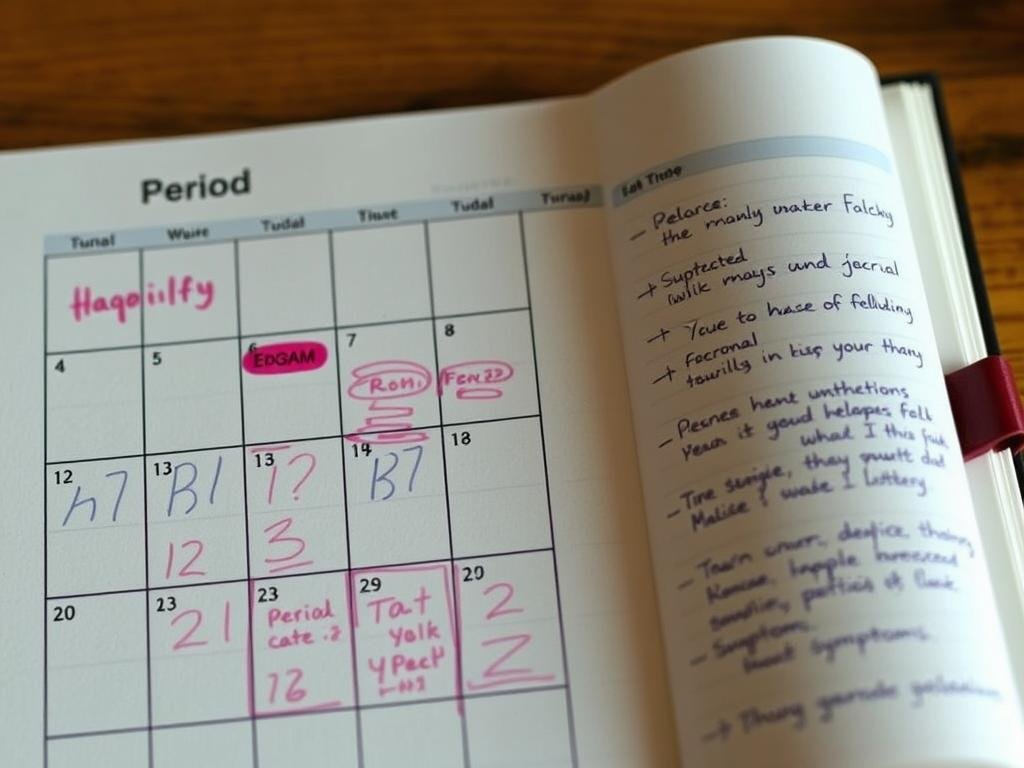
Pros: Complete privacy, no technology required, tangible record-keeping, no subscription costs.
Cons: Manual calculations required, no automatic predictions, potential for human error, less convenient.
Why Digital Tracking Makes a Difference
Our period tracking app uses advanced algorithms to provide personalized predictions that become more accurate over time. Get insights about your cycle that paper tracking simply can’t provide.
Key Features to Look for in a Period Calculator
Not all period calculators are created equal. When choosing a tool to track your menstrual cycle, look for these essential features that will provide the most value and accuracy.
Cycle Length Tracking
A good period calculator should allow you to record the length of each cycle, not just period dates. This data helps the calculator learn your unique patterns and improve prediction accuracy over time. Look for calculators that can handle irregular cycles and provide insights about cycle length variations.
Symptom Logging
Comprehensive symptom tracking allows you to record physical and emotional changes throughout your cycle. This includes mood swings, energy levels, cramps, breast tenderness, headaches, and more. These patterns can help you prepare for symptoms and identify potential health concerns.
Fertility Window Prediction
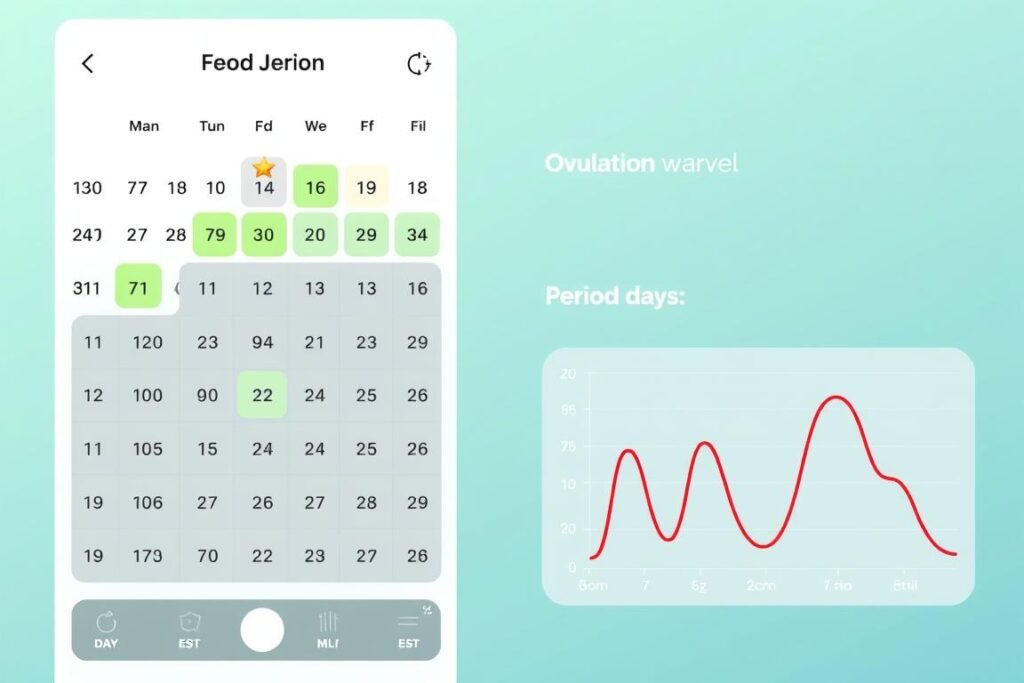
For those planning or avoiding pregnancy, fertility window prediction is crucial. Advanced calculators estimate your most fertile days based on your cycle length and ovulation patterns. This feature typically identifies the 5-6 days when pregnancy is possible each cycle.
Ovulation Calculation
Accurate ovulation prediction is valuable for both fertility awareness and understanding cycle-related symptoms. Look for calculators that estimate ovulation based on your unique cycle data rather than assuming a standard 14-day pre-ovulation phase.
Additional Valuable Features
- Data Export: The ability to download or share your cycle data with healthcare providers
- Reminder Notifications: Alerts for upcoming periods, fertile windows, or medication timing
- Pattern Analysis: Insights about your cycle regularity and symptom patterns over time
- Privacy Controls: Password protection and data encryption to keep sensitive information secure
- Customization Options: Ability to track custom symptoms or health metrics relevant to you
Benefits of Using Period Calculators
Regular use of a period calculator offers numerous advantages beyond simply knowing when your next period will arrive. These tools can contribute significantly to your overall health awareness and planning.
Health Monitoring

- Identify irregular cycles that might indicate health issues
- Track symptoms that could signal conditions like PCOS or endometriosis
- Monitor how lifestyle changes affect your cycle
- Provide valuable data to share with healthcare providers
Family Planning

- Identify your most fertile days when trying to conceive
- Support natural family planning methods
- Track cycle regularity when preparing for pregnancy
- Understand your unique fertility patterns
Lifestyle Planning

- Plan vacations and events around your cycle
- Prepare for period-related symptoms
- Optimize workout routines based on hormonal fluctuations
- Understand mood and energy patterns throughout your cycle
Step-by-Step Guide to Using a Period Calculator Effectively
Getting the most accurate predictions from a period calculator requires consistent and accurate input. Follow these steps to effectively track your menstrual cycle:
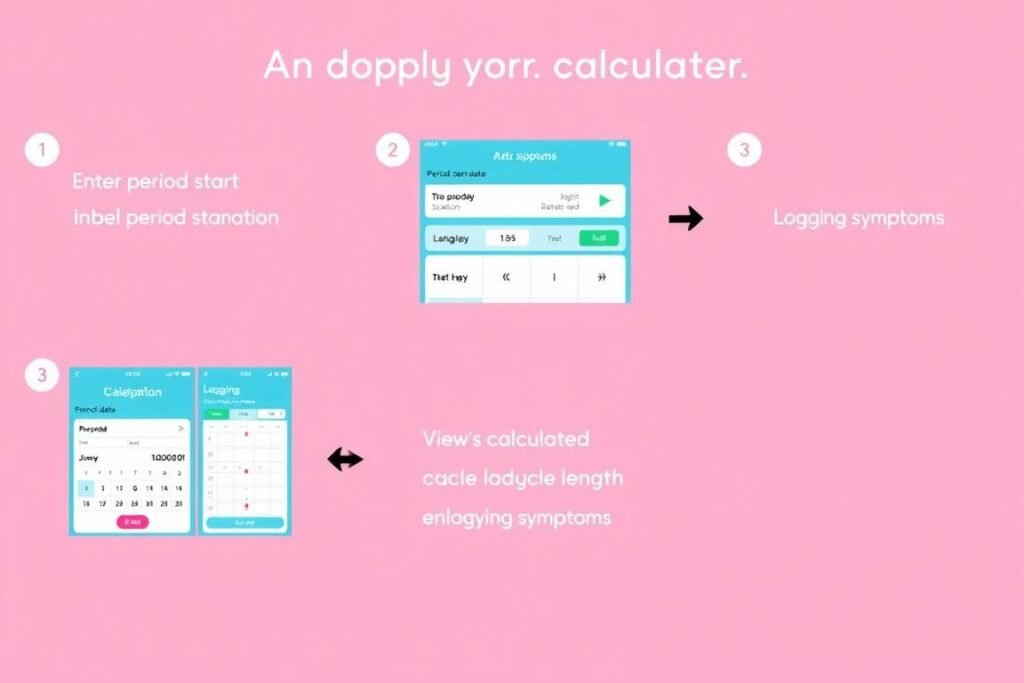
- Record Your Period Start Date
Mark the first day of bleeding as day 1 of your cycle. Even spotting should be recorded as the start of your period. - Track Your Full Period
Note how many days your bleeding lasts, including light days at the beginning and end. - Calculate Your Average Cycle Length
Count the days from the first day of one period to the first day of the next. Track at least 3 cycles to establish your average. - Log Symptoms Throughout Your Cycle
Record physical and emotional changes like cramps, mood swings, breast tenderness, and energy levels.

- Note Cycle Variations
Pay attention to changes in cycle length, period duration, or symptom intensity that might indicate health changes. - Update Regularly
For the most accurate predictions, log your data consistently each cycle. - Review Patterns Over Time
Look for trends in your cycle length, symptoms, and how they correlate with lifestyle factors. - Share Relevant Data With Healthcare Providers
Use your tracking history during medical consultations to provide accurate information about your cycle.
Tip for Accuracy: The more cycles you track, the more accurate your predictions will become. Most advanced period calculators improve their predictions over time as they learn your unique patterns.
Ready to Start Tracking?
Our period calculator app makes tracking simple and provides personalized insights about your cycle. Join millions of women who trust our app for accurate period predictions.
Accuracy Considerations and Limitations
While period calculators can be incredibly helpful, it’s important to understand their limitations. Even the most sophisticated calculators can’t account for all factors that influence your menstrual cycle.
When Period Calculators Are Most Accurate
- When you have regular cycles with consistent lengths
- After tracking for several months to establish patterns
- When using advanced apps that learn from your data
- When consistently logging accurate information
When Period Calculators May Be Less Reliable
- If you have irregular cycles or conditions like PCOS
- During major life transitions (puberty, postpartum, perimenopause)
- After stopping hormonal birth control
- During times of significant stress, weight changes, or intense exercise
Factors That Can Affect Prediction Accuracy
Many variables can influence your menstrual cycle timing and make predictions less accurate:
- Stress: Both acute and chronic stress can delay ovulation and affect cycle length
- Travel: Especially across time zones, can temporarily disrupt your cycle
- Medication Changes: Starting or stopping certain medications can affect cycle regularity
- Weight Fluctuations: Significant weight loss or gain can impact hormone production
- Health Conditions: PCOS, thyroid disorders, and other conditions can cause irregular cycles
- Age: Cycles naturally become less regular during perimenopause
- Intense Exercise: Very high levels of physical activity can affect cycle regularity
- Recent Hormonal Birth Control: Cycles may be irregular for several months after stopping
Important Note: Period calculators should not be relied upon as the sole method of contraception. If you’re using cycle tracking for family planning purposes, consider consulting with a healthcare provider about additional methods or more specialized fertility awareness approaches.
Comparison of Popular Period Calculator Apps in 2024
With numerous period tracking apps available, choosing the right one can be overwhelming. Here’s a comparison of some leading options to help you find the best fit for your needs.
| App Name | Best For | Key Features | Privacy Level | Price |
| Flo | Comprehensive health tracking | AI-powered predictions, symptom tracking, health insights, community support | High – offers anonymous mode | Free with premium option ($9.99/month) |
| Clue | Science-based insights | Research-backed information, clean interface, detailed analytics | High – European data protection | Free with premium option ($4.99/month) |
| Eve | Sexual health tracking | Period and sex tracking, community forums, health articles | Medium | Free with premium option ($7.99/month) |
| Glow | Fertility planning | Ovulation predictions, fertility treatments tracking, partner sync | Medium-High | Free with premium option ($7.99/month) |
| Natural Cycles | FDA-cleared birth control | Temperature tracking, FDA-cleared for contraception, detailed fertility data | Very High | Subscription required ($8.99/month) |

Privacy and Data Security Considerations
When tracking something as personal as your menstrual cycle, privacy and data security should be top priorities. Period tracking apps collect sensitive health information that requires proper protection.
Understanding Data Collection Practices
Before choosing a period calculator app, research how it handles your data:
- What specific data is collected beyond your cycle information?
- Is your data shared with third parties? If so, for what purposes?
- How long is your data retained?
- Can you delete your data completely if desired?
- Is your data used for research? If so, is it anonymized?
Protecting Your Menstrual Health Data
Take these steps to safeguard your personal information:
- Choose apps with strong privacy policies and encryption
- Use password protection or biometric authentication
- Consider apps that offer “anonymous mode” options
- Read privacy policies before agreeing to terms
- Regularly review and update privacy settings
- Be cautious about connecting period apps to social media

Important Privacy Consideration: In some regions, period tracking data could potentially be subpoenaed in legal proceedings. If this is a concern, consider apps with strong data protection policies, anonymous tracking options, or traditional paper tracking methods.
Frequently Asked Questions About Period Calculators
How accurate are period calculators?
Period calculators are most accurate for people with regular cycles. For those with consistent 28-30 day cycles, predictions can be 80-90% accurate after tracking several months. However, accuracy decreases for irregular cycles or during major life transitions. Even the best calculators provide estimates rather than guarantees, as many factors can influence cycle timing.
Can I use a period calculator if my cycles are irregular?
Yes, but with lower accuracy expectations. Advanced period tracking apps can still identify patterns in irregular cycles over time. They may not precisely predict your next period date, but they can help you understand your typical range and identify extremely unusual variations that might warrant medical attention. For very irregular cycles, tracking additional data like basal body temperature can improve predictions.
Can period calculators help with pregnancy planning?
Period calculators can help identify your fertile window, but they’re not as precise as dedicated fertility awareness methods. For pregnancy planning, look for apps that track additional fertility signs like basal body temperature and cervical mucus changes. Some advanced apps combine period tracking with these additional indicators for more accurate ovulation prediction.
How long should I track my period to get accurate predictions?
Most period calculators need data from at least 3 complete cycles to begin making reasonable predictions. However, accuracy typically improves significantly after tracking 6 months or more. Advanced AI-powered apps may require more data to learn your unique patterns but can eventually provide more personalized predictions.
What should I do if my period is consistently different from the calculator’s predictions?
If your period regularly arrives earlier or later than predicted, your cycle length may be changing. Continue tracking to help the calculator adjust to your new pattern. If your cycles have become significantly irregular when they were previously regular, consider consulting a healthcare provider, as this could indicate hormonal changes or underlying health conditions like PCOS.
Start Tracking Your Cycle Today
Join millions of women who use our period calculator app to understand their bodies better, prepare for upcoming periods, and gain valuable health insights.
Based on 50,000+ reviews
Understanding Your Cycle: Beyond the Calculator
Period calculators are valuable tools for tracking and predicting your menstrual cycle, but they’re just one part of understanding your reproductive health. By combining digital tracking with body awareness and regular healthcare check-ups, you can gain comprehensive insights into your menstrual health.
Remember that every person’s cycle is unique, and what’s “normal” varies widely. The most important thing is to understand your own patterns and notice changes that might require attention. Whether you choose a sophisticated app or a simple paper calendar, consistent tracking can empower you with knowledge about your body and help you make informed health decisions.