Use our Pregnancy Calculator to estimate due dates, track gestation, and monitor your pregnancy progress. Plan appointments and stay informed throughout pregnancy.
Wondering when your baby will arrive? Our pregnancy calculator helps you determine your estimated due date based on your last menstrual period or conception date. This simple tool provides a timeline for your pregnancy journey, helping you prepare for your little one’s arrival with confidence.

Calculate Your Due Date
Enter the first day of your last menstrual period or your conception date to calculate your estimated due date.
Track Your Pregnancy Journey
Sign up to receive personalized week-by-week updates about your pregnancy and baby’s development.
What Is a Pregnancy Calculator?
A pregnancy calculator is a tool that estimates your due date based on information you provide, such as the first day of your last menstrual period (LMP), conception date, or IVF transfer date. It helps you track your pregnancy timeline and understand important milestones throughout your journey.

Healthcare providers use pregnancy calculators to determine your estimated due date (EDD), which helps them schedule appropriate prenatal care, tests, and monitor your baby’s growth. While only about 5% of babies are born exactly on their due date, the calculator provides a helpful timeframe for planning.
How Does a Pregnancy Calculator Work?
Pregnancy calculators use different methods to estimate your due date, depending on the information you have available. Here are the most common calculation methods:
Last Menstrual Period
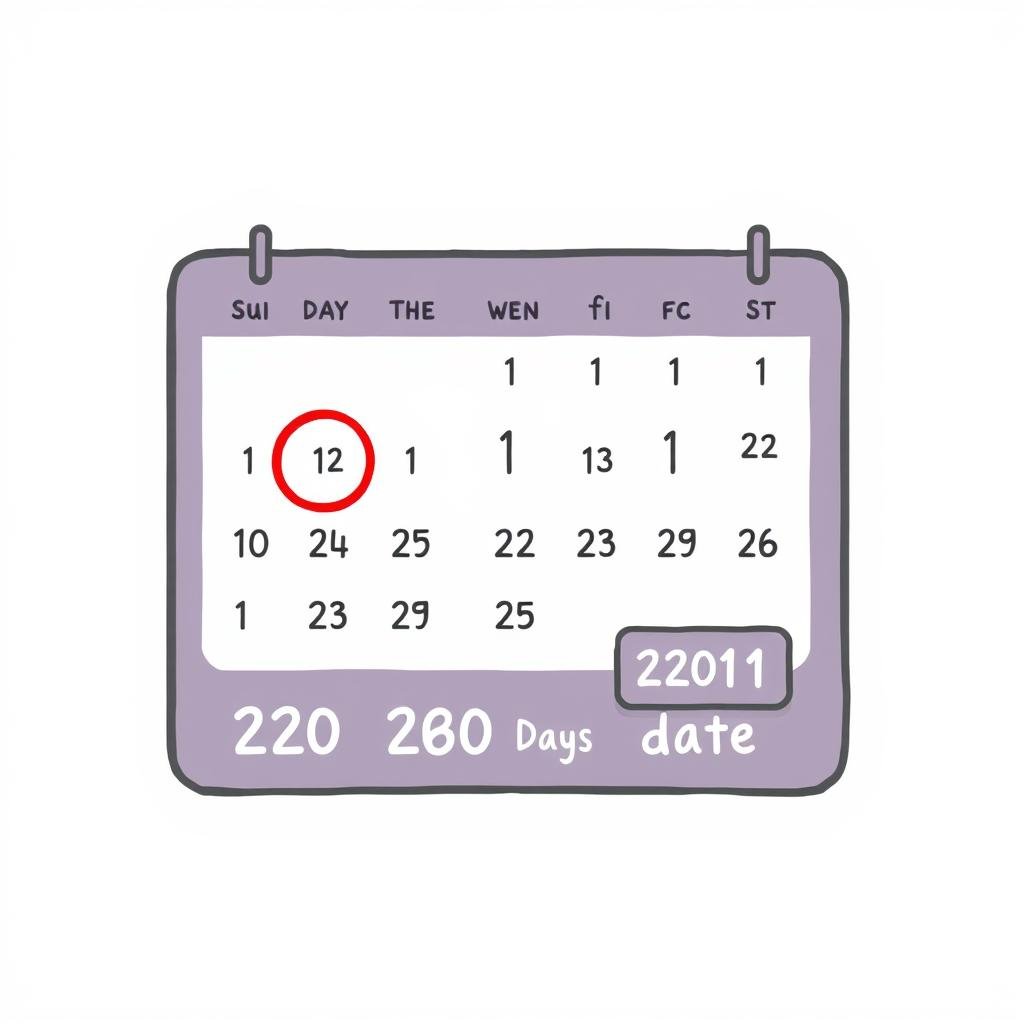
The most common method uses the first day of your last menstrual period (LMP) and adds 280 days (40 weeks). This is based on Naegele’s rule, which assumes a 28-day cycle with ovulation occurring on day 14.
Conception Date

If you know when you conceived, the calculator adds 266 days (38 weeks) to your conception date. This method can be more accurate if you’ve been tracking ovulation or know exactly when conception occurred.
IVF Transfer Date
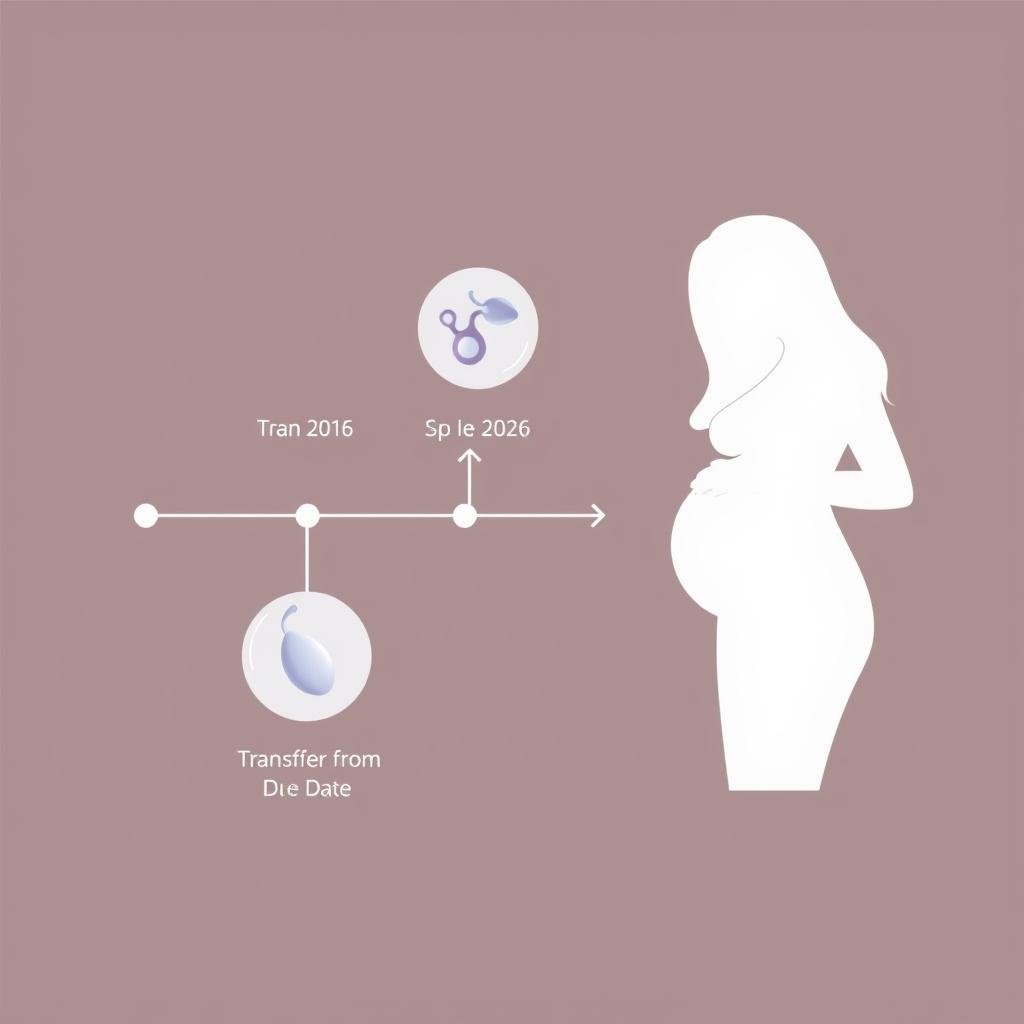
For IVF pregnancies, the calculator adds 263 days for a day-3 embryo transfer or 261 days for a day-5 embryo transfer. This method is highly precise since the exact date of embryo transfer is known.
Understanding Naegele’s Rule
Naegele’s rule is the traditional method used by healthcare providers to calculate pregnancy due dates. Named after German obstetrician Franz Naegele, this rule has been used since the early 19th century.
The Formula
To calculate your due date using Naegele’s rule:
- Start with the first day of your last menstrual period
- Add one year
- Subtract three months
- Add seven days
Alternatively, you can simply add 280 days to the first day of your last period.
Example: If your last period started on January 1, 2023, your estimated due date would be October 8, 2023.
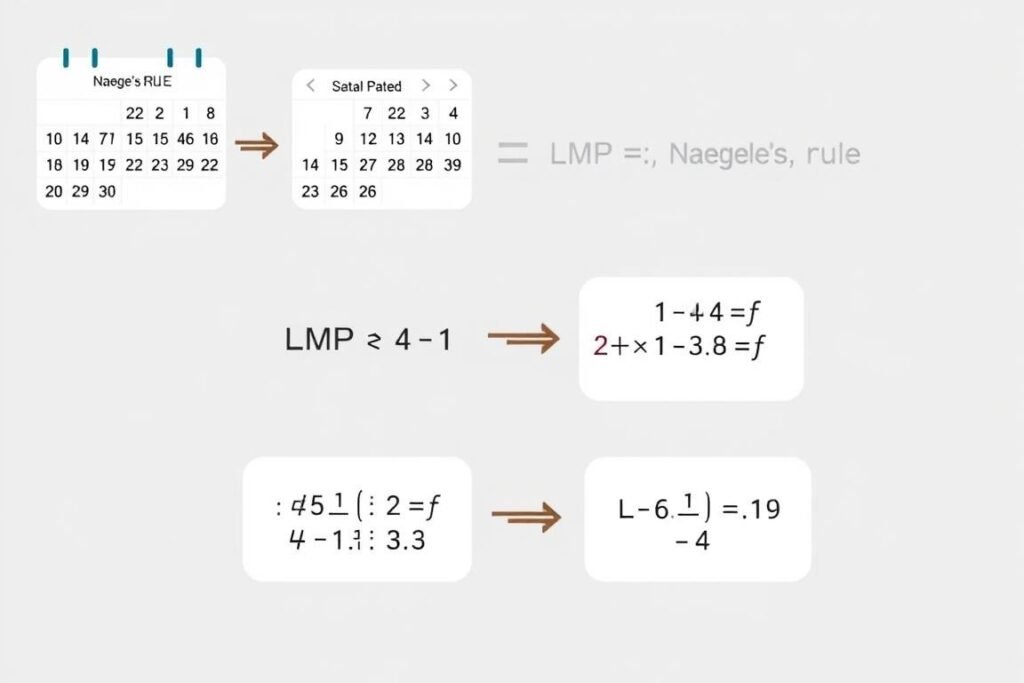
Naegele’s rule assumes a 28-day menstrual cycle with ovulation occurring on day 14. If your cycle is longer or shorter than 28 days, your healthcare provider may adjust your due date accordingly.
Pregnancy Calculator Examples
Let’s look at some examples of how to calculate your due date using different methods:
| Calculation Method | Starting Date | Formula | Estimated Due Date |
| Last Menstrual Period | March 15, 2023 | March 15 + 280 days | December 20, 2023 |
| Conception Date | March 29, 2023 | March 29 + 266 days | December 20, 2023 |
| IVF (Day 3 Transfer) | April 1, 2023 | April 1 + 263 days | December 20, 2023 |
| IVF (Day 5 Transfer) | April 3, 2023 | April 3 + 261 days | December 20, 2023 |

Accuracy of Pregnancy Calculators
While pregnancy calculators provide helpful estimates, it’s important to understand their limitations and accuracy.
Strengths
- Provides a good starting point for planning
- Helps healthcare providers schedule appropriate prenatal care
- Can be very accurate when based on IVF transfer dates
- Early ultrasounds can confirm or adjust the estimated date
- Gives expectant parents a timeline to prepare for baby’s arrival
Limitations
- Only about 5% of babies are born on their exact due date
- Assumes a regular 28-day cycle, which many women don’t have
- Doesn’t account for individual variations in pregnancy length
- LMP-based calculations can be inaccurate if you have irregular periods
- May need adjustment based on ultrasound measurements
Did you know? Most babies are born within two weeks before or after their estimated due date. A normal, full-term pregnancy can last anywhere from 37 to 42 weeks from the first day of your last period.

When Your Due Date Might Change
Your healthcare provider might adjust your due date during your pregnancy for several reasons:
Ultrasound Measurements
If your first trimester ultrasound shows that your baby is measuring significantly larger or smaller than expected based on your LMP, your provider may adjust your due date. Early ultrasounds (before 14 weeks) are most accurate for dating purposes.

Irregular Cycles
If you have irregular menstrual cycles, the standard calculation based on your LMP may not be accurate. Your healthcare provider may use additional information, such as the size of your uterus during your first exam or hormone levels, to determine a more accurate due date.

Important: If your due date changes significantly, discuss with your healthcare provider to understand why. This ensures you receive appropriate prenatal care based on your baby’s actual gestational age.
Tips for Using Online Pregnancy Calculators
To get the most accurate results from online pregnancy calculators, follow these practical tips:
Know Your Dates

Track your menstrual cycles regularly so you know the exact date of your last period. Apps like period trackers can help you maintain accurate records.
Consider Your Cycle Length

If your cycle is longer or shorter than 28 days, look for calculators that allow you to input your average cycle length for more accurate results.
Use Multiple Methods
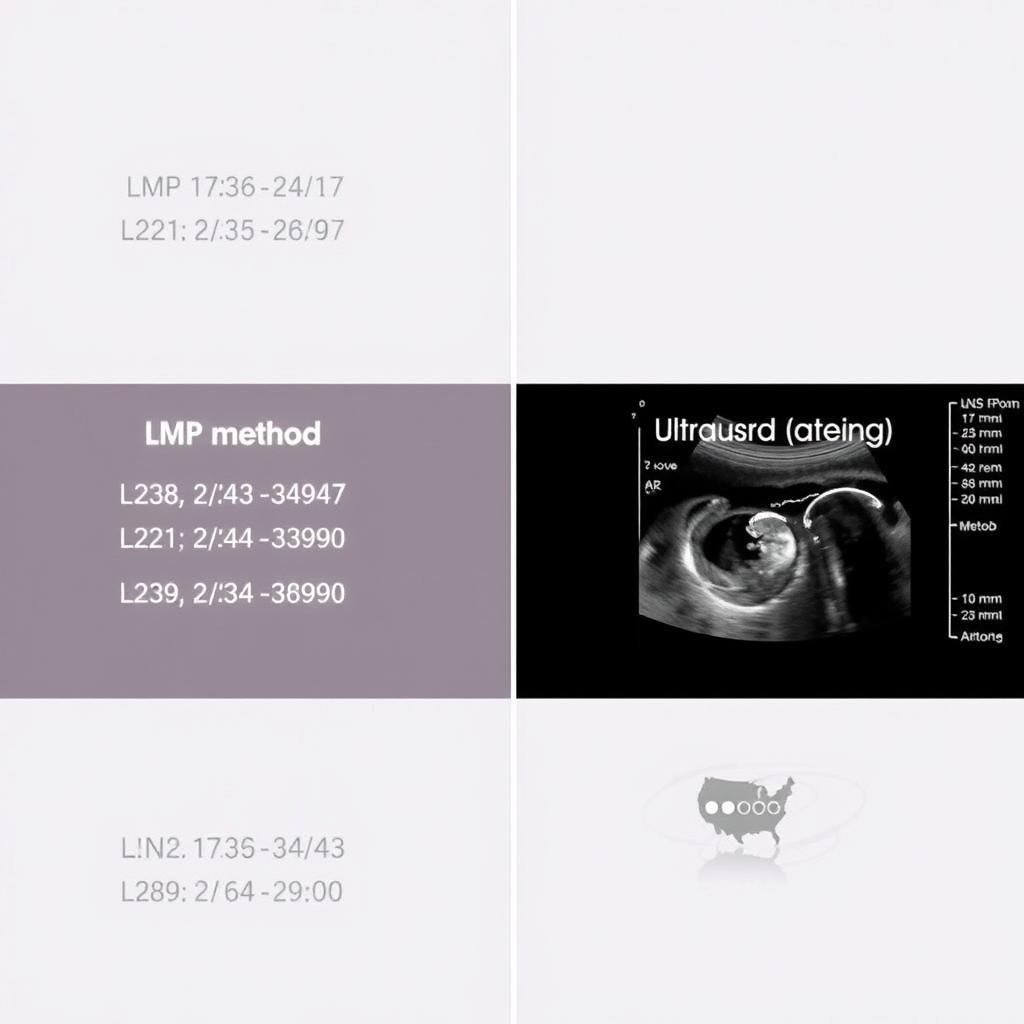
If possible, calculate your due date using different methods (LMP, conception date, ultrasound) and compare the results for a more comprehensive estimate.
Track Your Pregnancy Week by Week
Get personalized updates on your baby’s development, important milestones, and what to expect throughout your pregnancy journey.
Beyond the Due Date: What to Expect
Understanding that your due date is just an estimate can help you prepare mentally for the actual birth, which may occur before or after that date.
What if I go past my due date?
Going past your due date is common and usually not a cause for concern. About 50% of first-time mothers deliver after their due date. Your healthcare provider will monitor you and your baby closely if your pregnancy extends beyond 40 weeks. They may recommend additional testing or discuss induction options if you go significantly past your due date.
How can I prepare for my due date window?
Rather than focusing on a specific date, prepare for a “due month” or “due window” that extends from about 37 weeks to 42 weeks of pregnancy. Have your hospital bag packed by 36 weeks, finalize your birth plan, and arrange for help at home for the weeks surrounding your due date.
When should I call my healthcare provider?
Contact your healthcare provider if you experience signs of labor such as regular contractions, water breaking, bleeding, or decreased fetal movement. Always follow your provider’s specific instructions about when to call or go to the hospital.

Additional Pregnancy Tools and Resources
A pregnancy calculator is just one of many tools that can help you navigate your pregnancy journey. Consider these complementary resources:
Ovulation Calculator
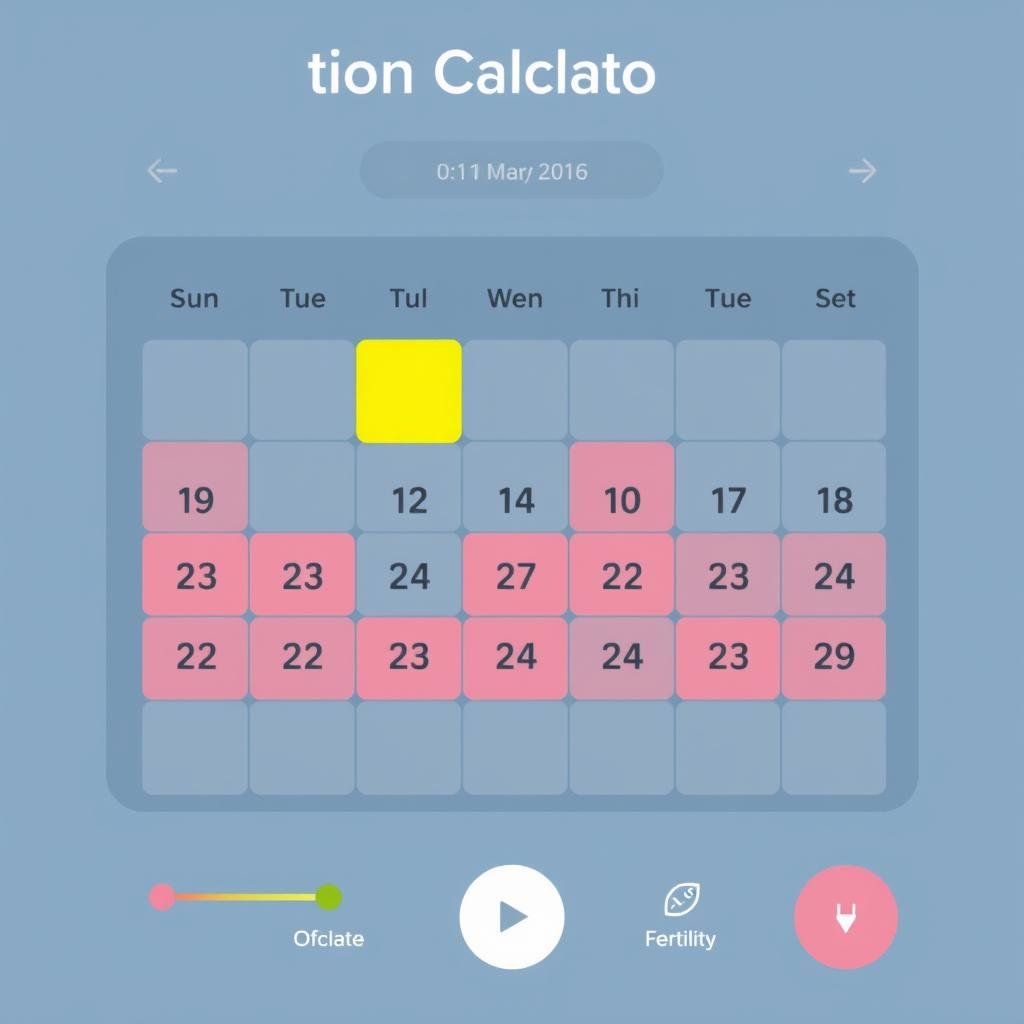
If you’re trying to conceive, an ovulation calculator can help you identify your most fertile days based on your menstrual cycle.
Pregnancy Weight Tracker
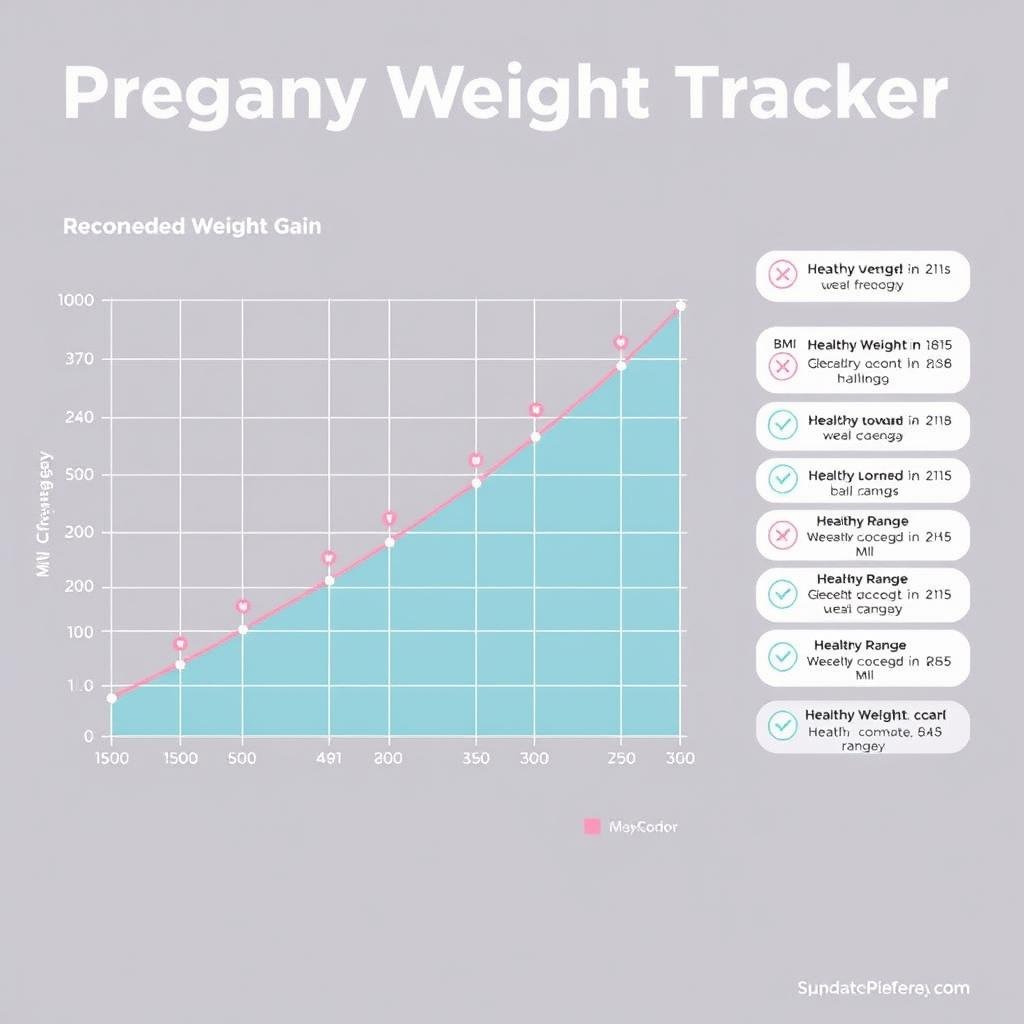
Monitor your pregnancy weight gain and compare it to recommended guidelines based on your pre-pregnancy BMI.
Kick Counter
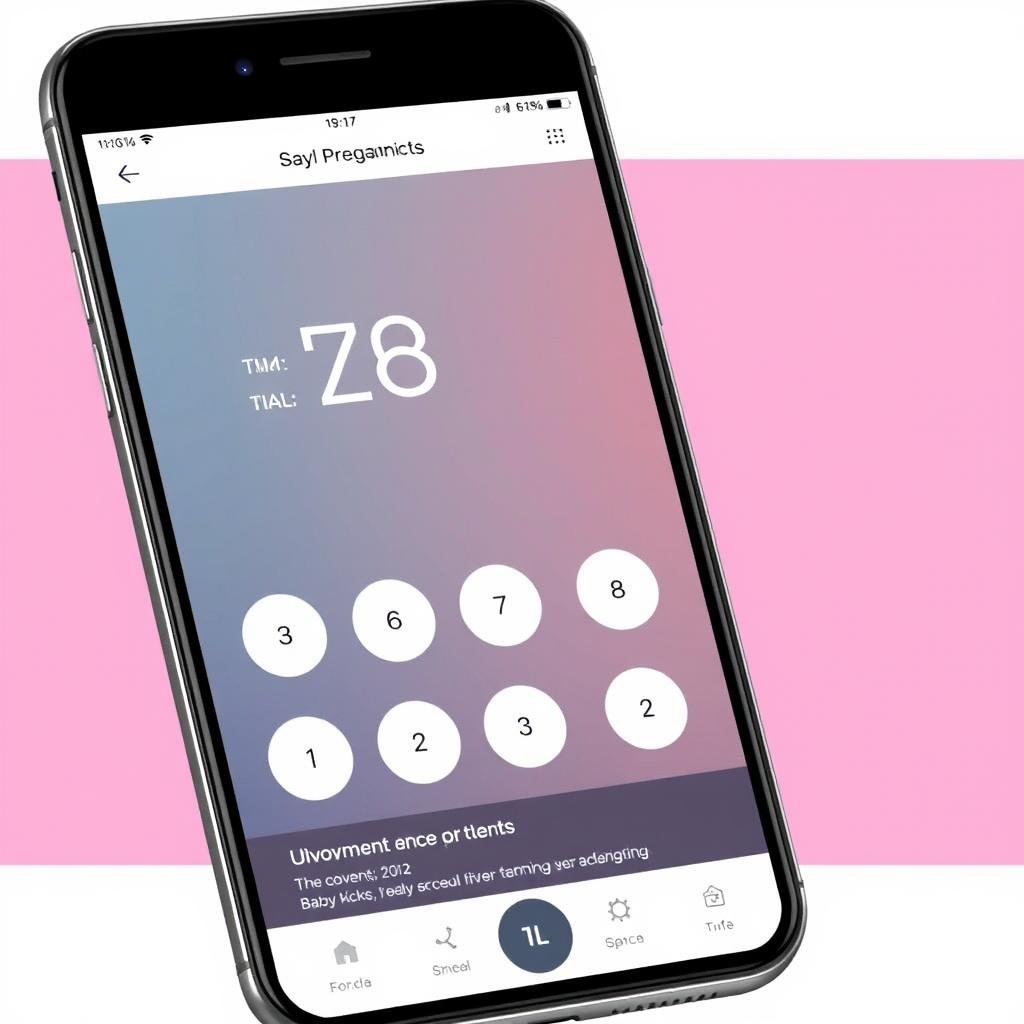
In the third trimester, a kick counter helps you monitor your baby’s movements and activity patterns.
Your Pregnancy Journey Starts Here
A pregnancy calculator is a valuable tool that helps you estimate your due date and understand the timeline of your pregnancy. While it provides a helpful guideline, remember that every pregnancy is unique, and your baby will arrive when they’re ready – whether that’s on your due date or not.
Use this calculator as a starting point, but always consult with your healthcare provider for the most accurate information about your pregnancy. They can provide personalized guidance based on your specific health history and pregnancy progress.
Begin Your Pregnancy Journey
Calculate your due date, track your baby’s development, and receive expert guidance throughout your pregnancy.