Understanding how to calculate square footage is essential for countless home and construction projects. Whether you’re buying flooring materials, estimating paint quantities, selling your home, or planning a renovation, accurate square footage measurements ensure you purchase the right amount of materials and make informed decisions. This comprehensive guide will walk you through everything you need to know about calculating square footage, from basic rectangular rooms to complex irregular spaces.
What is Square Footage?
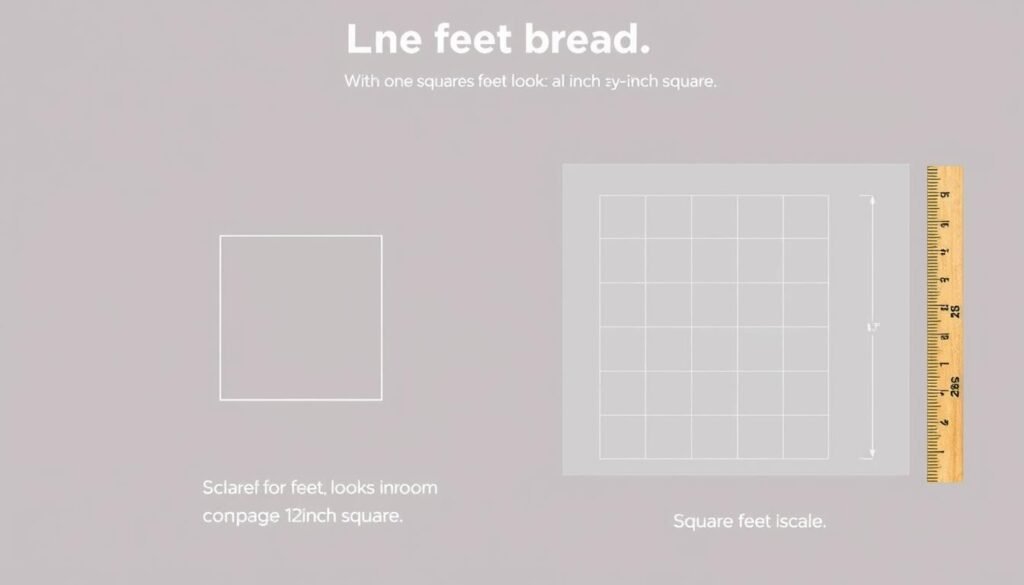
Square footage represents the two-dimensional area of a space measured in square feet
Square footage (sq ft) is a measurement of area expressed in square feet. One square foot equals the area of a square that measures one foot on each side. It’s the standard unit for measuring the size of rooms, homes, and land in the United States. When you calculate square footage, you’re determining how many one-foot squares would fit within a given space.
Understanding square footage is crucial for numerous practical applications. For homeowners, it helps determine the amount of flooring, carpet, or tile needed for a renovation project. For real estate professionals, accurate square footage measurements are essential for property listings and valuations. Contractors use square footage calculations to estimate material quantities and project costs.
How to Calculate Square Footage
The basic formula for calculating the square footage of a rectangular area is:
Square Footage = Length × Width
This simple multiplication gives you the total area in square feet when both measurements are in feet. If your measurements are in inches or another unit, you’ll need to convert them to feet first.
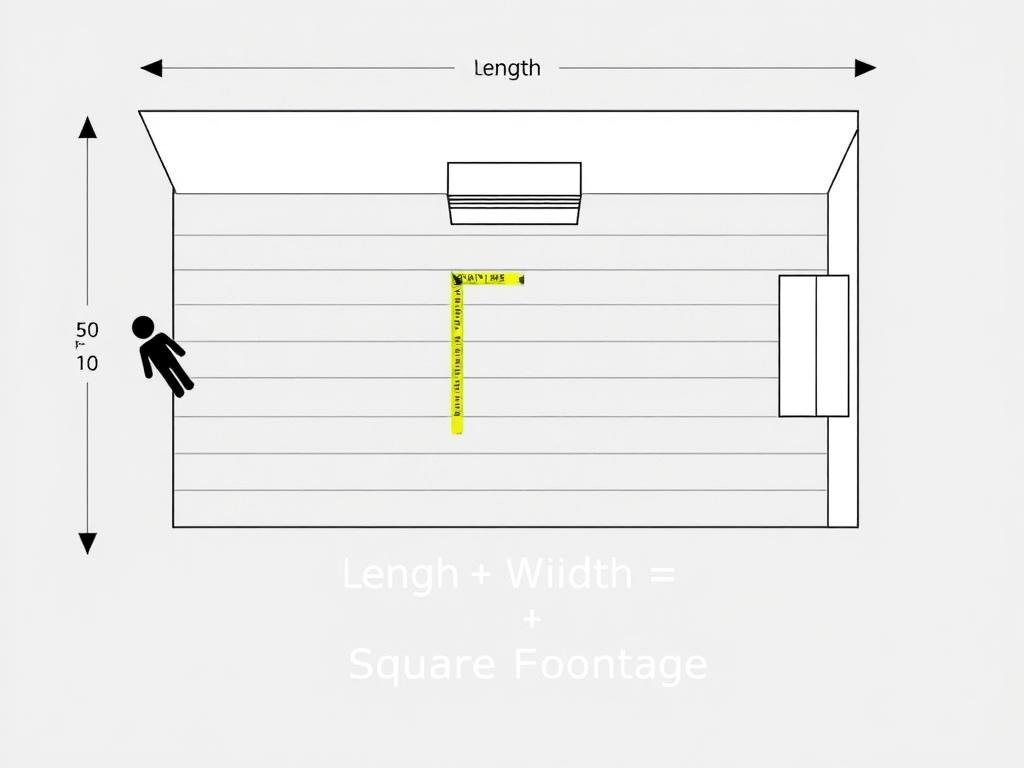
Step-by-Step Guide to Measuring Square Footage
Always measure to the nearest inch for the most accurate calculations, then convert to feet before multiplying.
Square Footage Calculation Examples
Let’s look at some practical examples to better understand how to calculate square footage:
Example 1: Rectangular Room
For a bedroom that measures 12 feet long and 10 feet wide:
Square Footage = 12 ft × 10 ft = 120 square feet
Example 2: Square Room
For a square dining room with 15-foot sides:
Square Footage = 15 ft × 15 ft = 225 square feet
Need Quick Calculations?
Skip the manual math and get instant, accurate square footage measurements for any project.
Calculating Square Footage for Irregular Shapes
Not all spaces are perfectly rectangular. For irregularly shaped rooms or areas, you’ll need to use different approaches to calculate square footage accurately.
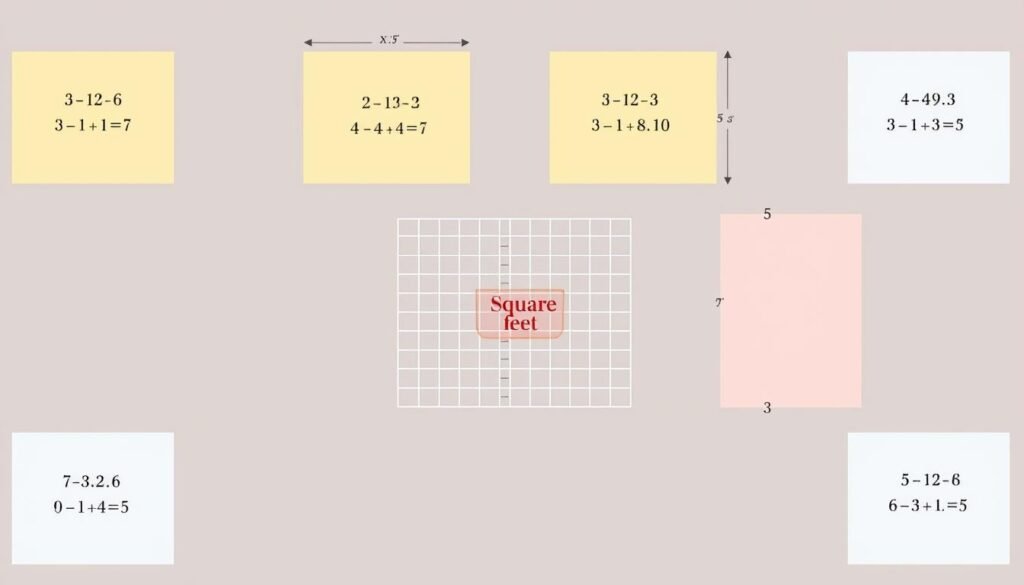
The Divide-and-Calculate Method
For L-shaped or other irregular rooms, divide the space into rectangular sections, calculate the square footage of each section, and then add them together.
Example: L-Shaped Room
Section 1: 15 ft × 10 ft = 150 sq ft
Section 2: 8 ft × 6 ft = 48 sq ft
Total Square Footage = 150 sq ft + 48 sq ft = 198 sq ft
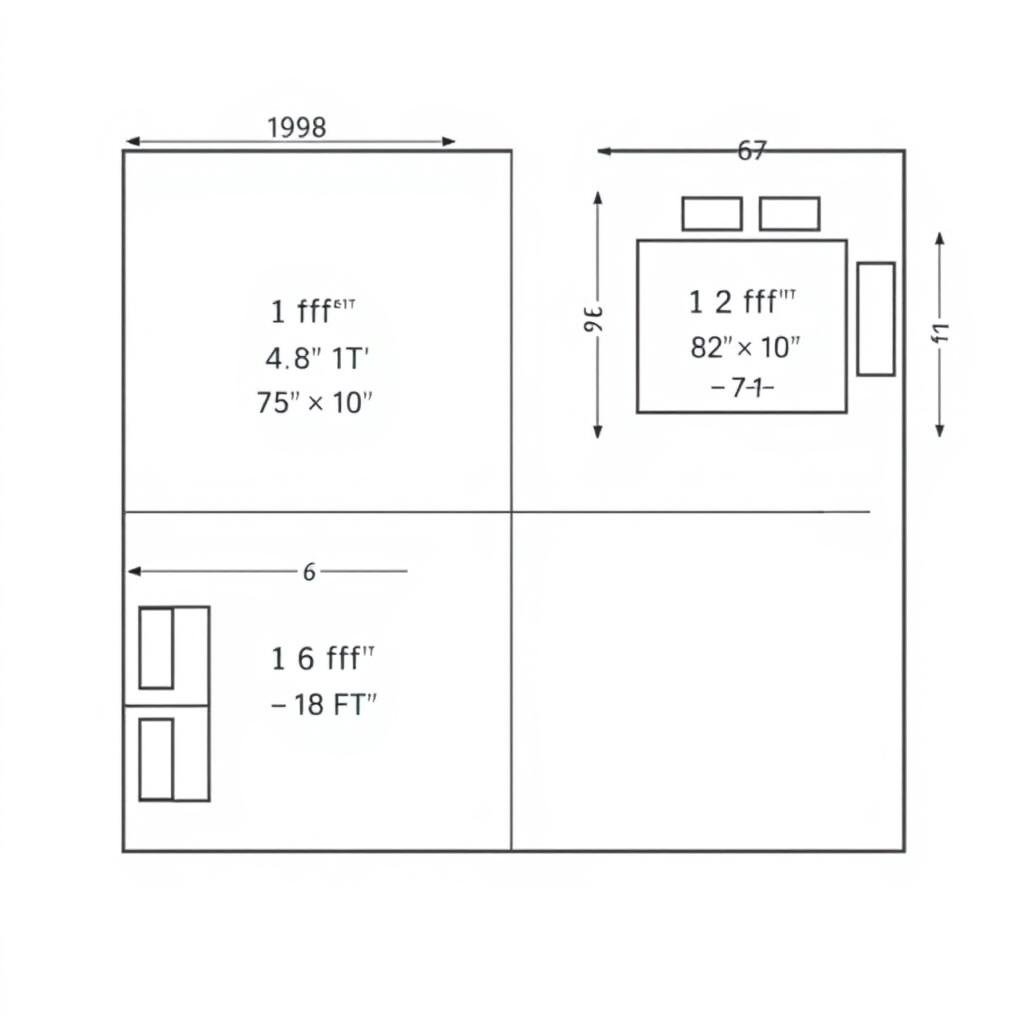
Square Footage Formulas for Different Shapes
While rectangles are common, you may need to calculate square footage for other shapes. Here are formulas for various geometric shapes:
Circle
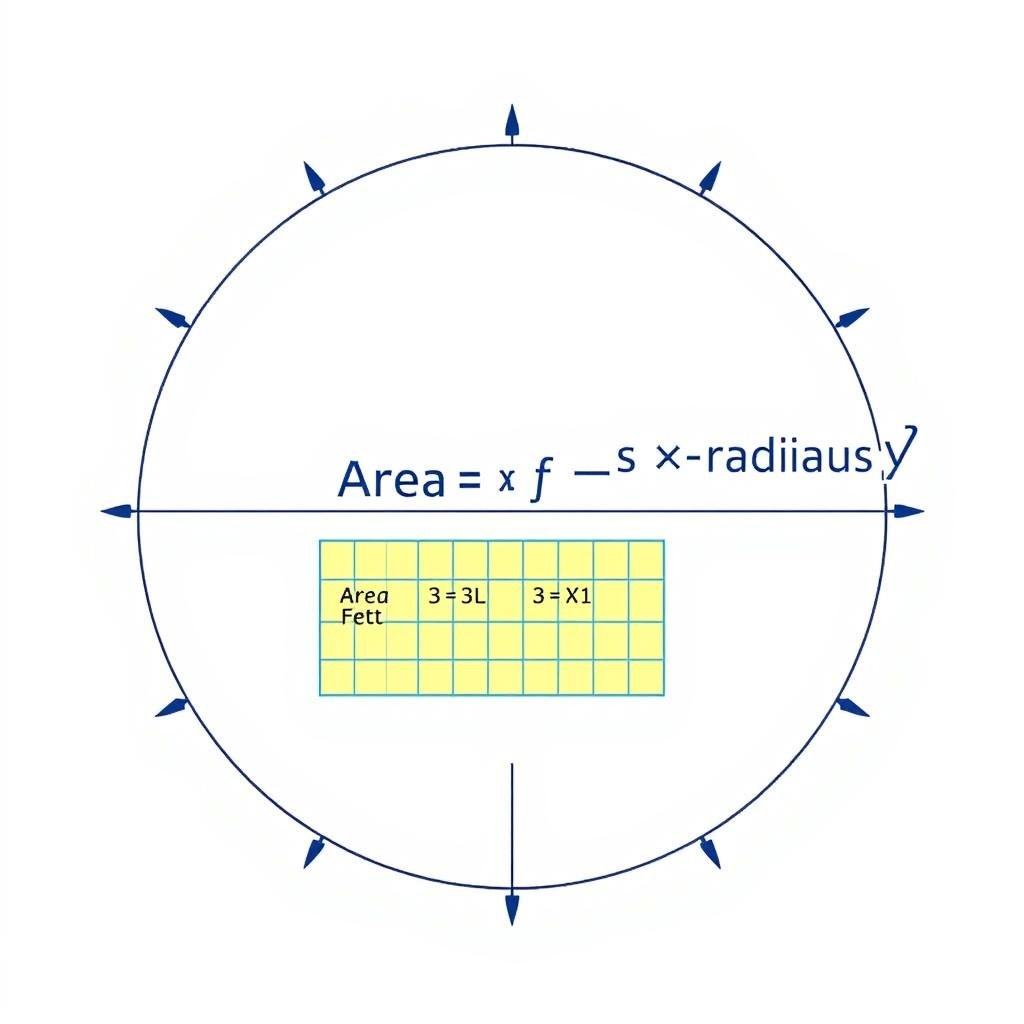
Square Footage = π × radius²
Where π (pi) ≈ 3.14159
Example: For a circular patio with a 6 ft radius:
Area = 3.14159 × 6² = 3.14159 × 36 = 113.1 sq ft
Triangle
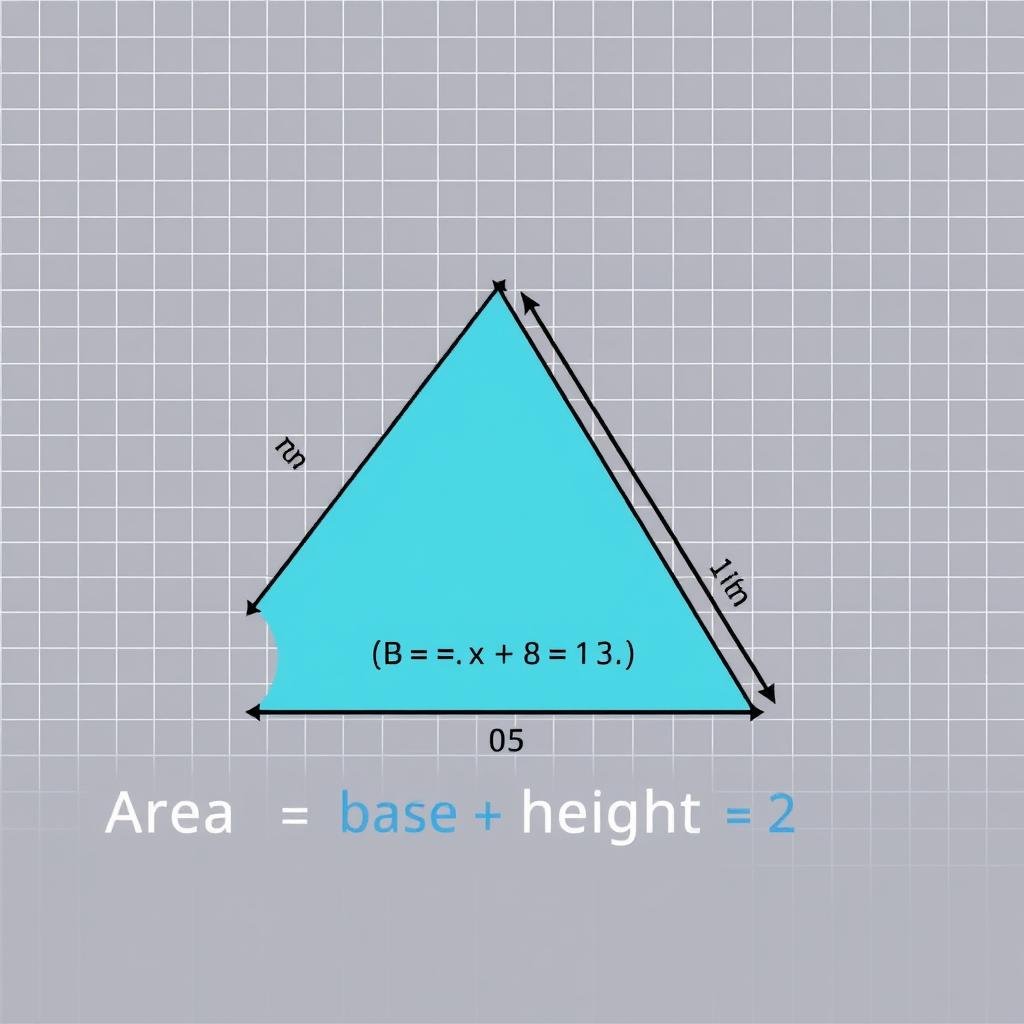
Square Footage = (base × height) ÷ 2
Example: For a triangular section with an 8 ft base and 10 ft height:
Area = (8 × 10) ÷ 2 = 80 ÷ 2 = 40 sq ft
Trapezoid
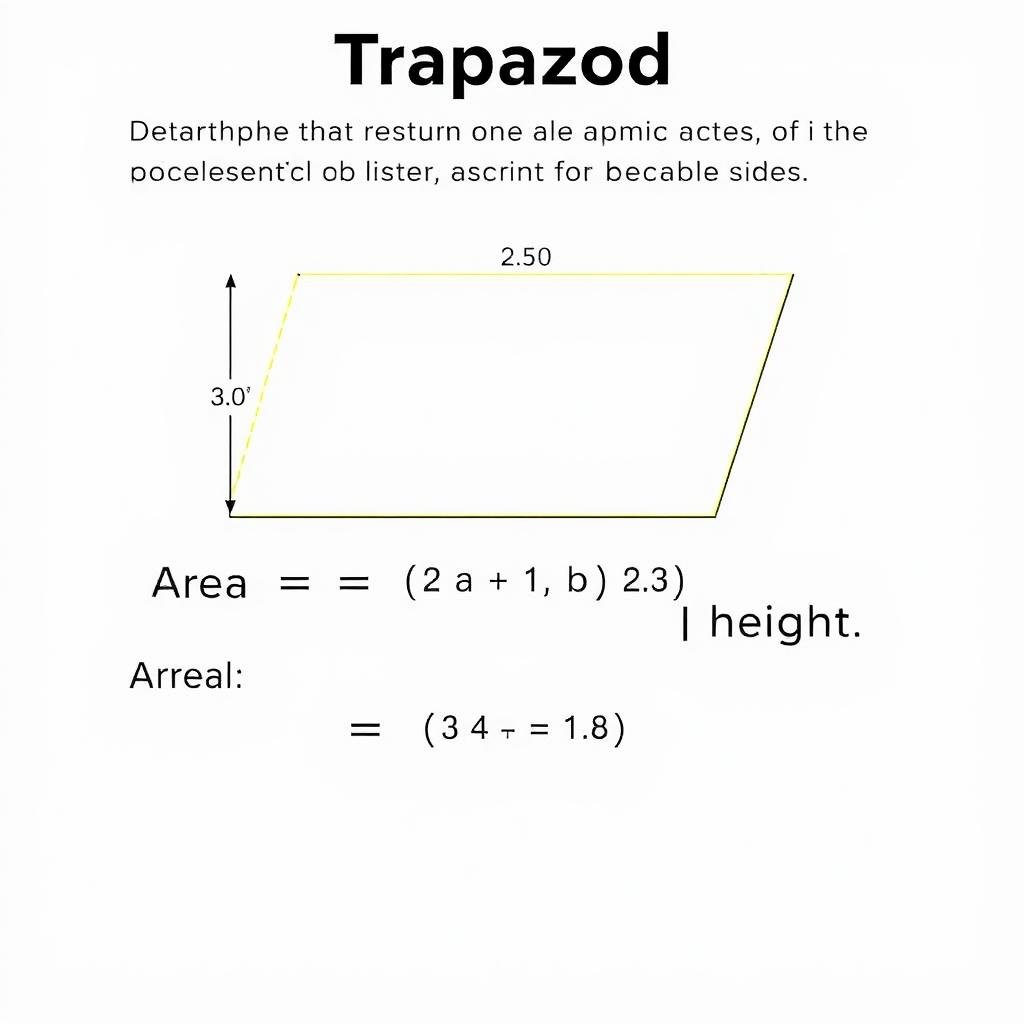
Square Footage = ((a + b) ÷ 2) × height
Where a and b are the lengths of the parallel sides
Example: For a trapezoid with parallel sides of 12 ft and 8 ft, and height of 6 ft:
Area = ((12 + 8) ÷ 2) × 6 = 10 × 6 = 60 sq ft
Complex Shapes Made Simple
Calculating square footage for unusual shapes can be challenging. Our calculator handles all formulas automatically.
Tips for Accurate Square Footage Measurements
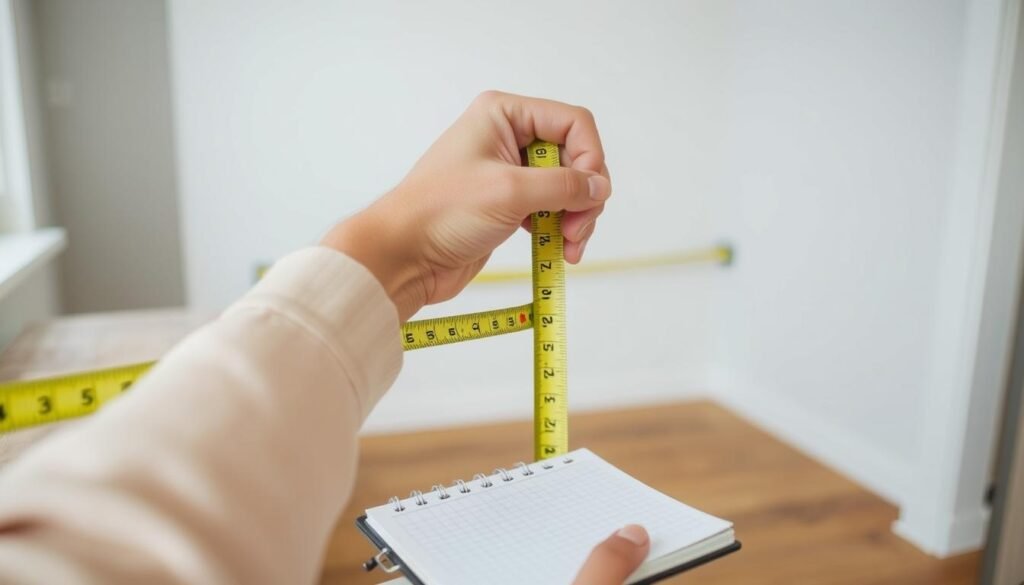
Best Practices
Common Mistakes to Avoid
For flooring projects, always measure the widest point of the room in both directions, even if some areas don’t need covering. It’s better to have slightly too much material than not enough.
Converting Square Footage to Other Units
Sometimes you’ll need to convert square footage to other units of measurement. Here are common conversion formulas:
| Conversion | Formula | Example |
| Square Feet to Square Inches | Multiply by 144 | 10 sq ft = 1,440 sq in |
| Square Feet to Square Yards | Divide by 9 | 27 sq ft = 3 sq yd |
| Square Feet to Square Meters | Multiply by 0.0929 | 100 sq ft = 9.29 sq m |
| Square Feet to Acres | Divide by 43,560 | 10,890 sq ft = 0.25 acres |
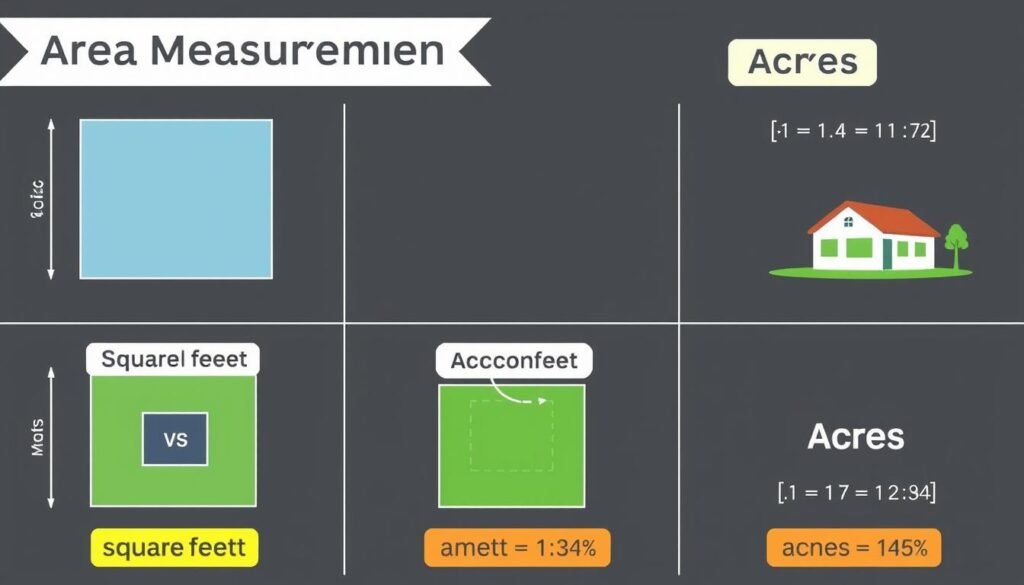
When working internationally, remember that most countries use square meters rather than square feet. To convert from square meters to square feet, multiply by 10.764.
Practical Applications of Square Footage Calculations
Flooring Projects
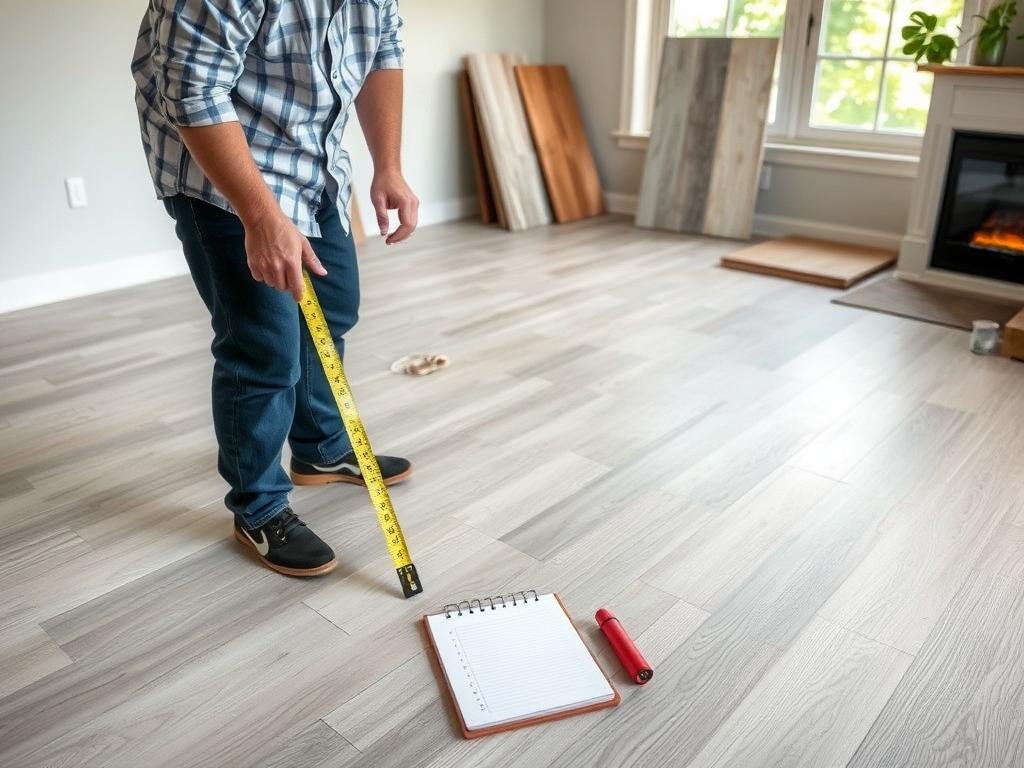
For flooring installations, calculate the total square footage and add 5-10% extra for waste, cuts, and future repairs. For diagonal installations, add 15% extra material.
Painting Projects
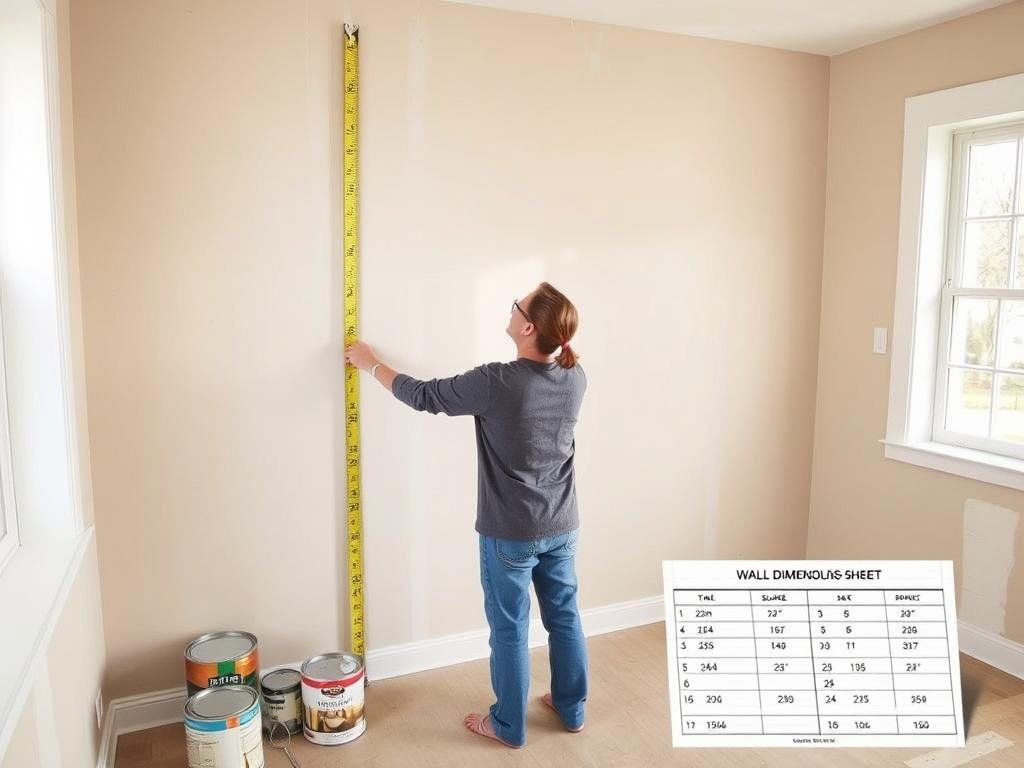
For painting, calculate the square footage of walls by multiplying the perimeter of the room by the ceiling height. Subtract 20 sq ft for each door and 15 sq ft for each window.
Real Estate
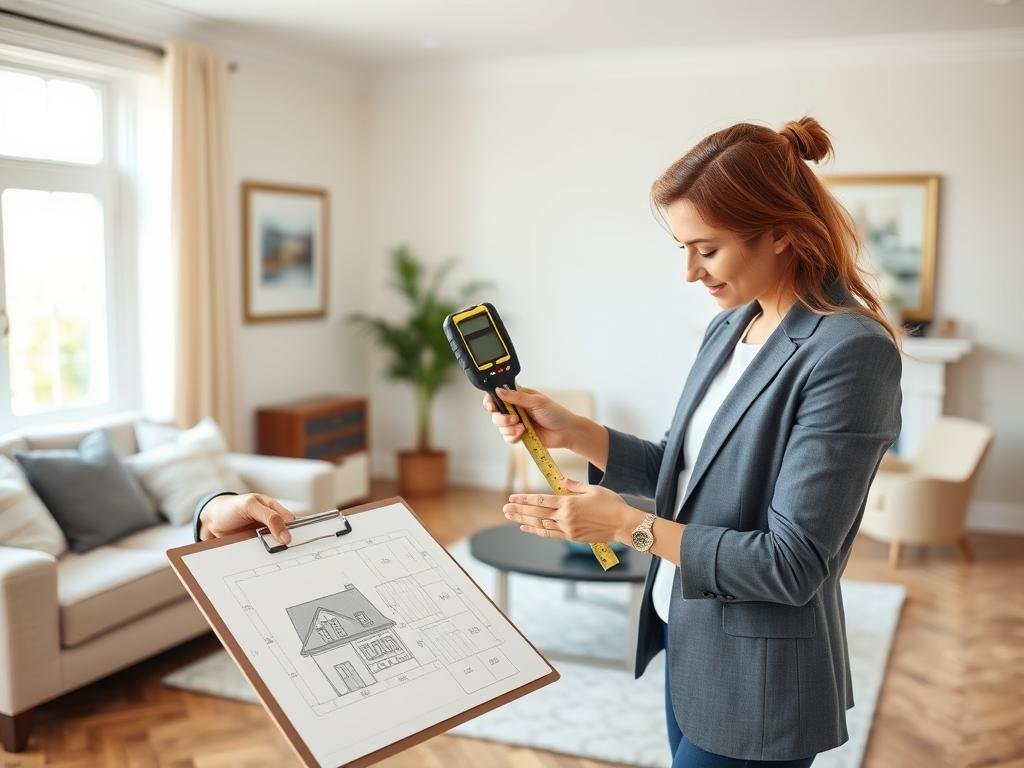
In real estate, square footage determines property value. Only count finished, heated living spaces. Exclude garages, unfinished basements, and outdoor areas.
Always verify square footage calculations before purchasing materials. Ordering too little can delay your project, while ordering too much wastes money.
Frequently Asked Questions About Square Footage
How many square feet is a 12×12 room?
A room that measures 12 feet by 12 feet has 144 square feet (12 × 12 = 144).
Does house square footage include garage?
No, standard real estate practice excludes garages from the square footage of a home. Only finished, heated living spaces are included in the official square footage.
How do you calculate square feet from inches?
To convert square inches to square feet, divide the number of square inches by 144. For example, 720 square inches ÷ 144 = 5 square feet.
How much extra flooring should I buy?
For most flooring projects, add 5-10% extra to your square footage calculation to account for waste, cuts, and potential future repairs. For complex patterns or diagonal installations, add 15%.
Conclusion: Mastering Square Footage Calculations
Calculating square footage accurately is an essential skill for homeowners, contractors, and real estate professionals alike. By understanding the basic formulas and following the measurement tips in this guide, you can confidently determine the square footage for any project, from simple flooring installations to complex home renovations.
Remember that precision matters when calculating square footage. Even small measurement errors can lead to significant material shortages or overages, especially in larger spaces. When in doubt, measure twice and calculate carefully.
Save Time with Our Square Footage Calculator
Skip the manual calculations and get instant, accurate square footage measurements for any shape or project.